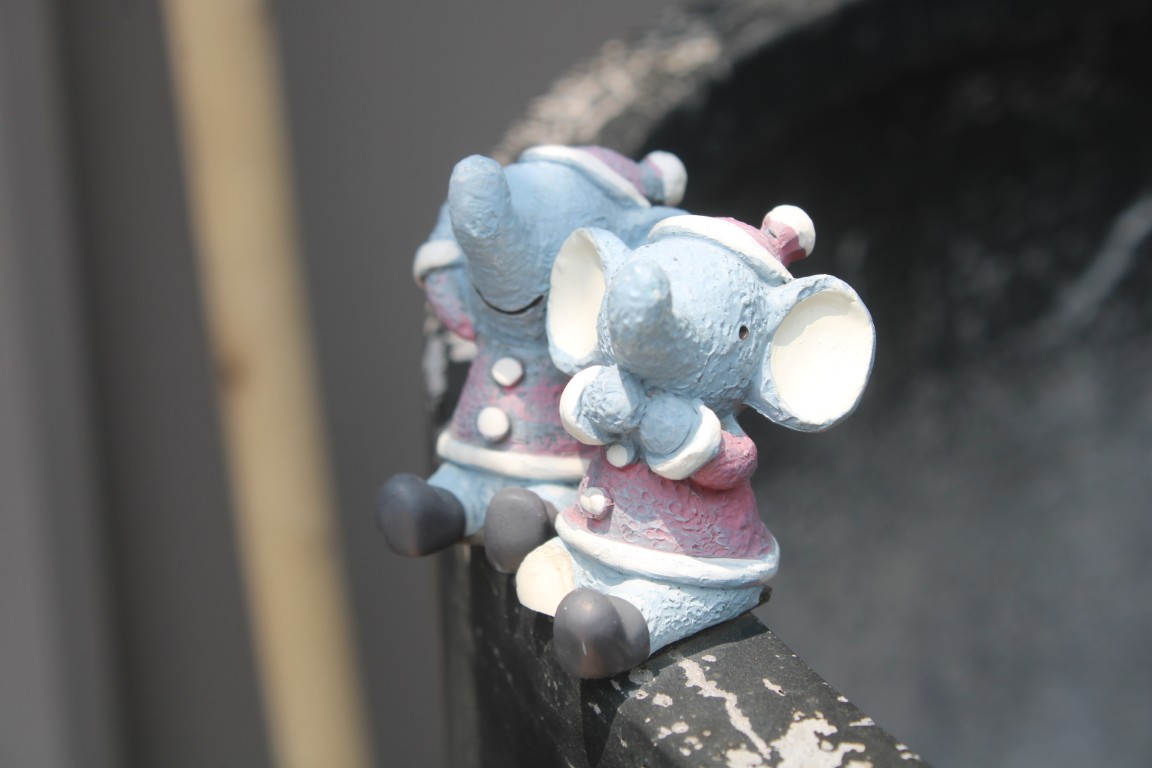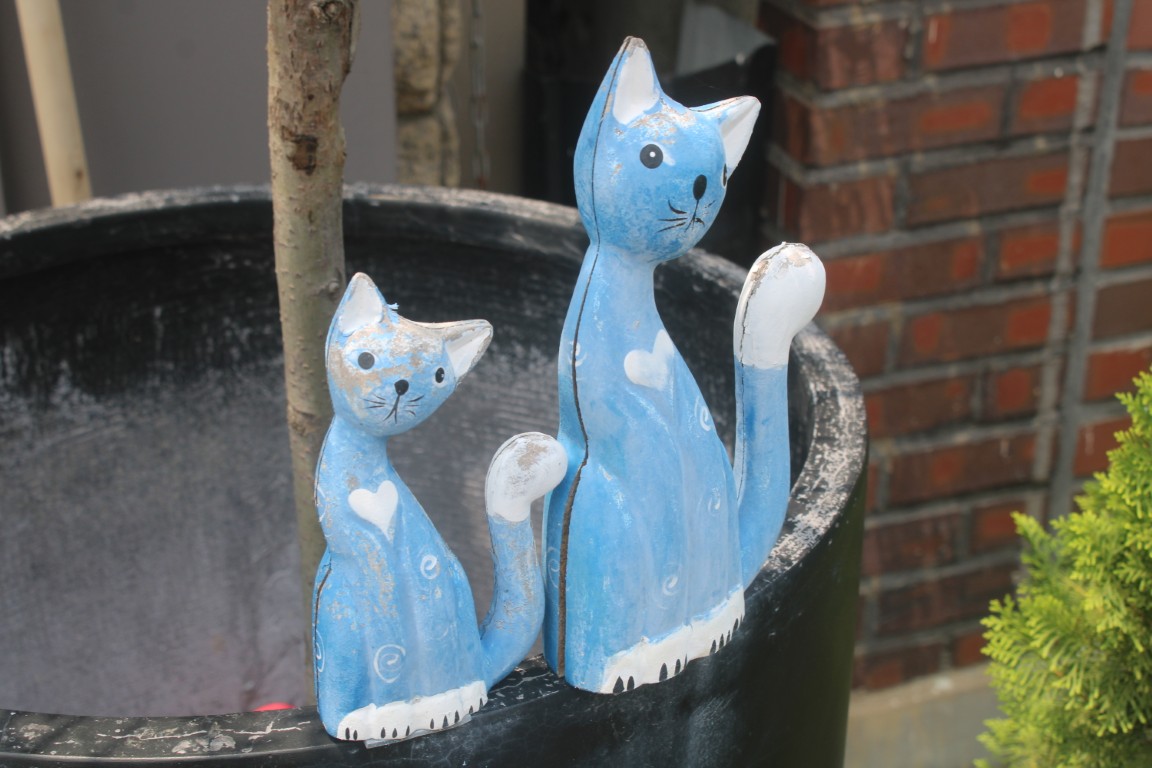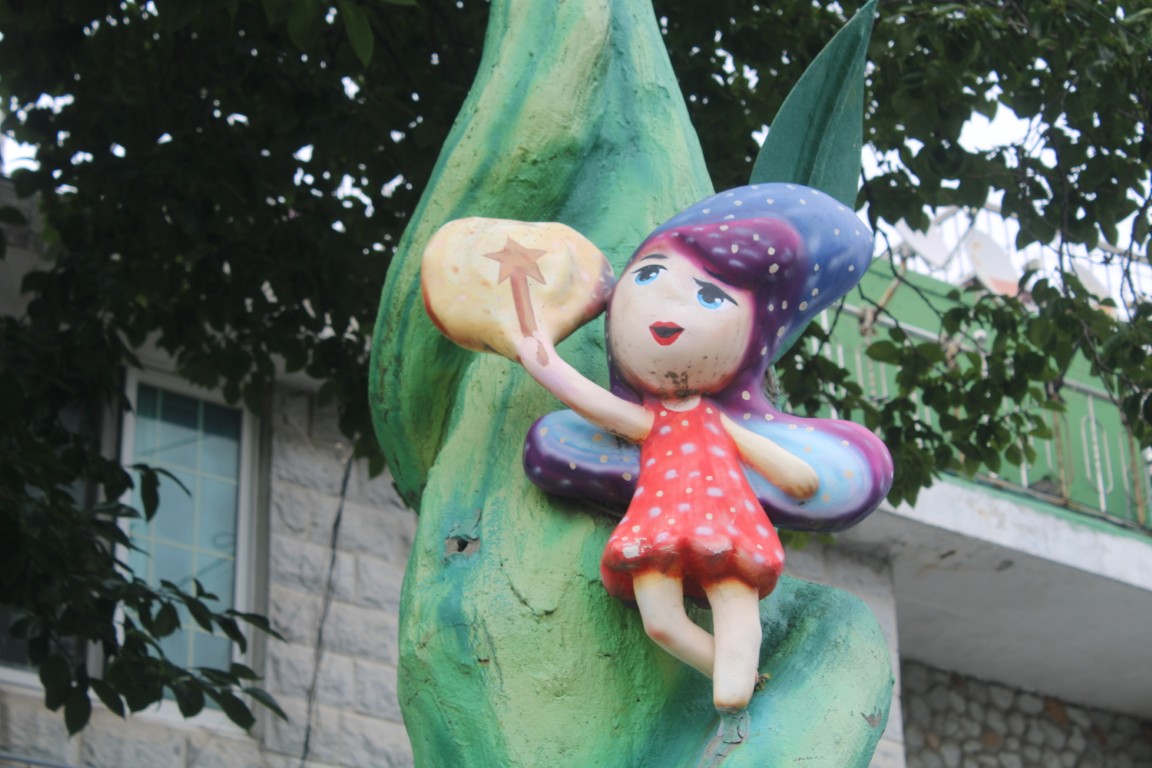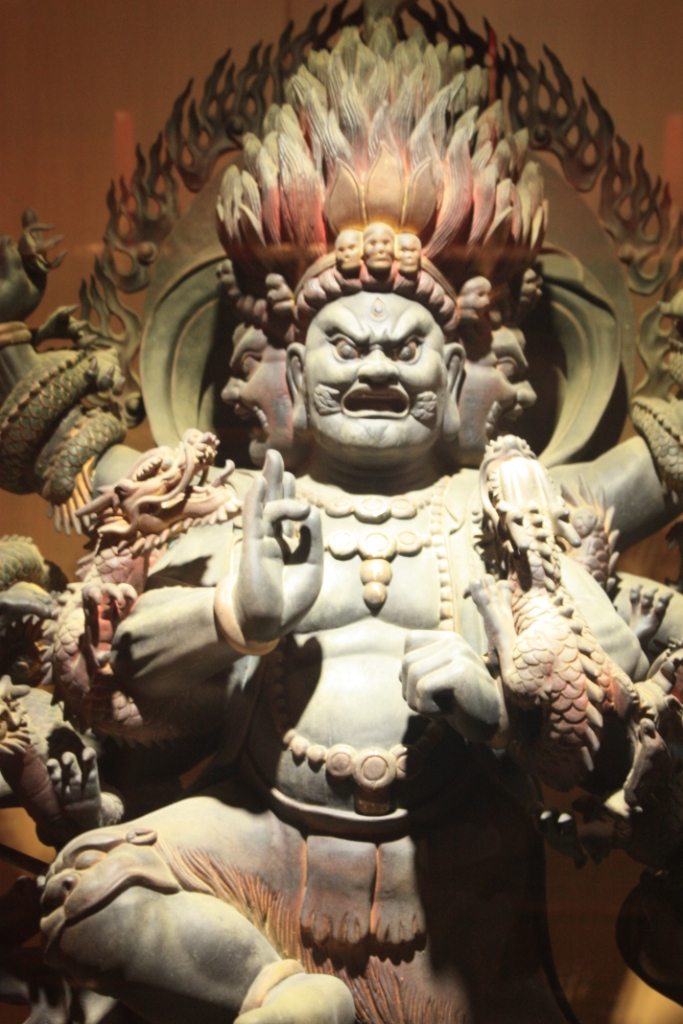
DAILY PHOTO: Tiny Sculptures in Seoul

Goblin [Free Verse]

After dark —-
A city park —-
There runs the thing
That comes to life
By night.
Caged in stillness
Through sunlit hours.
Its night persona
Is blurred movement
Seen only from the
Corner of an eye.
It stays near deep shadow,
Beyond the lamp lit arcs.

Where is it?
No one knows,
But if one were to
Check the cathedral
Spire, you’d find
Only an impenetrable
Void…
until sunup.

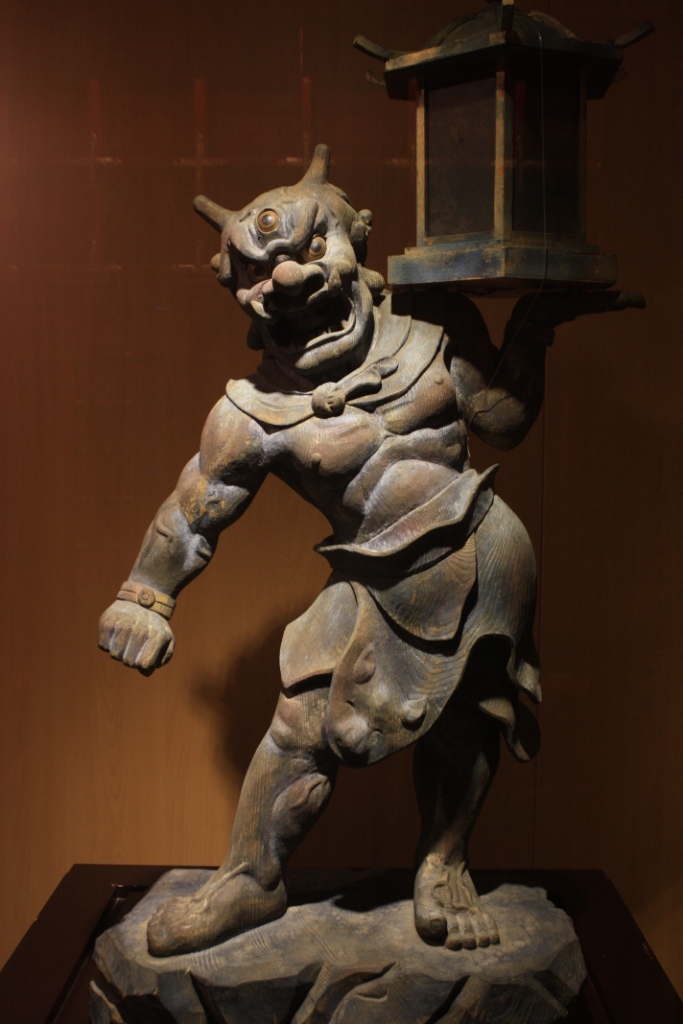
DAILY PHOTO: Oni Sculptures, Temple of the Tooth – Singapore

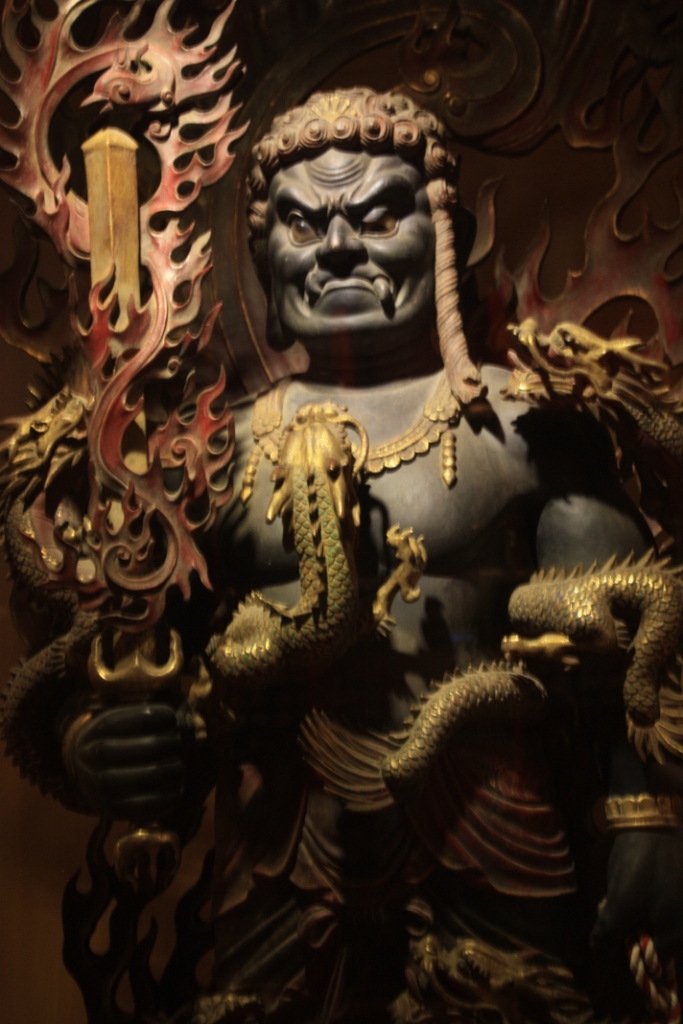
Dragons [Lyric Poem]

I see Dragons on the walls
Of temples and market stalls.
From Shanghai to London way,
I've seen them by night and day.
I've seen them skewered by St. George
And belching flame like a forge.
I saw one once in Baku,
But never saw one in a Zoo.

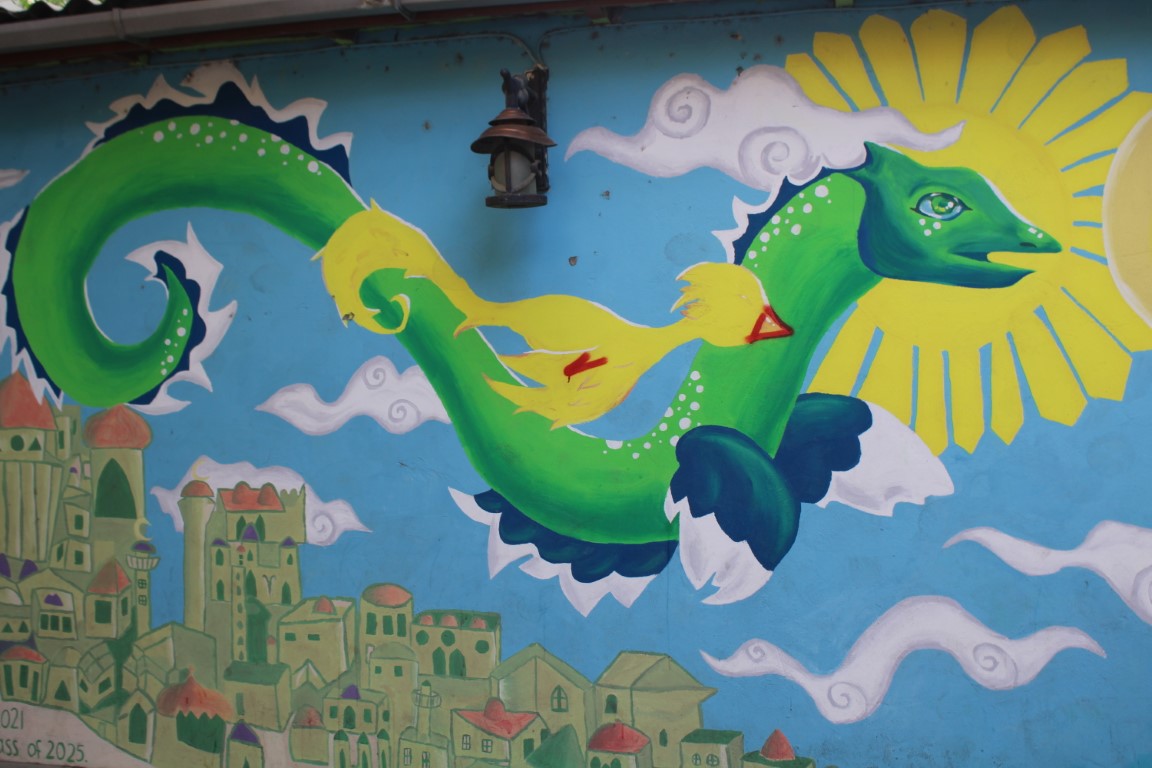
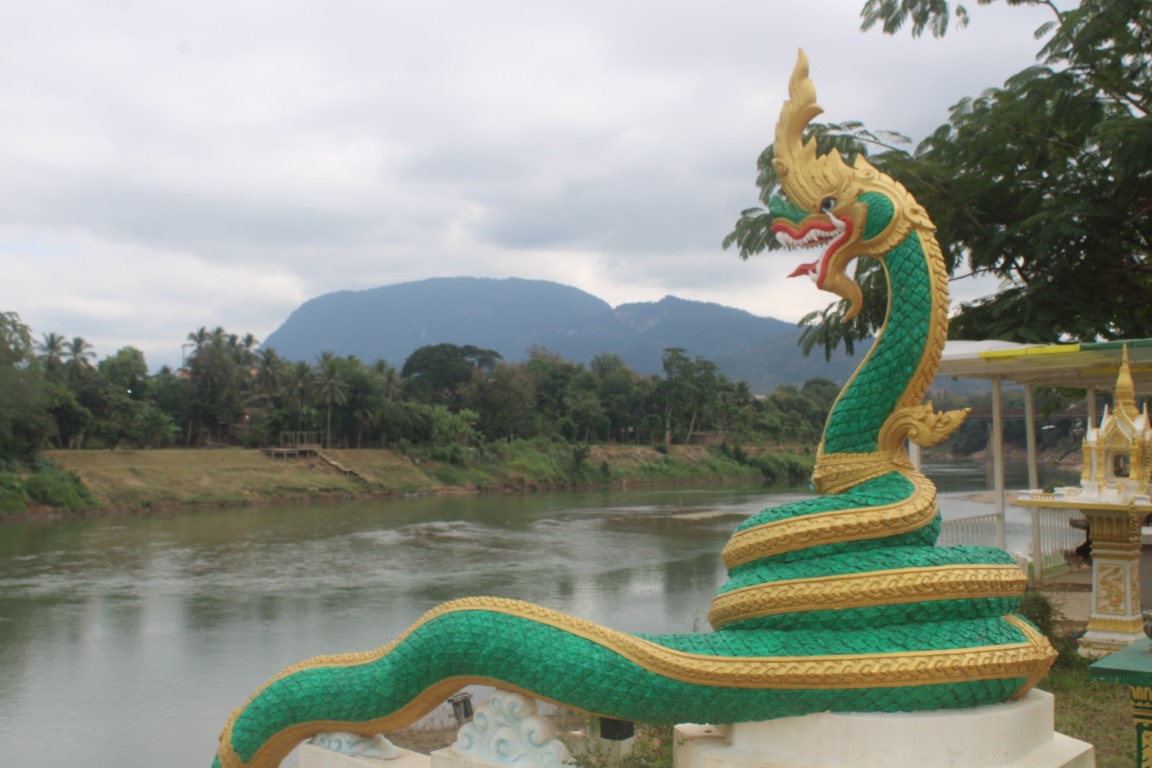
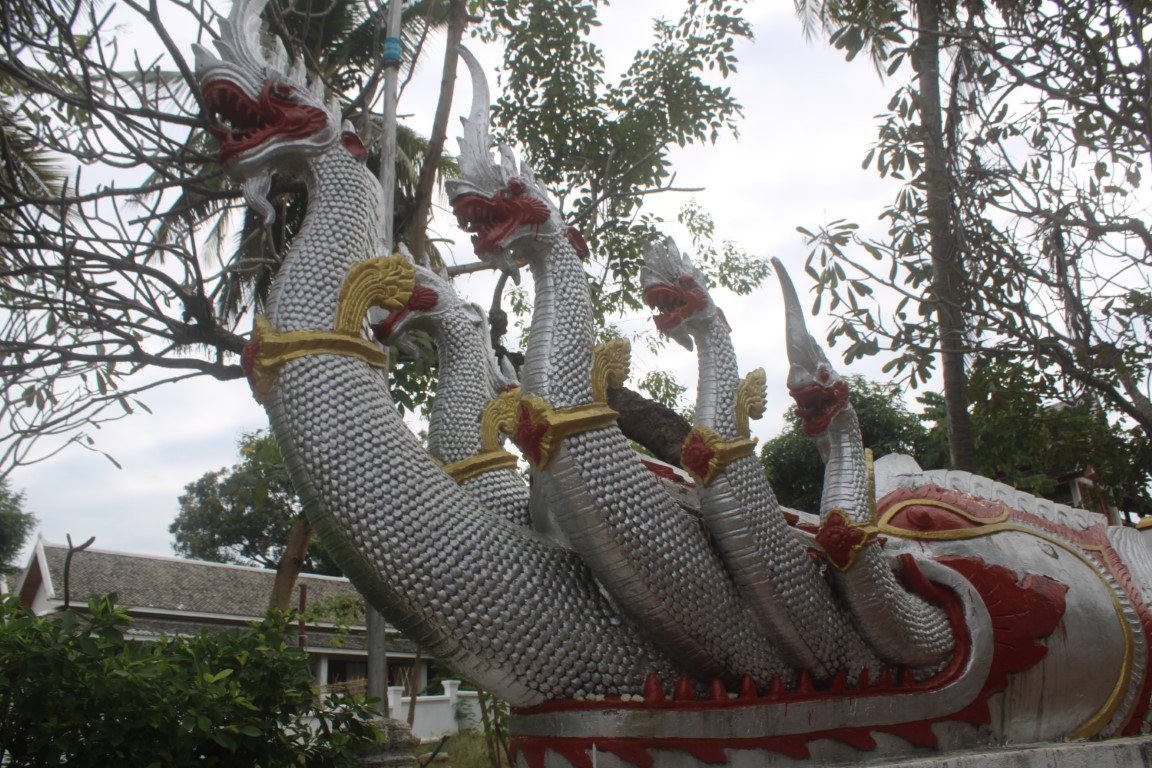
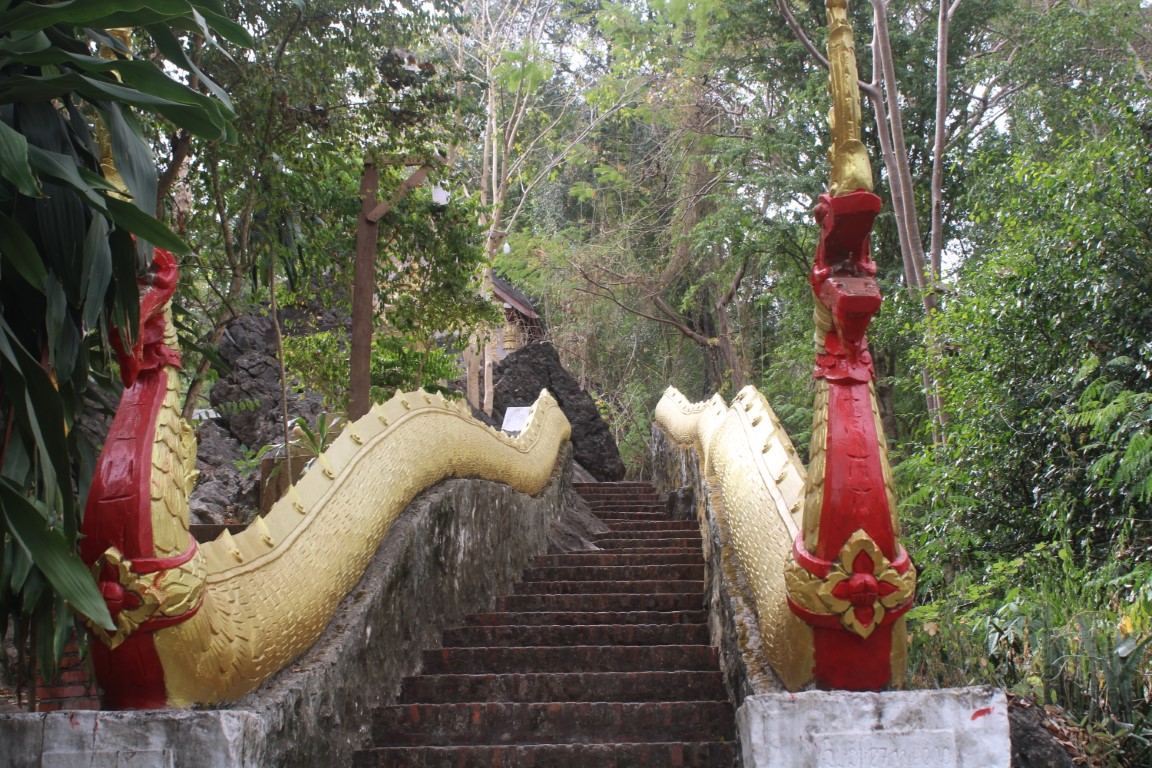
DAILY PHOTO: Guardian Serpents of Luang Prabang

BOOKS:  木兰辞 [Ballad of Mulan] by Anonymous

The Ballad of Mulan: 木兰辞 (Simplified Chinese Characters with Pinyin)The Ballad of Mulan: 木兰辞 by Song Nan Zhang
My rating: 5 of 5 stars

Available online at YellowBridge

This is a short lyric poem (15-1/2 quatrain, or 62 lines) that tells the story of a young woman who disguises herself as a man and joins the military to fill a slot that would otherwise have required her aged and infirm father to serve. The tiny poem packs in ten-plus years, during which Hua Mulan serves with great distinction and then returns home to take care of her parents. It’s a well-known tale that emphasizes the importance of filial piety and sacrifice. Though outside of China (as well as Taiwan and other Chinese cultural enclaves,) many may know it from the Disney version which has been panned for ditching the Confucian values and replacing them with ones that were thought would resonate better with a Western audience.

The poem is mostly arranged in quatrains of five-character lines with alternate line rhymes.

It’s a quick read and there is no room for the detailed tales of heroism that are depicted in adaptations.

If one is looking for a culturally insightful telling of the story of Hua Mulan, this is the right place to look. I’d highly recommend reading it.

View all my reviews

BOOKS: “Dark Demon Rising” by Tunku Halim

Dark demon risingDark demon rising by Tunku Halim
My rating: 4 of 5 stars

Author Site

On one level this is a folklore-based tale of horror, but – on another level – it is a commentary on tribal village life versus modern life in the super-tribal metropole.

The lead character, Shazral, comes from a long line of Shaman — medicine men. However, in the opening chapter we find that he has moved to the big city, Kuala Lumpur, and has become a successful lawyer. He has a nice office, a big salary, and a fashionable sportscar. He thinks he has it all. Then he’s called to return to the village to see his dying father. Son and father haven’t been on speaking terms because the father wanted Shazral to continue the Shamanic line, but Shazral wanted to escape the village and the strained familial situation that existed since his mother died during his youth. His return sets events in motion, events that will both show his beloved city life isn’t all it seems, as well as drawing him into the family business.

I enjoyed the story and think it was well-crafted and evocative. The backstory provides powerful motive, and the characters are distinctive and worthy of the reader’s consideration. There were a number of typos in the edition that I read (none were detrimental to understanding the story, but they could break the flow of reading.)

I’d recommend this book for readers interested in tales of horror rooted in folklore (in this case Malaysian folklore) and shamanism.

View all my reviews

BOOKS: “Atlas of Paranormal Places” by Evelyn Hollow

Atlas of Paranormal Places: A Journey to the World's Most Supernatural PlacesAtlas of Paranormal Places: A Journey to the World’s Most Supernatural Places by Evelyn Hollow
My rating: 4 of 5 stars

Publisher Site

While I’m not much of a believer in the paranormal, I am always curious to learn more about the beliefs, folklore, and backstories of various destinations. Such information, even when immensely interesting, often remains hidden from the casual traveler. For example, had a not read this book I wouldn’t have known that Siquijor Island in the Philippines (a place I’ve been to) had a thriving witch market. I read this book not only because of an interest relevant to places I’ve been and also places I intend to go (e.g. Bhangarh Fort,) but — most importantly — to learn about new and fascinating locations that were not yet on my radar. The book did not disappoint.

The almost forty entries in this atlas are divided among six categories (ghosts, witches, sacred, mythic, nature, and cryptid/creatures.) It is a broad and varied selection of locations from around the world and will most certainly offer even vagabonds some new sites for their “to travel” lists.

I appreciated the thoughtfulness of this book. I noticed this with the discussion of Báthori Erzsébet, a Hungarian noblewoman who was accused of mass murder and – literal – blood baths. Many paranormal authors, either out of an intense need to believe strange things or because of a desire to sell more books, would ignore the extensive evidence that Báthori was framed for purely political motives. Hollow presents said evidence despite the fact that it kind of undercuts her argument that Cachtice Castle is a locus of supernatural happenings.

I found this book compelling, well-written, and illustrated with fine maps and photographs. If you’re interested in the folklore and ghost stories of various locations, I’d check it out.


View all my reviews

BOOKS: “Chinese Folktales for Language Learners” by Vivian Ling and Peng Wang

Chinese Folktales for Language Learners: Famous Folk Stories in Chinese and English (Free online Audio Recordings)Chinese Folktales for Language Learners: Famous Folk Stories in Chinese and English by Vivian Ling
My rating: 5 of 5 stars

Publisher Website

As the title suggests, this is a collection of fifteen Chinese folktales presented bilingually in a manner optimized to language learners. To clarify the “optimized for language learners” comment, these stories are paced differently than they would be if the central objective was to entertain. That old writerly chestnut of “show don’t tell” is often violated and the stories are kept short and sweet in a way that can feel like they sprint through critical moments. This is not criticism. I think it is the best way to give individuals learning Mandarin (or presumably Mandarin speakers learning English) a user-friendly book that doesn’t feature dense blocks of text and overly complicated language. (Note: it’s also not bad for those who just want the quick and dirty version of these tales.)

Each of the stories includes a section with some background information on the history and cultural elements behind the stories (stories which display a range of realism and are from distant times,) a list of terms and phrases in English and Chinese, and a brief set of questions to help the reader develop deeper insight into the stories. These ancillary features are all quite useful to the student of language.

As stories, some of these folktales are more compelling than others. A number of them are dry, but what they lack in intrigue they make up for in insight into the history and culture of China. And some of the stories, e.g. “Judge Bao Takes on the Emperor’s Son-in-Law,” are fascinating.

I’d highly recommend this book for those who are trying to learn Mandarin, but it would also serve those who wish to learn some Chinese folklore in a condensed and readable format.

View all my reviews

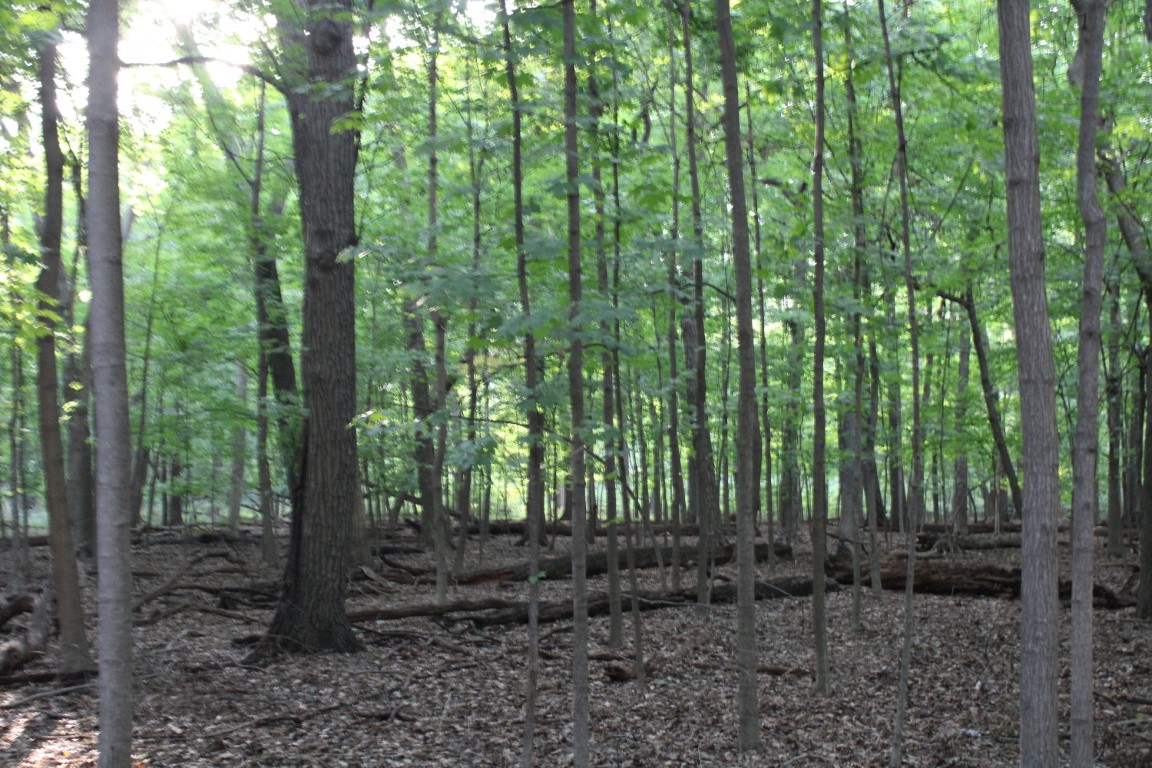
Understory Lore [Tanka]

in a thriving wood,
 sits a barren patch of 
  understory.
 oh what tales locals tell
  about the patch that can't grow!