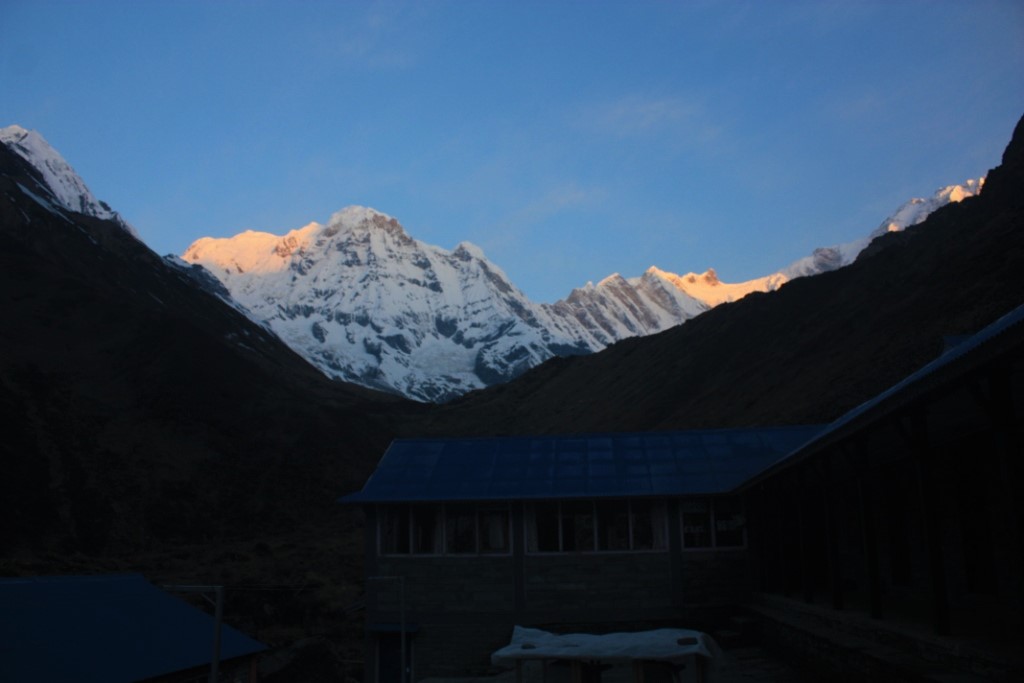
mountain snow:
 tinged orange
  by sunrise.

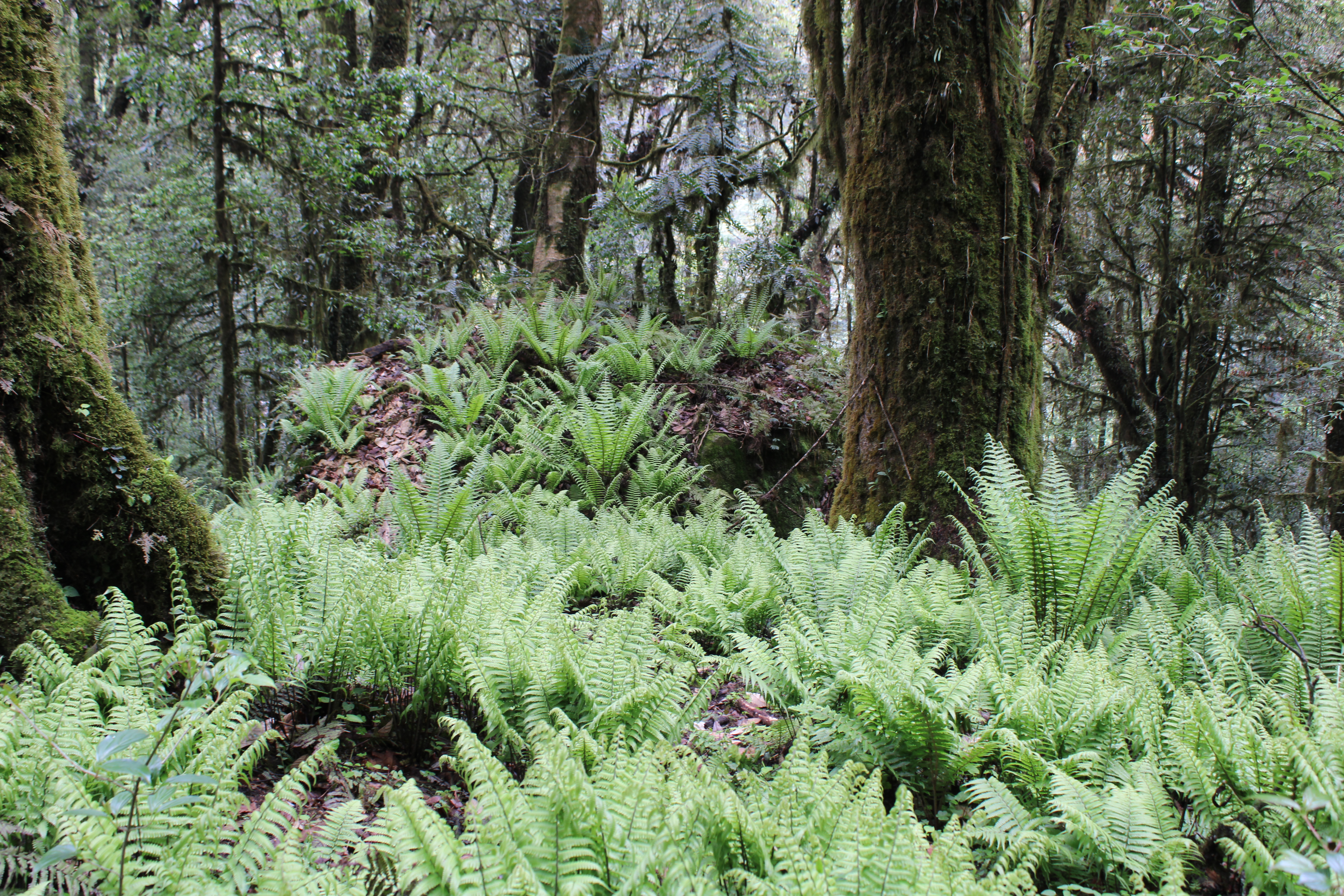
Thou strainest through the mountain fern,
   A most exiguously thin
      Burn.
 For all thy foam, for all thy din,
   Thee shall the pallid lake inurn,
   With well-a-day for Mr. Swin-
      Burne!
 Take then this quarto in thy fin
   And, O thou stoker huge and stern,
   The whole affair, outside and in,
      Burn!
 But save the true poetic kin,
   The works of Mr. Robert Burn'
   And William Wordsworth upon Tin-
      Tern!
Upon the road of my life,
  Passed me many fair creatures,
  Clothed all in white, and radiant.
 To one, finally, I made speech:
   “Who art thou?”
 But she, like the others,
   Kept cowled her face,
   And answered in haste, anxiously,
   “I am good deed, forsooth;
   You have often seen me.”
 “Not uncowled,” I made reply.
   And with rash and strong hand,
   Though she resisted,
   I drew away the veil
   And gazed at the features of vanity.
 She, shamefaced, went on;
   And after I had mused a time,
 I said of myself,
   “Fool!”
My love is in a light attire
     Among the apple trees,
Where the gay winds do most desire
     To run in companies.

There, where the gay winds stay to woo
     The young leaves as they pass,
My love goes slowly, bending to
     Her shadow on the grass.

And where the sky’s a pale blue cup
     Over the laughing land,
My love goes lightly, holding up
     Her dress with dainty hand.
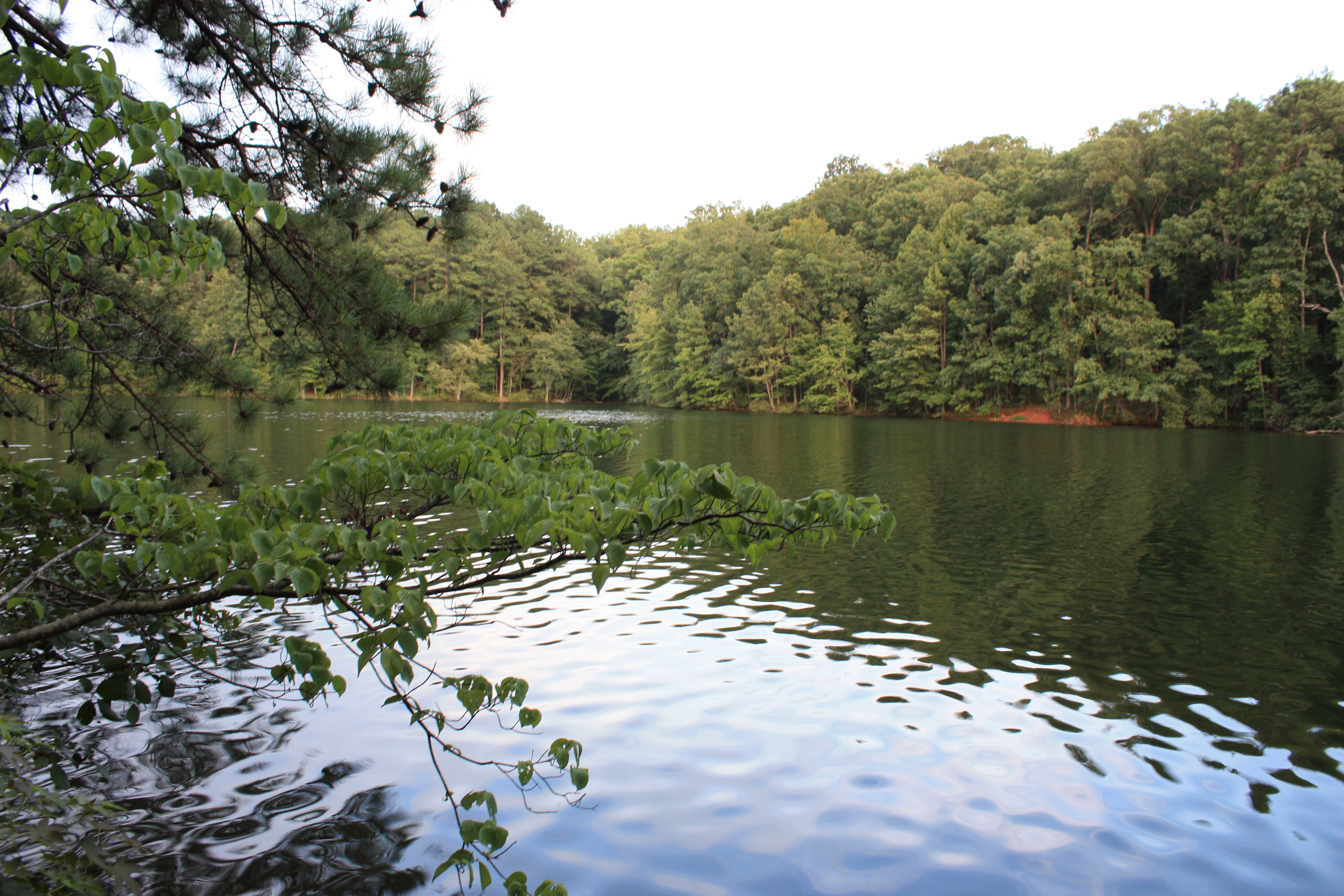
From the outskirts of the town
  Where of old the mile-stone stood,
Now a stranger, looking down
I behold the shadowy crown
  Of the dark and haunted wood.

Is it changed, or am I changed?
  Ah! the oaks are fresh and green,
But the friends with whom I ranged
Through their thickets are estranged
  By the years that intervene.

Bright as ever flows the sea,
  Bright as ever shines the sun,
But alas! they seem to me
Not the sun that used to be,
  Not the tides that used to run.
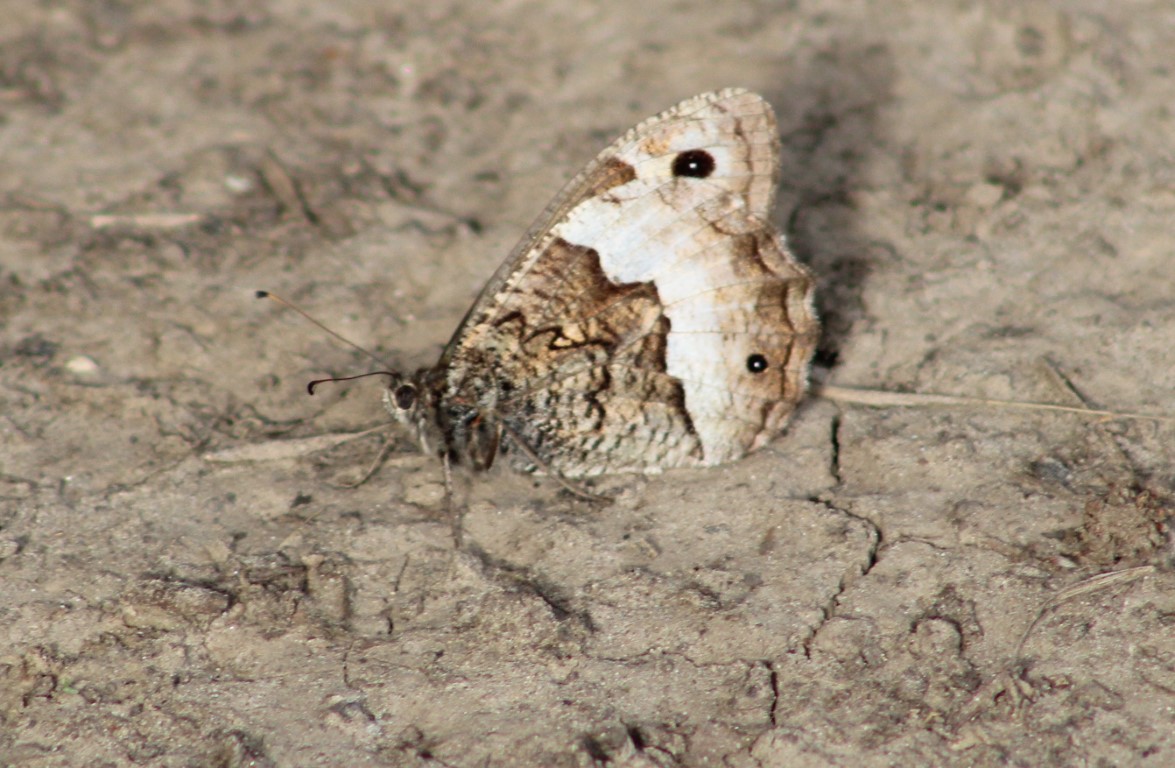
brown moth blends against bare earth,
 'til footfall tremor sends it lurching.
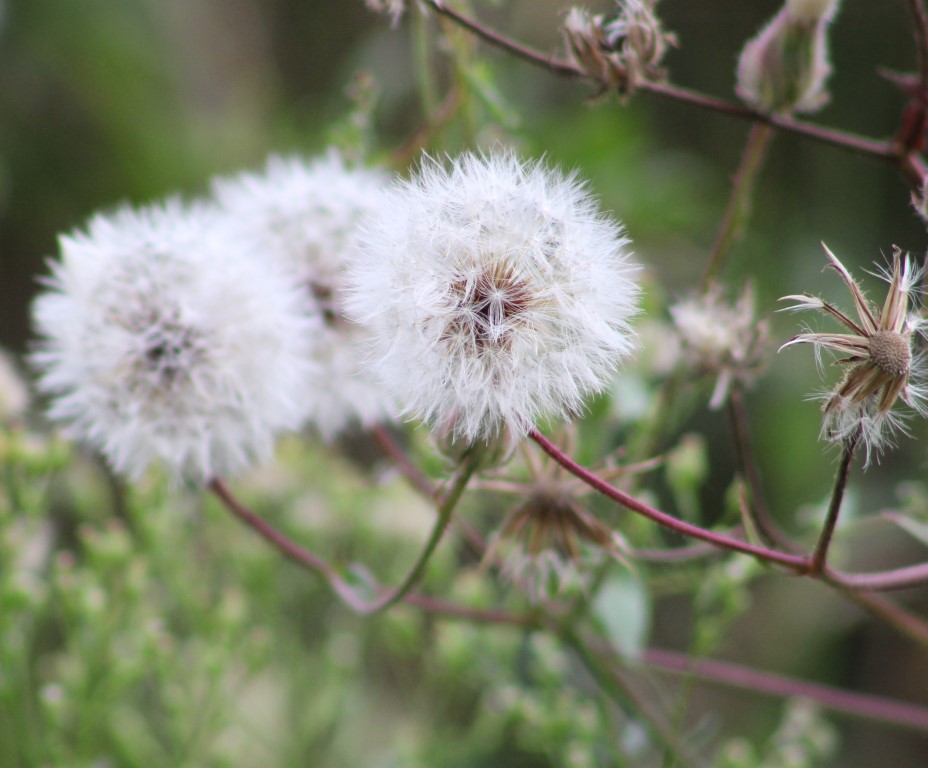
gone to fluff:
 flowers quietly await a
  good, stiff breeze.

When you came, you were like red wine and honey,
 And the taste of you burnt my mouth with its sweetness.
 Now you are like morning bread,
 Smooth and pleasant.
 I hardly taste you at all for I know your savour,
 But I am completely nourished.
Spring rain for days:
 grass is green & thick;
  the mud, soft & thin.
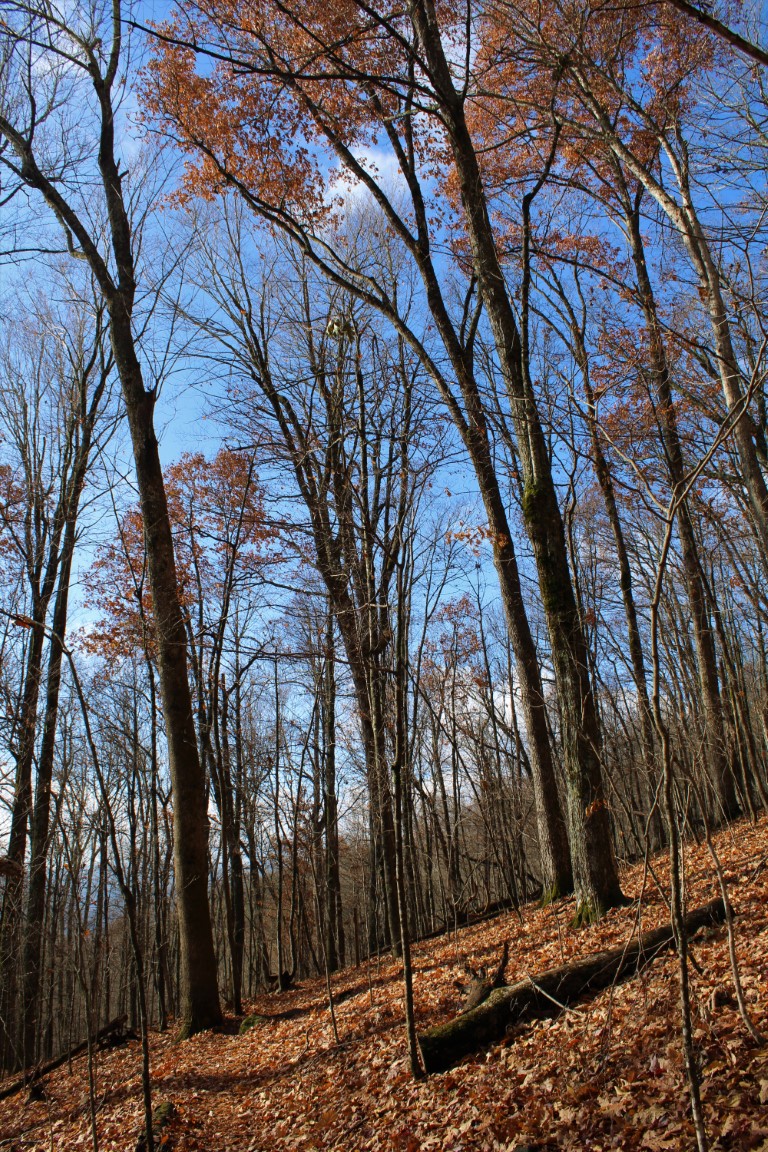
Today, my office is chilly.
   At once, I miss my mountain chum,
 Who bound firewood in the valley,
 Bringing it back to boil white stones.
 I wish I could ladle some wine
   To comfort on this stormy night.
 But fallen leaves fill mountain hollows,
 How could I find a track to follow?
This is poem #29 from the 300 Tang Poems [唐诗三百首], entitled 寄全椒山中道士. The original poem in Simplified Chinese is:
今朝郡斋冷, 忽念山中客;
涧底束荆薪, 归来煮白石。
 欲持一瓢酒, 远慰风雨夕。
 落叶满空山, 何处寻行迹?


 Tiger Riding for Beginners