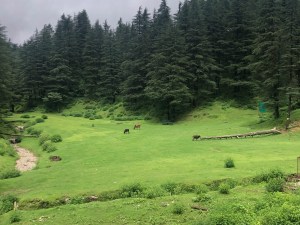
cattle graze,
 in an alpine meadow,
  under giant pines.


clouds retreat,
 revealing a new mountain, then...
  vanish it again.
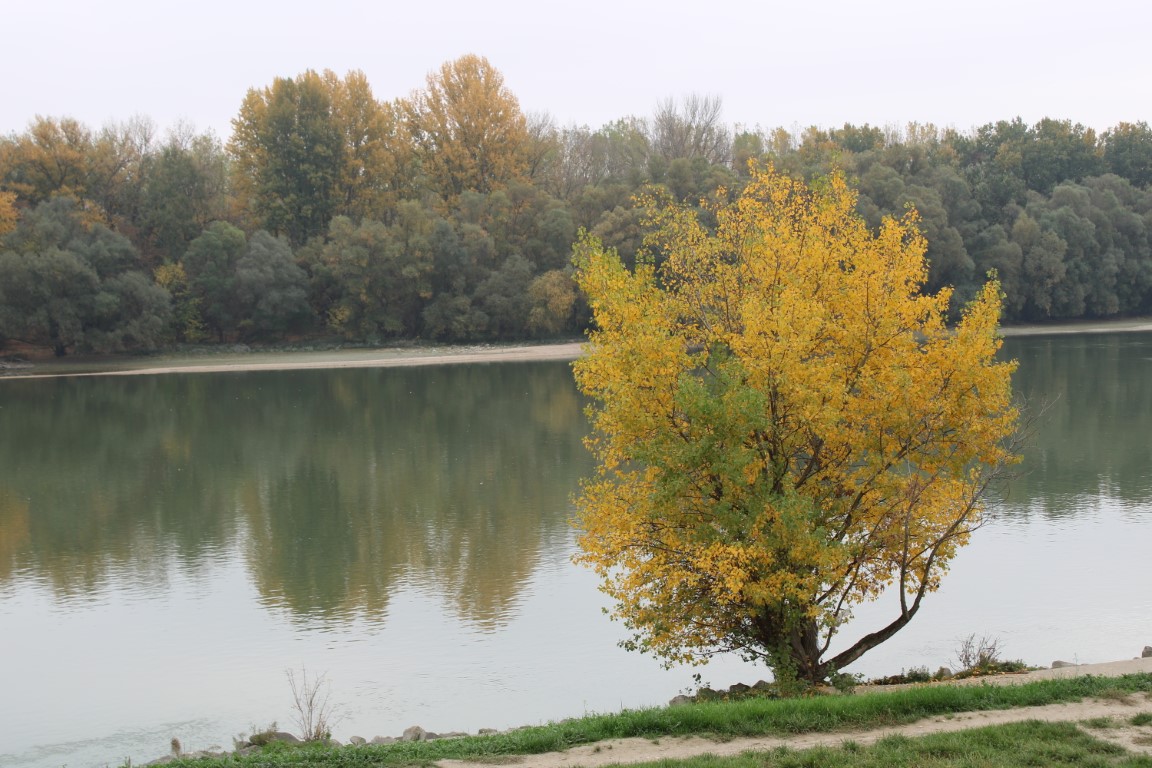
riverside tree:
 shows gold to the outside;
  its core, still green.
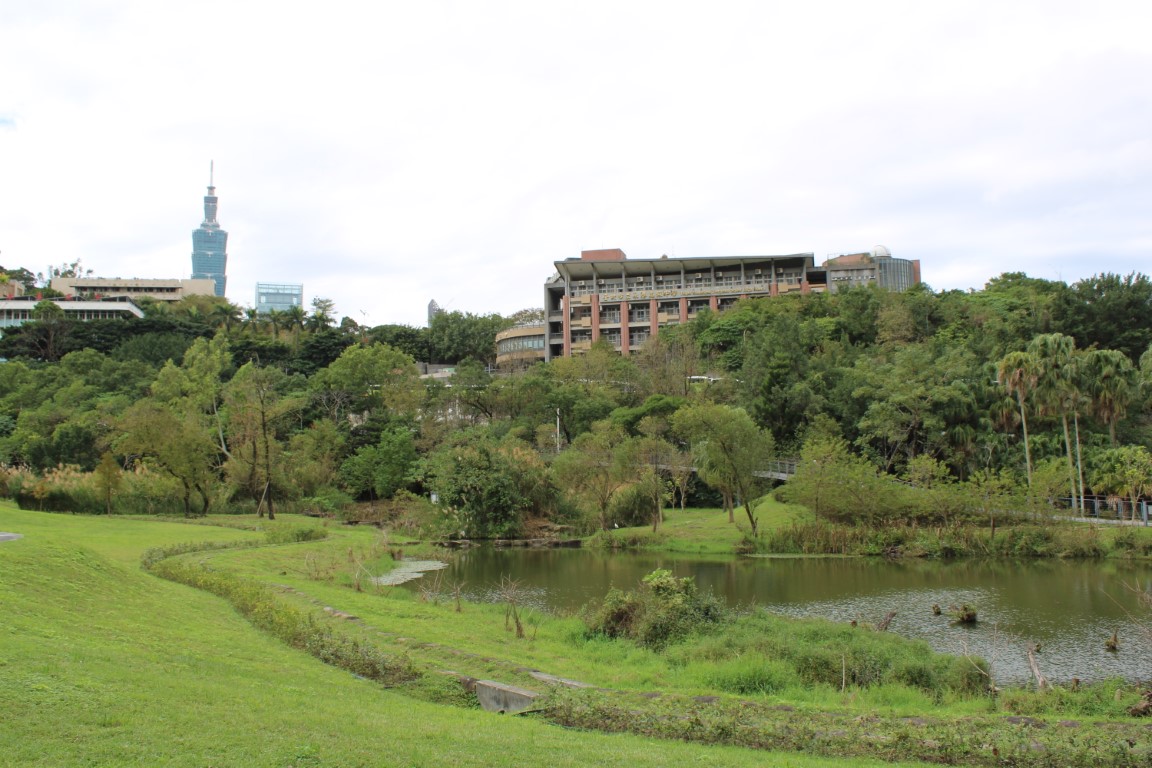
Parks and ponds are good by day;
   I do not delight
   In black acres of the night,
 Nor my unseasoned step disturbs
 The sleeps of trees or dreams of herbs.
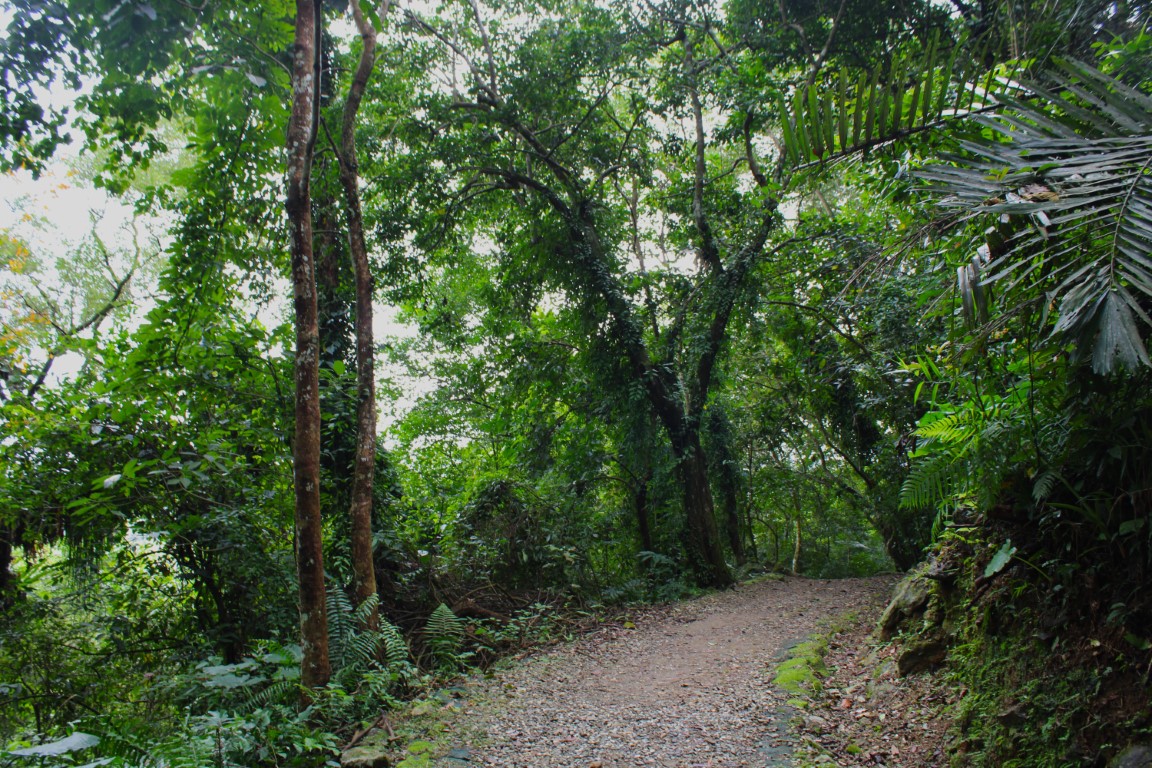
As I walk through the woods,
   I flow through something
      As it flows around & against me...

   -- Like a slipknot --

I don't know what it is.
   I just feel the slightest of drags
   As I feel the greatest of exhilarations.

The drag is subtle...

   -- Like a slipknot --

What it is in me that slips past
   Whatever it is in nature --
      I don't know.

But I know there is an interaction,
   Of sorts,
      Like a free end through a noose...

   -- Like a slipknot --
If I’m being entirely honest, everything that’s come out of this enterprise has been of selfish motive — even those activities that seem like they have broader purpose. For example, I started book reviewing because: a.) I found it disheartening how many books I read that I had virtually no recollection of a couple years down the line, and b.) because, while I felt I knew good writing when I read it, I couldn’t really say what it was that made it good or bad without taking a more analytical look into the matter. (And I was pretty sure good writing wouldn’t come to me osmotically — merely by reading good writing — if I didn’t understand why it was good writing.)
I started recording classic poems to get a better sense of the sound quality of well-crafted poetry (and to become more comfortable with the sound of my own voice.)
I guess the honest answer is that I hope to be smarter and more capable as a result of the practice. It is continuing education, a fostering of the Beginner’s Mind.
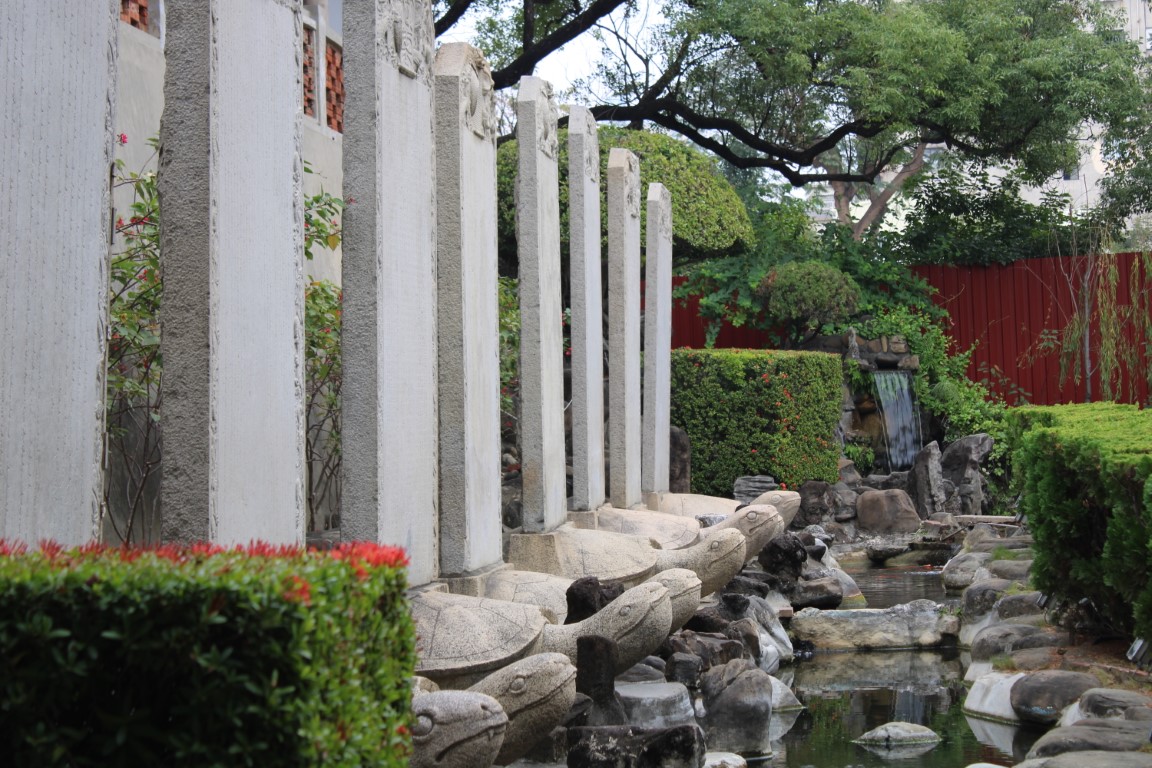
View flowers like a bandit;
  Let nature flow through you,
  Breathing in the Great Way
  As you let your crazy brew.
 Wander like the free winds --
  Sea and mountain in gray-blue.
  Feel true power overflow,
  As all nature lives through you.
 Before: sun, moon, and stars;
  Behind: the one from two.
  By dawn, sea turtles have gone,
  Soak your feet where they withdrew.
NOTE: The late Tang Dynasty poet, Sikong Tu (a.k.a. Ssŭ-k‘ung T‘u,) wrote an ars poetica entitled Twenty-Four Styles of Poetry. It presents twenty-four poems that are each in a different tone, reflecting varied concepts from Taoist philosophy and aesthetics. Above is a crude translation of the eleventh of the twenty-four poems. This poem’s Chinese title is 豪放, which has been translated to “Free,” “Set Free,” and “Broad-minded” in various English language translations.
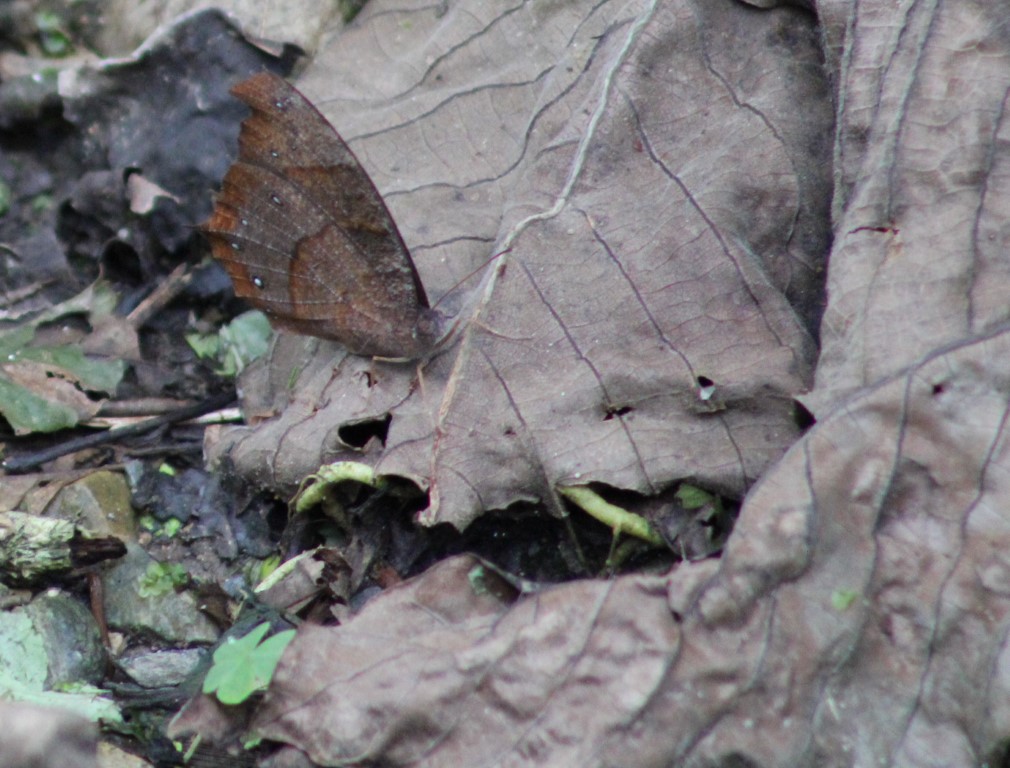
a Dark Evening Brown
 flits about the woods on a
  bright morning, Brown.
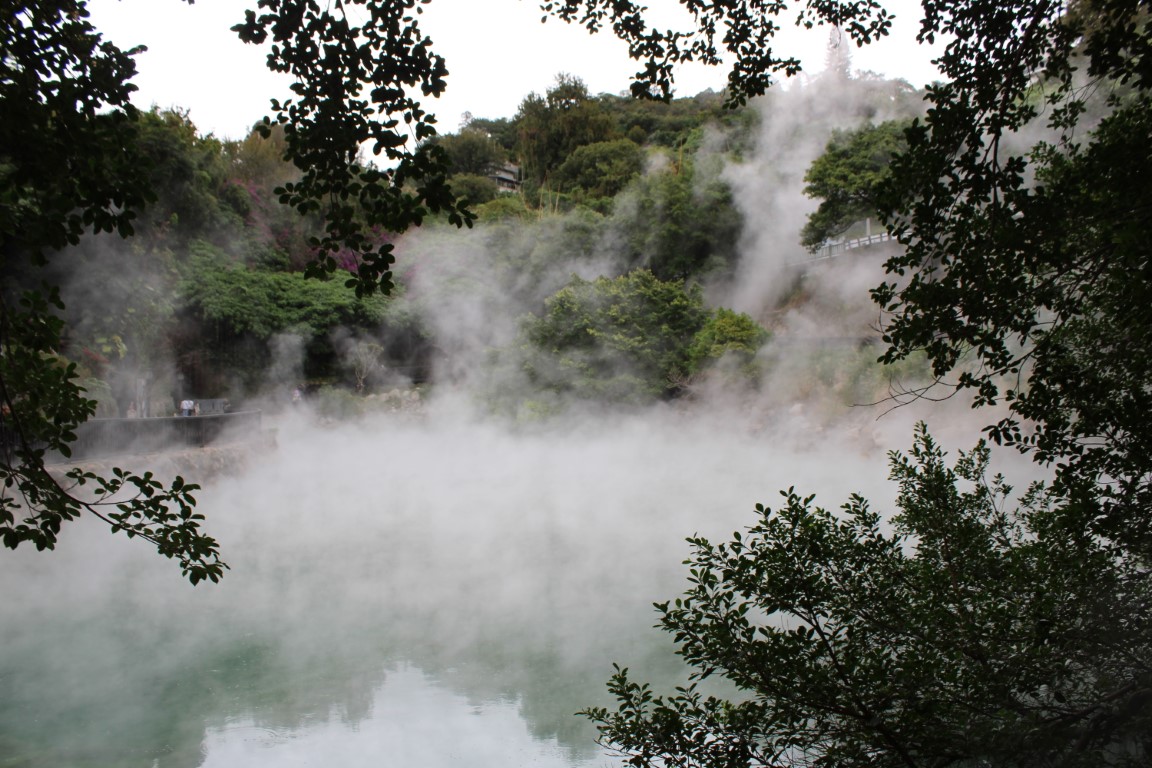
macaques heard,
 but not seen, amid the fog
  of Winter hot springs.
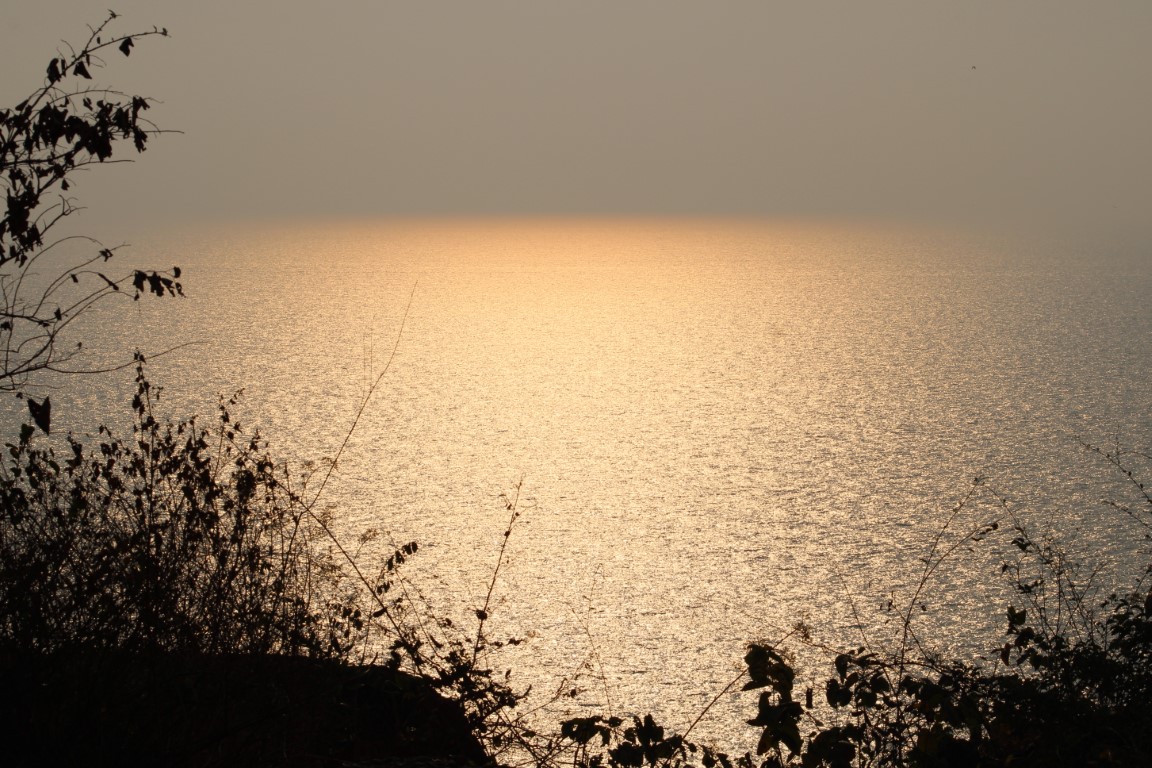
I saw a man pursuing the horizon;
 Round and round they sped.
 I was disturbed at this;
 I accosted the man.
 "It is futile," I said,
 "You can never ---"

"You lie," he cried,
 And ran on.


 Tiger Riding for Beginners