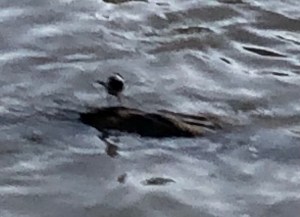
a little bird,
 on a bit of driftwood,
  speeds downriver
 in the dusky, fading light.
 doesn’t it know it can fly?

a little bird,
on a bit of driftwood,
speeds downriver
in the dusky, fading light.
doesn’t it know it can fly?

Countless pieces of hate
   Tumble through our days,
   Clogging up our Flow --

Tiny bites of thought
   Pit us against
   Imagined adversaries...

But aren't all adversaries
   Imagined adversaries?

 Those who act badly against us
   Are only adversaries
   If we slide them into that
   Mental basket.
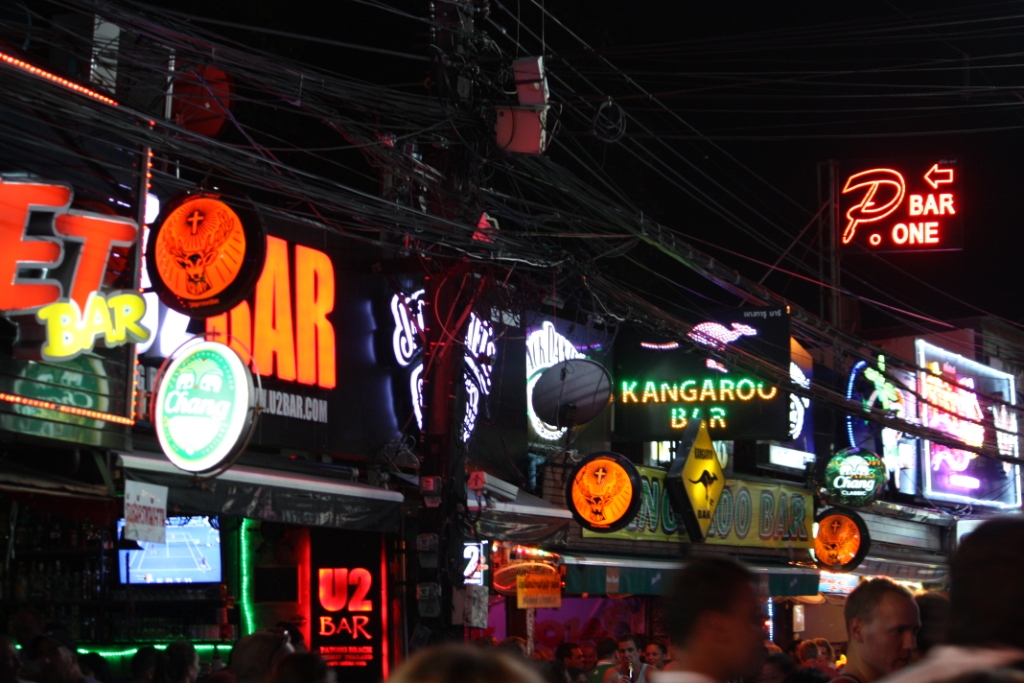
Wild nights -- Wild nights!
   Were I with thee
 Wild nights should be
   Our luxury!

Futile -- the winds --
   To a Heart in port --
 Done with the Compass --
 Done with the Chart!

Rowing in Eden --
    Ah -- the Sea!
 Might I but moor - tonight -
 In thee!

a pond in summer:
 ducks look like wooden toys,
  drifting leisurely.
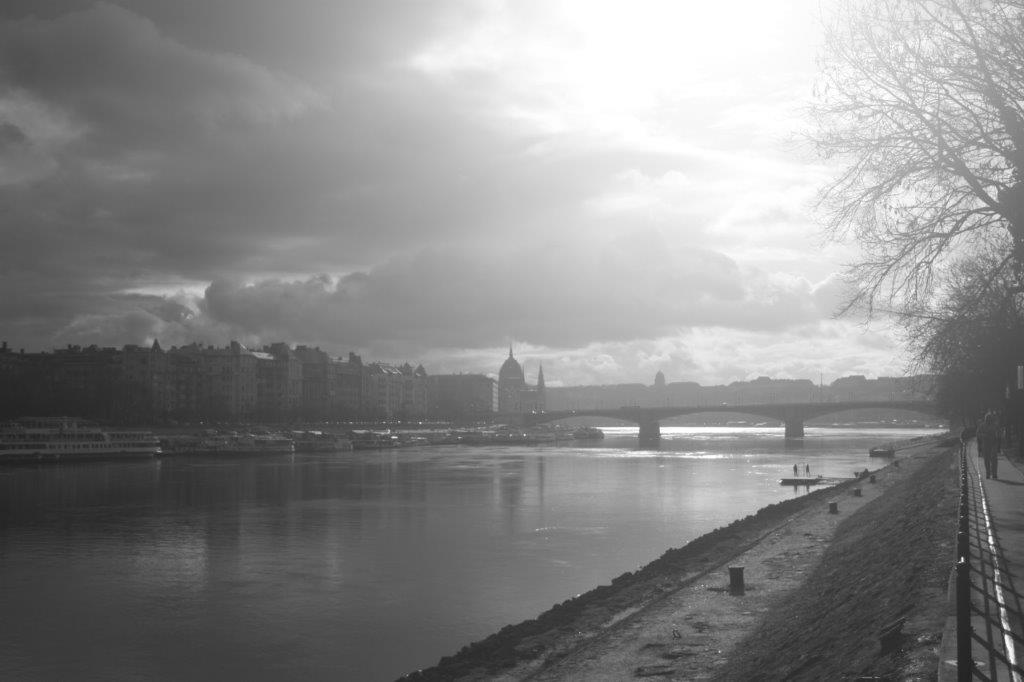
One bitter winter afternoon --
   Locked under skies so low and gray --
 The city slowed in cold cocoon
   As what verve remained slid away.

And then the clouds, they broke apart,
   And frozen souls began to thaw.
 But some needed not the sun's kickstart
   To free themselves of winter's maw.

What was their secret? I wish I knew.
   To be happy sans the skies of blue.

My mistress' eyes are nothing like the sun;
 Coral is far more red than her lips' red;
 If snow be white, why then her breasts are dun;
 If hairs be wires, black wires grow on her head.
I have seen roses damasked, red and white,
 But no such roses see I in her cheeks;
 And in some perfumes there is more delight
 Than in the breath that from my mistress reeks.
I love to hear her speak, yet well I know
 That music hath a far more pleasing sound;
 I grant I never saw a goddess go;
 My mistress, when she walks, treads on the ground.
   And yet, by heaven, I think my love as rare
   As any she belied with false compare.
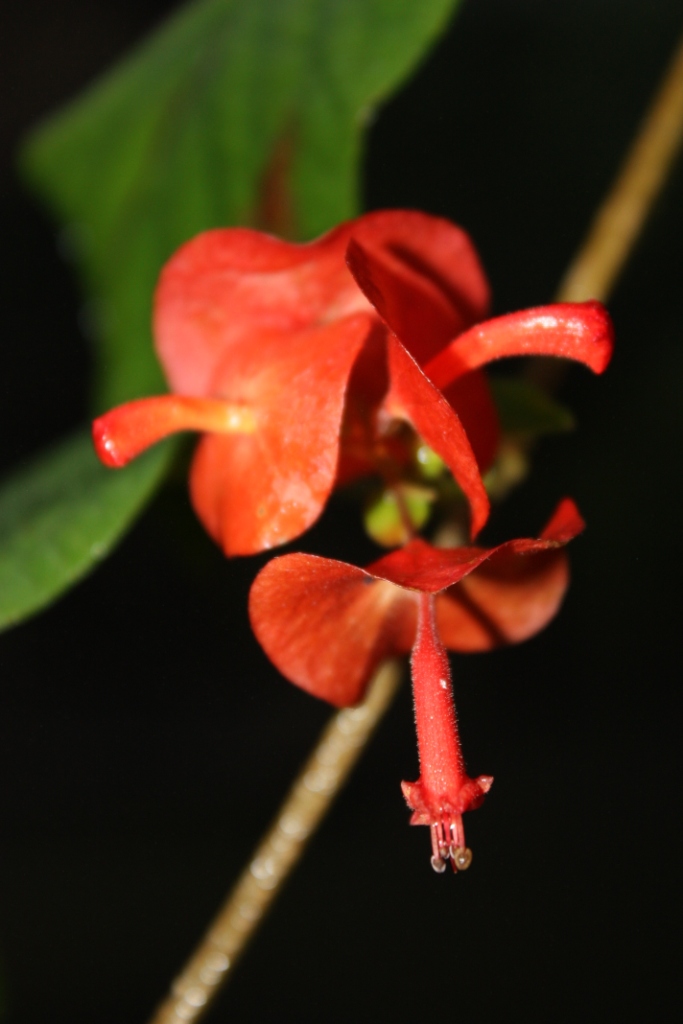
The building blocks of everything --
   Too fine to feel or see or smell --
 Dance their way into hardened shapes
   Via forces, invisible.
 And so water flows, flowers bud,
   But - also - dew evaporates.
 This expansive path stretches on --
   It's slow-going through dark lands.
 It can't be spoken of smartly.
 It can't be pondered fruitfully.
 It's Early Spring green in sunlight,
   Or like the snow seen by moonlight.
NOTE: The late Tang Dynasty poet, Sikong Tu (a.k.a. Ssŭ-k‘ung T‘u,) wrote an ars poetica entitled Twenty-Four Styles of Poetry. It presents twenty-four poems that are each in a different tone, reflecting varied concepts from Taoist philosophy and aesthetics. Above is a translation of the fourteenth of the twenty-four poems. Translated titles vary: Giles calls it “Close Woven” and others have titled it, “Fine.”

I can see the Bible stories
   writ in these skies
   as I pass through
   ancient parts.

Slant shafts of light spill
   through the clouds,
   angling toward some
   blessed soul.

I can see distant clouds --
   fringed in curls --
   as if painted upon
   a cathedral ceiling.

Clouds that display the depth
   of an artist's skill and
   eye for perspective,
   but not true depth.
   (They seem too distant for that;
      they're too real to be real.)

And I look up again out of the window
   and am blinded by light
   that has pierced thick clouds,
   and I wonder whether anyone is
   seeing this light shaft bless me.

This darksome burn, horseback brown,
 His rollback highroad roaring down,
 In coop and in comb the fleece of his foam
 Flutes and low to the lake falls home.

A windpuff-bonnet of fawn-froth
 Turns and twindles over the broth
 Of a pool so pitchblack, fell frowning,
 It rounds and rounds Despair and drowning.

Degged with dew, dappled with dew
 Are the groins of the braes that the brook threads through.
 Wiry heathpacks, flitches of fern,
 And the beadbonny ash that sits over the burn.

What would the world be, once bereft
 Of wet and of wildness? Let them be left,
 O let them be left, wildness and wet;
 Long live the weeds and the wilderness yet.


 Tiger Riding for Beginners