I counted till they danced so
   Their slippers leaped the town --
 And then I took a pencil
   To note the rebels down --
 And then they grew so jolly
   I did resign the prig --
 And ten of my once stately toes
   Are marshalled for a jig!
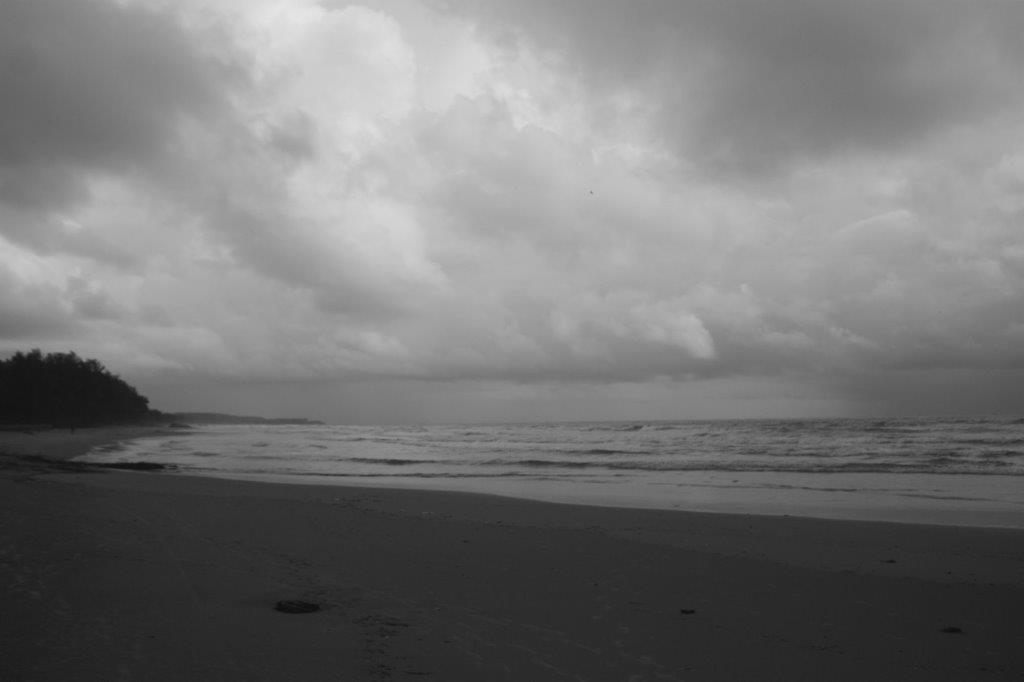
It was many and many a year ago,
   In a kingdom by the sea,
 That a maiden there lived whom you may know
   By the name of Annabel Lee;
 And this maiden she lived with no other thought
   Than to love and be loved by me.

I was a child and she was a child,
   In this kingdom by the sea,
 But we loved with a love that was more than love --
   I and my Annabel Lee --
 With a love that the winged seraphs of Heaven
   Coveted her and me.

And this was the reason that, long ago,
   In this kingdom by the sea,
A wind blew out of a cloud, chilling
   My beautiful Annabel Lee;
So that her highborn kinsman came
   And bore her away from me,
 To shut her up in a sepulchre
    In this kingdom by the sea.

The angels, not half so happy in Heaven,
   Went envying her and me ---
 Yes! -- that was the reason (as all men know,
   In this kingdom by the sea)
 That the wind came out of the cloud by night,
   Chilling and killing my Annabel Lee.

But our love it was stronger by far than the love
   Of those who were older than we --
   Of many far wiser than we --
 And neither the angels in Heaven above
   Nor the demons down under the sea
 Can ever dissever my soul from the soul
   Of the beautiful Annabel Lee;

For the moon never beams, without bringing me dreams
   Of the beautiful Annabel Lee;
 And the stars never rise, but I feel the bright eyes
   Of the beautiful Annabel Lee;
 And so, all the night-tide, I lie down by the side
   Of my darling -- my darling -- my life and my bride,
   In her sepulchre there by the sea --
   In her tomb by the sounding sea.
Some say they miss days of wonder,
   But I think I see their blunder.
 Those thrilling days, they never left;
   It's something of one's soul, bereft.
 That fatal flaw of lacking awe
   Is from not seeing, cause you saw.
Clear eyes, beneath clear brows, gaze out at me,
 Clear, true and lovely things therein I see;
 Yet mystery, past ev'n naming, takes their place
 As mine stay pondering on that much-loved face.