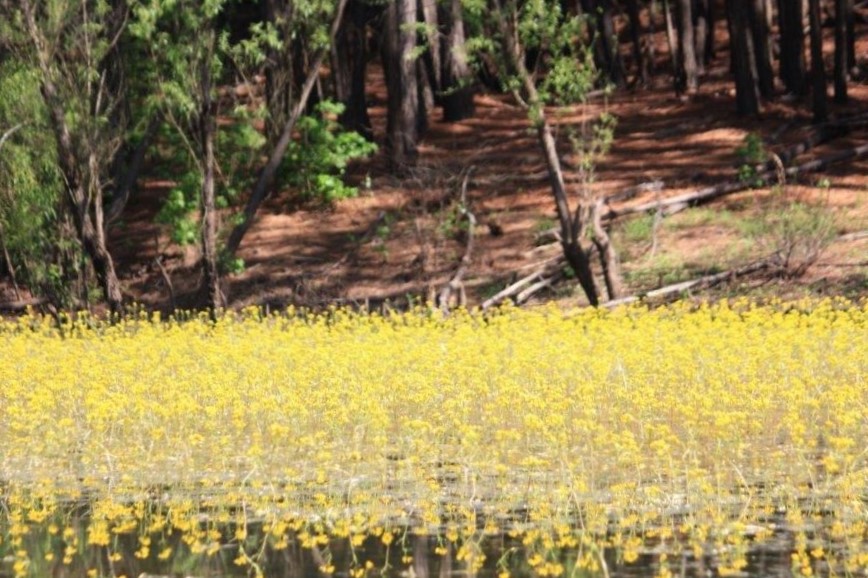
old pond,
 a frog jumps:
  "plop-splash!"
Original: 古池や蛙飛びこむ水の音; Romanized: furu ike ya kawazu tobikomu mizu no oto

old pond, a frog jumps: "plop-splash!"
Original: 古池や蛙飛びこむ水の音; Romanized: furu ike ya kawazu tobikomu mizu no oto
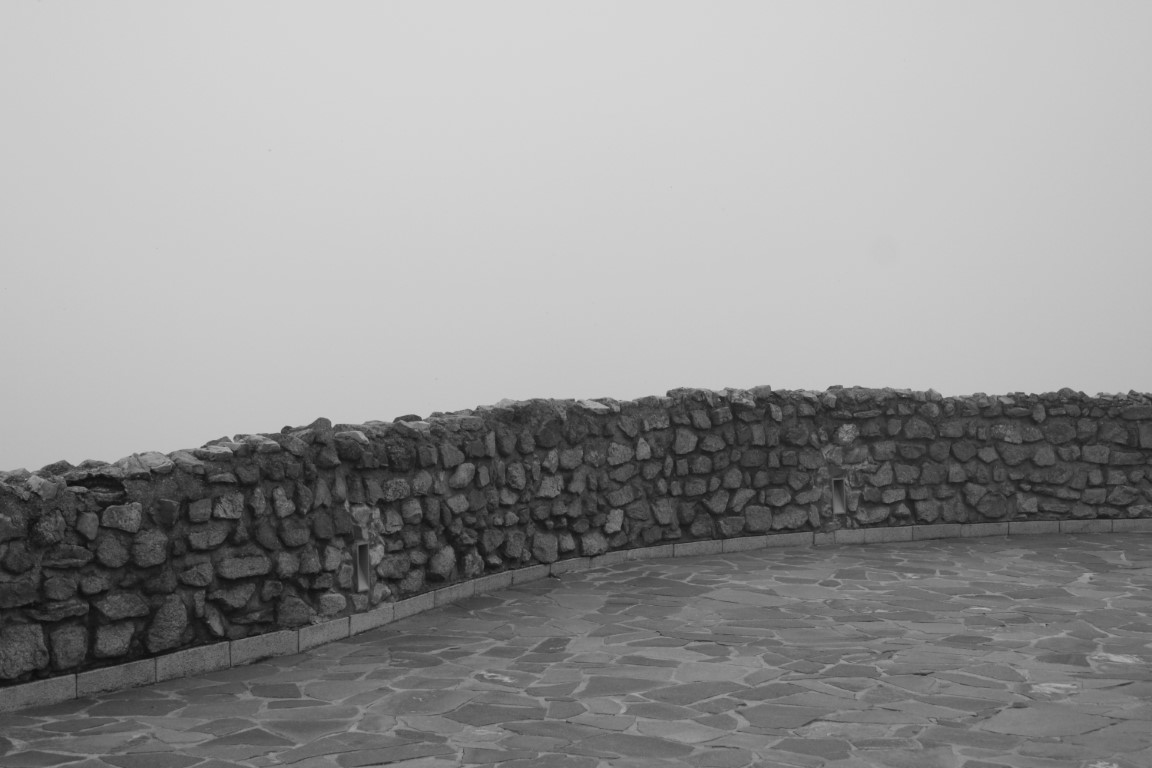
The fog comes
 on little cat feet.

It sits looking
 over harbor and city
  on silent haunches
 and then moves on.
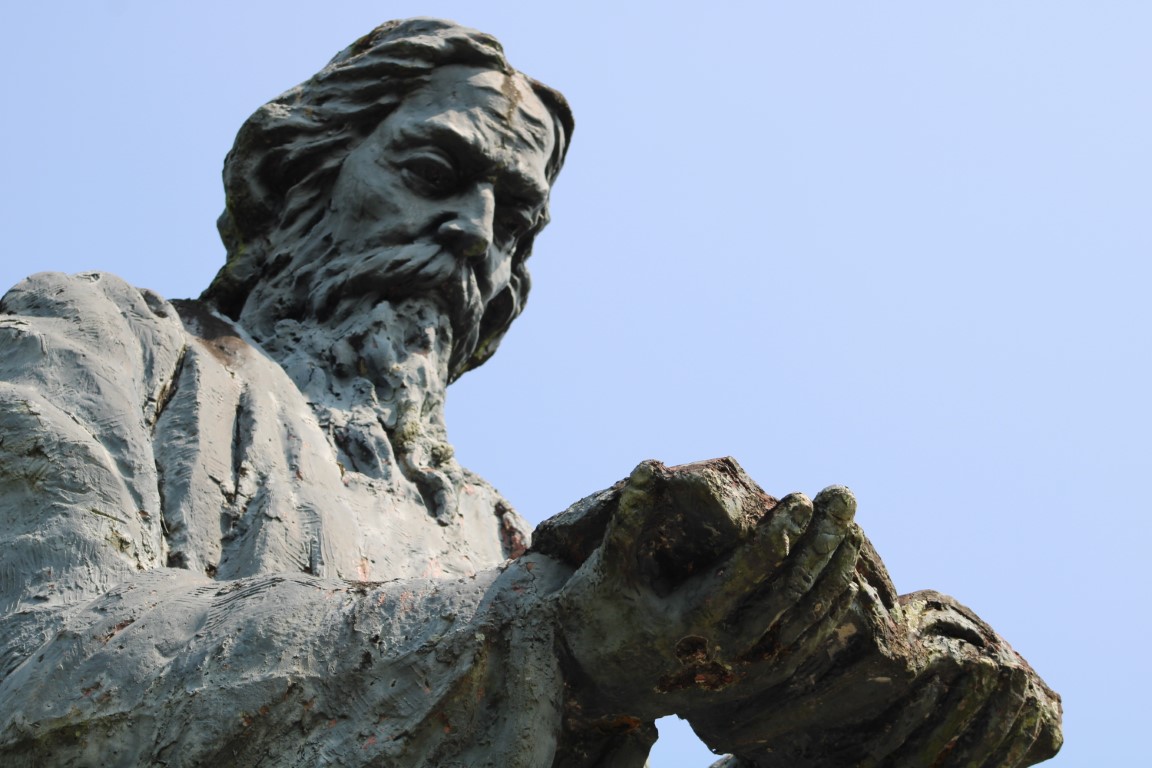
CHILD, how happy you are sitting in the dust, playing with a broken twig all the morning.

 I smile at your play with that little bit of a broken twig.

 I am busy with my accounts, adding up figures by the hour.

 Perhaps you glance at me and think, "What a stupid game to spoil your morning with!"

 Child, I have forgotten the art of being absorbed in sticks and mud-pies.

 I seek out costly playthings, and gather lumps of gold and silver.

 With whatever you find you create your glad games, I spend both my time and my strength over things I never can obtain.

 In my frail canoe I struggle to cross the sea of desire, and forget that I too am playing a game.
![The Crescent Moon : Poems and Stories [Paperback] [Jan 01, 2017] Rabindranath Tagore](https://i.gr-assets.com/images/S/compressed.photo.goodreads.com/books/1517041908l/38215485._SX98_.jpg) The Crescent Moon : Poems and Stories [Paperback] [Jan 01, 2017] Rabindranath Tagore by Rabindranath Tagore
The Crescent Moon : Poems and Stories [Paperback] [Jan 01, 2017] Rabindranath Tagore by Rabindranath Tagore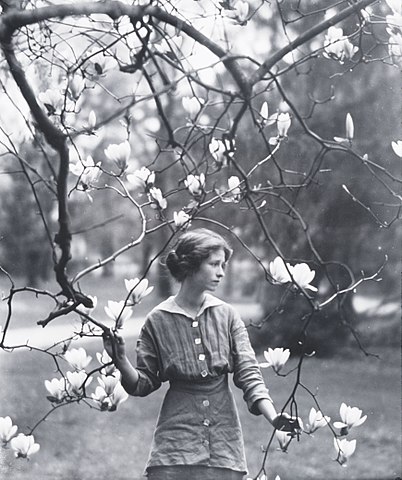
What lips my lips have kissed, and where, and why
   I have forgotten, and what arms have lain
 Under my head till morning; but the rain
   Is full of ghosts tonight, that tap and sigh
 Upon the glass and listen for reply,
   And in my heart there stirs a quiet pain
 For unremembered lads that not again
   Will turn to me at midnight with a cry.

Thus in the winter stands the lonely tree,
   Nor knows what birds have vanished one by one,
 Yet knows its boughs more silent than before:
   I cannot say what loves have come and gone,
 I only know that summer sang in me
   A little while, that in me sings no more.

Turning and turning in the widening gyre
   The falcon cannot hear the falconer;
 Things fall apart; the centre cannot hold;
   Mere anarchy is loosed upon the world,
 The blood-dimmed tide is loosed, and everywhere
   The ceremony of innocence is drowned;
 The best lack all conviction, while the worst
   Are full of passionate intensity.

Surely some revelation is at hand;
   Surely the Second Coming is at hand.
 The Second Coming! Hardly are those words out
   When a vast image out of Spiritus Mundi
 Troubles my sight: somewhere in sands of the desert
   A shape with lion body and the head of a man,
 A gaze blank and pitiless as the sun,
   Is moving its slow thighs, while all about it
 Reel shadows of the indignant desert birds.
   The darkness drops again; but now I know
 That twenty centuries of stony sleep
   Were vexed to nightmare by a rocking cradle,
 And what rough beast, its hour come round at last,
   Slouches toward Bethlehem to be born?
 The Importance of Being Earnest by Oscar Wilde
I dwell in Possibility --
   A fairer House than Prose --
 More numerous of Windows --
   Superior -- for doors --

Of Chambers as the Cedars --
   Impregnable of eye --
 And for an everlasting Roof
   The Gambrels of the Sky --

Of Visitors -- the fairest --
   For Occupation -- This --
 The spreading wide of my narrow Hands
   To gather Paradise --
Shall I compare thee to a summer's day?
   Thou art more lovely and more temperate:
 Rough winds do shake the darling buds of May,
   And summer's lease hath all too short a date:
 Sometimes too hot the eye of heaven shines,
   And often is his gold complexion dimm'd:
 And every fair from fair sometime declines,
   By chance, or nature's changing course untrimm'd;
 But thy eternal summer shall not fade,
   Nor lose possession of that fair thou ow'st,
 Nor shall death brag thou wander'st in his shade,
   When in eternal lines to time thou grow'st;

   So long as men can breathe, or eyes can see,
   So long lives this, and this gives life to thee.

The truth is rarely pure and never simple. Modern life would be very tedious if it were either, and modern literature, a complete impossibility!
Algernon
Oh! it is absurd to have a hard and fast rule about what one should read and what one shouldn’t. More than half of modern culture depends upon what one shouldn’t read.
ALgernon
It is awfully hard work doing nothing. However, I don’t mind hard work where there is no definite object of any kind.
Algernon
One has a right to Bunbury anywhere one chooses. Every serious Bunburyist knows that.
Algernon; [fyi: “Bunburying” is the use of appointments with ficticious individuals to get out of one’s duties and obligations.]
One should always eat muffins quite calmly.
Algernon


