Lake Ice [Lyric Poem]

Sun-sparkles on the lake’s far end
look icy cool beneath blue skies,
but Winter shivers, I suspend,
because late Spring is telling lies.
River Vision [Free Verse]

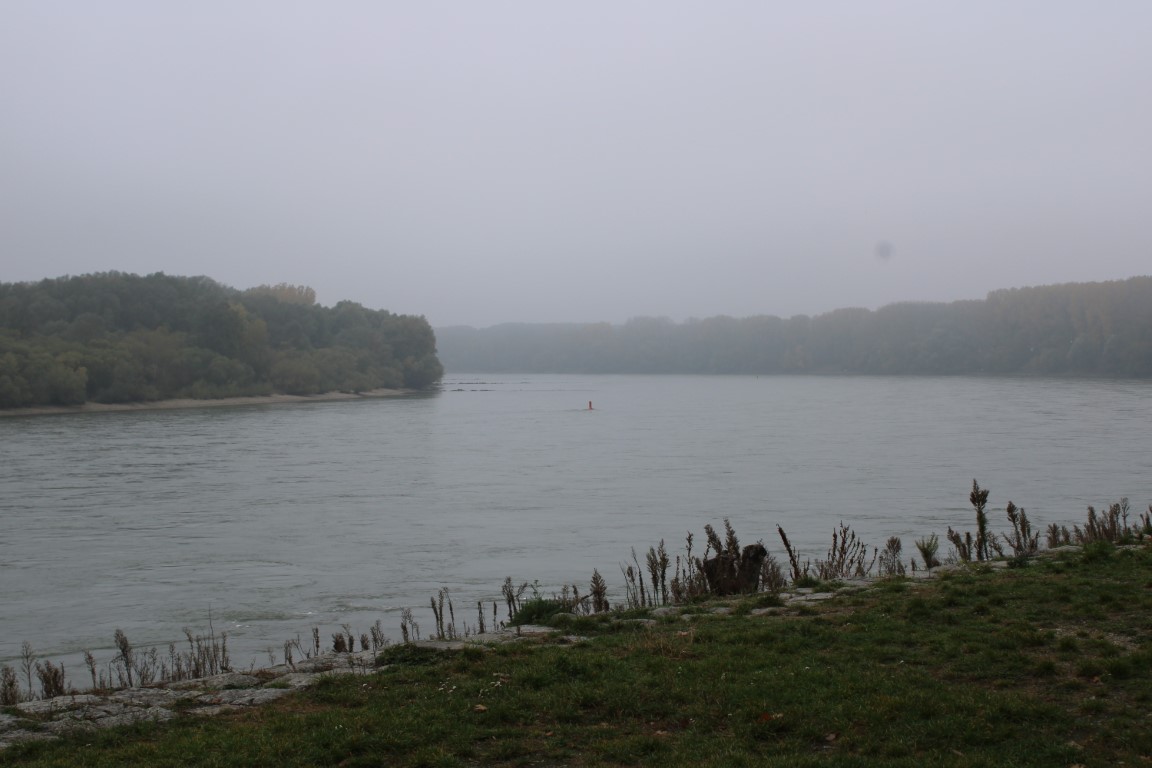
in a flat, wide river:
something juts up
from the water --
far in the distance

for an instant,
i startle:
seeing it as an
extended arm...

like that Stevie Smith
poem, but i discover
it's neither waving,
nor drowning, but
merely protruding...

a dead limb
stuck in the river,
drag & pull balanced,
waiting to be
carried away.

PROMPT: Legacy

Daily writing prompt
What is the legacy you want to leave behind?

If “legacy” is defined as something left behind that serves to keep one’s memory alive, then I don’t. I think that goal is futile, illusory, and a bit narcissistic. Even those who are “remembered” long after their deaths are not truly remembered. For example, the Alexander the Great who is remembered to this day likely bears little resemblance to the one who was flesh and blood. What we remember are products of imagination. [Which is fine, but then why tie them to people who lived as opposed to purely fictional ones?]

If I could leave behind some configuration of knowledge of the art of human living that would be helpful to anyone (without it being tied to my identity or memory) that would be a fine thing.
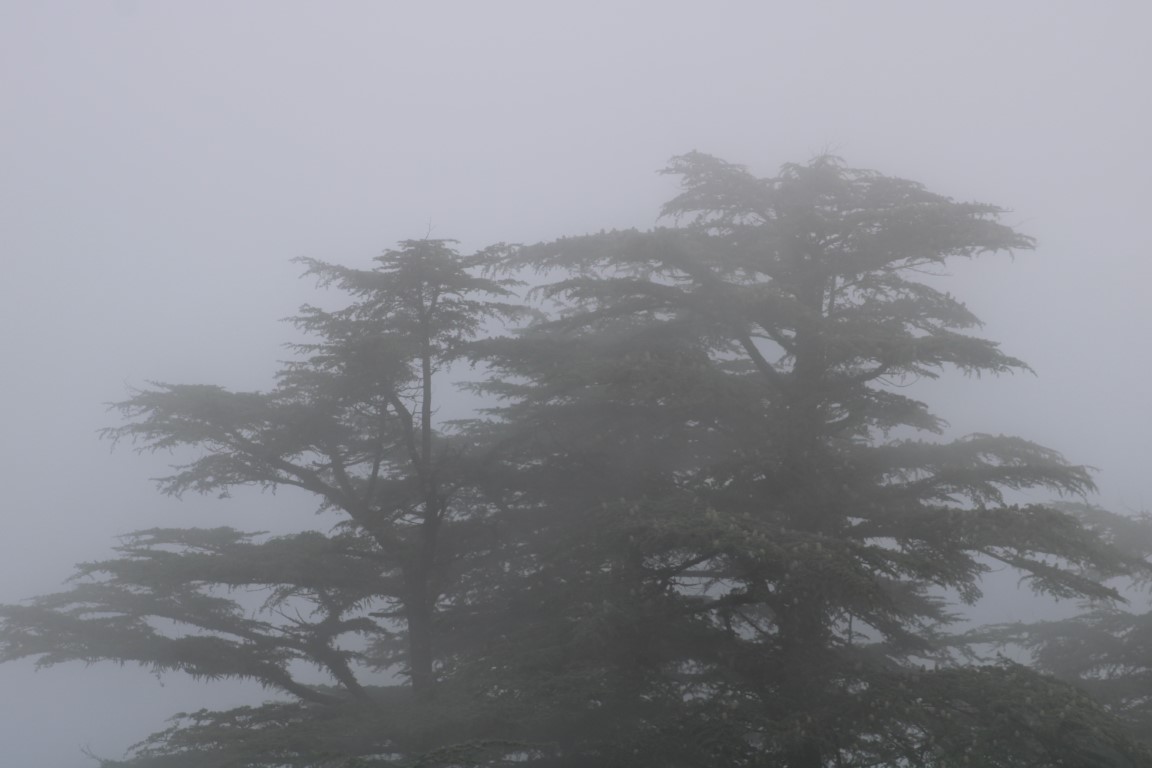
Foggy Morning [Senryū]

foggy morning:
a figure approaches...
nope, just a shrub!
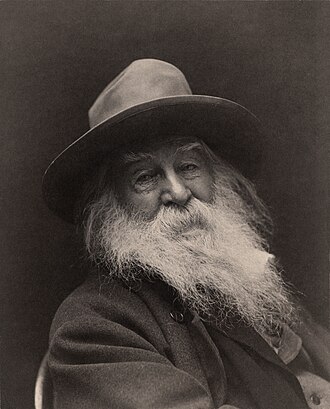
“Are you the new person drawn toward me?” by Walt Whitman [w/ Audio]

Are you the new person drawn toward me?
To begin with, take warning, I am surely far
different from what you suppose;
Do you suppose you will find in me your
ideal?
Do you think it so easy to have me become
your lover?
Do you think the friendship of me would
be unalloy'd satisfaction?
Do you think I am trusty and faithful?
Do you see no further than this facade,
this smooth and tolerant manner of me?
Do you suppose yourself advancing on real
ground toward a real heroic man?
Have you no thought, O dreamer, that is
may be all maya, illusion?
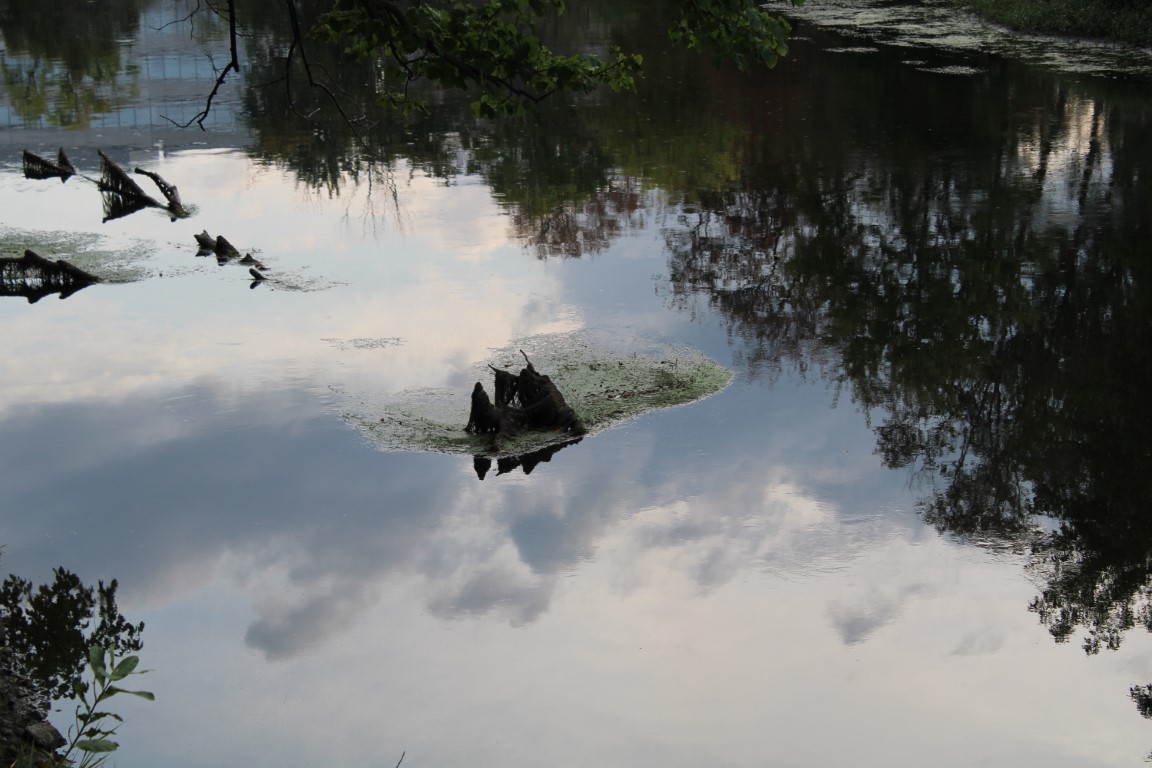
Dead Tree Stillness [Haiku]

clouds drift upon
mirror clear waters;
dead tree stillness.

Coastal Wetlands [Haiku]

those flat wetlands
 might stretch out for miles,
  or, maybe, inches?

Driftwood Deception [Tanka]

nestled between rocks
the smooth-worn driftwood roots
assume the form
of a pile of writhing snakes,
'til the mind untangles truth

BOOK REVIEW: Here Is Real Magic by Nate Staniforth

Here Is Real Magic: A Magician's Search for Wonder in the Modern WorldHere Is Real Magic: A Magician’s Search for Wonder in the Modern World by Nate Staniforth
My rating: 4 of 5 stars

Amazon page


When stage magician, Nate Staniforth, becomes disillusioned with traveling around America performing magic tricks on college campuses — and the distinct lack of wonder that it entails, he packs his bags and flies to India to explore the centuries old magic traditions of the subcontinent. Part memoir and part travelogue, the first part explores how Staniforth got into magic and his struggle to achieve everything he always wanted, i.e. the ability to make a living performing magic – a desire far more would-be magicians have than the market will support. However, he finds a disjoint between the feeling of wonder and surprise that made him love magic and what he witnesses in the audience night after night – which include a heaping mix of indifference, skepticism, hostility, and even the occasional pious fear that he is dabbling in dark arts.

In India, he finds a mix of some of the same but also some very different perspectives on magic. One the one hand, he learns that magic tricks aren’t just a good way to break the ice with strangers, but also a means to bridge cultural divides. Sleight of hand doesn’t require perfect communication to build bonds between people. As he travels from Kolkata to Varanasi to Rishikesh to Hardiwar to Delhi to Jodhpur, he shares magic tricks with young and old alike, as well as getting to witness some of India’s magic. The highlight of the trip is when he meets with a family of street magicians from Shadipur Depot slum in Delhi, and can at last exchange ideas and learn about their long lineage as illusionists.

However, Staniforth also finds many Indians who are hostile toward the practice of illusions and magic tricks. To understand this hostility, one must know that historically “godmen” who used illusion and sleight of hand to convince individuals of their divinity were more common than those who practiced it as entertainers. This resulted in a couple different types of hostile witness to magic in India. On the one hand, there is the scientifically-minded individual who is distraught by the image of India as a land of superstition and naively pious followers. (A war on superstition in India probably made it harder to research this book because doing street magic is largely prohibited because of the history of duping people for personal gain.) On the other hand, there are those who are ardent believers who dislike magicians who do magic tricks because it contributes to a general skepticism about their gurus — who such individuals believe can actually do magic. It should be said that variations of those two types of individual could be found almost anywhere, including his home nation of America. What is more uniquely Indian is the individual who fits into a third category of simultaneously believing both of the aforementioned criticisms. That is, said individual believes that any illusion someone like Staniforth performs can be scientifically explained and is merely a deceit against the gullible, but at the same time this person believes that there are spiritual masters who can do “real magic.”

The title, “Here Is Real Magic,” could be received in many ways. However, taking it literally, as though the author believes that there are those in India with supernatural powers, isn’t consistent with the book’s message. In one sense, the title is meant to be controversial, but Staniforth is also indicating that he rediscovered wonder in India — not through the supernatural, but through surrender to the experiences he had there.

As an American who has lived in India for many years now, I found this book to be fascinating in places. I believe that it’s useful both as a call to rediscover the wonder that we usually lose somewhere before adulthood, as well as a primer into the similarities and differences between the Indian and Western mindsets on magic in the modern world. I’d recommend this book, particularly for anyone who has interest in magic.

View all my reviews