BOOK: “How to be an Alien” by George Mikes

How to Be an Alien: A Handbook for Beginners and Advanced PupilsHow to Be an Alien: A Handbook for Beginners and Advanced Pupils by George Mikes
My rating: 5 of 5 stars

Publisher Site – Penguin

This book is hilarious… unless you’re British — in which case it probably reads like a swift kick in the crotch. Well, if you’re from continental Europe, many of the comparisons with Britian are no more favorable to Europe and are just as comically searing. But if you’re American, it’s a laugh riot. Well, except for when it delivers reminders of the absurdity of xenophobia, triggering realizations that one’s own country is in the midst of a crisis of that malady. However, the book is not primarily a rebuke of xenophobia, but rather an accounting of what immigrants to Britain find strange and unwieldy about their new country.

George Mikes, born Mikes György, was a journalist and humorist of Hungarian birth who lived most of his life in England, and it’s this experience that the author draws upon to describe of what immigrants to Britain must accustom themselves.

Among Mikes’ prolific body of writings, there are a number that take this form — humor disguised as a how-to guide. The first one that I read was How to Be God, which was his last such book. The book under review was his first and continues to be the most popular.

I’d highly recommend this book for humor readers… unless you’re British… or European… or are experiencing dread over the Pheonix-like rebirth of xenophobia in the world. If there’s any one left after that who reads in English, this is the book for you.

View all my reviews

“Quantum Mutata” by Oscar Wilde [w/ Audio]

There was a time in Europe long ago,
When no man died for freedom anywhere,
But England's lion leaping from its lair
Laid hands on the oppressor! it was so
While England could a great Republic show.
Witness the men of Piedmont, chiefest care
Of Cromwell, when with impotent despair
The Pontiff in his painted portico
Trembled before our stern embassadors.
How comes it then that from such high estate
We have thus fallen, save that Luxury
With barren merchandise piles up the gate
Where nobler thoughts and deeds should enter by:
Else might we still be Milton's heritors.

BOOKS: “Swimming” by Roger Deakin

Swimming: Vintage MinisSwimming: Vintage Minis by Roger Deakin
My rating: 5 of 5 stars

Publisher Site – Vintage Minis

This book contains a collection of excerpts from the book Waterlog by Roger Deakin. It’s one volume from a series of short books that contain essays, stories, poems, or book excerpts that is put out by Penguin under the imprint “Vintage Minis.” The book describes the author’s experiences of wild swimming throughout Britain. The description of nature and of the exhilarating experience of wild swimming are beautifully composed, and it’s an all-around pleasant read.

If you’re interested in wild swimming, I’d recommend this book.

View all my reviews

“Jerusalem” by William Blake [w/ Audio]

And did those feet in ancient time
Walk upon England's mountains green?
And was the holy Lamb of God
On England's pleasant pastures seen?

And did the Countenance Divine
Shine forth upon our clouded hills?
And was Jerusalem builded here
Among these dark Satanic Mills?

Bring me my Bow of burning gold:
Bring me my Arrows of desire:
Bring me my Spear: O clouds unfold!
Bring me Chariot of fire.

I will not cease from Mental Fight,
Nor shall my Sword sleep in my hand
Till we have built Jerusalem
In England's green and pleasant Land.

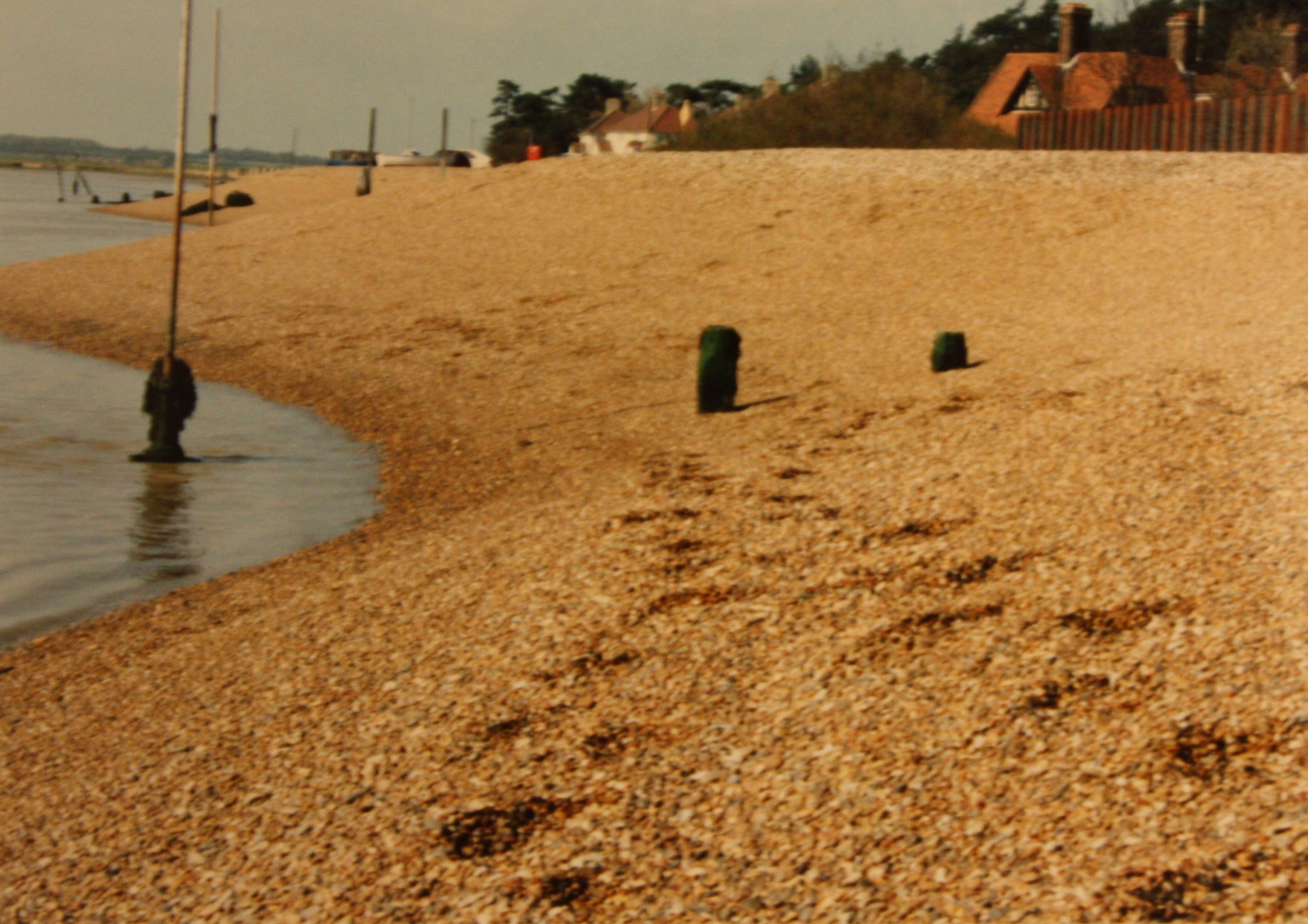
Pebble Walks [Haiku]

crude tracks weave, merge,
 & part on the pebble beach:
  sober drunkards' walk. 

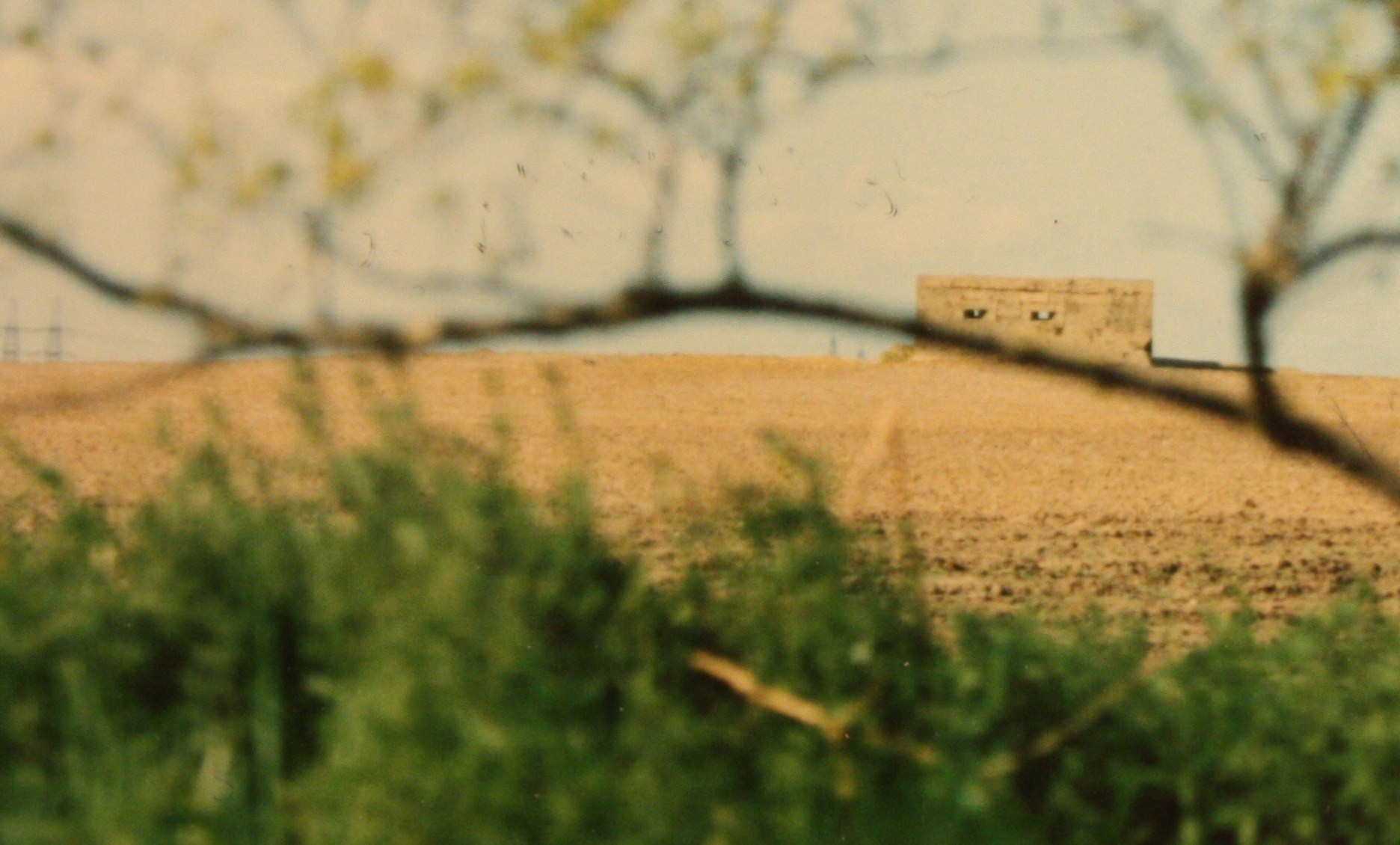
Pillbox Kitsch [Tanka]

what is this place,
 with its defensive bunkers
  on every rise?
 lasting vestiges of war,
  so unlike my childhood home.

BOOK REVIEW: A Short History of Tractors in Ukrainian by Marina Lewycka

A Short History of Tractors in UkrainianA Short History of Tractors in Ukrainian by Marina Lewycka
My rating: 5 of 5 stars

Amazon.in Page

This is a comedy of family dysfunction. The family consists of Cold War era immigrants to England from Ukraine. One adult daughter (Nadezhda) narrates the story, which about how her estranged relationship with her sister (Vera) is renewed through battle with a common enemy, Valentina, the gold-digging Ukrainian woman (younger than either sister) who’s moving in with the sisters’ eighty-four-year-old father.

There’re a few divides that generate the story’s tension. First, Vera grew up with war during her formative years, while Nadezhda was a child of the post-war peace. This informs how each sees the world and the other. Vera sees her younger sister as a naïve bleeding-heart socialist, while Nadezhda sees Vera as a cold and distrusting Thatcherite scoundrel. Second, there’s the chasm between established immigrant and new arrival, the former feeling that they kept their heads down, did the work, assimilated, and earned their status as citizens, while feeling someone like Valentina is tricking her way in and expecting to be handed all the perks of first-world living without working for them. Finally, there’s the gap between what a new immigrant expects life is like in a wealthy country, and what it’s actually like. Valentina has a television view of England that assumes the characters she sees are typical.

The story is funny, but occasionally poignant – e.g. as when we learn the family’s war-torn backstory or even when Valentina is shown in a more sympathetic light by our “bleeding-heart” narrator, who waivers between her family obligation self (who despises Valentina) and her socialist-feminist self (who empathizes with Valentina to some degree.)

I’d recommend this book for readers of literary fiction. It’s well-crafted and humorous. But it’s literary fiction, so if you need your characters likable and your plot strong, you may find it a bit dull.


View all my reviews

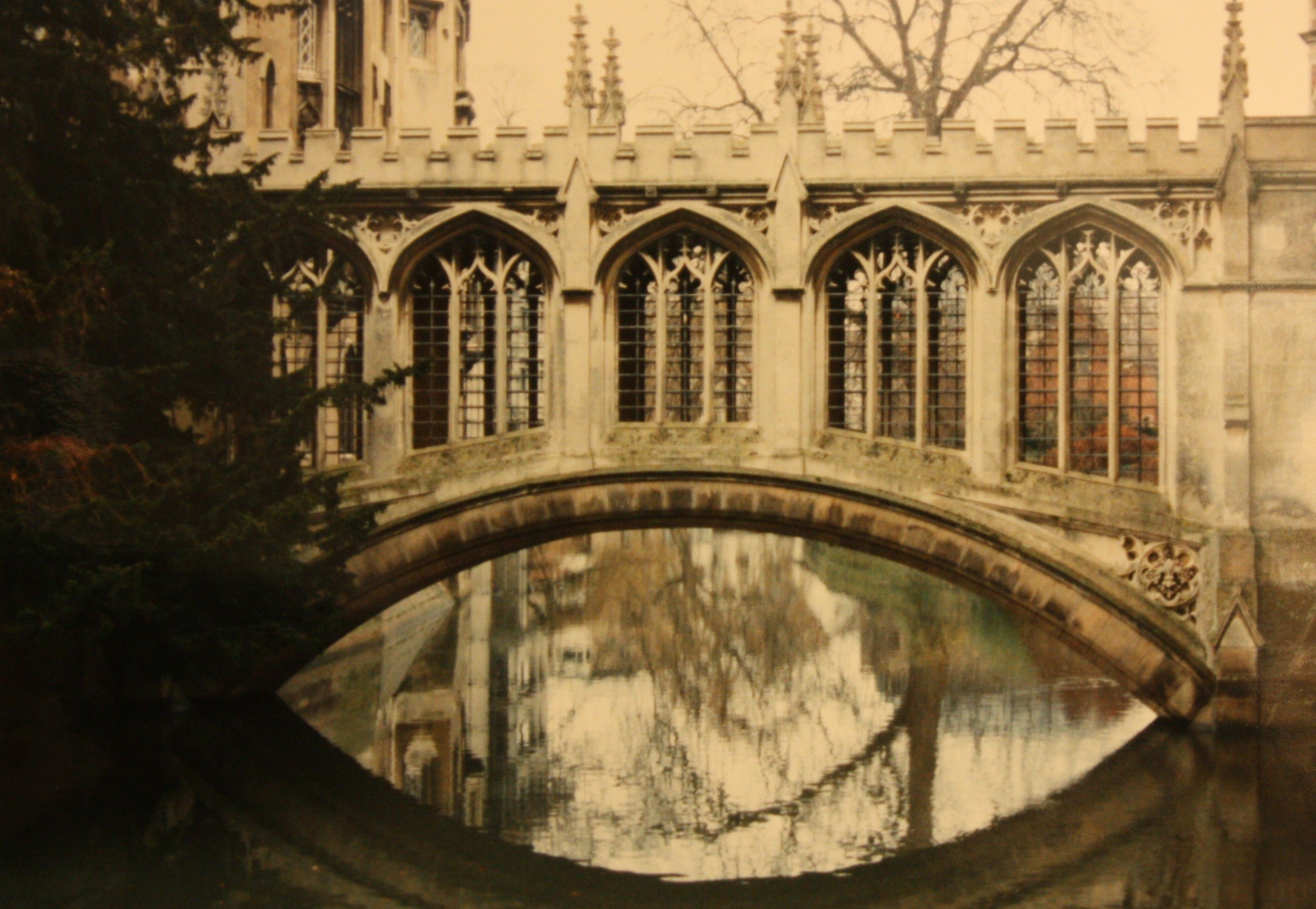
Cambridge Limerick

There was an outlandish student of Cambridge
who only had space for the tiniest fridge.
It all had to go -
milk and meat in the snow.
Turns out he liked his gin chilled just a smidge.

BOOK REVIEW: Darjeeling by Jeff Koehler

Darjeeling: A History of the World's Greatest TeaDarjeeling: A History of the World’s Greatest Tea by Jeff Koehler
My rating: 5 of 5 stars

Amazon.in Page

As Bordeaux or Tokaj are to wine, Darjeeling is to tea, producing a quality beverage considered by many to be the best in the world. However, this isn’t merely the story of how this region of northern Bengal (or, alternatively, Gorkhaland) came to produce a unique kind of tea that would be sought-after around the world. It’s also a story of empire and how Britain’s insatiable demand for tea drove major developments in geopolitics. It’s yet further the story of recent troubled times of Darjeeling tea, from labor shortages to environmental degradation, and what tea estates have done to adapt – from management / organization changes to organic production techniques.

Lessons in the history and geography of tea may seem niche and uninteresting, but the story of tea is actually quite fascinating, involving Opium Wars, the Black Hole of Calcutta, and an industry shakeup resulting from India’s independence.

I found this book compelling, and thought it did a good job of zooming in and out between local and global (and past to present) to maintain the interest of a diverse readership. Whether the book is exploring attempts to transplant tea shrubs and expertise from China or the changing customer base for Darjeeling tea, it’s an engaging and thought-provoking story. If you’re interested in tea, world history, or agribusiness, you’ll likely find something in this book to hold your attention.


View all my reviews

DAILY PHOTO: Orford Castle Closeup

Taken about 1989 at Orford Castle in Suffolk, England