There was a young man from South Korea
   who was prone to verbal diarrhea.
      “But better that kind
       than from the behind,”
   Said that fast-talking lad from Korea.
SOUTH KOREA LIMERICK
1

There was a young man from South Korea
who was prone to verbal diarrhea.
“But better that kind
than from the behind,”
Said that fast-talking lad from Korea.
Describe a family member.
When you are very young, he or she is very tall. As you get older, he or she becomes a manageable size, but tiny new one’s sprout up, and then you start to shrink and the tiny ones cease to be tiny and catch up and surpass one in height.
What is your favorite form of physical exercise?
I’m a big fan of them all. I like to move it, move it.
Each in its time.
Though the less special equipment I need access to, the better. I’m a firm believer that one needs only the body and mind to keep a fit body. It’s all a matter of how, how often, how intensely, and how safely one moves one’s body. Gadgety fitness can become too fetishist, and not build integration of the body as much as is ideal.
Nothing. My philosophy is that if I need technology to function flawlessly every second to keep me alive, I don’t need to be in that place.

a raft of ducks
 glides as a dense pack --
  then one goes solo.
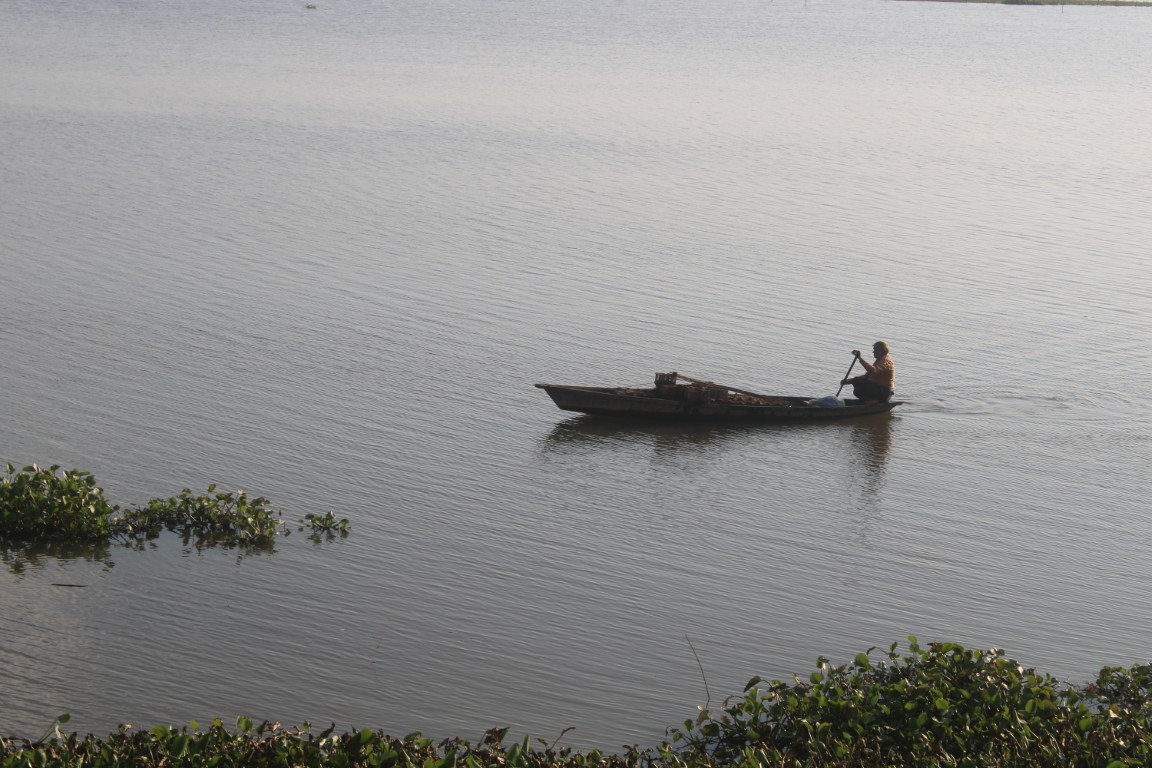
weary fisherman
 paddles sunrise-tinged lake
  to cast nets.
 Tell My Horse: Voodoo and Life in Haiti and Jamaica by Zora Neale Hurston








 Tiger Riding for Beginners