PROMPT: Pet

What is good about having a pet?

More time with animals and less time humans makes one more likely to retain sanity.

BOOKS: How to Talk Dirty and Influence People by Lenny Bruce

How to Talk Dirty and influence peopleHow to Talk Dirty and influence people by Lenny Bruce
My rating: 5 of 5 stars

Amazon.in Page

This is the autobiography of the comedic legend, Lenny Bruce. The first half (or so) of the book discusses Bruce’s life before standup comedy. This includes time as a sailor (US Navy) during the Second World War, as a sailor in the merchant marine, as a farmhand, and brief stint as a grifter. The second half takes place while Bruce is a working comedian but focuses heavily on his legal troubles including multiple Obscenity trials and one for Narcotics.

Being the work of a comedian, it’s no surprise that this book is funny — frequently of the laugh-out-loud variety. However, it may come as more of a surprise how interesting it is as the account of a man’s life. Besides some interesting stories, such as: how Bruce got discharged from the Navy, how he acquired priest’s uniforms to conduct a con, his experiences getting high with a Turkish sailor as a merchant marine, and the ins and outs of his marriage to a stripper, one gains some insight into Bruce’s philosophy and why he insisted on being maximally edgy, even at the cost of blackballed by clubs. The book holds up surprisingly well, considering it was first published in the early / mid-1960’s.

If you’re interested in outlandish people, standup comedy, or free speech, this book is well worth reading, and will not disappoint. (If you liked “The Marvelous Mrs. Maisel,” it’ll definitely be up your alley.)

View all my reviews

Percussive Parade [Haiku]

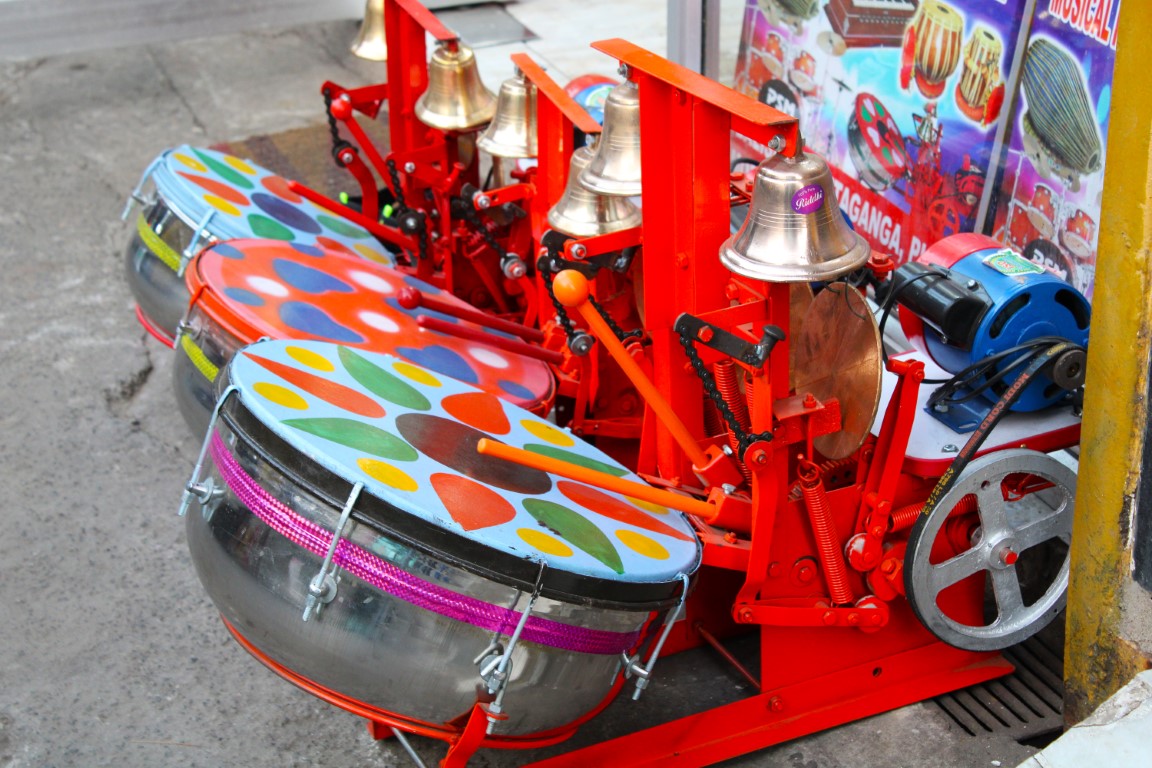
drums & cymbal crash:
 a parade of percussion
  outside my window.
DAILY PHOTO: Scenes from the Goecha La Trail

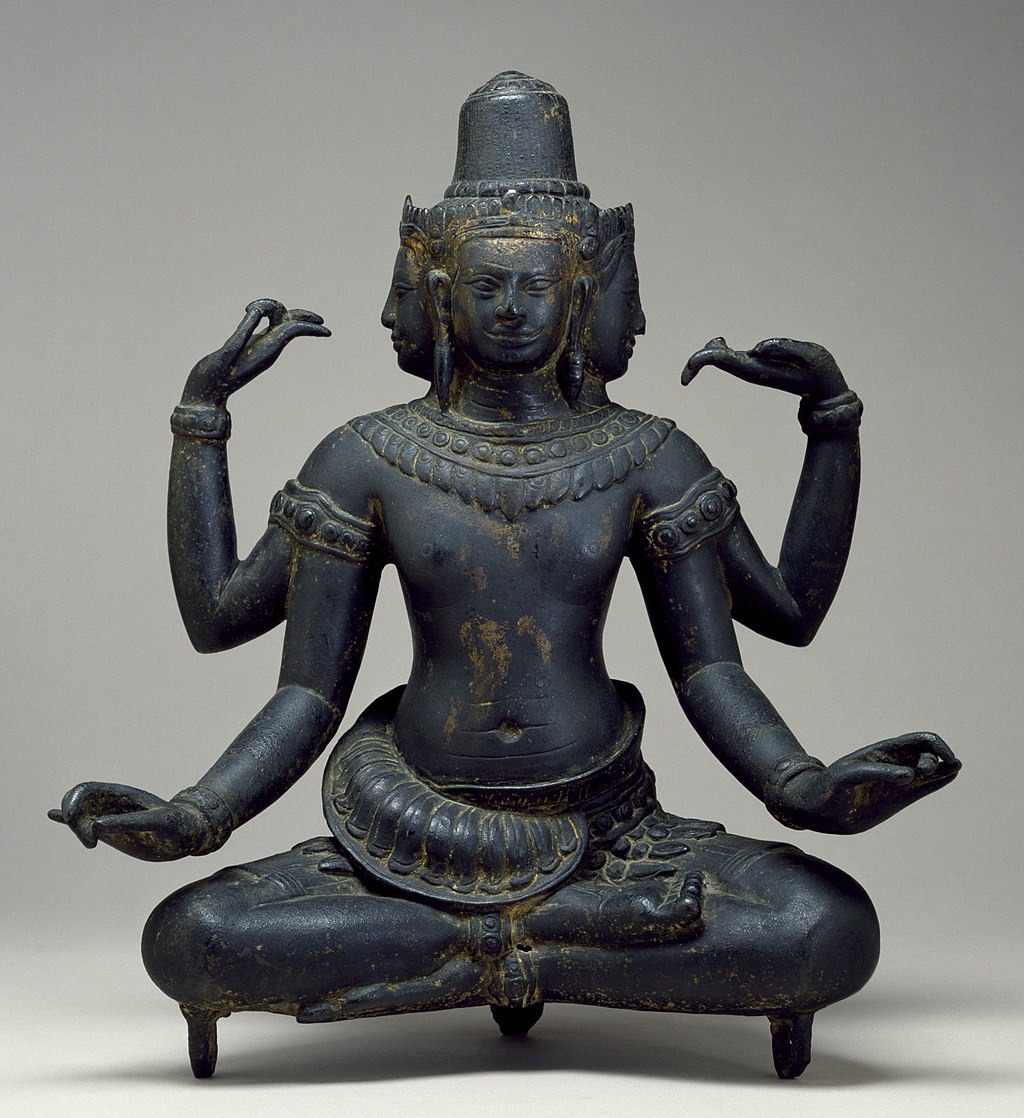
Brahma by Ralph Waldo Emerson

If the red slayer think he slays,
   Or if the slain think he is slain,
 They know not well the subtle ways
   I keep, and pass, and turn again.

Far or forgot to me is near;
   Shadow and sunlight are the same;
 The vanished gods to me appear;
   And one to me are shame and fame.

They reckon ill who leave me out;
   When me they fly, I am the wings;
 I am the doubter and the doubt,
   I am the hymn the Brahmin sings.

The strong gods pine for my abode,
   And pine in vain the sacred Seven;
 But thou, meek lover of the good!
   Find me, and turn thy back on heaven.
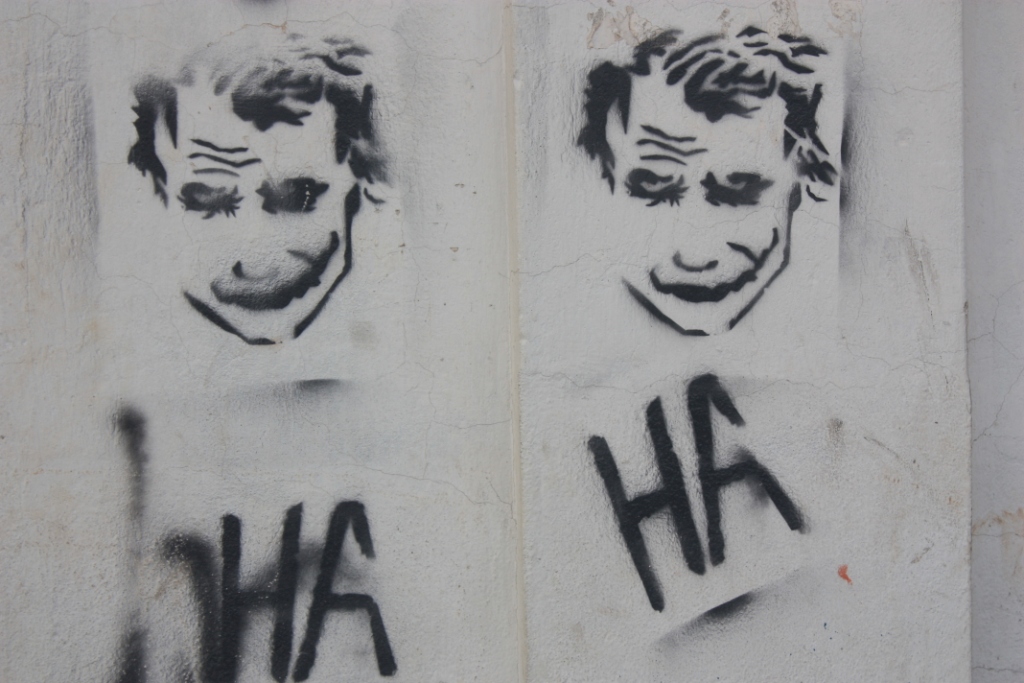
Saint Chaos [Senryū]

Kathmandu backstreet:
 at alley's end, grins Joker --
  global chaos face.
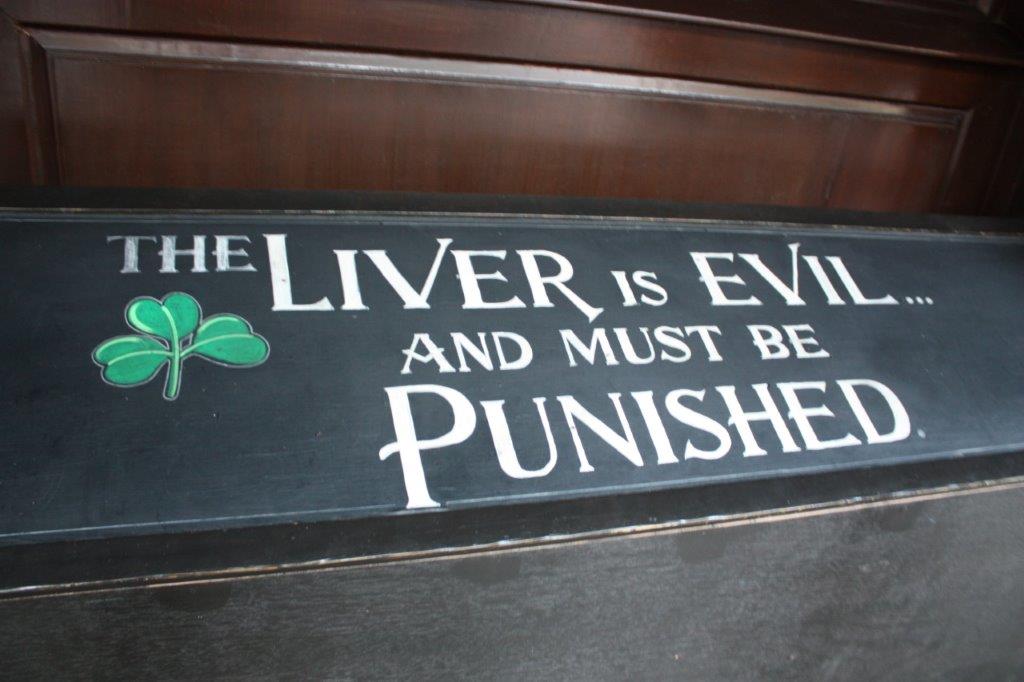
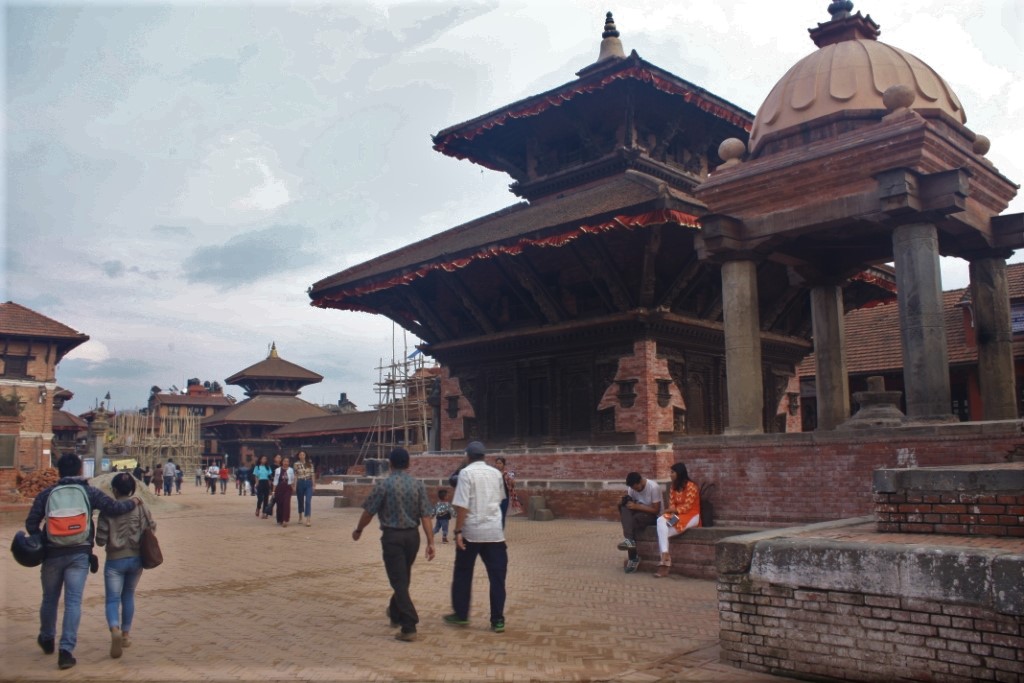
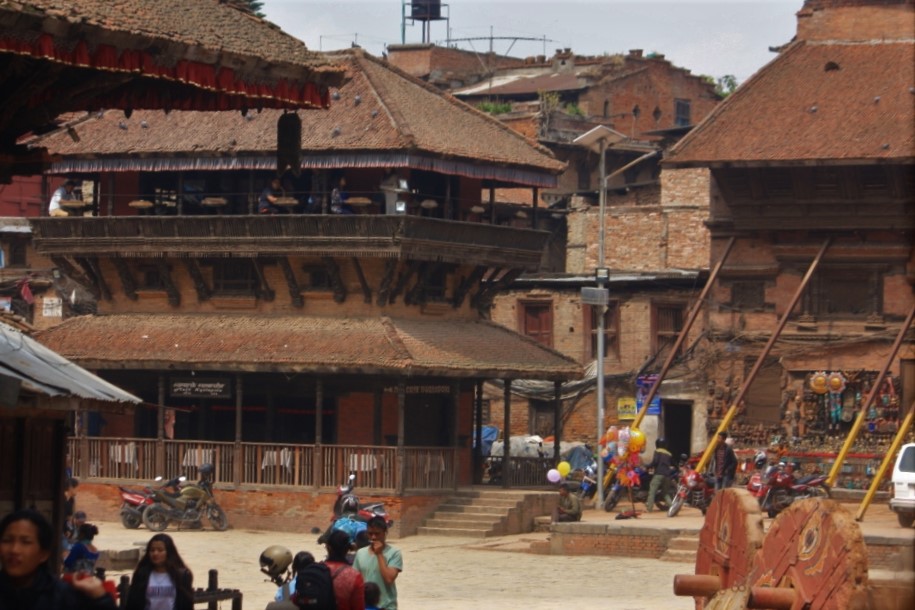
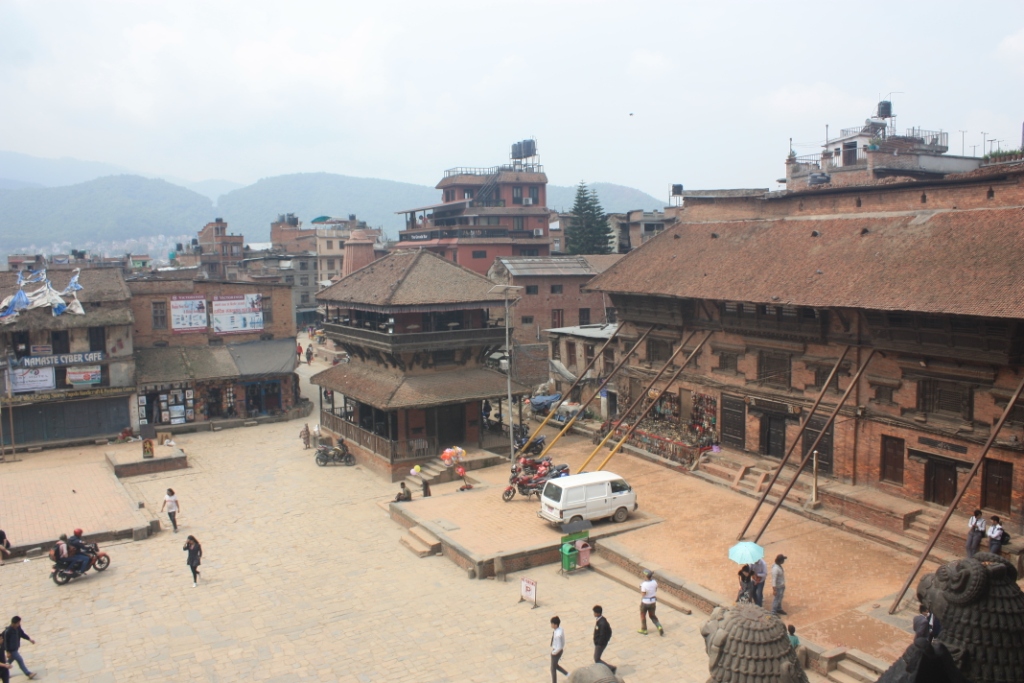
DAILY PHOTO: Scenes from Bhaktapur

Be Drunken by Charles Baudelaire [w/ Audio]

Be always drunken. Nothing else matters: that is the only question. If you would not feel the horrible burden of Time weighing on your shoulders and crushing you to the earth, be drunken continually.

Drunken with what? With wine, with poetry, or with virtue, as you will. But be drunken.

And if sometimes, on the stairs of a palace, or on the green side of a ditch, or in the dreary solitude of your own room, you should awaken and the drunkenness be half or wholly slipped away from you, ask of the wind, or of the wave, or of the star, or of the bird, or of the clock, or whatever flies, or sighs, or rocks, or sings, or speaks, ask what hour it is; and the wind, wave, star, bird, clock will answer you: “It is the hour to be drunken! Be drunken, if you would not be martyred slaves of Time, be drunken continually! With wine, with poetry, or with virtue, as you will.”

NOTE: This is the Arthur Symons translation from the 1913 Elkin Mathews edition of Baudelaire’s Poems in Prose. Available via Project Gutenberg at: https://www.gutenberg.org/cache/epub/50489/pg50489-images.html#XI

The Anchor Book of Chinese Poetry ed. Tony Barnstone & Chou Ping

The Anchor Book of Chinese Poetry: From Ancient to Contemporary, The Full 3000-Year TraditionThe Anchor Book of Chinese Poetry: From Ancient to Contemporary, The Full 3000-Year Tradition by Tony Barnstone
My rating: 5 of 5 stars

Amazon.in Page

This poetry translation anthology presents examples from some of the earliest known Chinese poetry to authors who are still alive and composing. It’s arranged by dynastic period (up until the modern era,) and, within dynasties, by poet. Most of the poets merit only a poem or two, but some of the major poets are allotted many pages of poems. Of course, how much poetry per poet is included isn’t just a function of how prolific or popular the poet was, but also how much extant poetry remains — i.e. how much survived. Each dynastic section begins with an overview of the time and poetic trends, and there is bio blurb for each poet.

There is quite a bit of variation in the book beyond that of the changing nature of Chinese poetry. The translations are also by varied translators, including not only the book’s editors but also individuals from the past, such as Arthur Waley. I wouldn’t say there is any bad translation in the book, but some translators capture the feel, e.g. the relative sparseness, of Chinese better, and others show their English poetic educations more obviously.

All in all, I enjoyed this selection of poems immensely, and learned a lot about Chinese history as well as of the country’s changing poetic tradition. I gained new insight to some of my favorites (e.g. Li Bai, Han Shan, etc.) and gained new favorites I’d never heard of before. I’d highly recommend this book for readers of poetry in translation.

View all my reviews

PROMPT: Time

Do you need time?

I believe I prefer the order of a sequenced life rather than a life of “everything, everywhere, all at once.” But having never ventured off my worldline, I don’t have sound basis for comparison. If you know of how I could experience atemporal existence, I would be happy to give it a try and get back with you.