
A loose shard of thought
   Flips and twists about in
     My brain,
 Poking sensitive tissue,
    And sending firestorms
     Riffling through my circuitry.
 I can't really say I feel each
    Prickle or pierce, but they
     Do make me wince, sometimes.

A loose shard of thought
Flips and twists about in
My brain,
Poking sensitive tissue,
And sending firestorms
Riffling through my circuitry.
I can't really say I feel each
Prickle or pierce, but they
Do make me wince, sometimes.
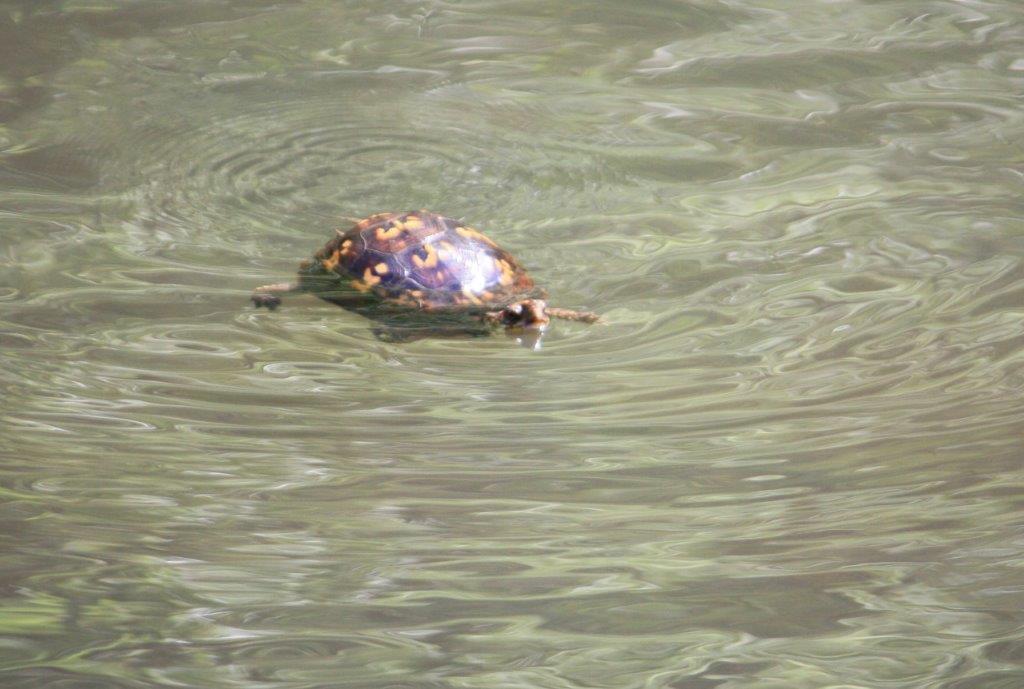
How do I roll like a
   feather in flow?

The one that can't be
   pulled from the pool.
 It slips around the
   lifted hand,
 Retreating back into
   the water that it never
     really left.

It's like sleight of hand
   one plays upon oneself:
     at once magician & mark.

The faster one snatches at it,
   the greater the miss.
 The slower one moves,
   the more frustratingly
     one sees one's failure.

How to roll like a feather in flow?
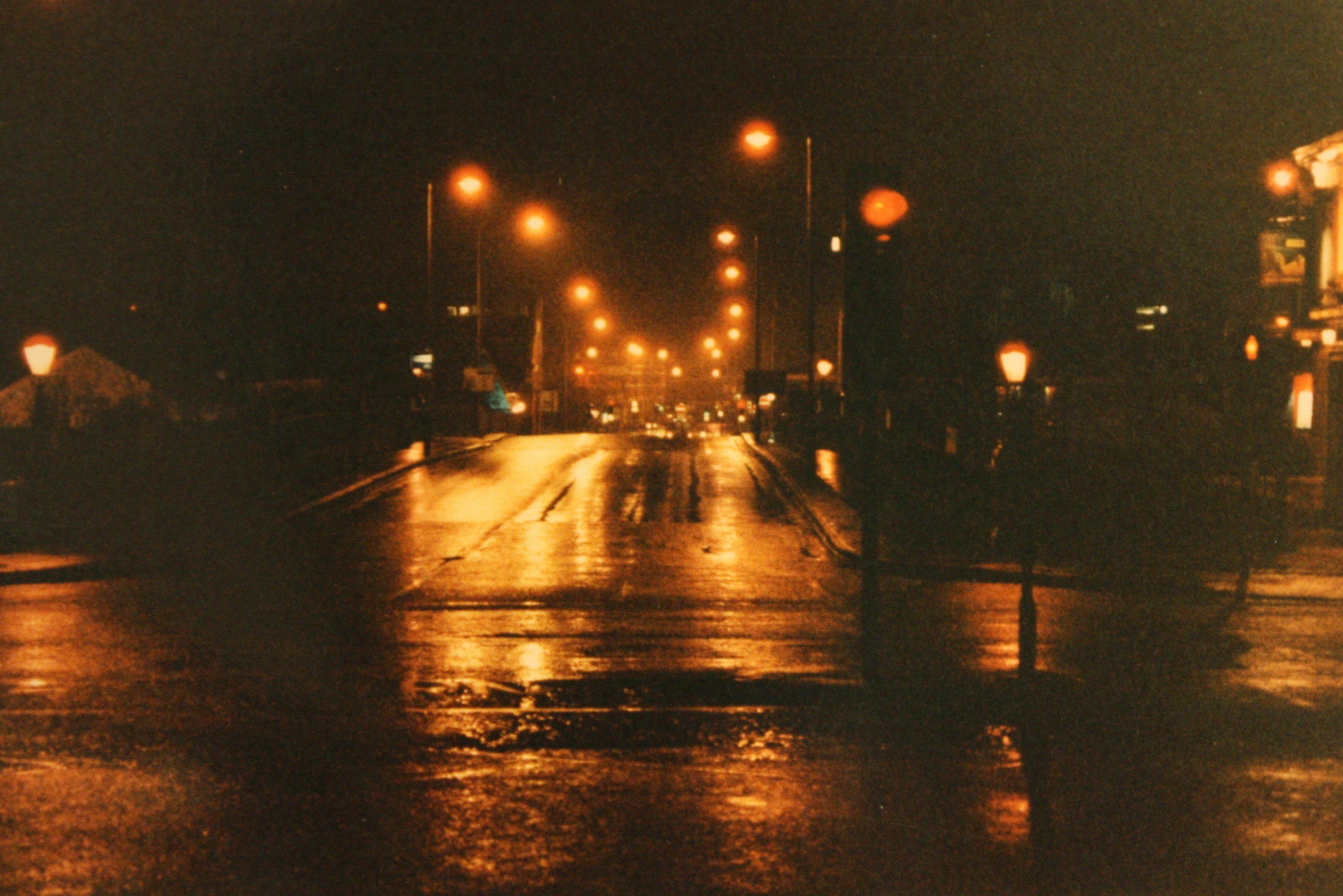
They have watered the street,
 It shines in the glare of lamps,
 Cold, white lamps,
 And lies
 Like a slow-moving river,
 Barred with silver and black.
 Cabs go down it,
 One,
 And then another.
 Between them I hear the shuffling of feet.
 Tramps doze on the window-ledges,
 Night-walkers pass along the sidewalks.
 The city is squalid and sinister,
 With the silver-barred street in the midst,
 Slow-moving,
 A river leading nowhere.

Opposite my window,
 The moon cuts,
 Clear and round,
 Through the plum-colored night.
 She cannot light the city;
 It is too bright.
 It has white lamps,
 And glitters coldly.

I stand in the window and watch the moon.
 She is thin and lustreless,
 But I love her.
 I know the moon,
 And this is an alien city.
Heavy Indian Club movement patterns and the core tenets of Perennial Philosophy.
the turning leaves
 catch the morning sunlight
  to show depths of red.

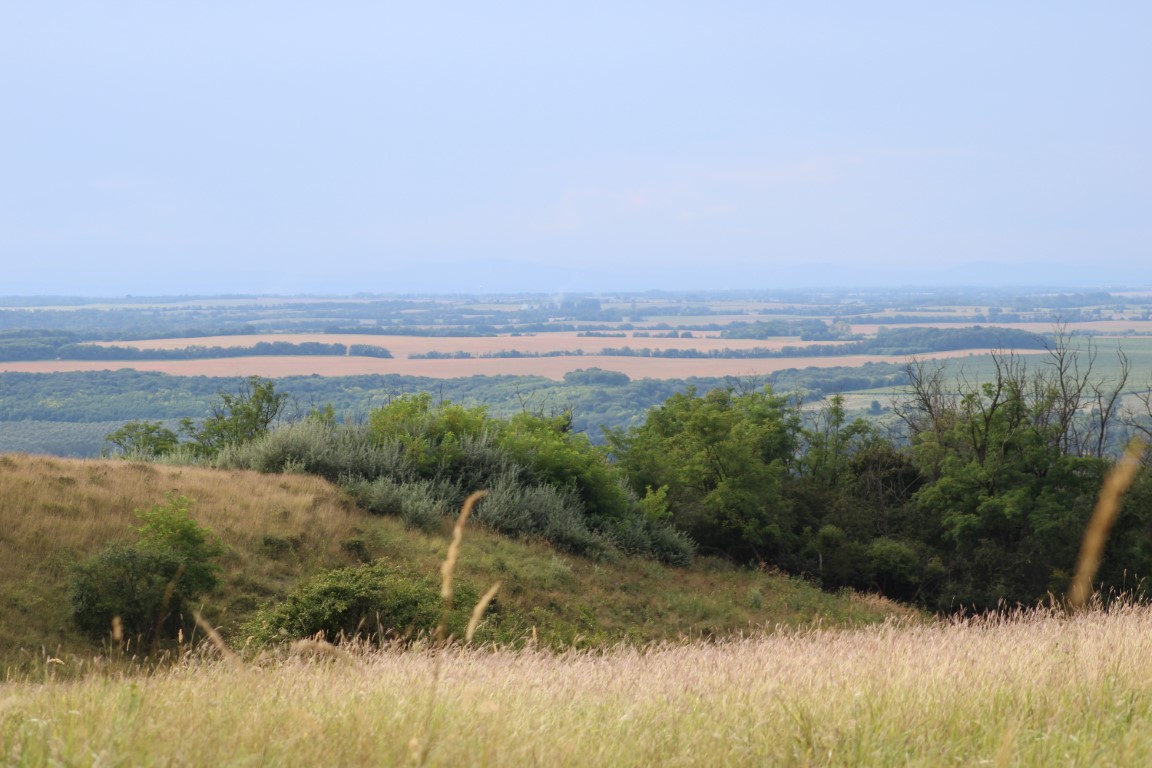
heavy-headed grass sways:
  the clockwork counting down
    the days of Autumn.
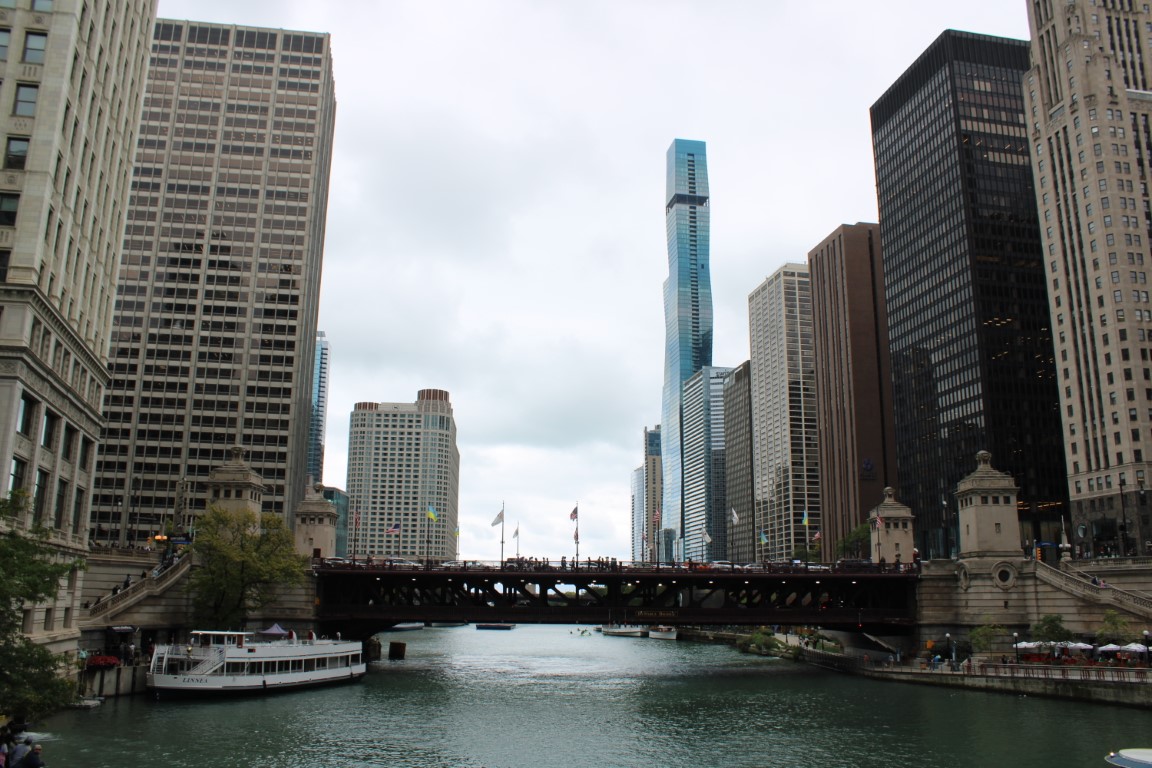
All are architects of Fate,
   Working in these walls of Time,
 Some with massive deeds and great,
   Some with ornaments of rhyme.

Nothing useless is, or low;
   Each thing in its place is best;
 And what seems but idle show
   Strengthens and supports the rest.

For the structure that we raise,
   Time is with materials filled;
 Our to-days and yesterdays
   Are the blocks with which we build.

Truly shape and fashion these;
   Leave no yawning gaps between;
 Think not, because no man sees,
   Such things will remain unseen.

In the elder days of Art,
   Builders wrought with greatest care
 Each minute and unseen part;
   For the Gods see everywhere.

Let us do our work as well,
   Both the unseen and the seen;
 Make the house, where Gods may dwell,
   Beautiful, entire, and clean.

Else our lives are incomplete,
   Standing in these walls of Time,
 Broken stairways, where the feet
   Stumble as they seek to climb.

Build to-day, then, strong and sure,
   With a firm and ample base;
 And ascending and secure
   Shall tomorrow find its place.

Thus alone can we attain
   To those turrets where the eye
 Sees the world as one vast plain,
   And one boundless reach of sky.
What is one question you hate to be asked? Explain.
“Tell me about yourself.”
It’s my least comfortable topic to speak about. Plus, it’s directionless, and not so much a question as a command.




 Tiger Riding for Beginners