BOOKS: “Play” by Stuart Brown

Play: How It Shapes the Brain, Opens the Imagination, and Invigorates the SoulPlay: How It Shapes the Brain, Opens the Imagination, and Invigorates the Soul by Stuart M. Brown Jr.
My rating: 4 of 5 stars

Amazon.in Page

Why does biology encourage play? Why does it stop encouraging play at some point? Should play end, or should one maintain a dedication to play throughout life? These are principal questions addressed by this book.

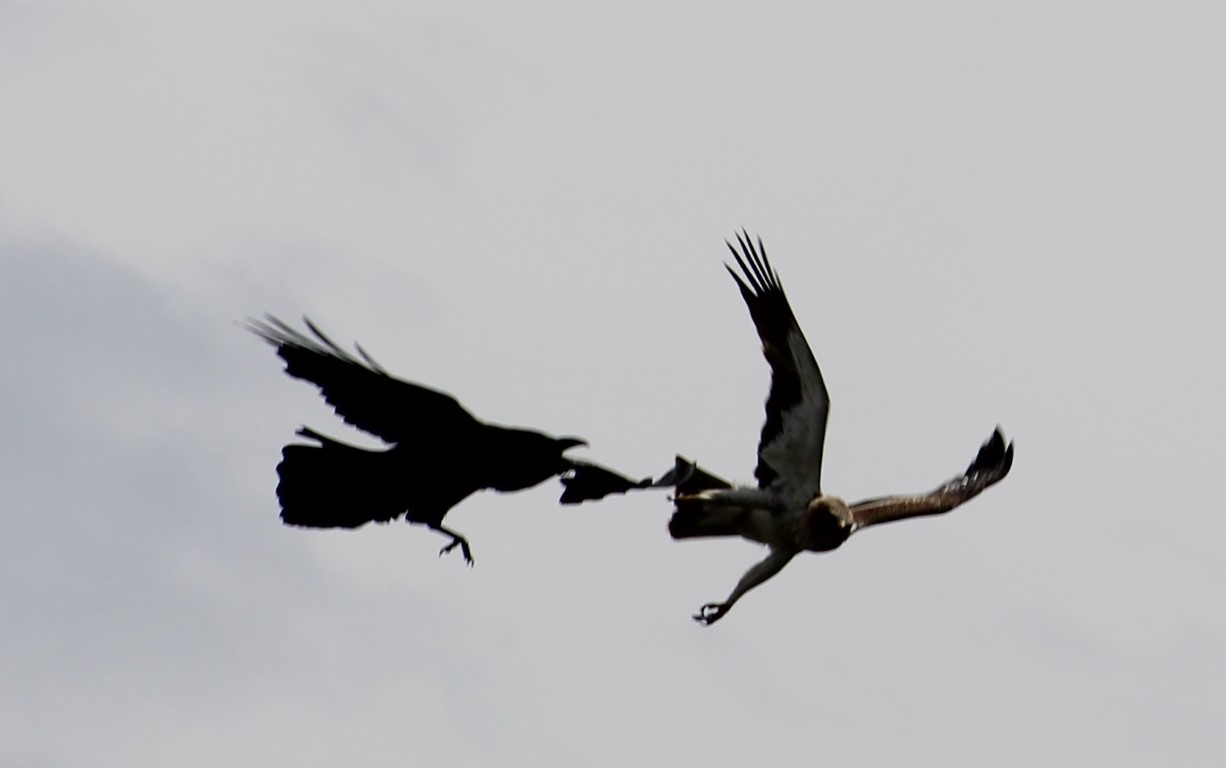
Brown explores the advantages of leading a playful life, and he doesn’t restrict himself to childhood play. In fact, the book doesn’t restrict itself entirely to human play, but also presents insights derived from the study of other playful species. One of the most profound lessons from the book comes from a story about a sled dog that has repeated playful interactions with a polar bear — a hungry polar bear, at that.

The book is presented more like an essay or a collection of essays than the usual popular science or pop psychology book. That is to say, it is not annotated and lacks a bibliography. The author sites the occasional book or study in the text, but it’s in the manner one would see in journalism or essays. This approach has its advantages, but the flipside of those advantages are the disadvantages. On the positive side, the author is able to communicate more freely, including the ability to discuss more speculative possibilities than one would expect from scientific reporting (with its usual “just the facts” approach.) Of course, the extensive speculation will be frustrating to readers who want to know what evidence has been produced for the proposed benefits. Furthermore, it often feels like the speculation in question is of the “when you’re a hammer every problem is a nail” nature — i.e. when one is a play researcher, one may be inclined to see play as a panacea for all the ills facing humanity (it surely is for some, but probably not all.) [To be fair, the book is almost fifteen years old, and I suspect it was / is probably harder than pulling teeth to get academic funding for play research outside of early childhood development, and so part of what the book was probably trying to do was build enthusiasm for supporting this kind of research, which necessitated talking about possibilities that were outside the known.]

The book does have a chapter on “the dark side of play.” It deals with compulsive behaviors like gambling and video game playing addiction (i.e. not people who like playing video games once in a while, but those who go 48 hours without sleep and who live in cave-like darkness to limit screen glare.) Much of the chapter argues that, while those problems are real and of concern, the activities aren’t play, not as per the definition presented early in the book.

This book does make a sound case for a number of benefits of play and for not abandoning play in one’s youth. If you’re interested in how play can help one to cope in a world of uncertainty, to keep one’s mind and body healthy, and to maintain or grow one’s capacity for imagination, this book is well worth reading.

View all my reviews
“Dulce et Decorum Est” by Wilfred Owen [w/ Audio]

Bent double, like old beggars under sacks,
Knock-kneed, coughing like hags, we cursed through sludge,
Till on the haunting flares we turned our backs,
And towards our distant rest began to trudge.
Men marched asleep. Many had lost their boots,
But limped on, blood-shod. All went lame; all blind;
Drunk with fatigue; deaf even to the hoots
Of gas-shells dropping softly behind.

Gas! GAS! Quick, boys! -- An ecstasy of fumbling
Fitting the clumsy helmets just in time,
But someone still was yelling out and stumbling
And flound'ring like a man in fire or lime. --
Dim through the misty panes and thick green light,
As under a green sea, I saw him drowning.

In all my dreams before my helpless sight,
He plunges at me, guttering, choking, drowning.

If in some smothering dreams, you too could pace
Behind the wagon that we flung him in,
And watch the white eyes writhing in his face,
His hanging face, like a devil's sick of sin;
If you could hear, at every jolt, the blood
Come gargling from the froth-corrupted lungs,
Obscene as cancer, bitter as the cud
Of vile, incurable sores on innocent tongues, --
My friend, you would not tell with such high zest
To children ardent for some desperate glory,
The old Lie: Dulce et decorum est
Pro patria mori
.

NOTE: Dulce et decorum est pro patria mori is a line written by Horace in Latin that translates to: “It is sweet and fitting to die for one’s country.”

Preacher Limerick

There once was a preacher with Tourette's
And his case was as bad as it gets.
In times of aplomb,
He'd shout an f-bomb,
Making mourners more than a little upset.

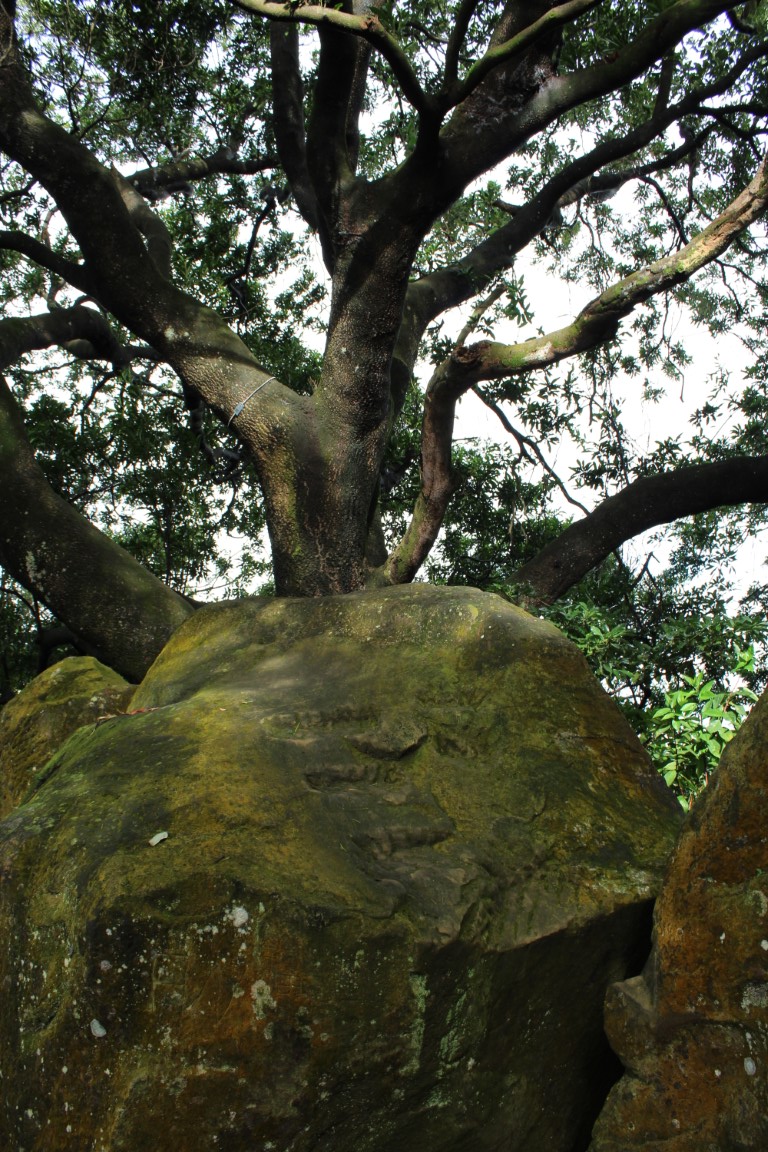
Tree of Life [Haiku]

home to birds & squirrels,
the tree holds life in every
crotch & hollow.

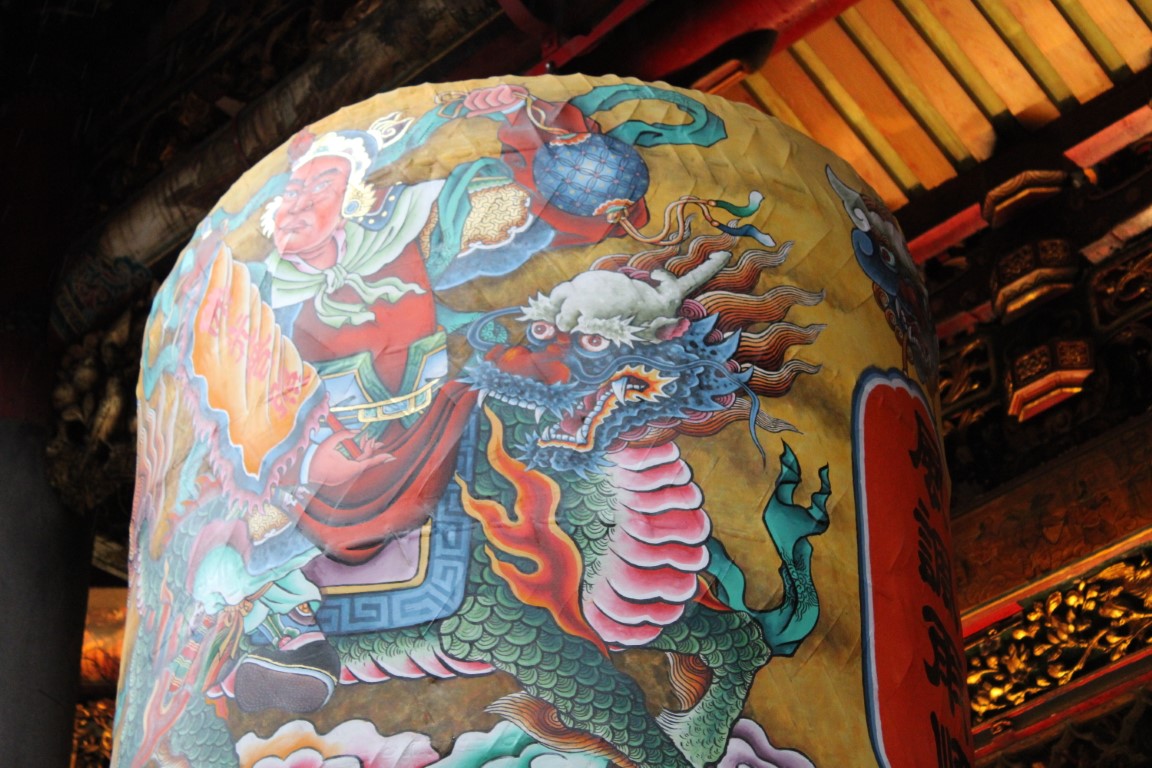
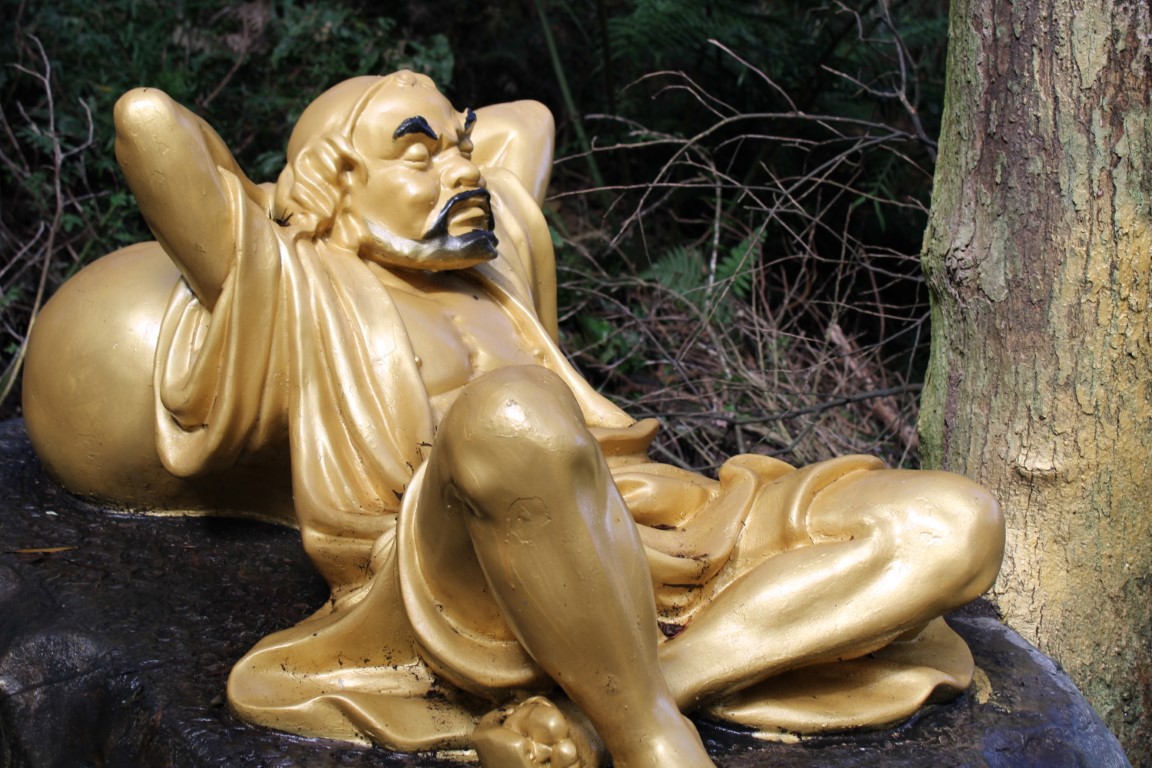
DAILY PHOTO: Scenes from the Main Shrine of Fo Guang Shan

An Echo of Monks [Haiku]

walking past 
an echo of monks,
i seek distinction.

“To One in Paradise” by Edgar Allan Poe [w/ Audio]

Thou wast that all to me, love,
For which my soul did pine --
A green isle in the sea, love,
A fountain and a shrine,
All wreathed with fairy fruits and flowers,
And all the flowers were mine.

Ah, dream to bright to last!
Ah, starry Hope! that didst arise
But to be overcast!
A voice from the Future cries,
"On! on!" -- but o'er the Past
(Dim gulf!) my spirit hovering lies
Mute, motionless, aghast!

For, alas! alas! with me
The light of Life is o'er!
No more -- no more -- no more --
(Such language holds the solemn sea
To the sands upon the shore)
Shall bloom the thunder-blasted tree,
Or the stricken eagle soar!

And all my days are trances,
And all my nightly dreams
Are where thy grey eye glances,
And where thy footstep gleams --
In what ethereal dances,
By what eternal streams.

Little River [Haiku]

in early spring,
the river is twining streams,
and tiny green isles.

Sunset Over the Sea [Haiku]

the sun sets,
brightly striping the sea
as clouds are blackened.

DAILY PHOTO: El Castillo, Chichen Itza