
There are many levels to this. At one end is getting up and moving for a half hour or hour. At the other end is going for a ten-day hike in a part of the planet that has no cell service whatsoever. (Yes, such spaces still exist, but are continually getting smaller — mostly valleys of large mountain ranges.)
This is probably not as big a challenge for me as for many because I find it neither that enjoyable nor that necessary to be jacked in.
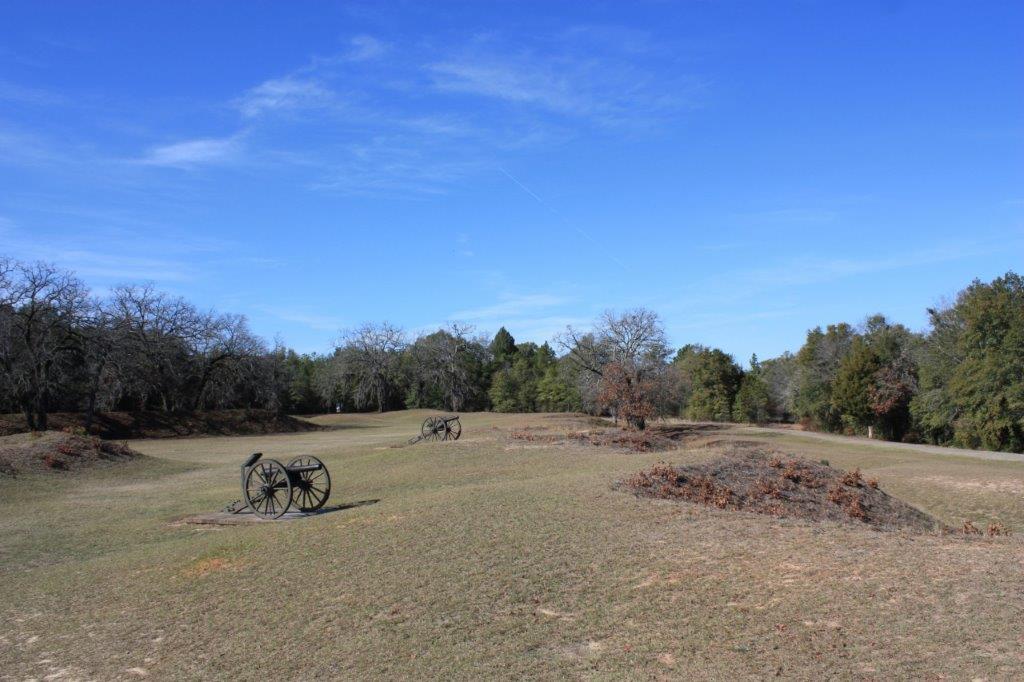
Do not weep, maiden, for war is kind.
 Because your lover threw wild hands toward the sky
 And the affrighted steed ran on alone,
 Do not weep.
 War is kind.

      Hoarse, booming drums of the regiment,
      Little souls who thirst for fight,
      These men were born to drill and die.
      The unexplained glory flies above them,
      Great is the battle-god, great, and his kingdom—
      A field where a thousand corpses lie.

Do not weep, babe, for war is kind.
 Because your father tumbled in the yellow trenches,
 Raged at his breast, gulped and died,
 Do not weep.
 War is kind.

      Swift, blazing flag of the regiment,
      Eagle with crest of red and gold,
      These men were born to drill and die.
      Point for them the virtue of slaughter,
      Make plain to them the excellence of killing
      And a field where a thousand corpses lie.

Mother whose heart hung humble as a button
 On the bright splendid shroud of your son,
 Do not weep.
 War is kind.
This poem opens War Is Kind and Other Lines (1899.)
I have a piece in this new collection, out today (May 30, 2025) in the Indian market and later in the year for international markets.
GoodReads Page Amazon.in Page



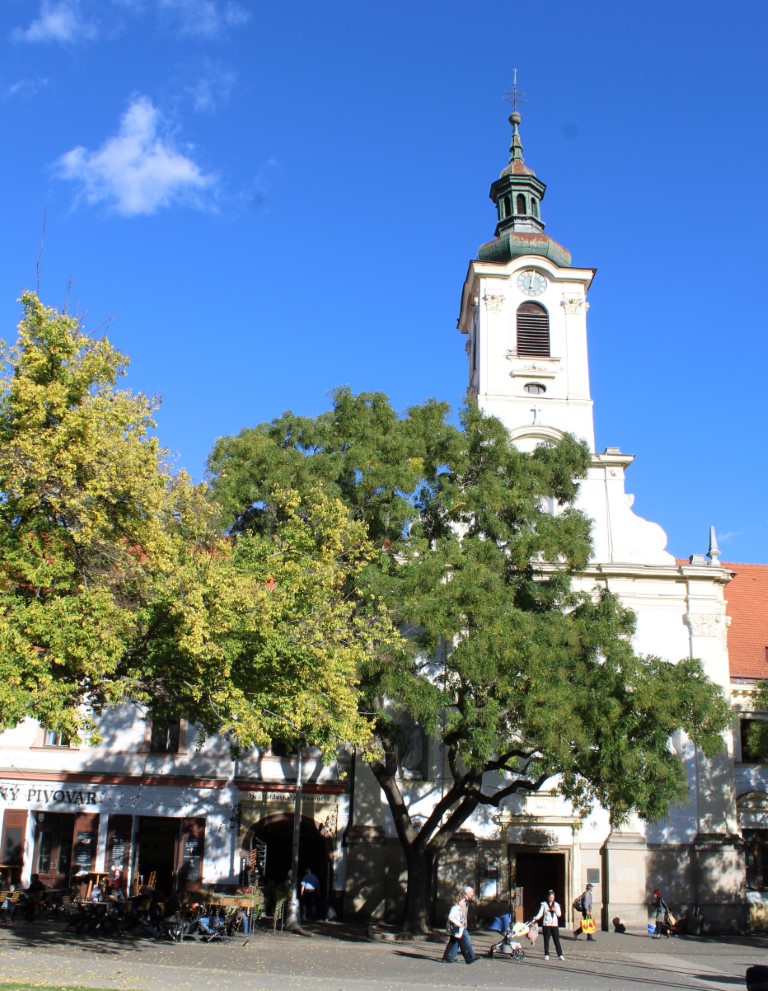
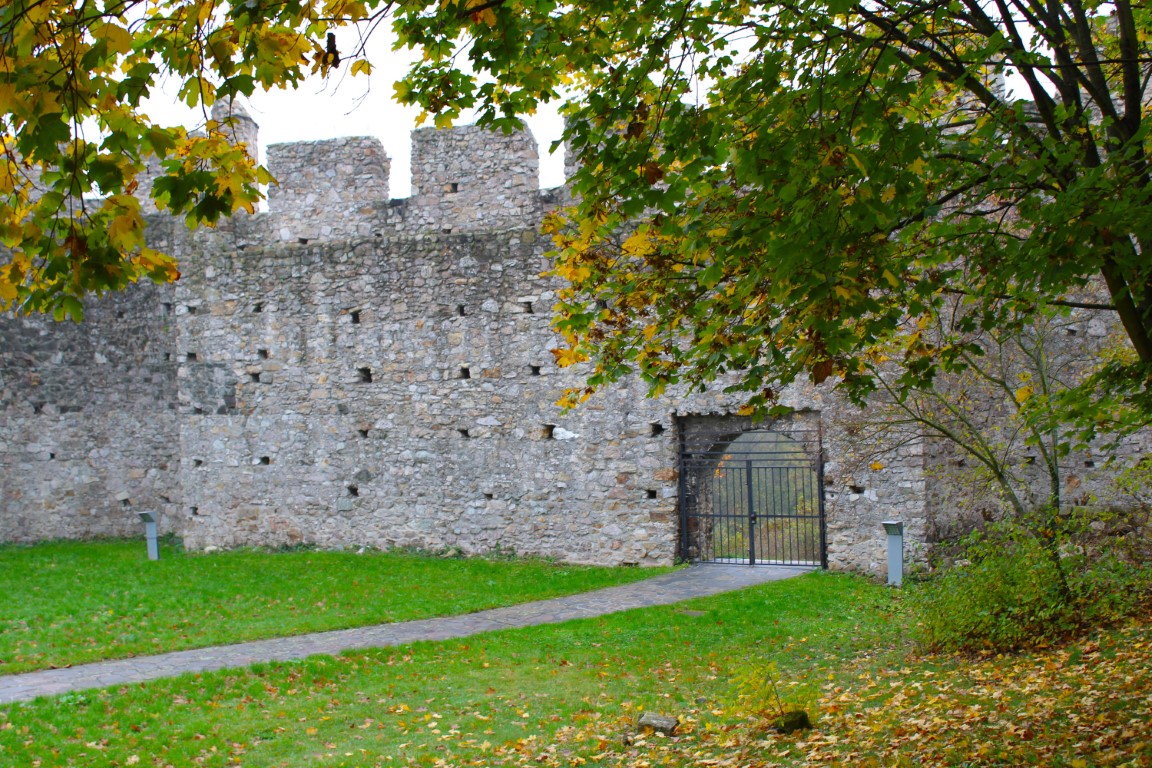
pavement glistens;
 yellow leaves sodden:
  nothing moves... but drips.
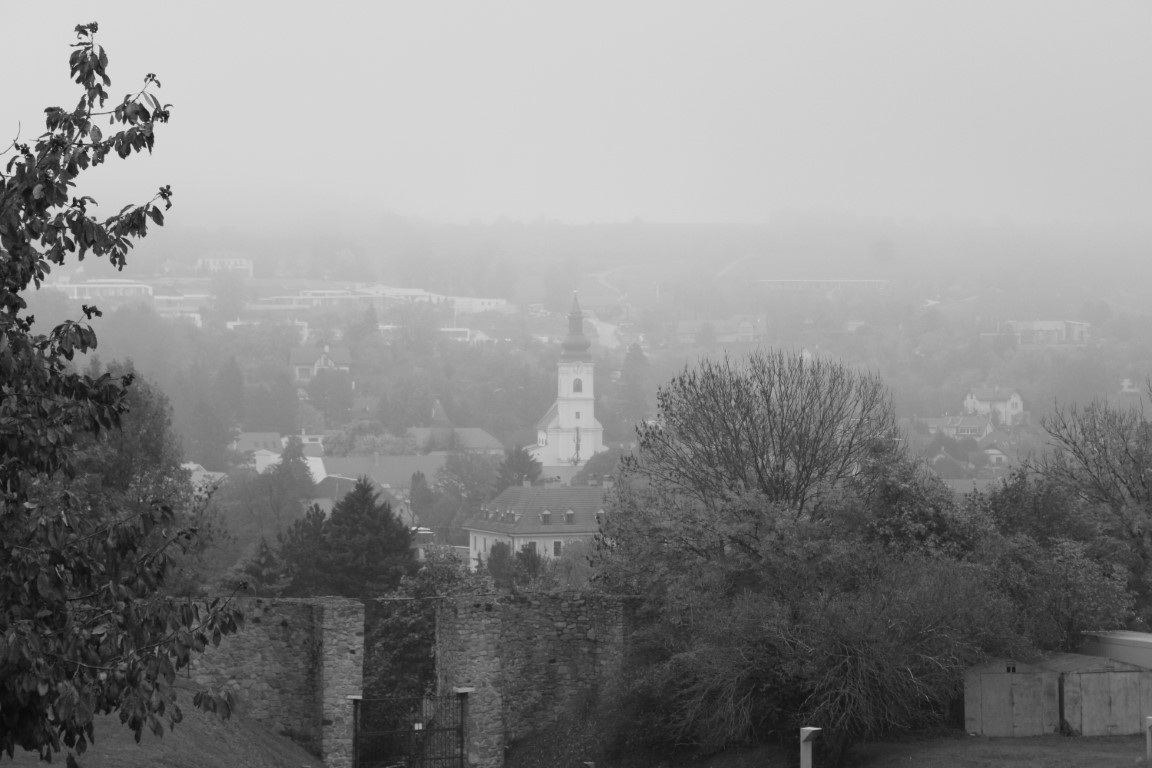
Light-winged Smoke, Icarian bird,
 Melting thy pinions in thy upward flight,
 Lark without song, and messenger of dawn,
 Circling above the hamlets as thy nest;
 Or else, departing dream, and shadowy form
 Of midnight vision, gathering up thy skirts;
 By night star-veiling, and by day
 Darkening the light and blotting out the sun;
 Go thou my incense upward from this hearth,
 And ask the gods to pardon this clear flame.
What quality do you value most in a friend?
The ability to converse intelligently on a wide range of subjects.
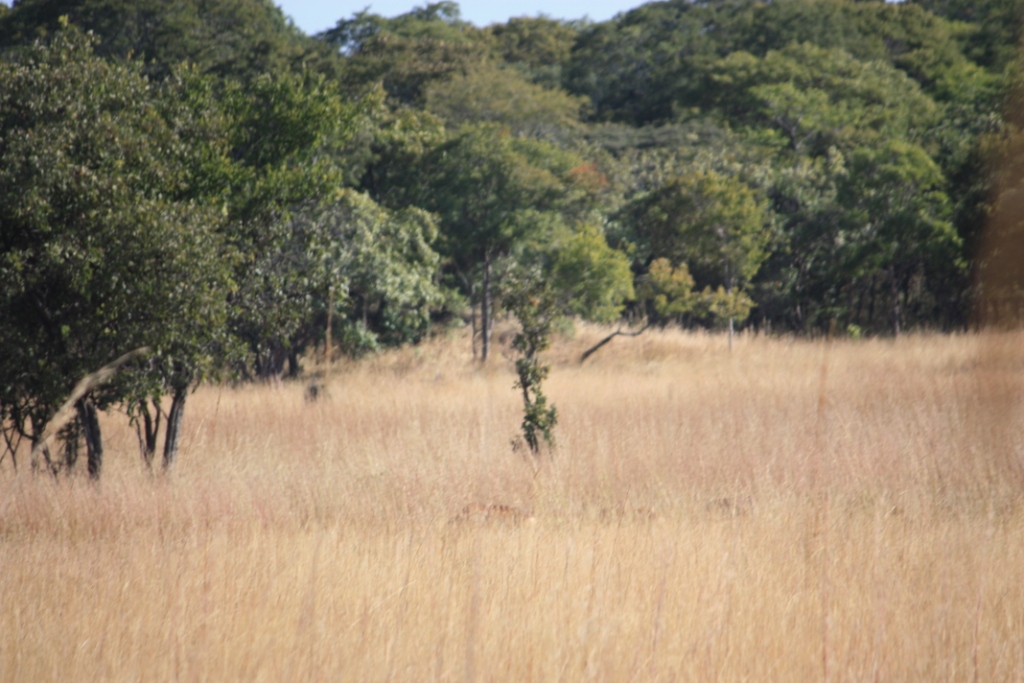
something moves
 through the tall grass --
  mystery rump & ears.
 Violence: A Very Short Introduction by Philip Dwyer


 Tiger Riding for Beginners