BOOK REVIEW: “War is a Racket” by Smedley D. Butler

War is a Racket: The Antiwar Classic by America's Most Decorated SoldierWar is a Racket: The Antiwar Classic by America’s Most Decorated Soldier by Smedley D. Butler
My rating: 5 of 5 stars

PDF available online

This impassioned essay is a call for a more restrained — some would call it isolationist — application of military force. Regardless of how one might feel about the isolationist stance, you’ll likely be moved by the essay’s central premise that we have too much war because it’s profitable — not profitable for those who fight and die in wars but for businessmen and politicians.

Butler, a US Marine Corps General, was a fascinating character — a two-time Congressional Medal of Honor recipient who served in the Philippines, Tianjin (during the Boxer Rebellion,) at various places across Central America and the Caribbean, and in the First World War in Europe. He was also a whistleblower about a plot to unseat FDR. Butler writes in a conversational style that exudes a commanding presence.

I’d highly recommend this essay for its critical insights by one of the most impressive Marine Corp officers of all time.

View all my reviews

BOOK: “Mastering the Art of War” by Zhuge Liang & Liu Ji [Trans. & Ed. by Thomas Cleary

Mastering the Art of War: Commentaries on Sun Tzu's Classic (Shambhala Dragon Editions)Mastering the Art of War: Commentaries on Sun Tzu’s Classic by Zhuge Liang
My rating: 5 of 5 stars

Publisher Site — Shambhala

This book combines the writings of two prominent Chinese strategists, Zhuge Liang and Liu Ji. Both men came after Sunzi, author of The Art of War, and Cleary describes these two works as commentaries on the work of Sunzi.

Zhuge Liang’s piece is called The Way of the General and it collects short essays from Records of the Loyal Lord of Warriors. Like many, I first became acquainted with Zhuge Liang from his novelized personage in the Chinese classic, Romance of the Three Kingdoms, in which he is called “Kongming” and is a force to be reckoned with in service to Liu Bei of the Shu Kingdom. Zhuge Liang’s ideas are conveyed as short topical discussions, not unlike Sunzi’s work.

Liu Ji’s manual, Lessons of War, is a bit different in that the explanation of the strategy is briefer than in the works of Sunzi or Zhuge Liang, but Liu Ji always includes an exemplary story from history. This makes Liu Ji’s work a little more narrative. It is interesting to see the varied approach to conveyance of the concepts under consideration.

Because the works of Zhuge Liang and Liu Ji are thin, the book has a fair amount of padding in the form of Translator’s Introductions, both an overall Introduction and one per included work. I was happy with how these were done. They do not drone on but rather give some background that will be useful to the average reader without getting lost in the weeds.

If you’re interested in strategy, be it applicable to war or otherwise, I’d highly recommend this book.

View all my reviews

BOOK: Sát Thát by Lê Vân [Illustrated by Nguyễn Bích]

Sát ThátSát Thát by Lê Vân
My rating: 4 of 5 stars

Publisher Site – Kim Dong Books

This illustrated book tells the story of the Vietnamese (Tran Dynasty) victories over the invading Yuan Dynasty (Mongolian-controlled China.) It’s a quick read with only a few lines of text per page, while the bulk of each page is a line-drawn monochrome illustration. The illustrations themselves are sufficiently clear and detailed to allow one to follow the general flow of the story.

I used a translator and don’t know how accurate it was or –more particularly — how true to the original it was, except to say that the translator produced a coherent story that seemed to be consistent with other sources.

This book focuses entirely on the military campaigns and takes a bit of a jingoistic tone. As I understand it, it doesn’t tell the whole tale as many consider the Mongol incursions to have been successful because they exacted a tribute from the Vietnamese (which was their ultimate goal,) despite the Mongols’ lack of military success. That said, it was an impressive set of military victories for the Tran Dynasty, and the Vietnamese have every right to take pride in them.

I discovered this book in the publisher’s bookstore in Hanoi and thought it was a small enough text with sufficiently detailed illustration to give me some insight into the story, even without any real grasp of the language. I did find reading the book to be informative and interesting and would recommend it for readers military history.

View all my reviews

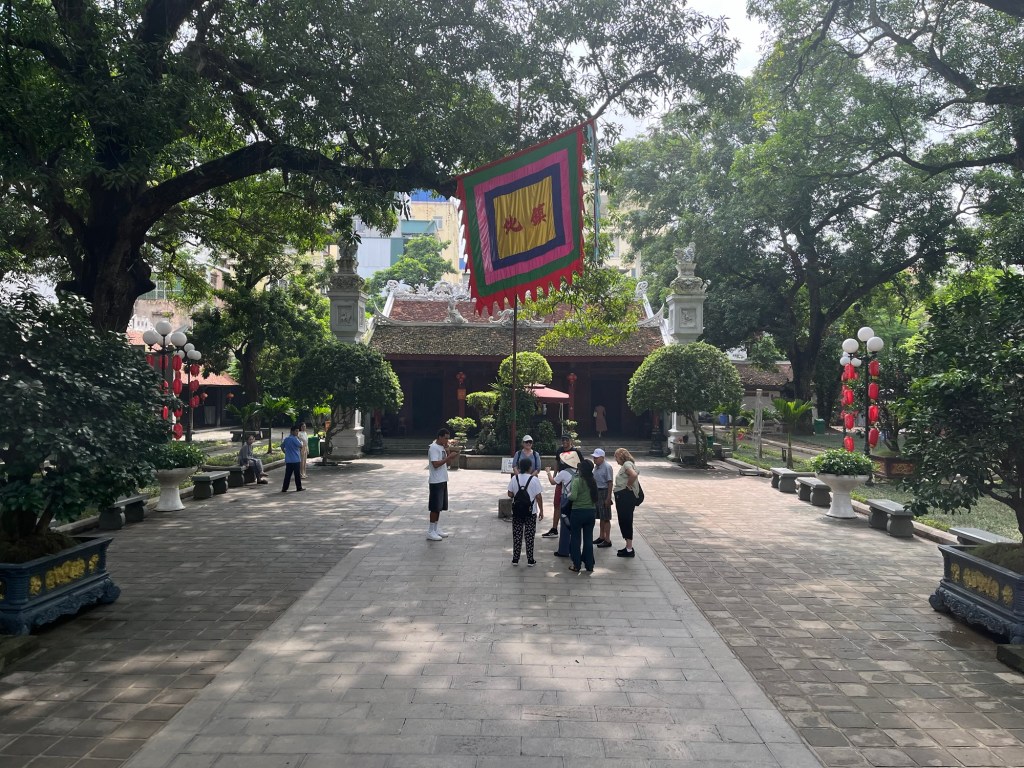
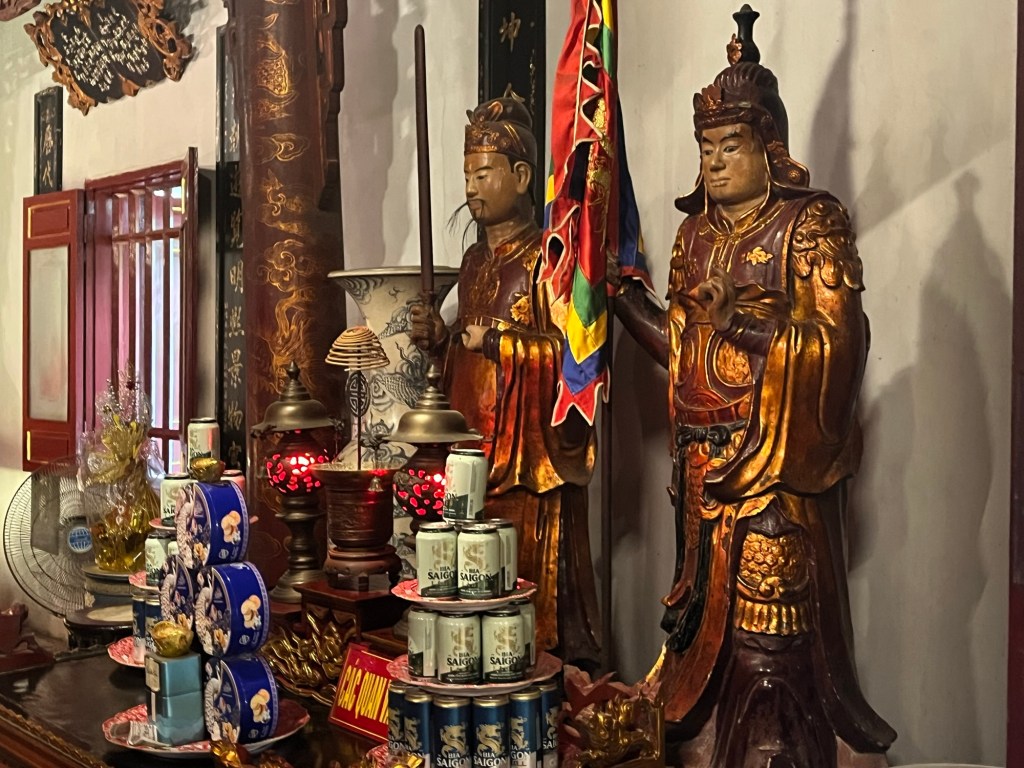
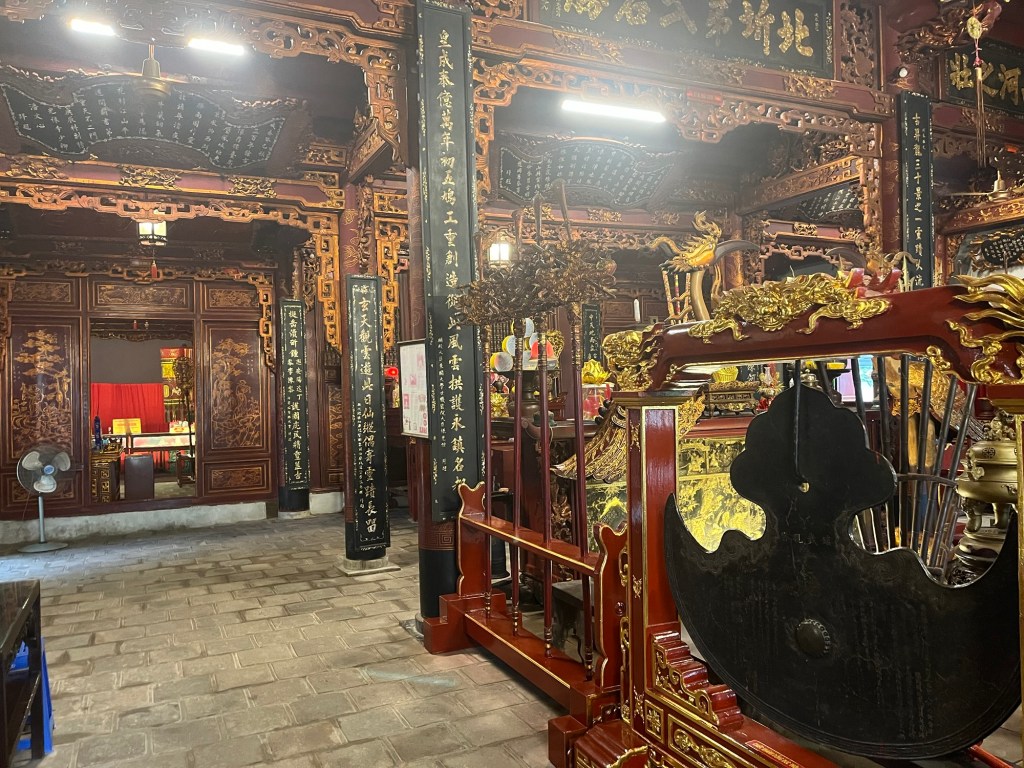
DAILY PHOTO: Quán Thánh Temple, Hanoi

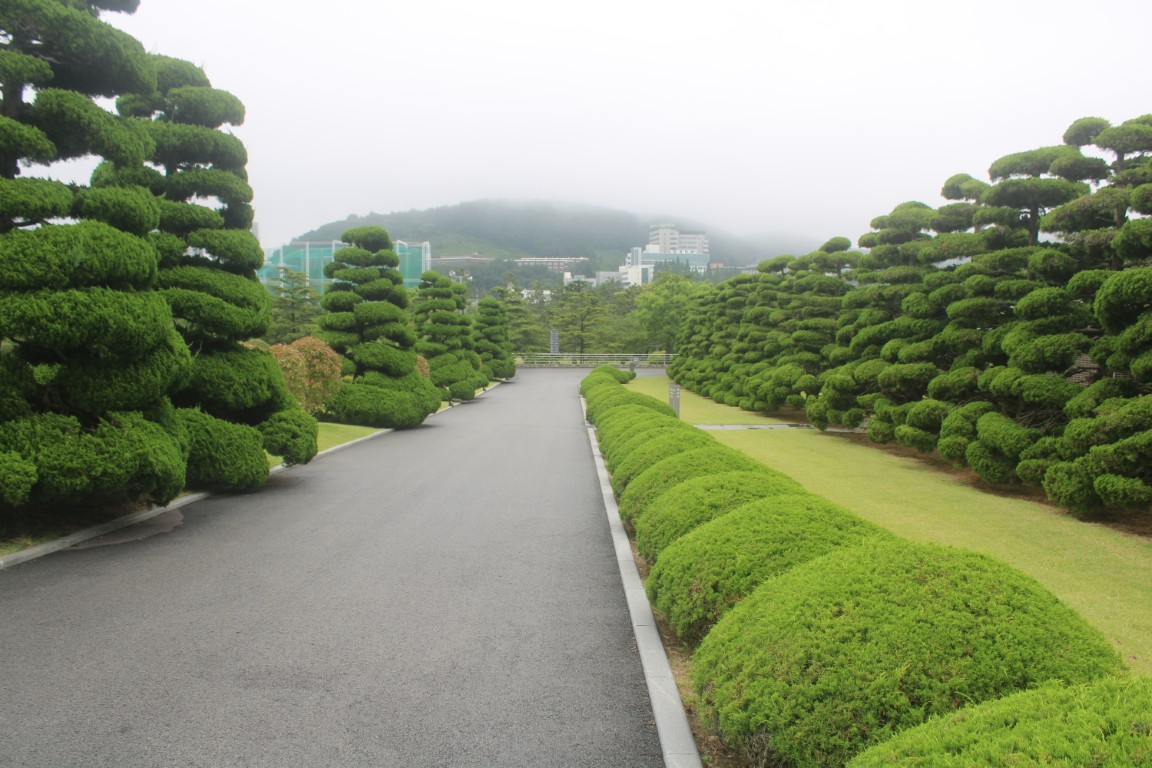
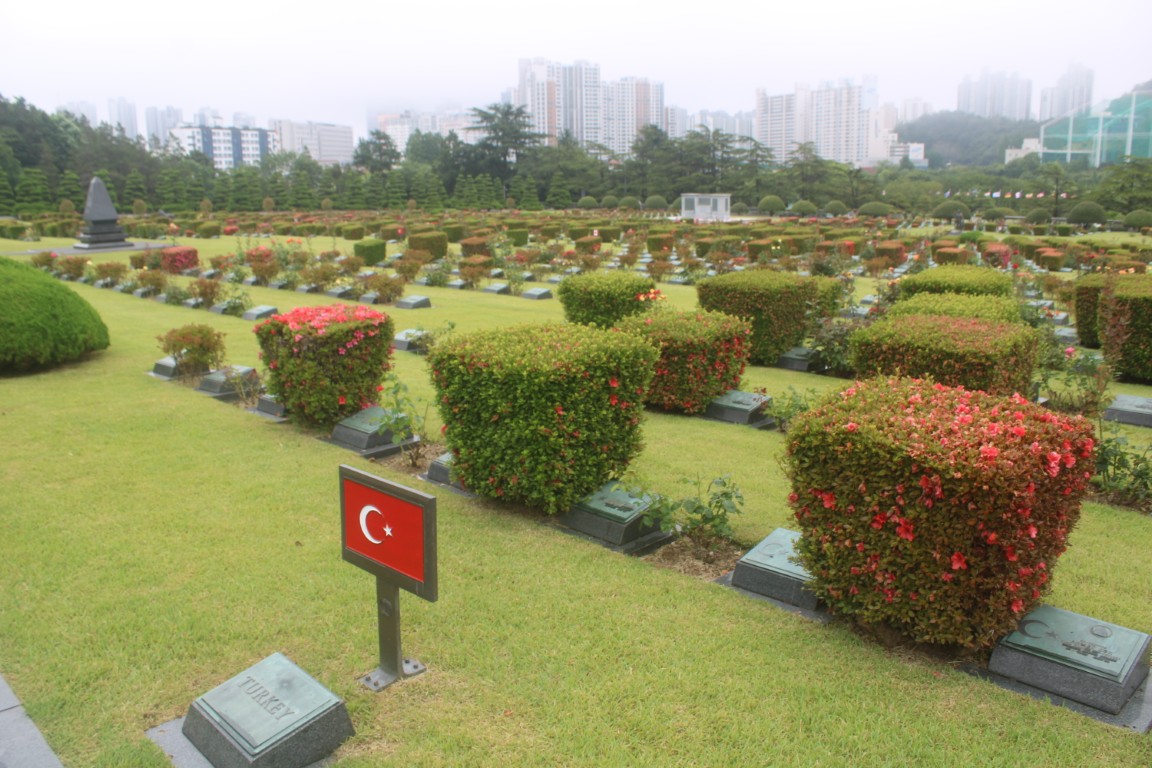
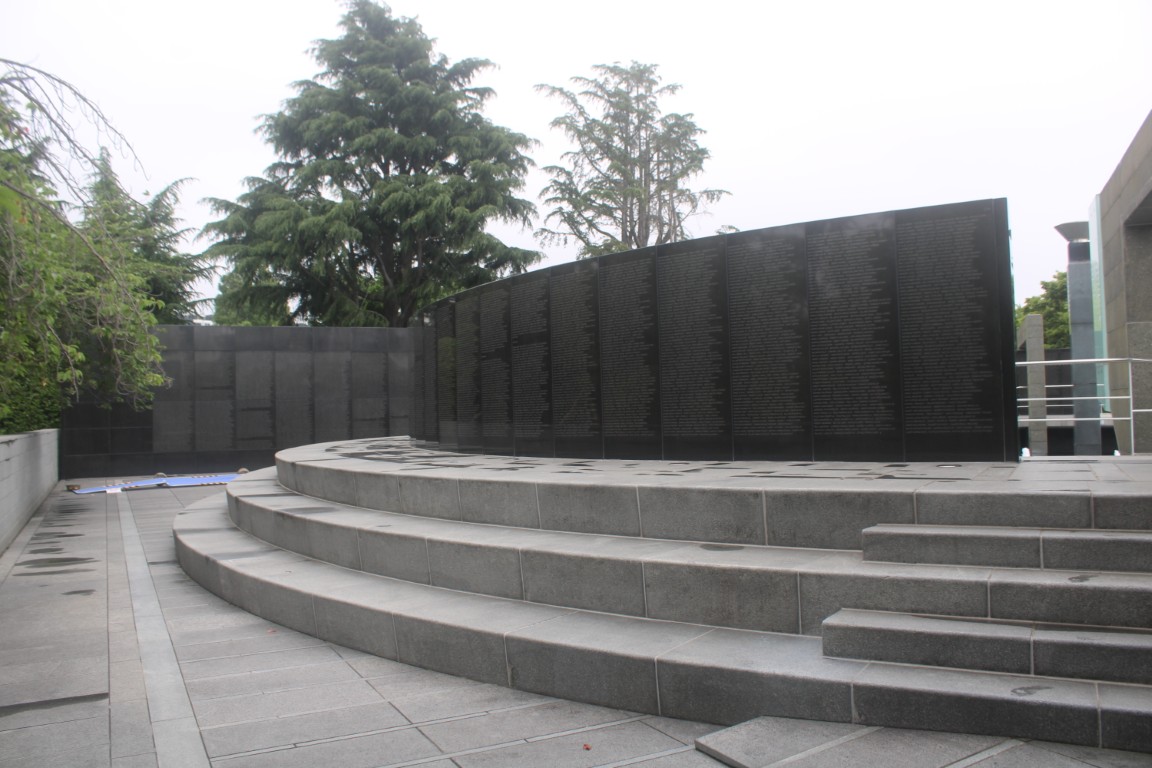
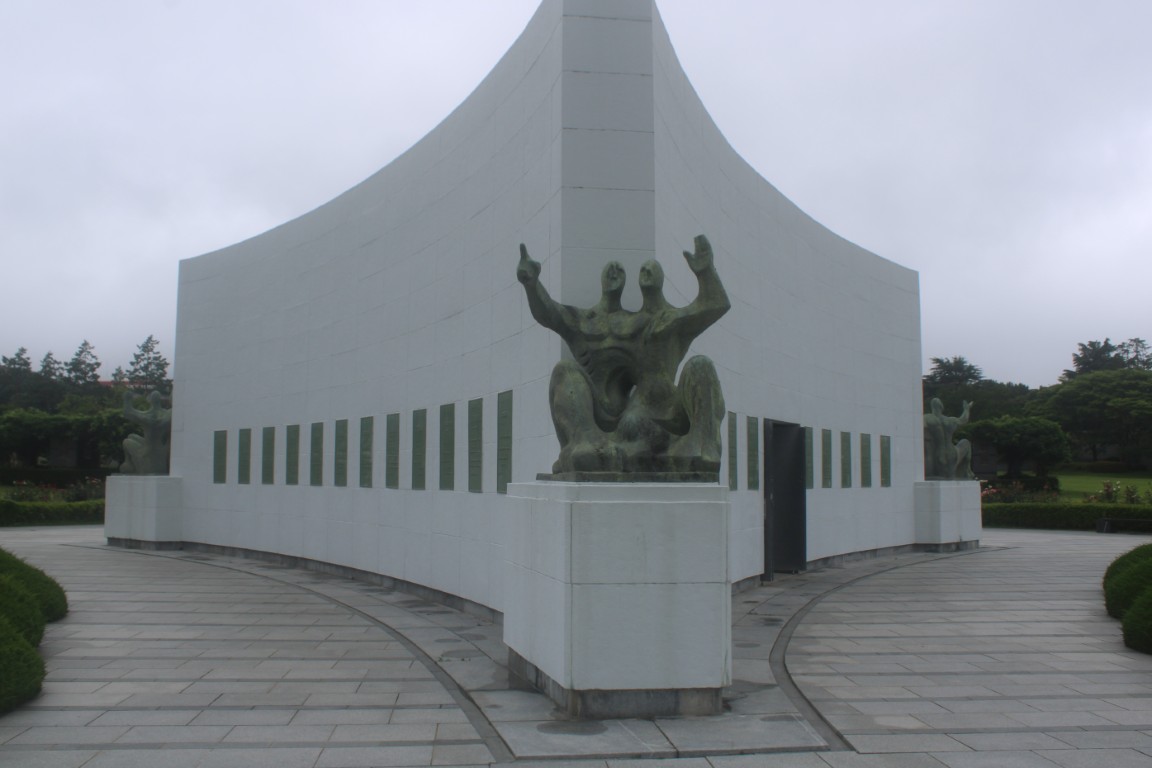
DAILY PHOTO: Scenes from the United Nations Memorial Cemetery in Korea

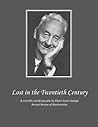
BOOKS: “Lost in the Twentieth Century” by Albert Szent-Györgyi

Lost in the Twentieth Century (Annual Review of Biochemistry Book 32)Lost in the Twentieth Century by Albert Szent-Györgyi
My rating: 5 of 5 stars

Available Online – NIH National Library of Medicine

This is the very brief autobiography of a fascinating man. Szent-Györgyi is most famous for work in biochemistry involving Vitamin C, work that won him a Nobel Prize. However, his life is not only notable for science before and after the Nobel (after he worked on the physiology of muscular activity, on electron activity in physiology, and on cancer.) He also performed important works outside the laboratory, notably he conducted an espionage / diplomatic mission during the Second World War (“Espionage” in that he traveled to Turkey under false pretenses, under cover of giving a lecture at a university, “diplomatic” in that the trip’s true objective was to negotiate with the Allied powers.)

Szent-Györgyi has some interesting quips and insights that make it worth reading this pamphlet-scale book, even though his Wikipedia page probably contains as much information. He had an interesting way of thinking about matters, both scientific and not, and was politically and socially engaged in the world.

If you’re curious about Szent-Györgyi or enjoy biographies, in general, I’d highly recommend reading this one.

View all my reviews

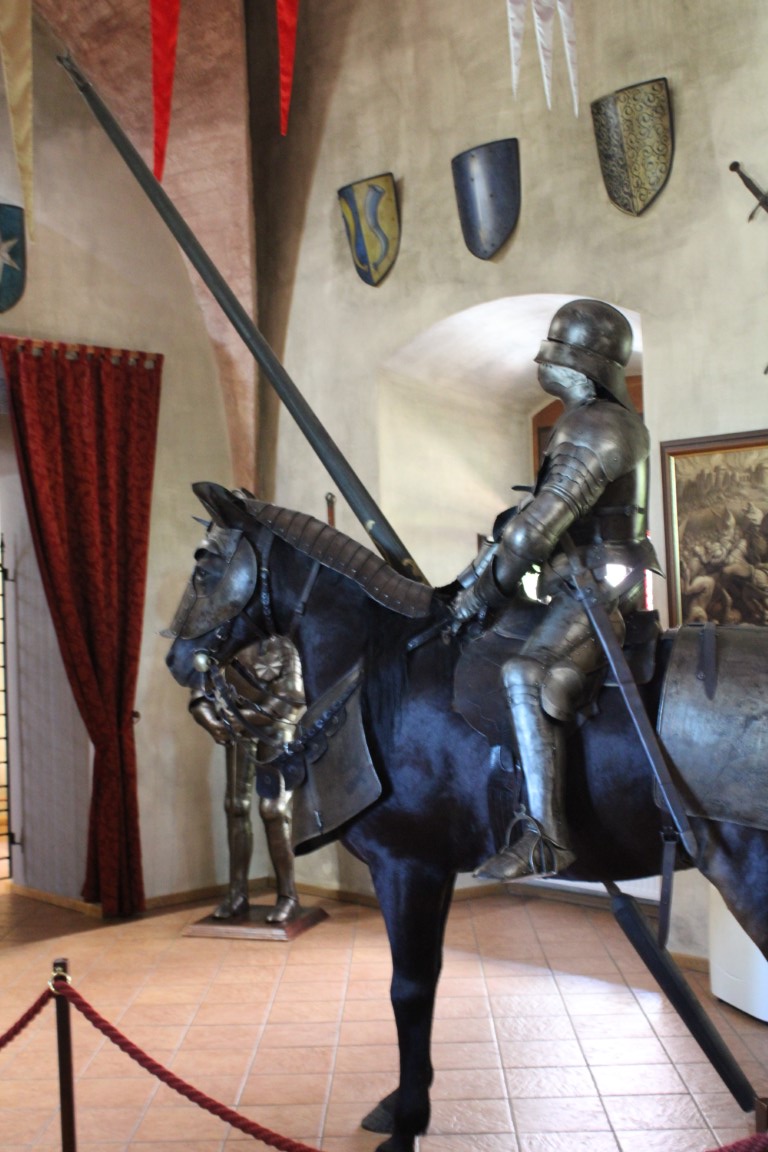
“Fast Rode the Knight” by Stephen Crane [w/ Audio]

Fast rode the knight
With spurs, hot and reeking,
Ever waving an eager sword,
"To save my lady!"
Fast rode the knight,
And leaped from saddle to war.
Men of steel flickered and gleamed
Like riot of silver lights,
And the gold of the knight's good banner
Still waved on a castle wall.
. . . . . . . . . . . .
A horse,
Blowing, staggering, bloody thing,
Forgotten at foot of castle wall.
A horse
Dead at foot of castle wall.

“The Death of a Soldier” by Wallace Stevens [w/ Audio]

Life contracts and death is expected,
As in a season of autumn.
The soldier falls.

He does not become a three-days personage,
Imposing his separation,
Calling for pomp.

Death is absolute and without memorial,
As in a season of autumn,
When the wind stops,

When the wind stops and, over the heavens,
The clouds go, nevertheless,
In their direction.

“Do Not Weep, Maiden, For War Is Kind” by Stephen Crane [w/ Audio]

Do not weep, maiden, for war is kind.
Because your lover threw wild hands toward the sky
And the affrighted steed ran on alone,
Do not weep.
War is kind.

Hoarse, booming drums of the regiment,
Little souls who thirst for fight,
These men were born to drill and die.
The unexplained glory flies above them,
Great is the battle-god, great, and his kingdom—
A field where a thousand corpses lie.

Do not weep, babe, for war is kind.
Because your father tumbled in the yellow trenches,
Raged at his breast, gulped and died,
Do not weep.
War is kind.

Swift, blazing flag of the regiment,
Eagle with crest of red and gold,
These men were born to drill and die.
Point for them the virtue of slaughter,
Make plain to them the excellence of killing
And a field where a thousand corpses lie.

Mother whose heart hung humble as a button
On the bright splendid shroud of your son,
Do not weep.
War is kind.

This poem opens War Is Kind and Other Lines (1899.)

BOOKS: “Violence: A Very Short Introduction” by Philip Dwyer

Violence: A Very Short Introduction (Very Short Introductions)Violence: A Very Short Introduction by Philip Dwyer
My rating: 4 of 5 stars

Publisher Site – Oxford University Press

This is a brief overview of various types of violence, starting with the question of what counts as violence. The book explores violent acts carried out by individuals, mobs, movements, governments, and religions. It reflects upon how the nature of violence has changed over the centuries while hinting at potential reasons for said changes (along with counterarguments.)

This book raised some provocative questions, such as: Why would people go to watch executions? Does Steven Pinker’s hypothesis that humanity is becoming less violent hold water? [Pinker made this argument in his book The Better Angels of Our Nature, but it has been refuted on number of grounds — definitional, methodological, etc. Though Dwyer only briefly touches on Pinker’s book and its critics in this book and a detailed critique will require looking elsewhere.] How (and why) do violent tendencies vary across cultures. And, when and how did governments end up with a monopoly on legitimate use of force.

I found this book interesting and informative and would recommend it for those looking for answers as to why and how our species is so violent.

View all my reviews