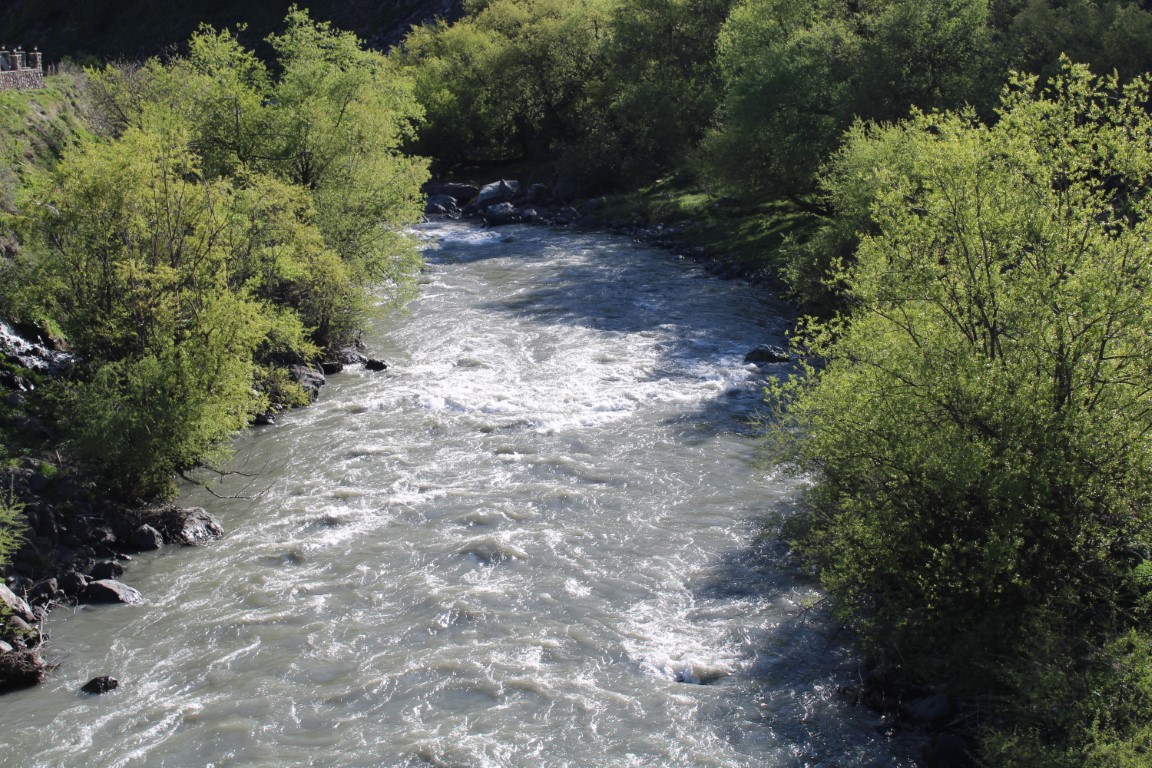
Fair river! in thy bright, clear flow
         Of crystal, wandering water,
     Thou art an emblem of the glow
             Of beauty—the unhidden heart—
             The playful maziness of art
     In old Alberto’s daughter;

     But when within thy wave she looks—
             Which glistens then, and trembles—
     Why, then, the prettiest of brooks
             Her worshipper resembles;
     For in my heart, as in thy stream,
         Her image deeply lies—
     His heart which trembles at the beam
         Of her soul-searching eyes.
Low, warm light lands on the village.
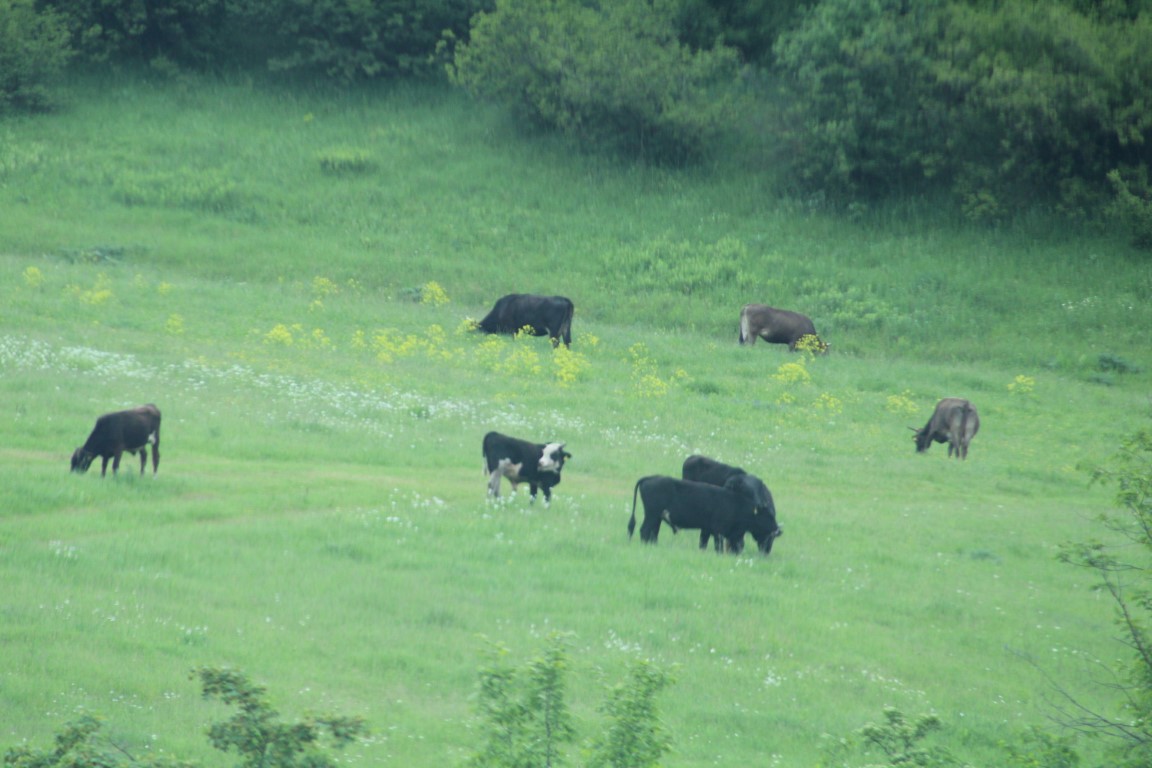
 Cattle and sheep trapsing farmward.
 Farmer mulls a missing shepherd,
 Leaning on his staff, still on guard.
 Pheasants cluck, wheat heads are heavy,
 Silkworms dormant, mulberry leaves few.
 Farmers stand, hoes on their shoulders,
 Telling old tales, as if they were new.
  How I envy the idle time --
  To chat about mankind's decline.
This is poem #16 of the 300 Tang Poems [唐诗三百首.] The original poem in Simplified Chinese is:
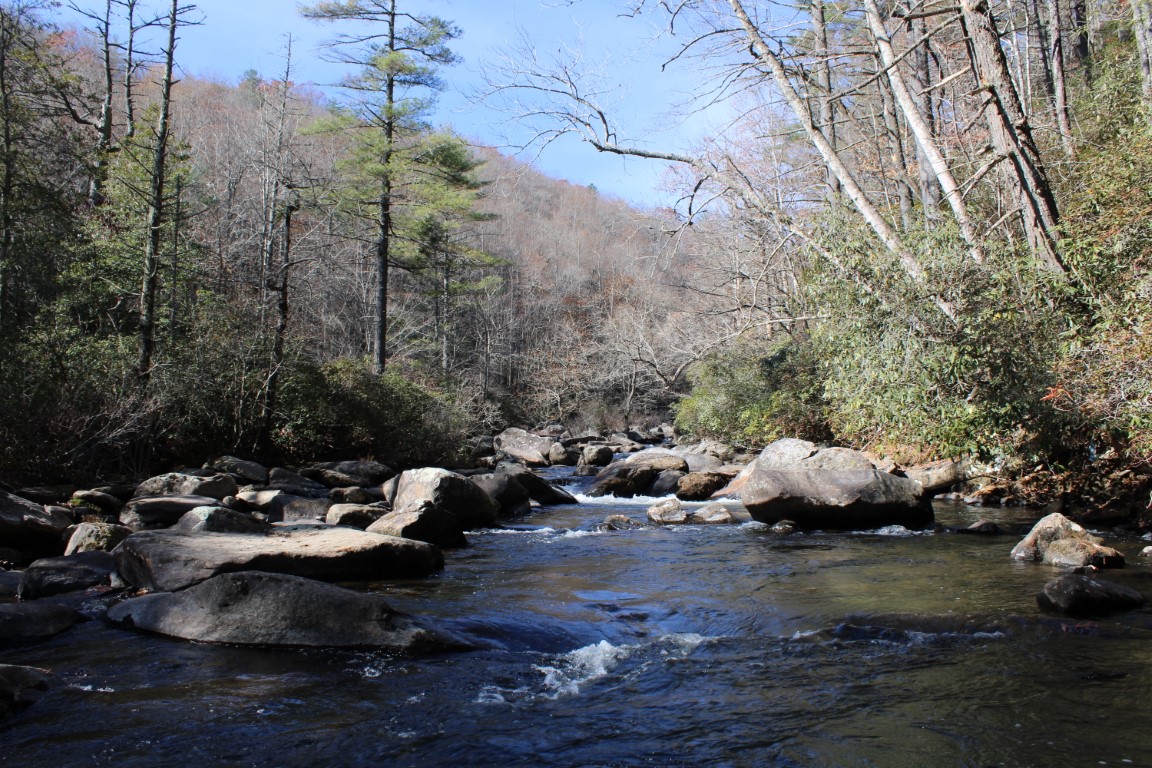
A clear stream passes by the
   mountain clad in green;
 The clear sky and clear water
   melt in autumn hue.
 Far far away from the tumultuous
   world unclean,
 Long long will white clouds and
    red leaves be friend to you.
Note: This is the joint translation of Xu Yuanchong and Xu Ming found in the edition of Golden Treasury of Quatrains and Octaves on which they collaborated (i.e. China Publishing Group: Beijing (2008) p. 64.)
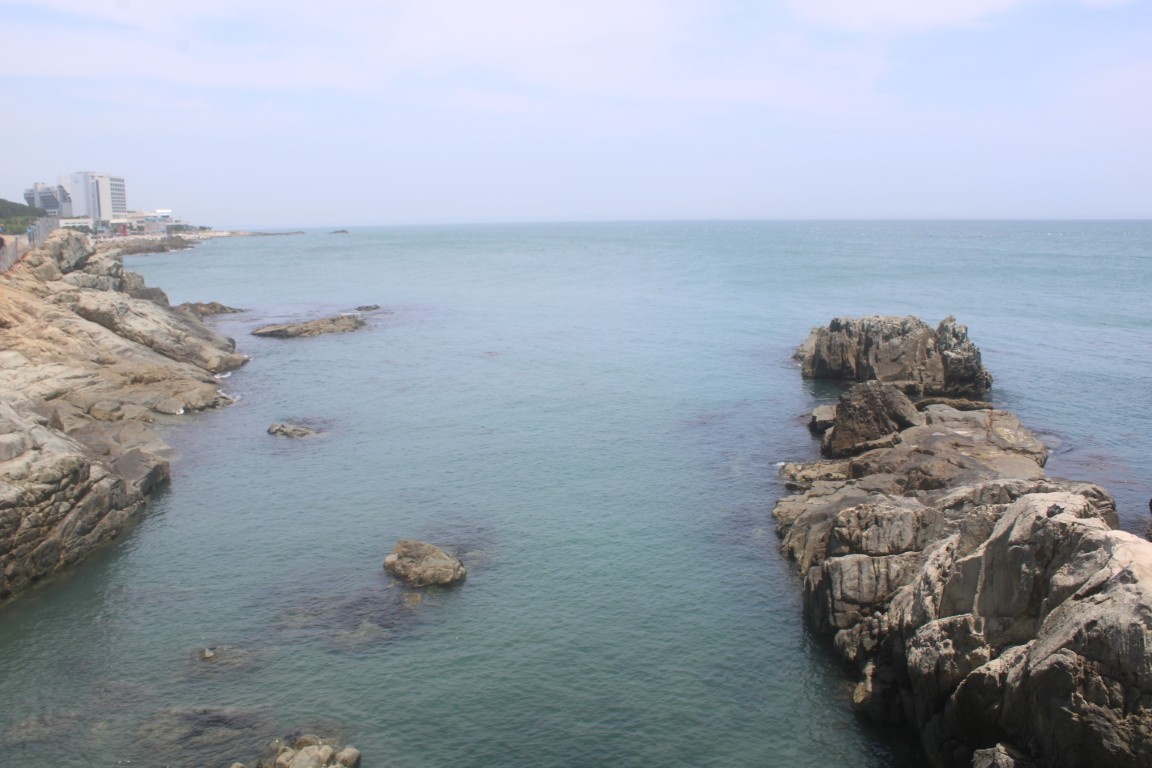
Adieu, adieu! my native shore
 Fades o'ver the waters blue;
 The night-winds sigh, the breakers roar,
 And shrieks the wild sea-mew.
 Yon sun that sets upon the sea
 We follow in his flight;
 Farewell awhile to him and thee,
 My native Land-Good Night!
 A few short hours, and he will rise
 To give the morrow birth;
 And I shall hail the main and skies,
 But not my mother earth.
 Deserted is my own good hall,
 Its hearth is desolate;
 Wild weeds are gathering on the wall;
 My dog howls at the gate.
Splendid thoughts arise from joined words --
   Lucidity is awakened:
 Luminous like adorned brocade,
 Doleful as a string serenade.
 But if crib suspicions aren't killed,
 It'll be just one more pulp piece.
 Though you may be these word's weaver--
   Some ancestor, the prime conceiver.
 You must be just and rise above,
 Though it kills words you've grown to love.
Here lies the body of this world,
 Whose soul alas to hell is hurled.
 This golden youth long since was past,
 Its silver manhood went as fast,
 An iron age drew on at last;
 'Tis vain its character to tell,
 The several fates which it befell,
 What year it died, when 'twill arise,
 We only know that here it lies.
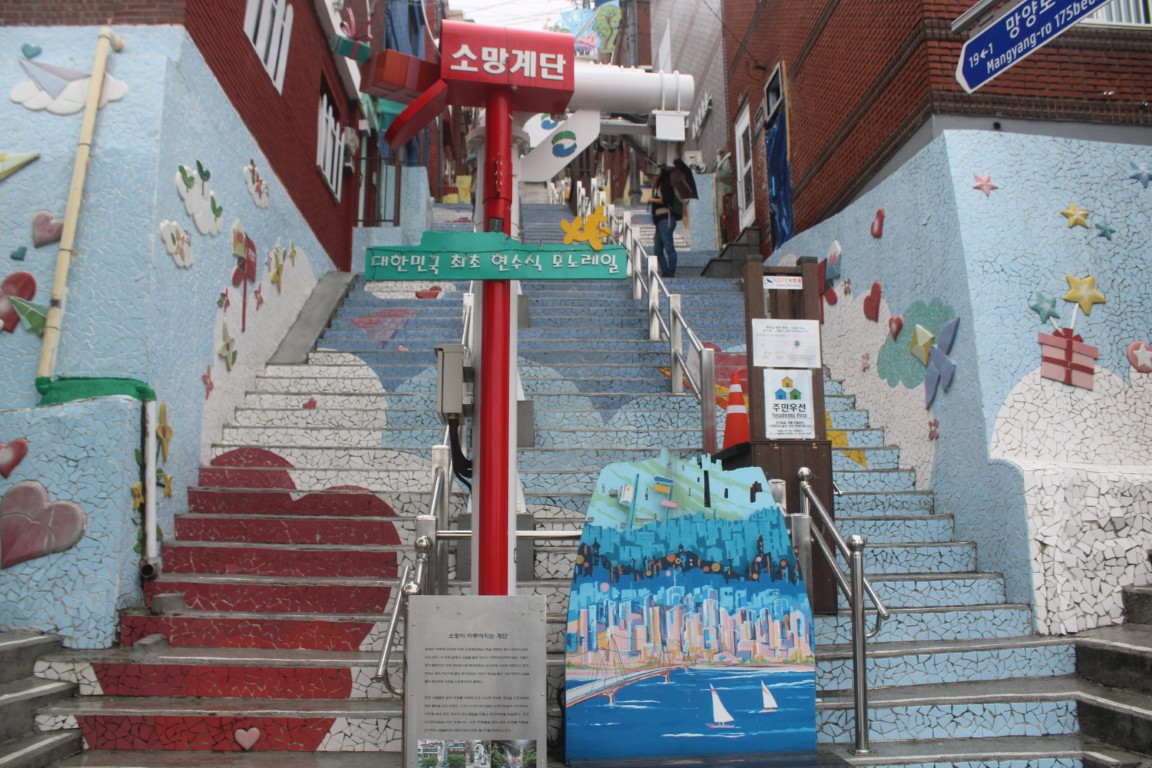
There was a young man from Busan --
 'Twas up the hillside he lived on
   That - pressed for time -
   He bought a zipline,
 But got stuck, dangling above Busan.
I walk the narrow path,
   Clogs divoting the moss.
 White clouds over the shore;
   Gate obscured by Spring grass.
 Post-rain, I see the pines,
   Follow stream to its source.
 Flower-mind, then Zen Mind --
   Arrived! Words have no force.
This is poem #136 of the 300 Tang Poems [唐诗三百首.] The original in Simplified Chinese goes:
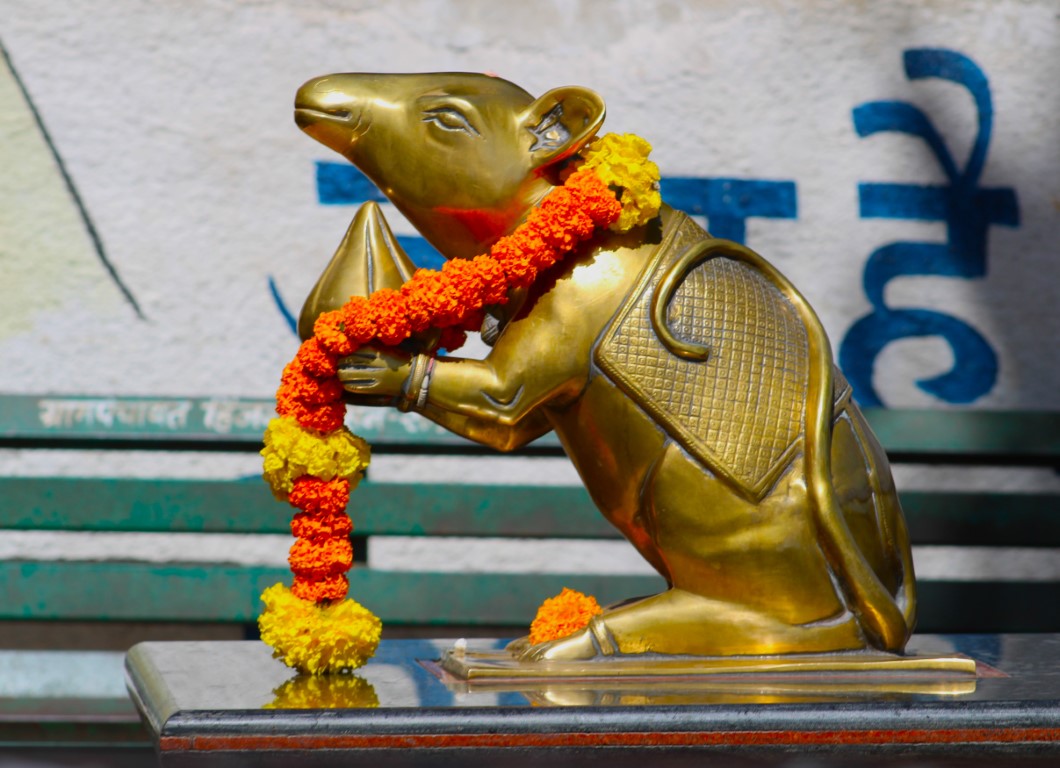
Who knows this or that?
 Hark in the wall to the rat:
 Since the world was, he has gnawed;
 Of his wisdom, of his fraud
 What dost thou know?
 In the wretched little beast
 Is life and heart,
 Child and parent,
 Not without relation
 To fruitful field and sun and moon.
 What art thou? His wicked eye
 Is cruel to thy cruelty.











 Tiger Riding for Beginners