“I Sing the Body Electric” [5 of 9] by Walt Whitman [w/ Audio]

This is the female form,
A divine nimbus exhales from it from head
to foot,
It attracts with fierce undeniable attraction,
I am drawn by its breath as if I were no
more than a helpless vapor, all falls aside
but myself and it,
Books, art, religion, time, the visible and
solid earth, and what was expected of
heaven or fear'd of hell, are now
consumed,
Mad filaments, ungovernable shoots play
out of it, the response likewise
ungovernable,
Hair, bosom, hips, bend of legs, negligent
falling hands all diffused, mine too
diffused,
Ebb stung by the flow and flow stung by the
ebb, love-flesh swelling and deliciously
aching,
Limitless limpid jets of love hot and
enormous, quivering jelly of love, white-
blow and delirious juice,
Bridegroom night of love working surely
and softly into the prostrate dawn,
Undulating into the willing and yielding
day,
Lost in the cleave of the clasping and sweet-
flesh'd day.

This the nucleus -- after the child is born of
woman, man is born of woman,
This the bath of birth, this the merge of
small and large, and the outlet again.

Be not ashamed women, your privilege
encloses the rest, and is the exit of the
rest,
You are the gates of the body, and you are
the gates of the soul.

The female contains all qualities and
tempers them,
She is in her place and moves with perfect
balance,
She is all things duly veil'd, she is both
passive and active,
She is to conceive daughters as well as sons,
and sons as well as daughters.

As I see my soul reflected in Nature,
As I see through a mist, One with
inexpressible completeness, sanity, beauty,
See the bent head and arms folded over the
breast, the Female I see.

“I Sing the Body Electric” [4 of 9] by Walt Whitman [w/ Audio]

I have perceiv'd that to be with those l like
is enough,
To stop in company with the rest at evening
is enough,
To be surrounded by beautiful, curious,
breathing, laughing flesh is enough,
To pass among them or touch any one, or
rest my arm ever so lightly round his or
her neck for a moment, what is this then?
I do not ask any more delight, I swim in it
as in a sea.

There is something in staying close to men
and women and looking on them, and in
the contact and odor of them, that
pleases the soul well,
All things please the soul, but these please
the soul well.

“I Sing the Body Electric” [2 of 9] by Walt Whitman [w/ Audio]

The love of the body of man or woman
balks account, the body itself balks,
account,
That of the male is perfect, and that of
the female is perfect.

The expression of the face balks account,
But the expression of a well-made man
appears not only in his face,
It is in his limbs and joints also, it is
curiously in the joints of his hips and
wrists,
It is in his walk, the carriage of his neck, the
flex of his waist and knees, dress does not
hide him,
The strong sweet quality he has strikes
through the cotton and broadcloth,
To see him pass conveys as much as the best
poem, perhaps more,
You linger to see his back, and the back of
his neck and shoulder-side.

The sprawl and fulness of babes, the bosoms
and heads of women, the folds of their
dress, their style as we pass in the street,
the contour of their shape downwards,
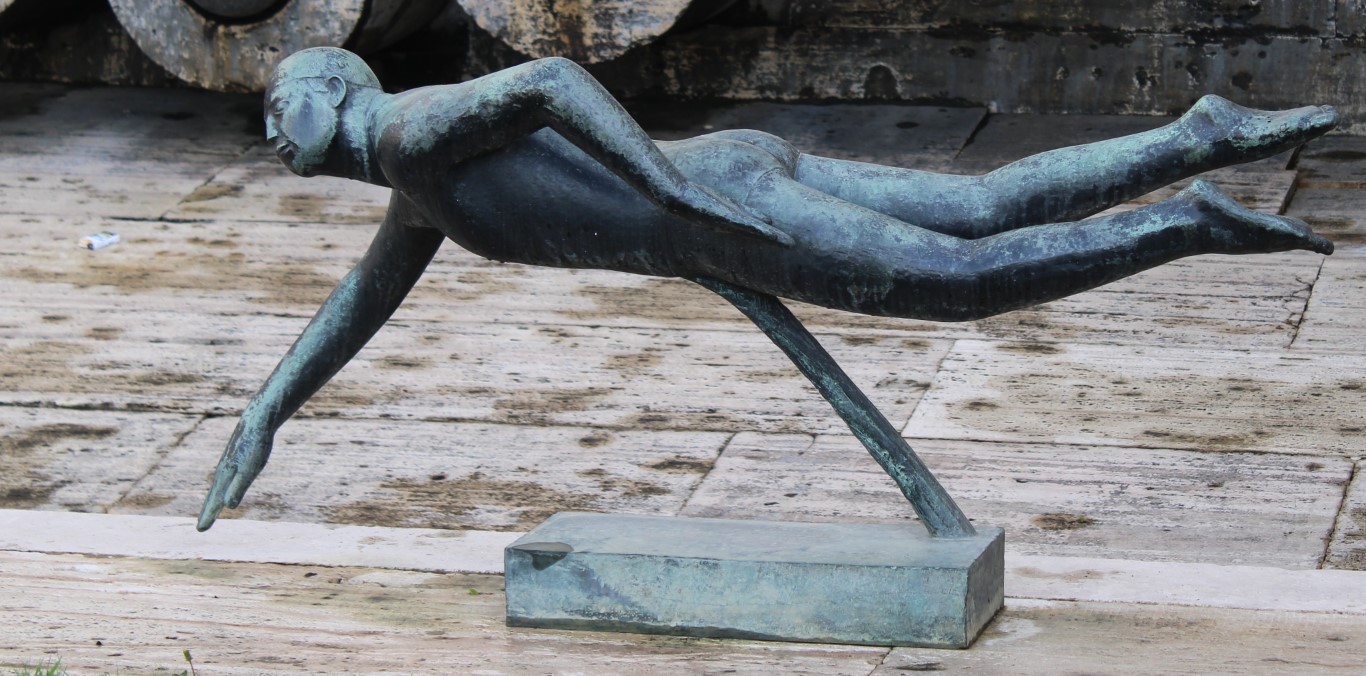
The swimmer naked in the swimming-bath,
seen as he swims through the transparent
green-shine, or lies with his face up and
rolls silently to and fro in the heave of the
water,
The bending forward and backward of
rowers in row-boats, the horseman in his
saddle,
Girls, mothers, house-keepers, in all their
performances,
The group of laborers seated at noon-time
with their open dinner-kettles, and their
wives waiting,
The female soothing a child, the farmer's
daughter in the garden or cow-yard,
The young fellow hoeing corn, the sleigh-
driver driving his six horses through the
crowd,
The wrestle of wrestlers, two apprentice-
boys, quite grown, lusty, good-natured,
native-born, out on the vacant lot at sun-
down after work,
The coats and caps thrown down, the
embrace of love and resistance,
The upper-hold and the under-hold, the hair
rumpled over and blinding their eyes;
The march of firemen in their own
costumes, the play of masculine muscle
through clean-setting trowsers and waist-
straps,
The slow return from the fire, the pause
when the bell strikes suddenly again, and
the listening on the alert,
The natural, perfect, varied attitudes, the
bent head, the curv'd neck and the
counting;
Such-like I love -- I loosen myself, pass
freely, am at the mother's breast with the
little child,
Swim with the swimmers, wrestle with
wrestlers, march in line with the firemen,
and pause, listen, count.

“I Sing the Body Electric” [1 of 9] by Walt Whitman [w/ Audio]

I sing the body electric,
The armies of those I love engirth me
and I engirth them,
They will not let me off till I go with them,
respond to them,
And discorrupt them, and charge them full
with the charge of the soul.

Was it doubted that those who corrupt
their own bodies conceal themselves?
And if those who defile the living are as bad
as they who defile the dead?
And if the body does not do fully
as much as the soul?
And if the body were not the soul,
what is the soul?

BOOKS: “Idle Thoughts of an Idle Fellow” by Jerome K. Jerome

Idle Thoughts of an Idle FellowIdle Thoughts of an Idle Fellow by Jerome K. Jerome
My rating: 5 of 5 stars

Project Gutenberg Site

This is a collection of fourteen humorous essays on a range of topics related to human existence. Besides the titular topic of living a life of idleness, other discussions include: love, poverty, vanity, attire, eating, pets and babies. (The latter two being distinct topics addressed in different chapters, though not with an altogether different attitude.)

Much of the humor holds up well considering this book originally came out almost a hundred and forty years ago. That said, it must be acknowledged that some of the humor and a number of the attitudes have not aged well and will not necessarily be relatable.

If you’re looking for a collection of essays on life that are humorous, if not contemporary, this book is worth looking into.

View all my reviews

“Men Say They Know Many Things” by Henry David Thoreau [w/ Audio]

Men say they know many things;
But lo! they have taken wings, --
The arts and sciences,
And a thousand appliances;
The wind that blows
Is all that any body knows.

Five Wise Lines (August 2024)

Empires arise from chaos, and empires collapse back into chaos. This we have known since time began.

The romance of the three kingdoms by luo guanzhong

Being poor is a mere trifle. It is being known to be poor that is the sting.

Jerome k. jerome; “On being hard up”

The art of war teaches us to rely not on the likelihood of the enemy’s not coming, but on our own readiness to receive him…

Sun tzu; The art of war

It is impossible to enjoy idling thoroughly unless one has plenty of work to do.

Jerome k. Jerome; “On being idle”

The wise man, like a child, can be filled with wonder at anything.

Tibetan proverb

“The Wise” by Countee Cullen [w/ Audio]

(For Alain Loch)

Dead men are wisest, for they know
How far the roots of flowers go,
How long a seed must rot to grow.

Dead men alone bear frost and rain
On throbless heart and heatless brain,
And feel no stir of joy or pain.

Dead men alone are satiate;
They sleep and dream and have no weight,
To curb their rest, of love or hate.

Strange, men should flee their company,
Or think me strange who long to be
Wrapped in their cool immunity.

PROMPT: Blog – Change

Daily writing prompt
What change, big or small, would you like your blog to make in the world?

If I’m being entirely honest, everything that’s come out of this enterprise has been of selfish motive — even those activities that seem like they have broader purpose. For example, I started book reviewing because: a.) I found it disheartening how many books I read that I had virtually no recollection of a couple years down the line, and b.) because, while I felt I knew good writing when I read it, I couldn’t really say what it was that made it good or bad without taking a more analytical look into the matter. (And I was pretty sure good writing wouldn’t come to me osmotically — merely by reading good writing — if I didn’t understand why it was good writing.)

I started recording classic poems to get a better sense of the sound quality of well-crafted poetry (and to become more comfortable with the sound of my own voice.)

I guess the honest answer is that I hope to be smarter and more capable as a result of the practice. It is continuing education, a fostering of the Beginner’s Mind.