


Embrace play, go hog wild with imagination, and have a short memory for adversity.
PROMPT: Kid at Heart
Reply

Embrace play, go hog wild with imagination, and have a short memory for adversity.
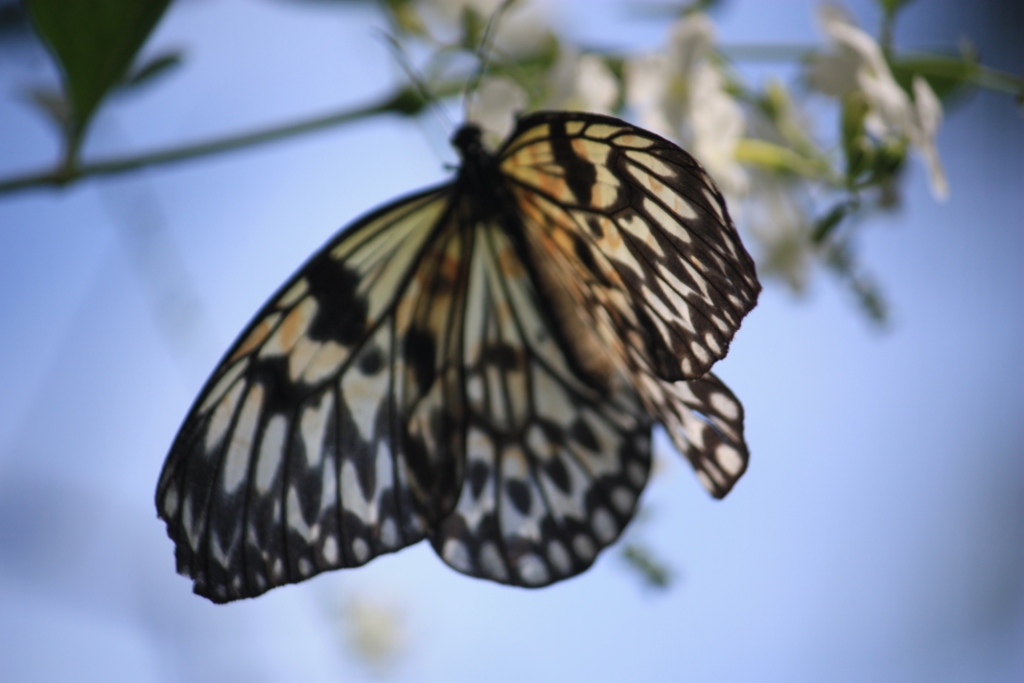
Stay near me—do not take thy flight!
  A little longer stay in sight!
  Much converse do I find in Thee,
  Historian of my Infancy!
  Float near me; do not yet depart!
  Dead times revive in thee:
  Thou bring'st, gay Creature as thou art!
  A solemn image to my heart,
  My Father's Family!

  Oh! pleasant, pleasant were the days,
  The time, when in our childish plays
  My sister Emmeline and I
  Together chased the Butterfly!
  A very hunter did I rush
  Upon the prey:—with leaps and springs
  I follow'd on from brake to bush;
  But She, God love her! feared to brush
  The dust from off its wings.
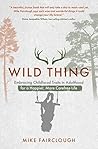 Wild Thing: Embracing Childhood Traits in Adulthood for a Happier, More Carefree Life by Mike Fairclough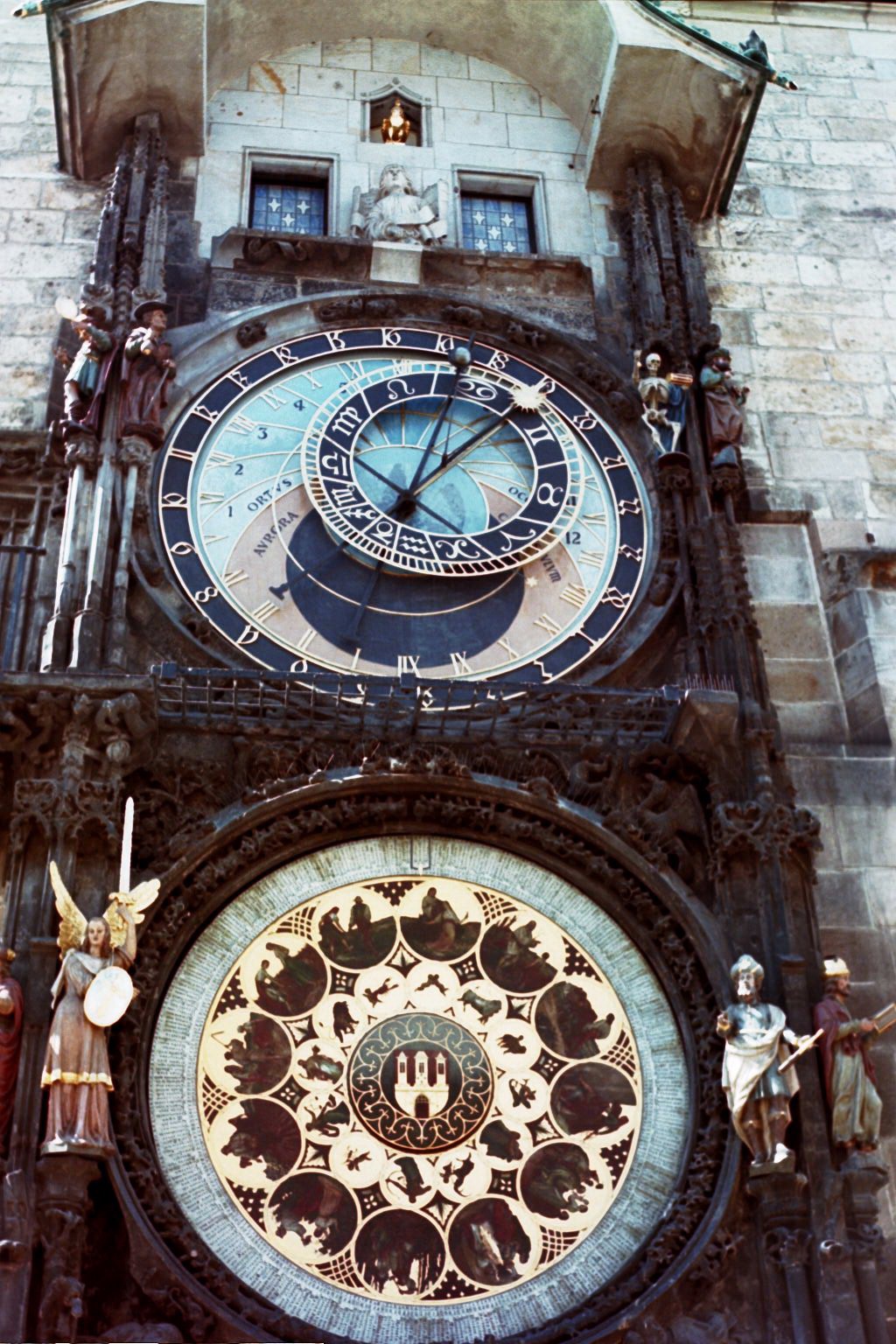
The clock will go slow
 If you watch it, you know;
   You must work right along and forget it.
 So study your best
 Till it's time for a rest,
    The clock will go fast, if you let it!

When the voices of the children are heard on the green
   And whisp'rings are in the dale,
 The days of my youth rise fresh in my mind,
   My face turns green and pale.

Then come home, my children, the sun is gone down,
   And the dews of night arise;
 Your spring & your day are wasted in play,
   And your winter and night in disguise.

Look in thy glass and tell the face thou viewst,
 Now is the time that face should form another,
 Whose fresh repair if now thou not renewest,
 Thou dost beguile the world, unbless some mother.
 For where is she so fair whose uneared womb
 Disdains the tillage of thy husbandry?
 Or who is he so fond will be the tomb
 Of his self-love, to stop posterity?
 Thou art thy mother's glass, and she in thee
 Calls back the lovely April of her prime;
 So thou through windows of thine age shalt see,
 Despite of wrinkles, this thy golden time.
   But if thou live rememb'rd not to be,
   Die single, and thine image dies with thee.
Would the world ever have been made if its maker had been afraid of making trouble?
george bernard shaw, PygMalion
Refrain from talk of others’ shortcomings; don’t rest on your strengths.
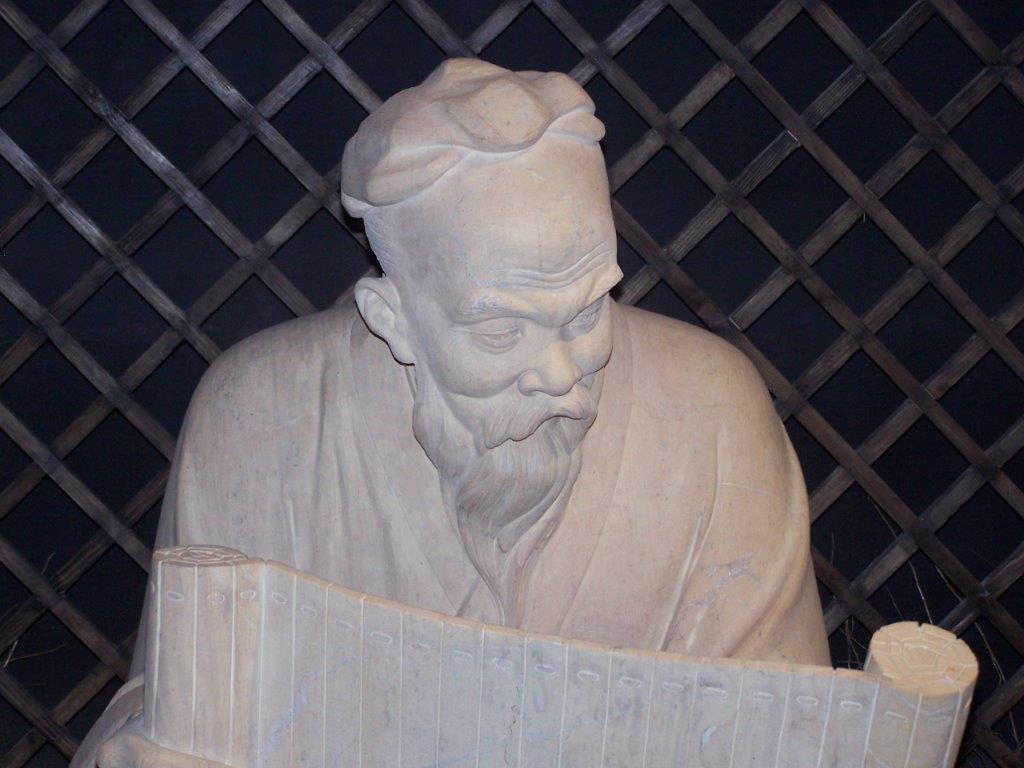
Thousand Character classic [千字文]
[罔谈彼短; 靡恃己长.]
The reasonable man adapts himself to the world: the unreasonable one persists in trying to adapt the world to himself. Therefore all progress depends on the unreasonable man.
george bernard shaw, Man and superman
A child is the most reliable measure of time. His daily growth is proof of your daily ageing and decline. The child’s gains are your losses, and the closer a child gets to anything, the farther you withdraw, as though you were tied to one another on opposite spokes of a wheel and the wheel, without your noticing it, turns. Dawn for the child is dusk for you.
Otar chiladze, A Man was going down the road
We are all dependent on one another, every soul of us on earth.
George bernard shaw, Pygmalion

Father, father, where are you going
   O do not walk so fast.
 Speak father, speak to your little boy
   Or else I shall be lost,

The night was dark no father was there
   The child was wet with dew,
 The mire was deep, & the child did weep
   And away the vapour flew.
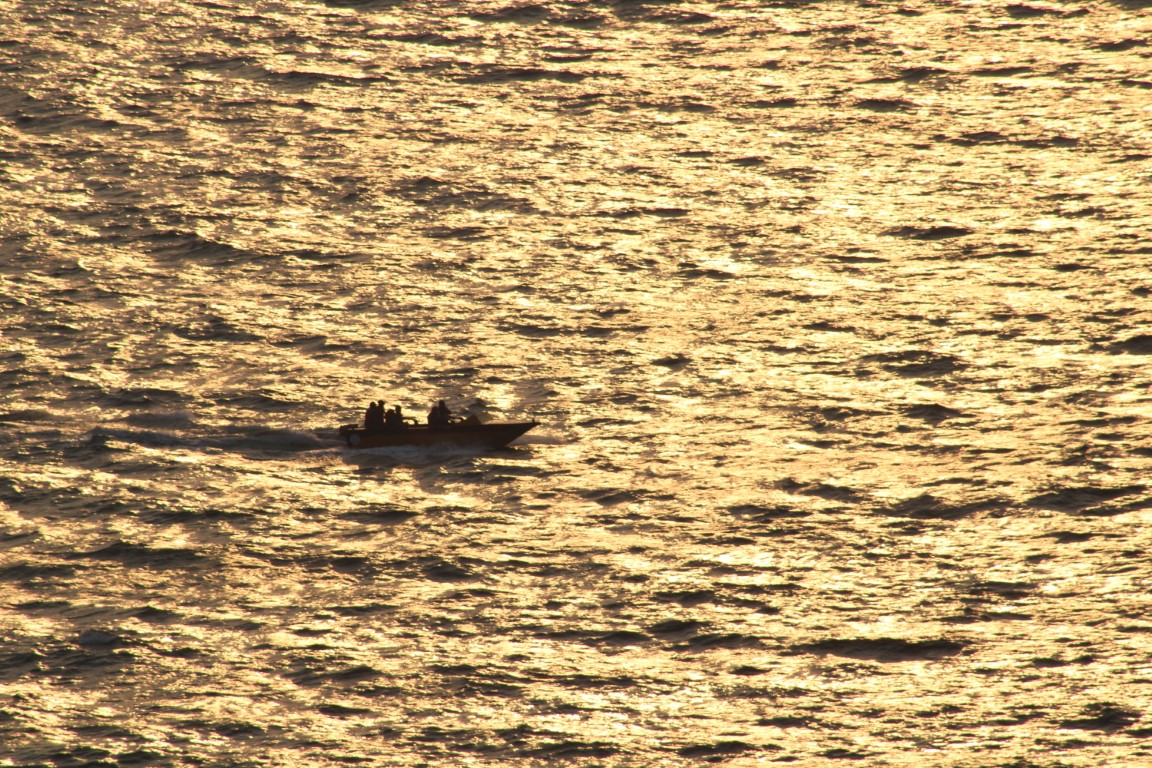
A boat beneath a sunny sky,
 Lingering onward dreamily
  In an evening of July --

Children three that nestle near,
 Eager eye and willing ear,
  Pleased a simple tale to hear --

Long has paled that sunny sky:
 Echoes fade and memories die:
  Autumn frosts have slain July.

Still she haunts me, phantomwise,
 Alice moving under skies
  Never seen by waking eyes.

Children yet, the tale to hear,
 Eager eye and willing ear,
  Lovingly shall nestle near.

In a Wonderland they lie,
 Dreaming as the days go by,
  Dreaming as the summers die:

Ever drifting down the stream --
 Lingering in the golden gleam --
  Life, what is it but a dream?
 A Child’s Garden Of Verses by Robert Louis Stevenson


 Tiger Riding for Beginners