PROMPT: Physical Activities or Exercises

Daily writing prompt
What are your favorite physical activities or exercises?

I never met a one I didn’t like.

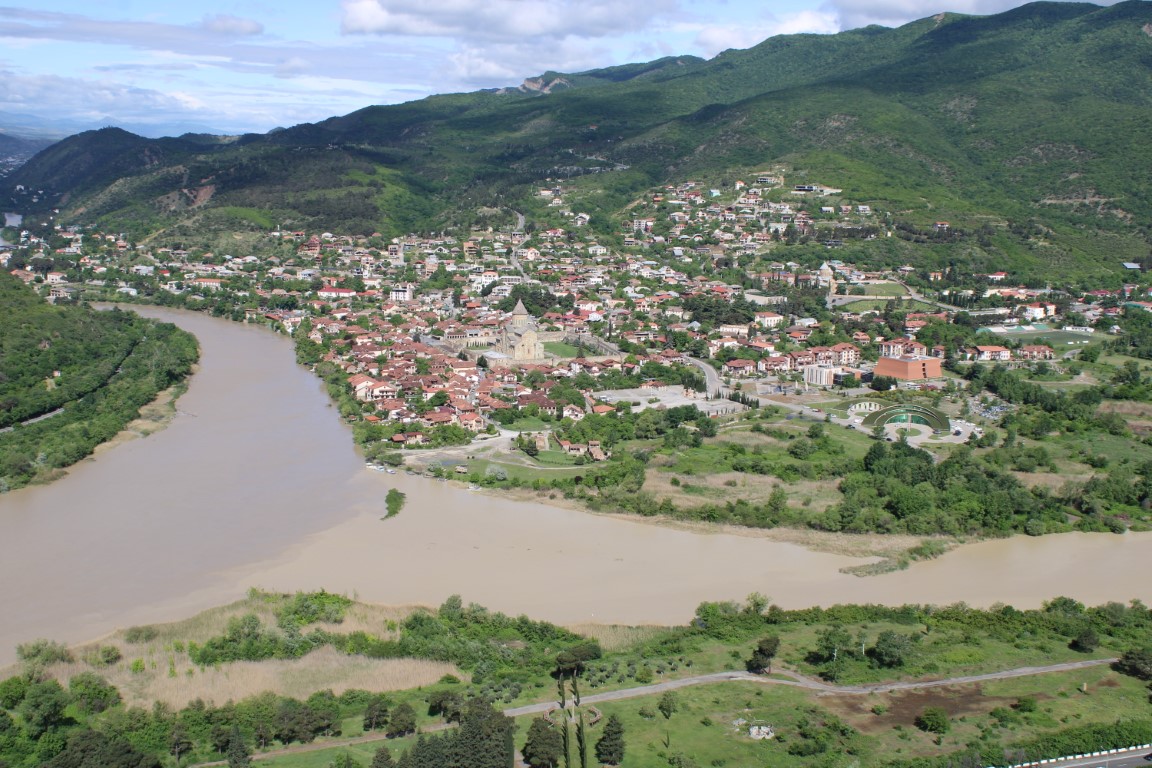
Light Rides Dark [Haiku]

rivers merge;
two cocoa hues seem unmixed,
but light rides the dark.
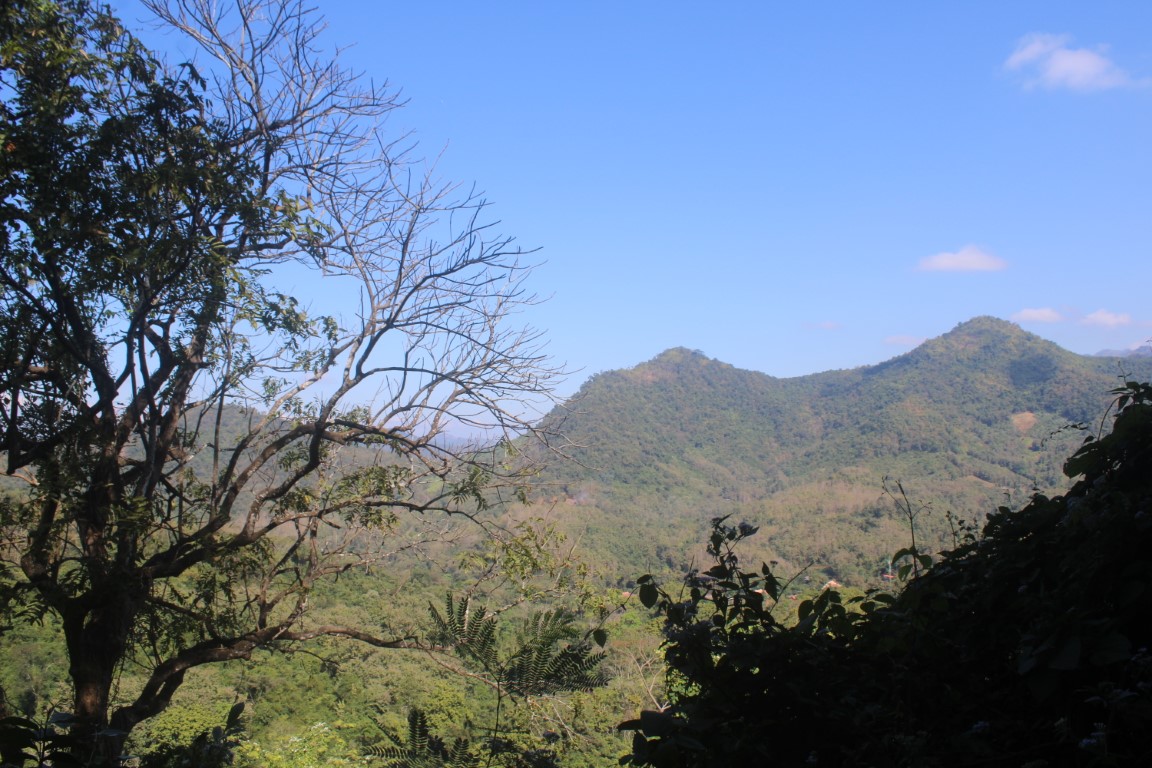
Yin / Yang [Haiku]

shady side:
sight of sunlit mountain
warms one's core.

BOOKS: “Original Tao” by Harold D. Roth

Original Tao: Inward Training (Nei-yeh) and the Foundations of Taoist Mysticism (Translations from the Asian Classics)Original Tao: Inward Training (Nei-yeh) and the Foundations of Taoist Mysticism by Harold D. Roth
My rating: 5 of 5 stars

Publisher site – Columbia University Press

This book is built around a translation of an old Taoist manual called “Inward Training” (i.e. 内业,) and the book serves not only to elaborate the meaning of the twenty-six poems that make up the manual, but also to put this work in a context with respect to its place in early Taoist mysticism — which raises further questions as to what constitutes early Taoism and early Taoist mysticism. (Just as the earliest followers of Jesus didn’t think of themselves as “Christians” – at least not as we understand that term – it’s an open question as to when people started to think of themselves as Taoists and how that start relates to when people began holding a set of proto-beliefs that formed the basis of the school(s) of philosophy.)

“Inward Training” presents breathwork and meditational exercises that Roth calls “inner cultivation” — or what some have called “inner alchemy.” The book does contain the entire manual both in Traditional Chinese and an English translation, as well as a much more extensive elaboration of the teachings of the manual. The latter is necessary because, like many old manuals, sparse description, archaic language, and assumptions about common knowledge du jour make it difficult for the layman to get any depth of understanding from the manual, itself.

This is a scholarly work, which means that its readability isn’t the highest and it does dive into matters that will be arcana for non-expert readers. That said, particularly as works of academic philosophy go, its readability isn’t bad. The book is heavily annotated and offers and extensive bibliography.

If you are interested in Taoist practices of breath, meditation, and alignment, this book is well worth investigating.

View all my reviews

PROMPT: Leisure Time

Daily writing prompt
What do you enjoy doing most in your leisure time?

That’s trickier than it seems. I quite enjoy reading and many forms of bodily movement activities (e.g. swimming, yoga, taiji, qigong, exercise, etc.,) but I’d count them more as personal development activities than leisure activities. (Even something as seemingly non-purposeful as juggling.) I sometimes watch TV / movies, but I don’t know that I’d say I enjoy that so much as find it an opportunity to zone out.
BOOKS: “Tai-Chi Chuan in Theory and Practice” by Kuo Lien-Ying [ed. Simmone Kuo]

Tai-Chi Chuan in Theory and PracticeTai-Chi Chuan in Theory and Practice by Kuo Lien-Ying
My rating: 4 of 5 stars

Publisher Site

This brief book discusses Taijiquan primarily from a philosophical perspective. Though a significant amount of the book’s page-count consists of full-page pictures of various taijiquan movements, it isn’t so much a how-to book. Readers who enjoy an eclectic book that’s short and sweet but also kind of all over the place have a good chance of liking this book and gaining from its varied tidbits of wisdom. Readers who favor books with a clear organization and internal logic will probably find this to be an odd stew of short writings (essays, guides, poems, scriptural excerpts, etc.) It should be noted that not all of the writings are from Kuo Lien-Ying, himself. It includes a translation of a manual by Wang Tsung-Yue (13th Century) as well as an appendix consisting of writings from the Daodejing, Tang Dynasty poetry, and quotes from Mencius and Confucius. It also features a chapter on the I-Ching and Taiji philosophy by Kuo’s wife, Simmone Kuo. Besides the Wang manual, which is right up the alley of Kuo’s writings, it’s not clear why the other pieces were selected (not that they aren’t beneficial, but that they seem random.)

One thing I really liked about this book is that a lot of it is presented in bilingual format. For someone learning Chinese, this is quite beneficial. (Especially, given that it consists of short pieces that can be more easily consumed by a new reader.) That said, those who don’t read Chinese may see the translations as further indication of padding a pamphlet up to book scale. The monochrome photos are well-done and could definitely be of use to someone who practices taijiquan (though would not be of much use to someone new to it.)

This book is an insightful mess, make of that what you will.

View all my reviews

PROMPT: Clutter

Where can you reduce clutter in your life?

My mind. It’s a constant battle.

PROMPT: Physical Activity

Daily writing prompt
What are your favorite physical activities or exercises?

I don’t have a favorite, but there are several that I could not maintain health and sanity without, including: hiking, yoga, calisthenics, taiji / qigong, free movement, and at least one cardio (I currently swim and run.) I’m currently struggling with juggling.
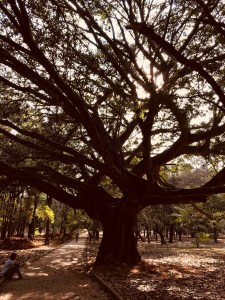
Tree Taiji [Haiku]

“turn left to go right”:
branches sweep around in arcs,
is the tree moving?
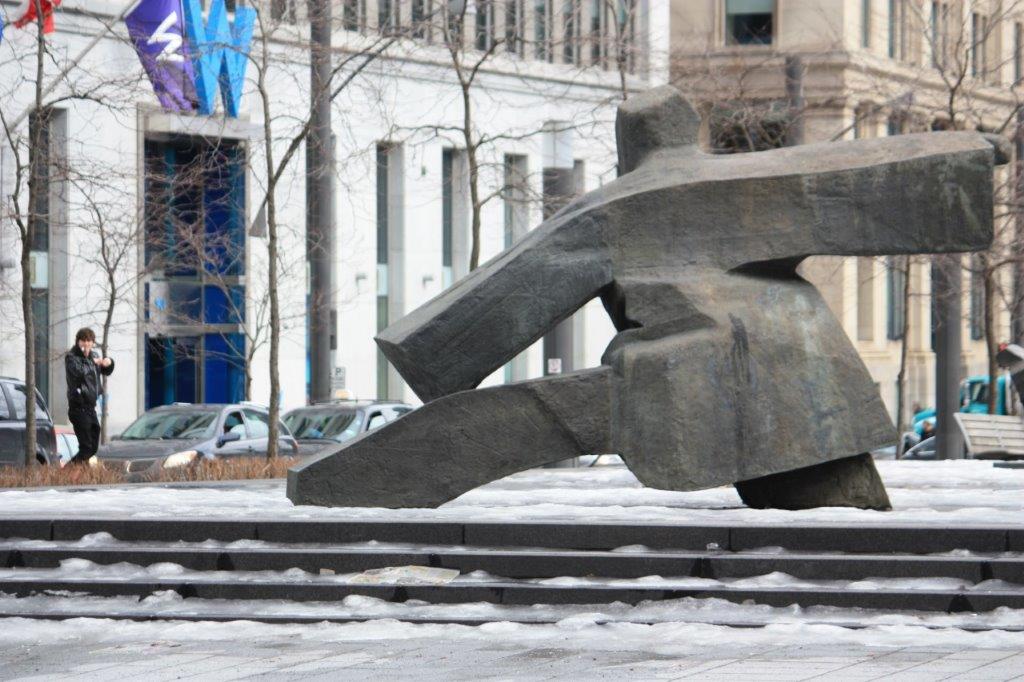
Sympathetic Flow [Common Meter]

The stone man flows; the snake creeps down -
arm becoming viper.
It's slow, but silently it flows,
stealthy as a sniper.

And though he's stone, I feel him go
via sympathetic flow.
Mirror neurons fire in my brain,
taking me high to low...

or so it feels.