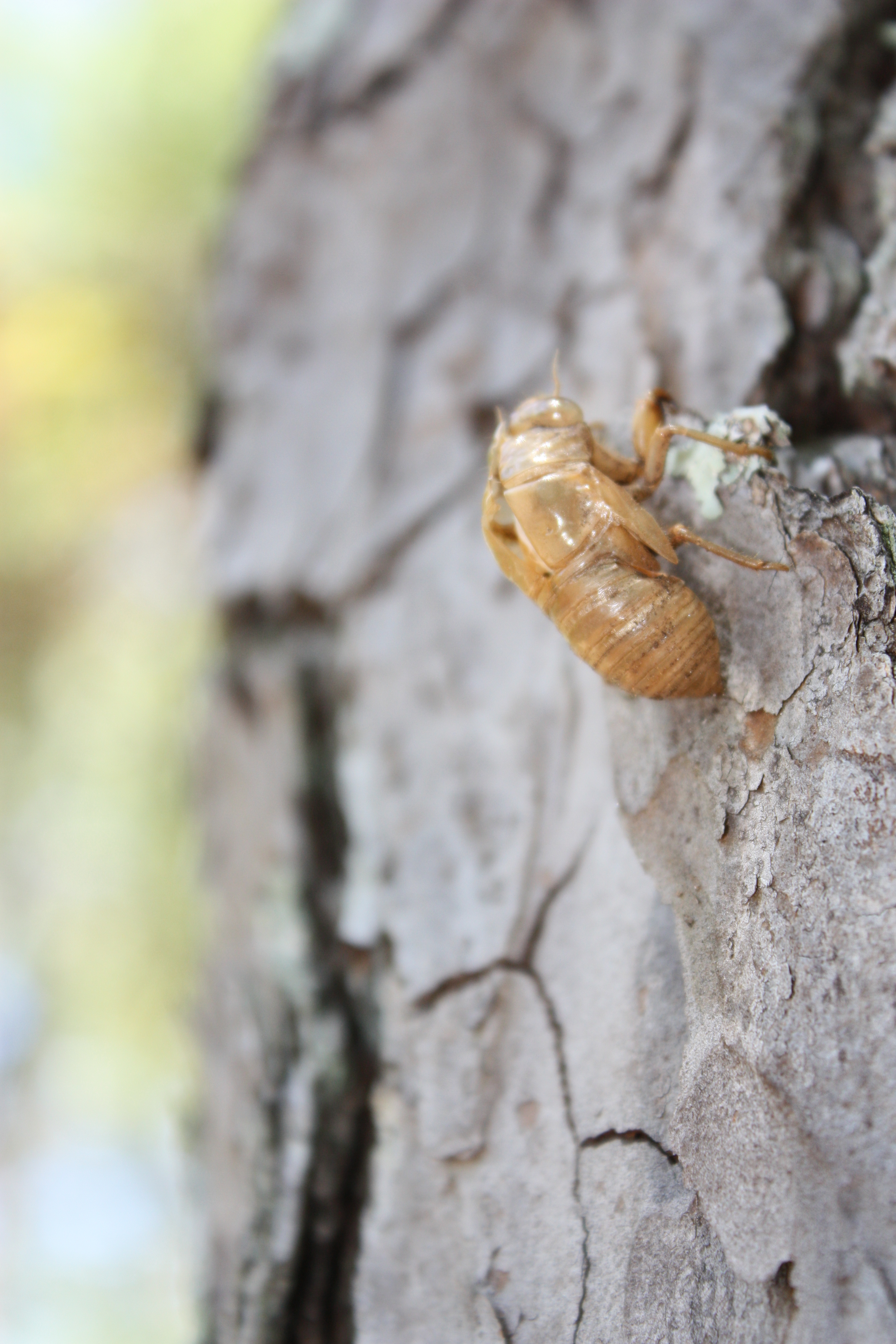
seeking cicada
 that drills my brain,
  I find only a shell.

seeking cicada
that drills my brain,
I find only a shell.
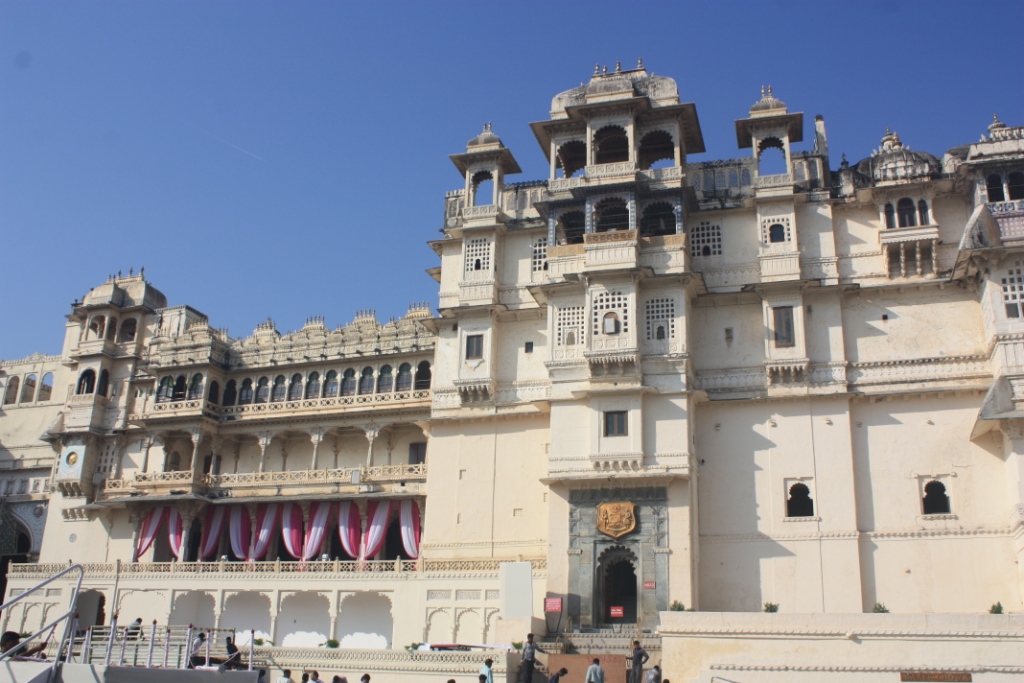
Even in a palace, life may be led well!
 So spake the imperial sage, purest of men,
 Marcus Aurelius. But the stifling den
 Of common life, where, crowded up pell-mell,

Our freedom for a little bread we sell,
 And drudge under some foolish master's
   ken
 Who rates us if we peer outside our pen --
 Match'd with a palace, is not this a hell?

Even in a palace! On his truth sincere,
 Who spoke these words, no shadow ever
   came;
 And when my ill-school'd spirit is aflame

Some nobler, ampler stage of life to win,
 I'll stop, and say: "There were no succour
   here!
 The aids to noble life are all within."
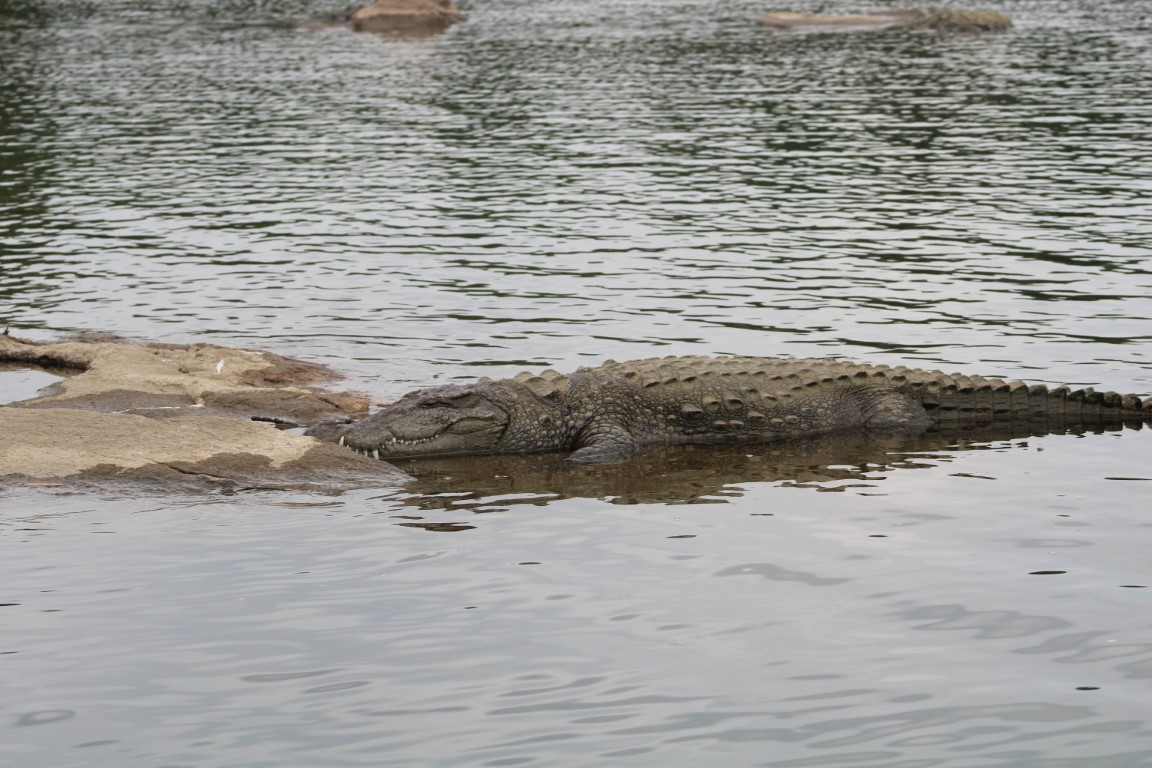
Sunning on the shore,
   As in days of yore
 When the ancient beast
   Stood its ground to feast,
 Waiting for one to crawl
   Near its gaping maw...
 Then, SNAP!
   CRUNCH! - Crunch - crunch...

With favoring winds, o'er sunlit seas,
   We sailed for the Hesperides,
 The land where golden apples grow;
   But that, ah! that was long ago.

How far, since then, the ocean streams
   Have swept us from that land of dreams,
 That land of fiction and of truth,
   The lost Atlantis of our youth!

Whither, ah, whither? Are not these
   The tempest-haunted Orcades,
 Where sea-gulls scream, and breakers roar,
   And wreck and sea-weed line the shore?

Ultima Thule! Utmost Isle!
   Here in thy harbors for a while
 We lower our sails; a while we rest
   From the unending, endless quest.

school of fish
 becomes one super-fish
  in a boat's shade.
The great road has no gate.
 It leaps out from the heads of all of you.
 The sky has no road.
 It enters into my nostrils.
 In this way we meet as Gautama's bandits,
   or Linji's troublemakers. Ha!
 Great houses tumble down and spring wind swirls.
 Astonished, apricot blossoms fly and scatter -- red.
Translated by Mel Weitsman and Kazuaki Tanahashi; printed in: Essential Zen. 1994. HarperSanFrancisco, p. 136.
Note: While Rujing was Chinese he was teacher to the prominent Japanese Zen Teacher, Dōgen Zenji, the latter published this and other poems, hence the dual categorization of it as Chinese and Japanese Literature.

orange skies blaze,
 briefly but vibrantly,
  people watch the fade.
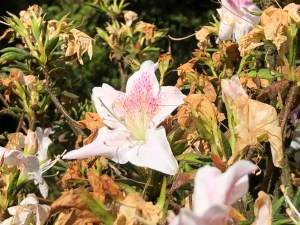
The modest Rose puts forth a thorn,
 The humble Sheep a threat’ning horn;
 While the Lilly white shall in Love delight,
 Nor a thorn, nor a threat, stain her beauty bright.


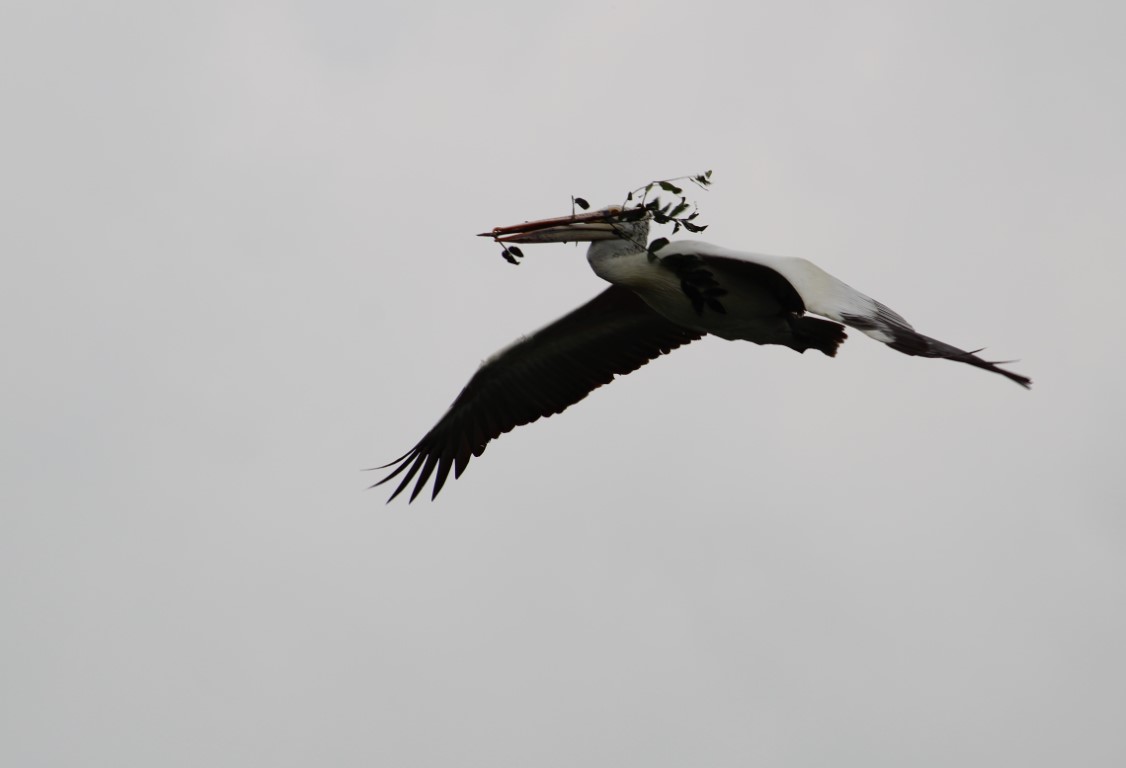





 Tiger Riding for Beginners