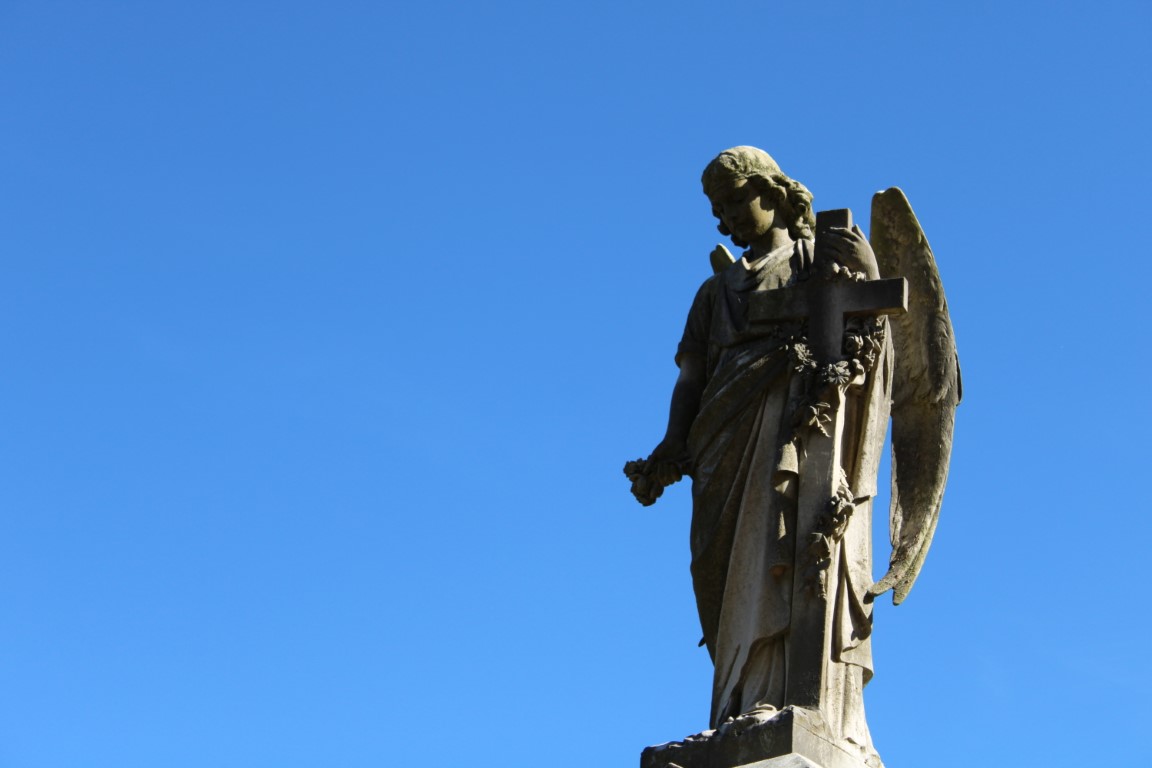
Nothing of man can be built of stone sturdy enough or steel resistant enough to become ancient by mere persistence.
It must be loved. Someone must clean the grass from the cracks, must scrub moss & mold, must replace pieces that slough off... (& must do it all with tender craftsmanship.)
I suspect anything ancient that's higher than my knee is a Theseus's ship: rebuilt stone by stone through the ages until only a wafting idea of the place remains ancient.
A woman's body at auction, She too is not only herself, she is the teeming mother of mothers, She is the bearer of them that shall grow and be mates to the mothers.
Have you ever loved the body of a woman? Have you ever loved the body of a man? Do you not see that these are exactly the same to all in all nations and times all over the earth?
If any thing is sacred the human body is sacred, And the glory and sweet of a man is the token of manhood untainted, And in man or woman a clean, strong, firm- fibered body, is more beautiful than the most beautiful face.
Have you seen the fool that corrupted his own live body? or the fool that corrupted her own live body? For they do not conceal themselves, and cannot conceal themselves.
Stony & Frozen: and yet there's something the mind loves about snowcapped mountains.
Something calming --
Maybe it's their stillness. Maybe it's a nature sync. Maybe it's that one is in a green pasture with a pleasant breeze and sun warming one's face as one looks upon those harsh and barren lands. Maybe it's awe at the proximity of the inhospitable -- the uninhabitable -- lands, lands that seem so close to one's idyllically habitable lands. (If owing more to their grandiosity than true proximity.)
A man's body at auction, (For before the war I often go to the slave- mart and watch the sale,) I help the auctioneer, the sloven does not half know his business.
Gentlemen look on this wonder, Whatever the bids of the bidders they cannot be high enough for it, For it the globe lay preparing quintillions of years without one animal or plant, For it the revolving cycles truly and steadily roll'd.
In this head the all-baffling brain, In it and below it the makings of heroes.
Examine these limbs, red, black, or white, they are cunning in tendon and nerve, They shall be stript that you may see them.
Exquisite senses, life-lit eyes, pluck, volition, Flakes of breast-muscle, pliant backbone and neck, flesh not flabby, good-sized arms and legs, And wonders within there yet.
Within there runs blood, The same old blood! the same red-running blood! There swells and jets a heart, there all passions, desires, reachings, aspirations, (Do you think they are not there because they are not express'd in parlors and lecture-rooms?)
This is not only one man, this the father of those who shall be fathers in their turns, In him the start of populous states and rich republics, Of him countless immortal lives with countless embodiments and enjoyments.
How do you know who shall come from the offspring of his offspring through the centuries? (Who might you find you have come from yourself, if you could trace back through the centuries?)
Strong winds ripple water; Forest trees are laid low... A bitter urge to die -- One can't come; one can't go. Ten decades flow, stream-like; Riches are cold, gray ash. Life 's a death procession -- Unless you're adept and brash, And can take up the sword To hasten the anguish... No rustling dry leaves, or Leaky roof as you languish.
NOTE: The late Tang Dynasty poet, Sikong Tu (a.k.a. Ssŭ-k‘ung T‘u,) wrote an ars poetica entitled Twenty-Four Styles of Poetry. It presents twenty-four poems that are each in a different tone, reflecting varied concepts from Taoist philosophy and aesthetics. Above is a crude translation of the nineteenth of the twenty-four poems. This poem’s Chinese title is 悲慨, and it has been translated as: “Despondent,” and “Sorrowful.”