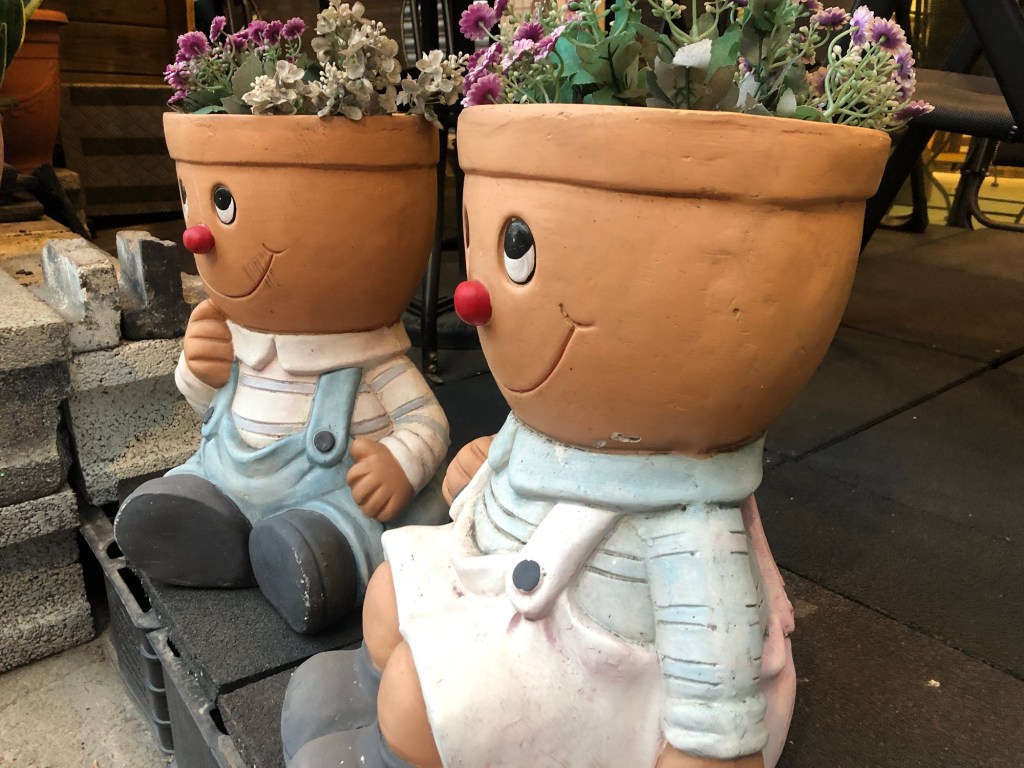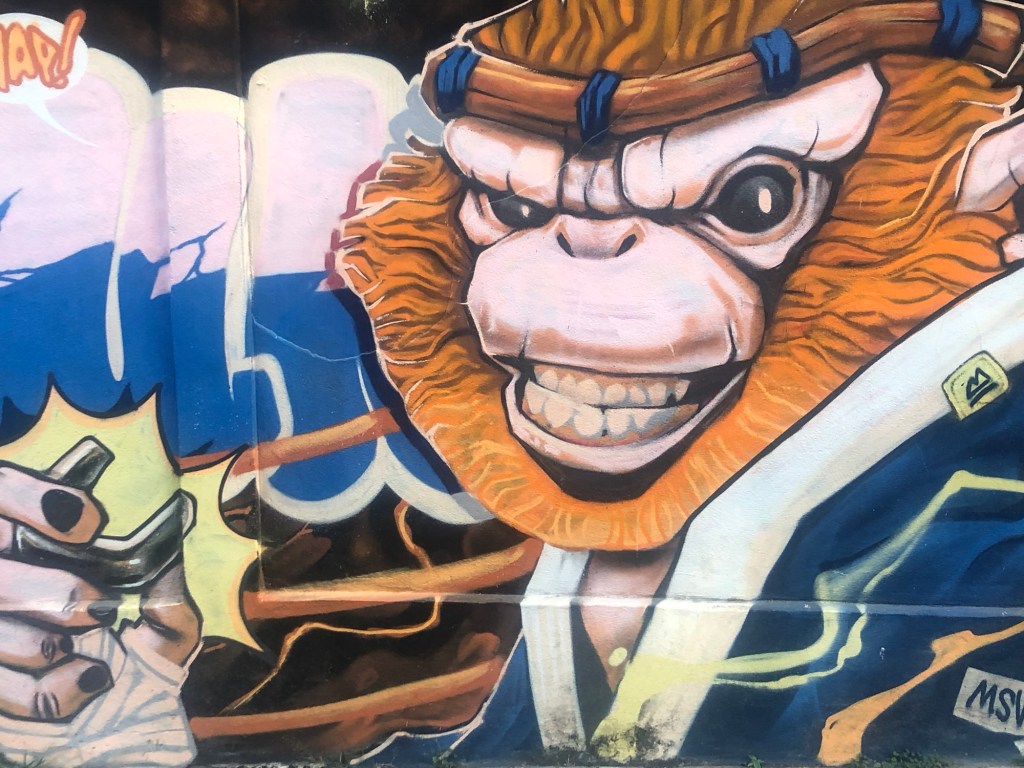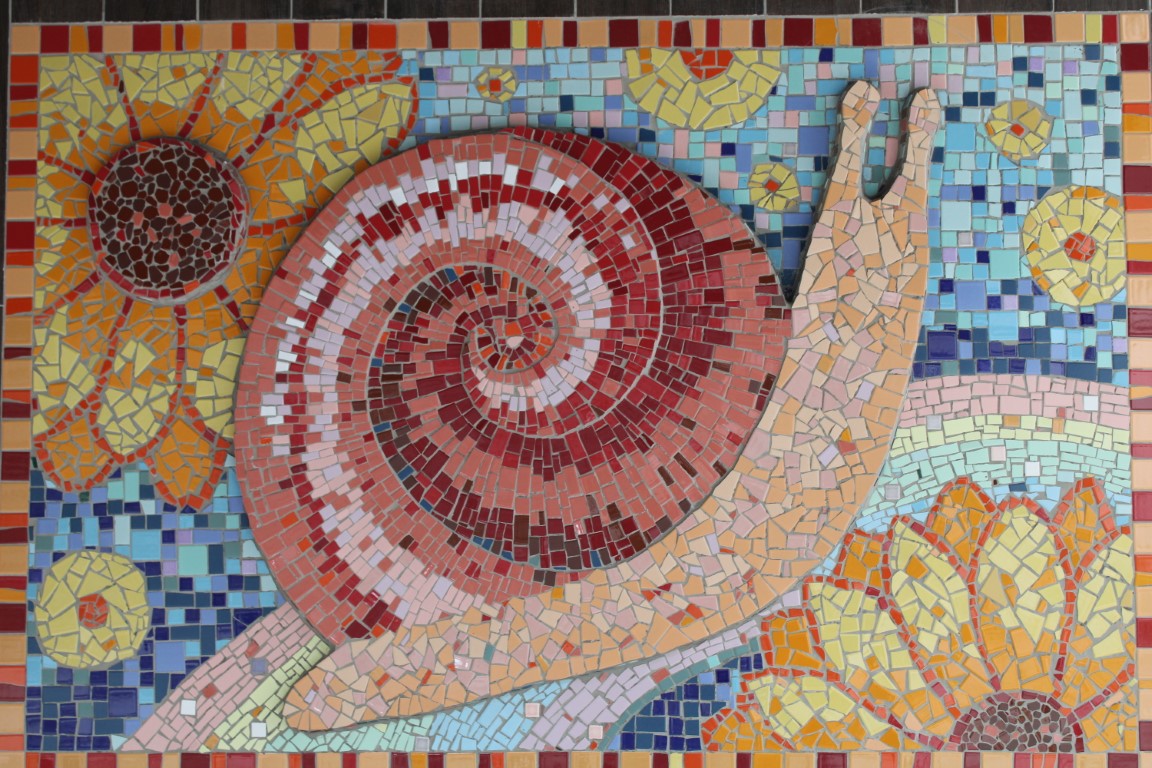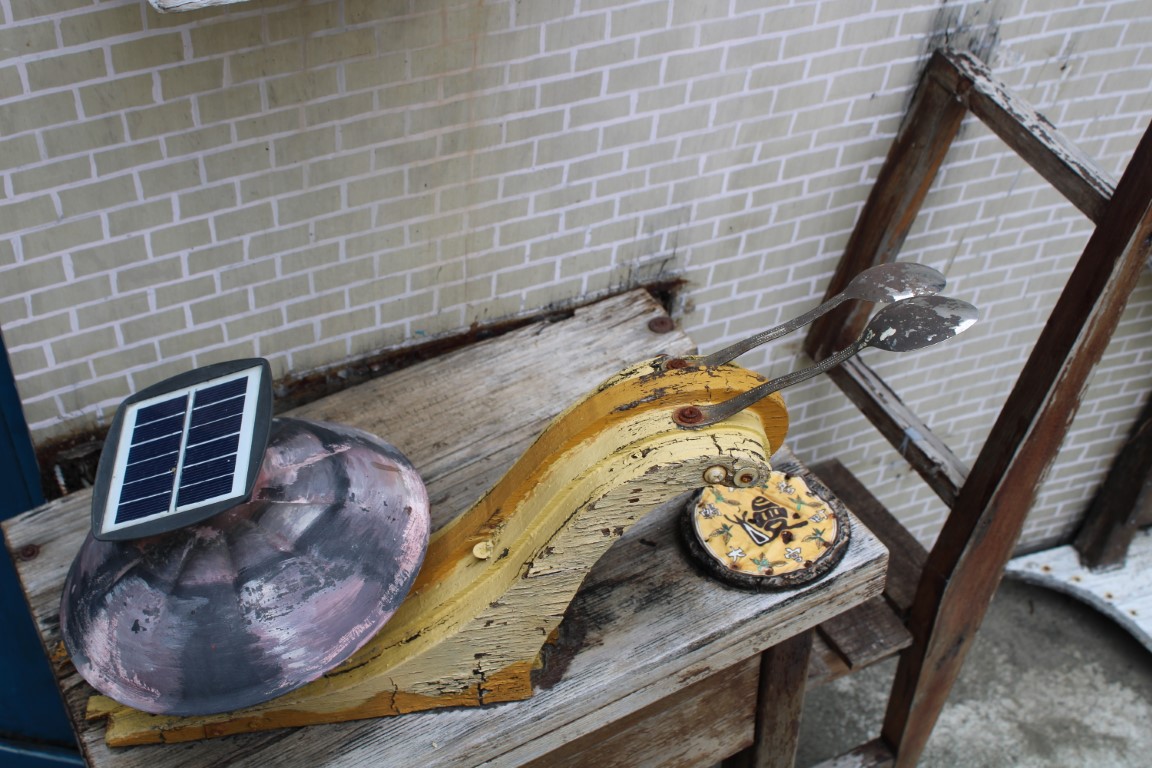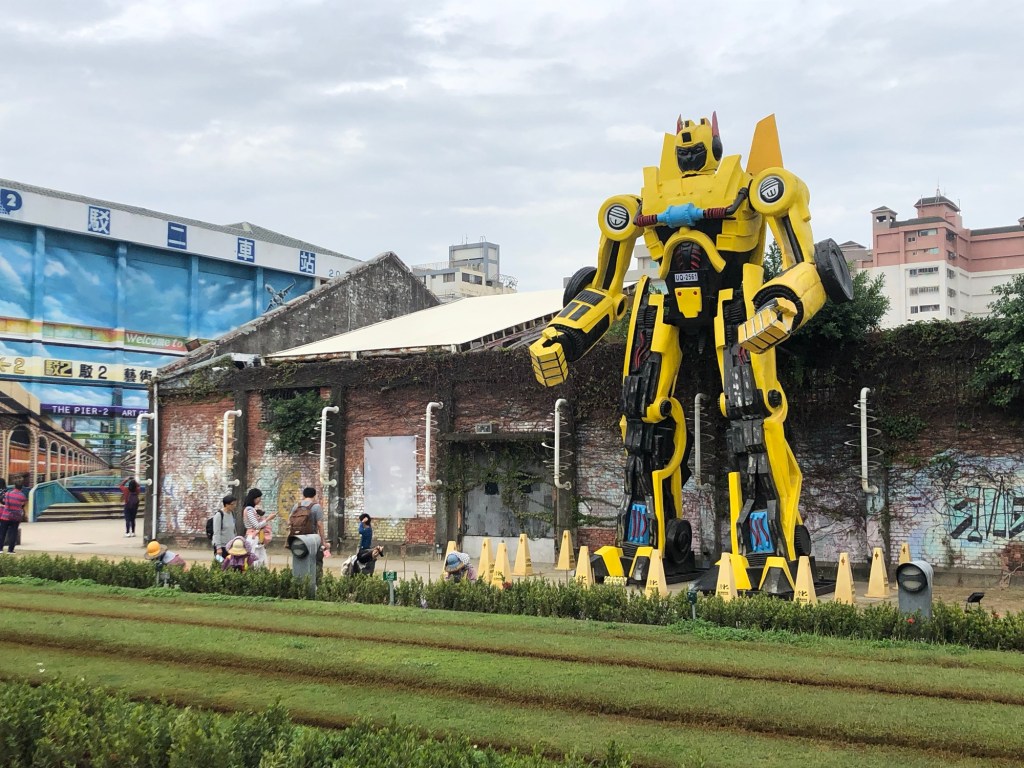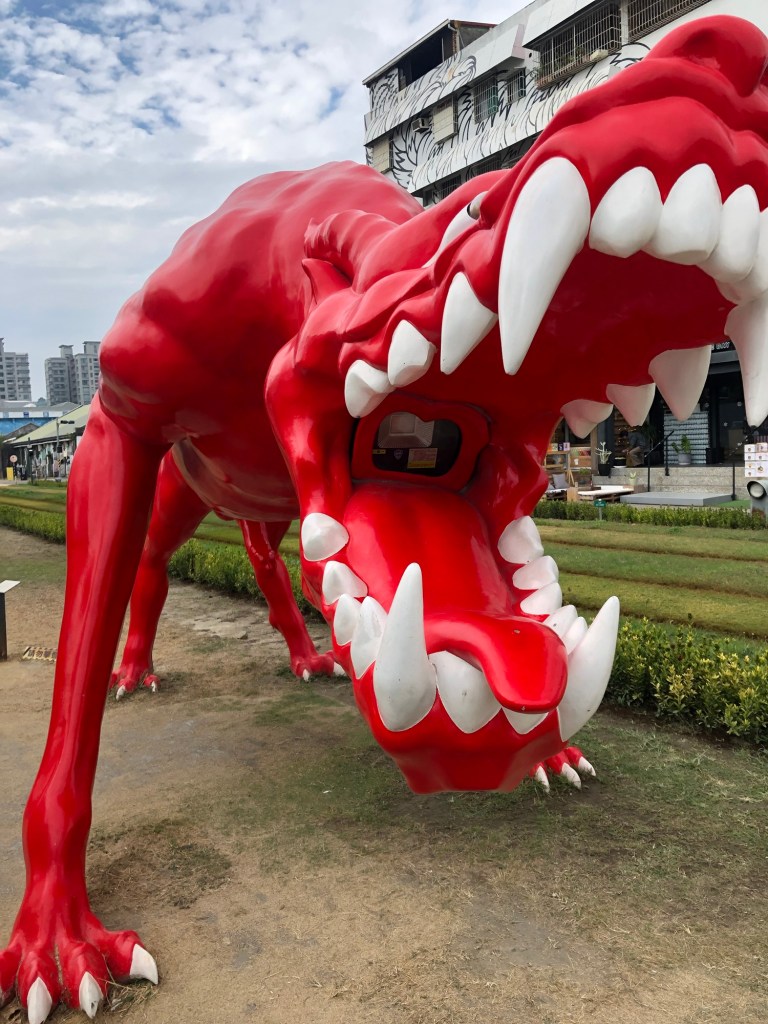
DAILY PHOTO: Pier 2 Art Displays

BOOKS: In Praise of Shadows by Jun’ichirō Tanizaki

In Praise of ShadowsIn Praise of Shadows by Jun’ichirō Tanizaki
My rating: 5 of 5 stars

Amazon.in Page

Tanizaki’s essay on Japanese aesthetics doesn’t just show the reader the simple, rustic, and weathered traits of Japanese beauty, it fully submerges them in an otherworldly place ruled by different principles of seeing. So enamored with this pre-modern Japanese aesthetic was Tanizaki that we are convinced he would give up all present-day conveniences to see the world this way (but, alas, he recognizes the impossibility of maintaining a household or business in today’s world that way.)

While the book is principally a tour of this Japanese shadow world, moving from architecture to toilets to lacquerware to Noh plays to skin tones to hotels (with other stops along the way,) it is also a critique of modernity, and particularly a modernity shaped by the West by virtue of Western countries building a lead in a number of key technologies. The most crucial of these technologies, and the one Tanizaki most decries, is electric lighting, which does away with the artistic beauty that derives from the interplay of varied toned shadows (and occasionally a little bit of light.) [I should say, he’s not bashing the Western technology or ways, but rather how poorly they work with maintaining Japanese aesthetic ways.]

I’d highly recommend this book for all readers. If you’re interested in aesthetics, art, architecture, culture, or “things Japanese,” then all the more so, but I can’t remember the last time description pulled me into a book as hard as this one. The essay can be a bit rambling and shifts from euphoria to rant and back, rapidly, but that is part of its magic.

View all my reviews

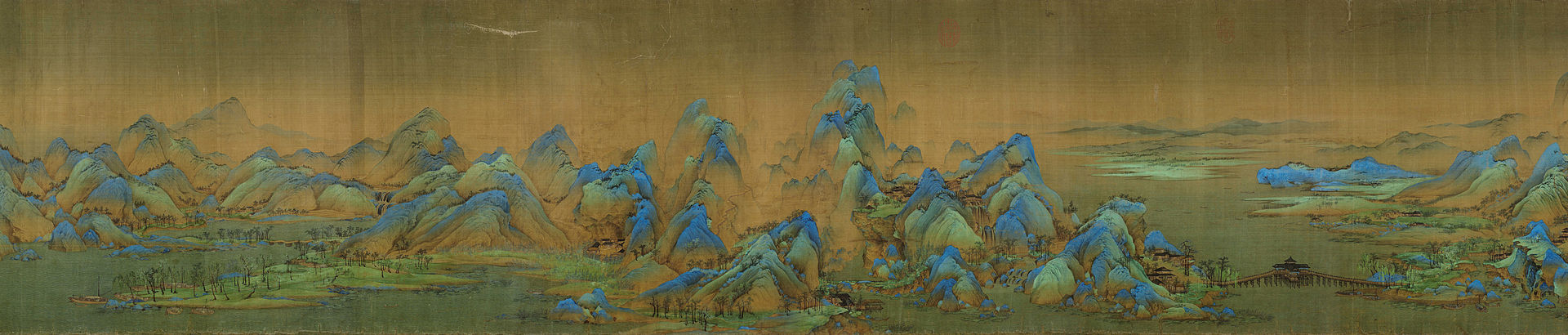
The Painting by Wang Wei [w/ Audio]

Afar, colorful mountains.
 Near, silent waters.
 Spring 's gone but flowers remain.
 People come but birds aren't startled.
Original:

遠看山有色
近聽水無聲
春去花還在
人來鳥不驚

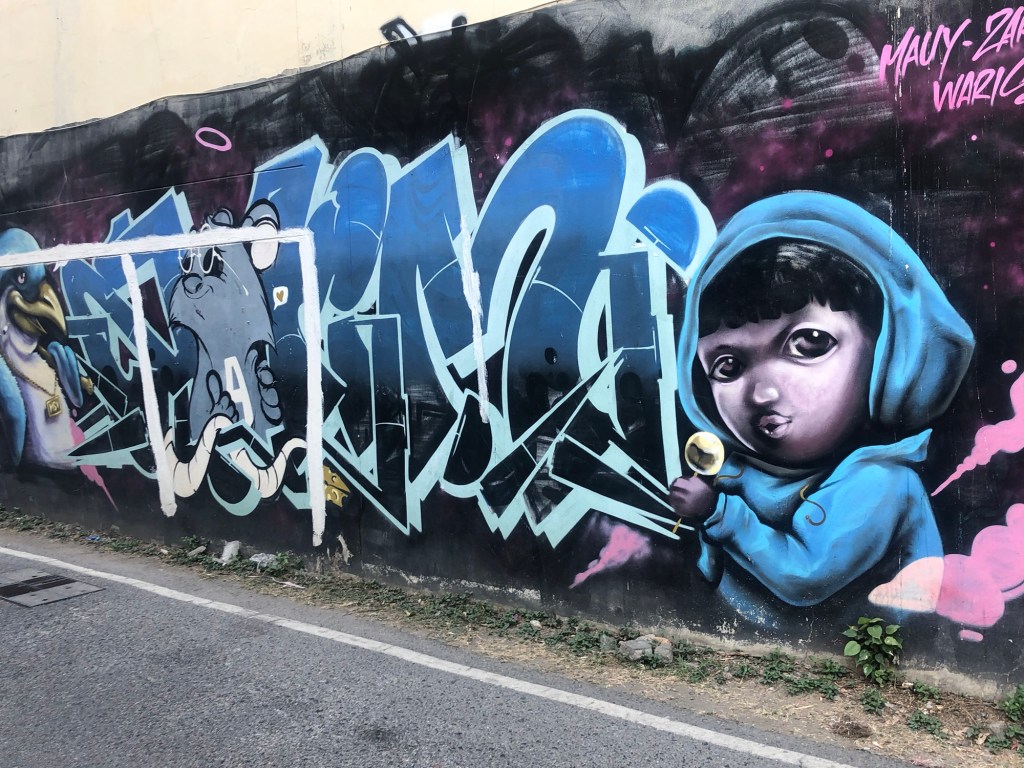
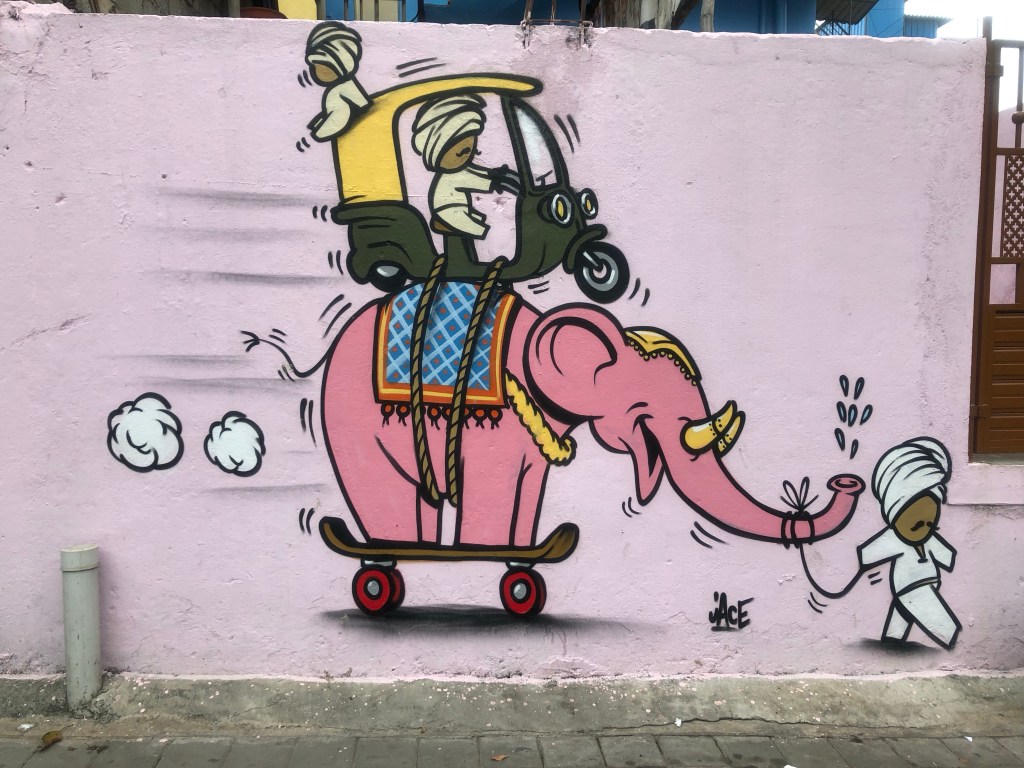
DAILY PHOTO: Bangalore Street Art

BOOKS: Bohemians: A Very Short Introduction by David Weir

Bohemians: A Very Short Introduction (VERY SHORT INTRODUCTIONS)Bohemians: A Very Short Introduction by David Weir
My rating: 5 of 5 stars

Amazon.in Page

This book examines the brief life of the Bohemian artistic lifestyle, exploring how it came about, what it looked like in its heyday, what led to its demise, and by what / whom it was replaced (e.g. the Beats.) It is an intriguing examination of the subject. I will say, there were points that I felt the book had become lost in the weeds, but at other points I found it fascinating. I concluded that my own calculus was to find it interesting when it discussed the lives and works of artists who are still deemed to have relevance and influence today (e.g. Baudelaire, Picasso, and Whitman,) and not so much when it was elaborating on artists and works that have fallen into obscurity among the general populace (e.g. Henry Murger’s Scenes of Bohemian Life.) So, that may be more a reflection on me than on the book.

The author touches upon the fictional influences that inspired Bohemianism, the places where the lifestyle thrived (e.g. Paris and New York,) the philosophy and – particularly – the political philosophy of the Bohemians (e.g. often Anarchists or – at least – anti-government.) One of the topics that most interested me is how the successor artistic communities differed from the Bohemians.

If you’re interested in who the Bohemians were and how they differ from other artistic communities (before and after,) this book is well worth the brief read required.

View all my reviews

Green Fairy [Free Verse]

Bohemians
   gathered around 
   the absinthe bottles,
  the light hitting 
   the bottles shone
   a radioactive shade
   of green.

That green light
   threw blotches
  against walls &
 floors & people &
  anything else there
  was to illuminate.

The more they drank,
 the less green the mottling --
  not because the empty glass 
   was clear, &
 didn't refract, or spray green,
   but because the splotches
  turned every color --
   every color there is --
  and the colors danced
   around the increasingly 
  amorphous surfaces.

 Until, at last,
  everyone was asleep,
 and visions of Green Fairies
  danced in their dreams. 

DAILY PHOTO: Budapest’s Tiny Sculptures

PROMPT: Favorite Artists

Daily writing prompt
Who are your favorite artists?

If one means “arts” in the broadest sense of the word, I’d have to say William Blake, because I like both his poetry and his graphic artistry, as well as his particular brand of madness.

If you mean visual artistry (which people often do when they use the term without a qualifier,) I generally enjoy fantastical and imaginative art, but not so fantastical or imaginative that it requires / shows no skill. So, artists like Vincent Van Gogh, Francisco Goya, Hieronymus Bosch, and M.C. Escher top the list.

DAILY PHOTO: Four Iconic Chicago Sculptures

The Flamingo [Alexander Calder] at Federal Plaza
The Picasso [Pablo Picasso] at Daley Plaza
Monument with Standing Beast [Jean Dubuffet] at Thompson Center
Chevron [John Henry] at Lincoln Park

Five Wise Lines from The Picture of Dorian Gray by Oscar Wilde

Nowadays people know the price of everything and the value of nothing.

All art is quite useless.

The books that the world calls immoral are books that show the world its own shame.

A great poet, a really great poet, is the most unpoetical of all creatures. But inferior poets are fascinating.

You will always be fond of me. I represent to you all the sins you never had the courage to commit.