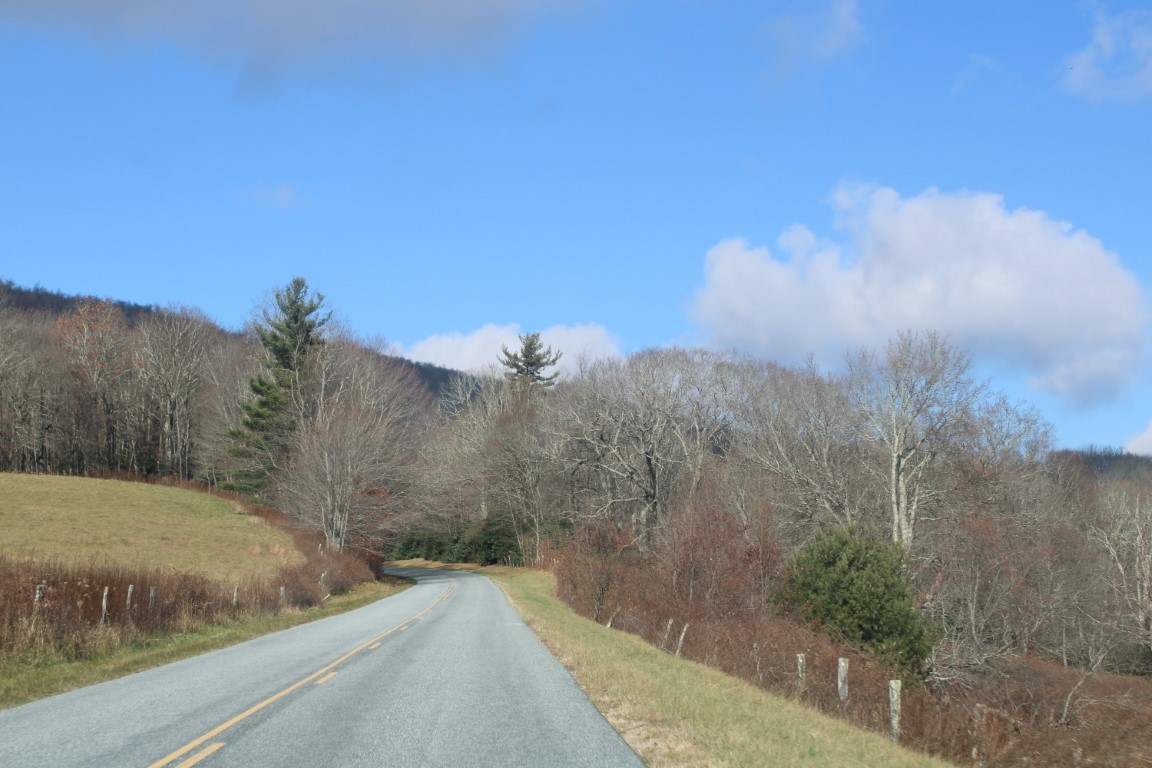
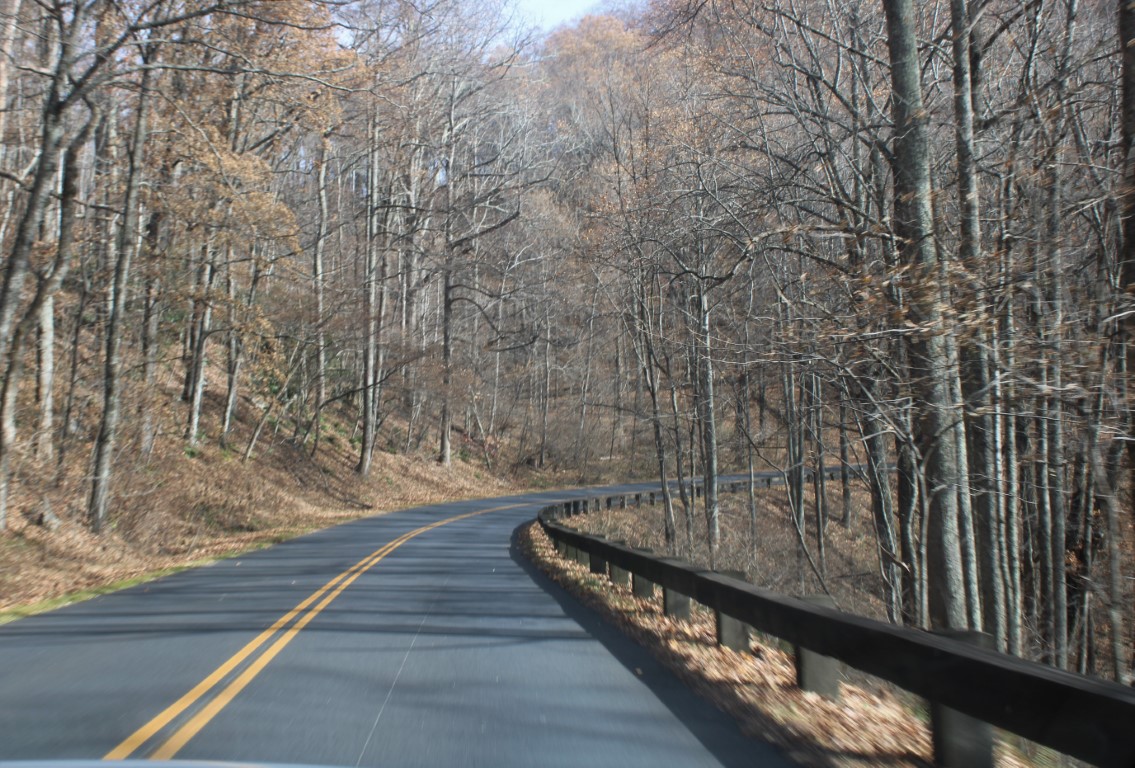
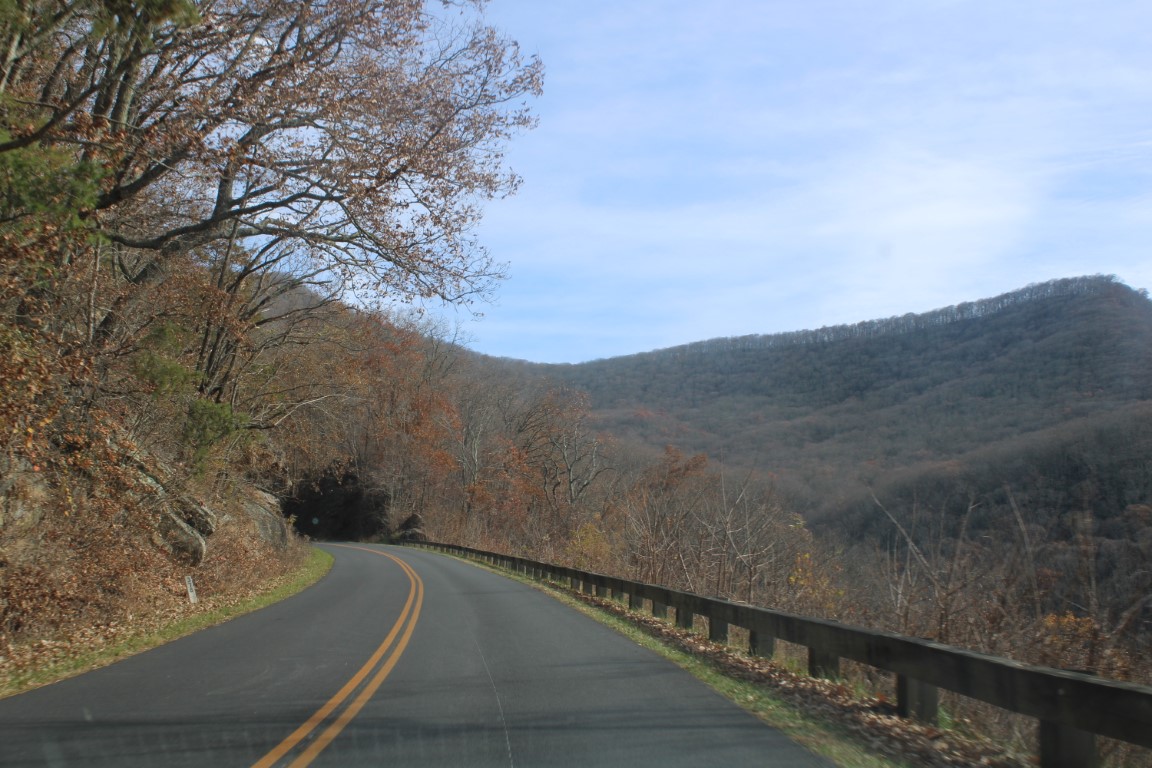
DAILY PHOTO: The Rushing Towaliga, High Falls State Park

Taken in 2013 at High Falls State Park, Georgia, US

BOOK REVIEW: Charmides by Plato

CharmidesCharmides by Plato
My rating: 5 of 5 stars

Amazon.in Page

Temperance is the subject of this Socratic dialogue, debated with Charmides and Critias. The opening may feel a bit icky as it’s essentially a few old men obsessing over beautiful youths (of which Charmides is one) in a way that may not explicitly be lecherous, but kind of feels that way. However, they soon get into systematic reflections of the nature of temperance. Charmides is said to have this quality in droves, but, of course, that begs the question of just what it is.

It’s worth noting, they aren’t using “temperance” in the way the English word is typically defined, i.e. the quality of knowing to what degree one should participate in varied activities, if at all. At least, they don’t get to that definition within the dialogue, but – in point of fact – they don’t arrive at any definition. However, they seem to equate “temperance” with “wisdom.” They do try out a series of alternate definitions, which Socrates systematically disassembles, including: temperance as quietness, as modesty, as “doing one’s own business,” as a science of itself and of the absence of science, and as the science of recognizing good and evil. The first couple of these are summarily dismissed, the latter ones take more effort and elaboration to tease out, but ultimately don’t produce a definition that’s both agreeable and useful.

In the process there is a discussion of epistemology as it pertains to what one can know, and whether one can have any clear understanding of one’s “known unknowns” and how they compare to the “unknown unknowns.” The relevance is rooted in a discussion of whether temperance is the ability to know what one knows and what one doesn’t.

This isn’t one of the best Socratic dialogues, but it does provide food for thought.

View all my reviews

Footprints [Haiku]

at the muddy shore,
reconstructing the scene
by reading tracks

Walk in the Woods [Tanka]

sunlight shines low,
half-hatching the forest floor
with autumn shadows;
i walk amid columns,
listening for absent birds 

DAILY PHOTO: Trees in the Churchyard

Taken in Szentendre, Hungary in December of 2014

BOOK REVIEW: Maria Llovet’s Eros/Psyche by Maria Llovet

Maria Llovet's Eros/PsycheMaria Llovet’s Eros/Psyche by Maria Llovet
My rating: 4 of 5 stars

Amazon.in Page

This story takes place at a all-girl boarding school called “The Rose.” It’s a strange place with something vaguely supernatural about it, including: we see no faculty or staff – only students, and, also, it appears to teach witchcraft or some sort of herbal potion-based artform. And the students are eliminated one by one – as in a reality tv show in which the low-scoring student (or disobedient / disorderly students) must leave, at least that’s what we are led to believe. The bulk of the story revolves around just two characters, Sara [a new student] and Silje [a veteran.] Few of the other girls have much in the way of speaking roles or story relevance. That’s part of a minimalist motif that’s used to generate a stark feel. There’s a lot of textless frames, and most frames show a simple scene that is often more reflective than active.

The story consists of a slow-burn budding romance of the two main characters. The sparse approach leaves some story elements inexplicit or ambiguous, and that means that varied readers may have a broader than usual range of interpretations. The sparsity may generate feelings of desolate melancholy for which I suspect the author was aiming, but it also might create a sort of emotional disconnect from the book. I kind of fluctuated between the two as I read.

At the end of the story, I found it satisfying – if simple, but during the read I frequently wondered where it was going and / or what I was missing. It’s essentially a romance set in an all-girl and sadder-feeling Hogwarts.

View all my reviews

After Midnight [Haiku]

after midnight
the city transmogrifies;
birthed anew at five

Horny Musings [Common Meter]

I've thought about the ideal horn.
Should it be straight or curved?
Or by a spectacular rack 
would one be better served?

Maybe one would be better off
being a unicorn.
With just way too many options,
I confess I am torn.

A huge rack would most certainly
wreak hell upon the spine,
but a unicorn must get foes
to form a single line.  

I once saw a wandering oryx;
its horns were a stumper.
They seemed optimized to stabbing
off course para-jumpers. 

DAILY PHOTO: Souq Waqif, Doha

Taken in December of 2019 in Doha

BOOK REVIEW: Euthydemus by Plato

EuthydemusEuthydemus by Plato
My rating: 5 of 5 stars

Amazon.in Page

In this Socratic dialogue, Socrates is pitted against two brothers, Euthydemus and Dionysodorus, who are Pankrationists turned Sophist. [Pankration is an ancient Greek martial art, but Socrates is verbally sparring with the men in their role as roving philosophy teachers and not as wrestlers.] We don’t hear the interaction firsthand, but rather as Socrates describes events to his friend Crito after the fact.

Socrates seeks to get the two sophists to answer his favorite question, whether virtue is a form of knowledge and can be taught. The brothers take a tag-team approach against a youth named Cleinias to “teach.” Soon, Socrates attempts to reign in the conversation, which has devolved into nonsense because the brothers use a go-to approach that involves logical fallacies that turn on false dichotomies, semantic manipulation, and the imposition of all-or-none conditions on propositions that aren’t all-or-none.

This moves to the brothers proposing that the crowd wants Cleinias to perish because they seek to make him become something he isn’t (i.e. wise.) This brings Ctessippus angrily into the debate (he is fond of Cleinias and sharp-witted, but more emotionally ruled than Socrates.) While a Buddhist would destroy the brothers’ fallacious reasoning with ease, it takes a second for Socrates to undermine the argument by pointing out that if that version of Cleinias perished only to be seamlessly replaced by a new and improved version, it would – indeed – be a great thing.

The rest of the dialogue is the brothers using faulty logic to “prove” such things as that a person knows nothing or everything, and side-stepping questions about why individuals who already know everything would benefit from paying a Sophist. I’d call this a better than average dialogue, well worth reading.

View all my reviews