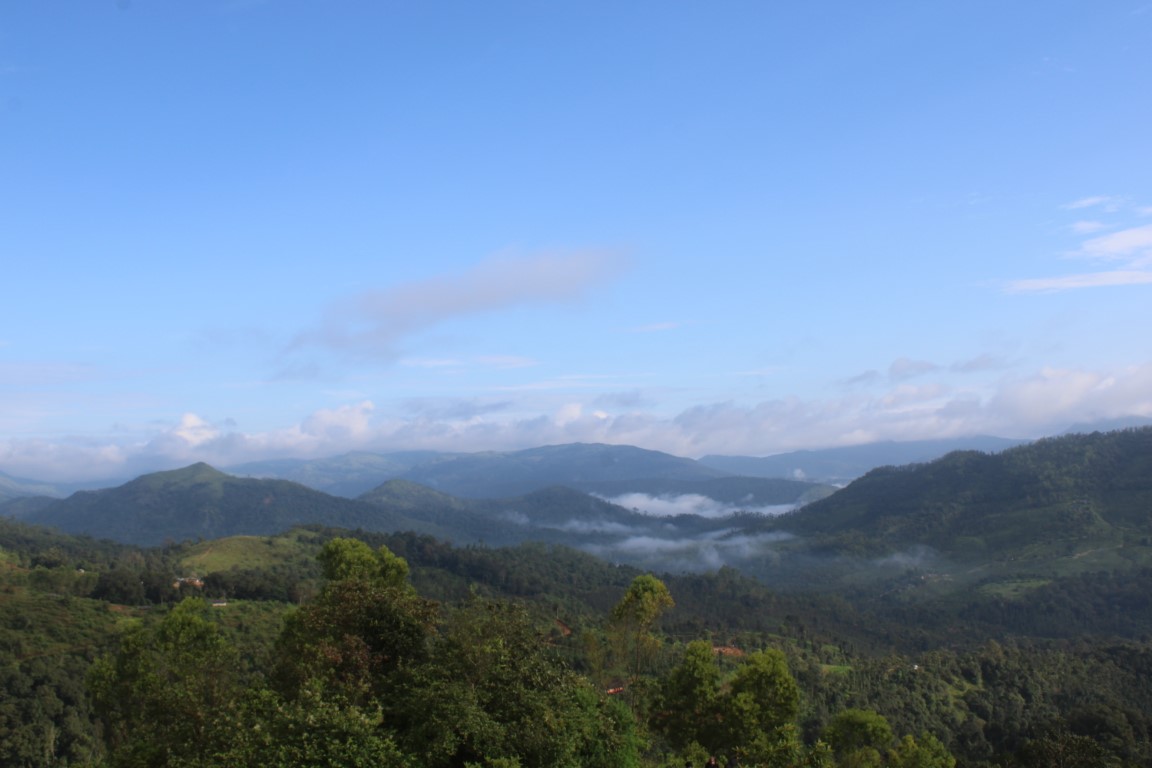
clouds retreat
 out of the valley:
  dreamworld made real.


Among ten thousand writing styles,
  There's no one standard or measure.
  The styles: many, muddled, and free --
  Form, the unattainable treasure.
 Talent in word-wrangling shows skill.
   Idea conveyance shows craft.
   Writers strive 'twixt have and have not --
   Unyielding in shallow or deep draught.
 An escape artist of fine lines --
   Yet time and space consume in kind.
   Intricacy excites the eye,
   But frugality soothes the mind.
 One of few words is not confined.
 Verbose writers drift the Undefined.
The original in Simplified Chinese:
体有万殊,物无一量。
纷纭挥霍,形难为状。
辞程才以效伎,意司契而为匠。
在有无而黾勉,当浅深而不让。
虽离方而遯员,期穷形而尽相。
故夫夸目者尚奢,惬心者贵当。
言穷者无隘,论达者唯旷。
I don’t have a favorite restaurant, but I do have a type: mom-and-pop hole-in-the-wall that only does a few things but does them all exceedingly well. I don’t care for frou-frou places, and it drives me batty when a place has a thirty-page menu and you have to play the “guess what they actually have” game. I always loved watching Monty Python’s “Cheese Shop Sketch,” but have loathed reprising the John Cleese part in so many restaurants.
Chains have their place in the travel pipeline or in a busy schedule, but I generally prefer a novel experience over a cookie cutter one.

long-tailed boat
 chugs down the buoy-line:
  Summer fishing.
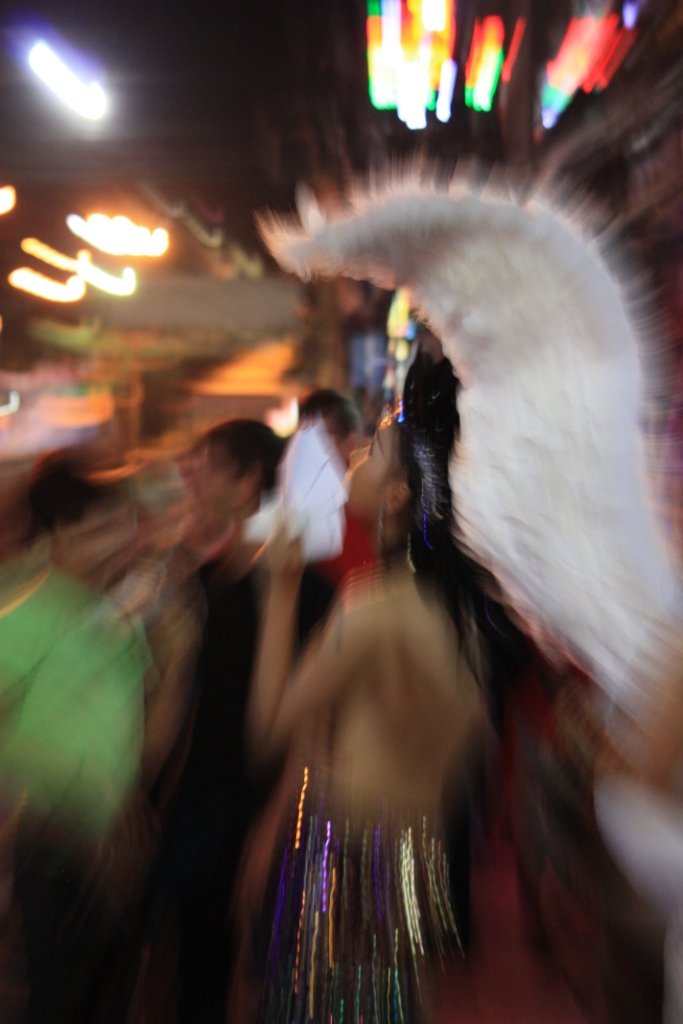
Kipling called prostitution
   The world's oldest profession.

Now, I'm pretty sure that it
    Will be the last, as well:

The last professional endeavor --
    The last profitable activity --
    That humans do better than
        Machines.

Whores will be the last holdouts
   To shift from being workers
      To being Artists of Humanity. . .
       Or - maybe - they will be
       The first in that, as well.
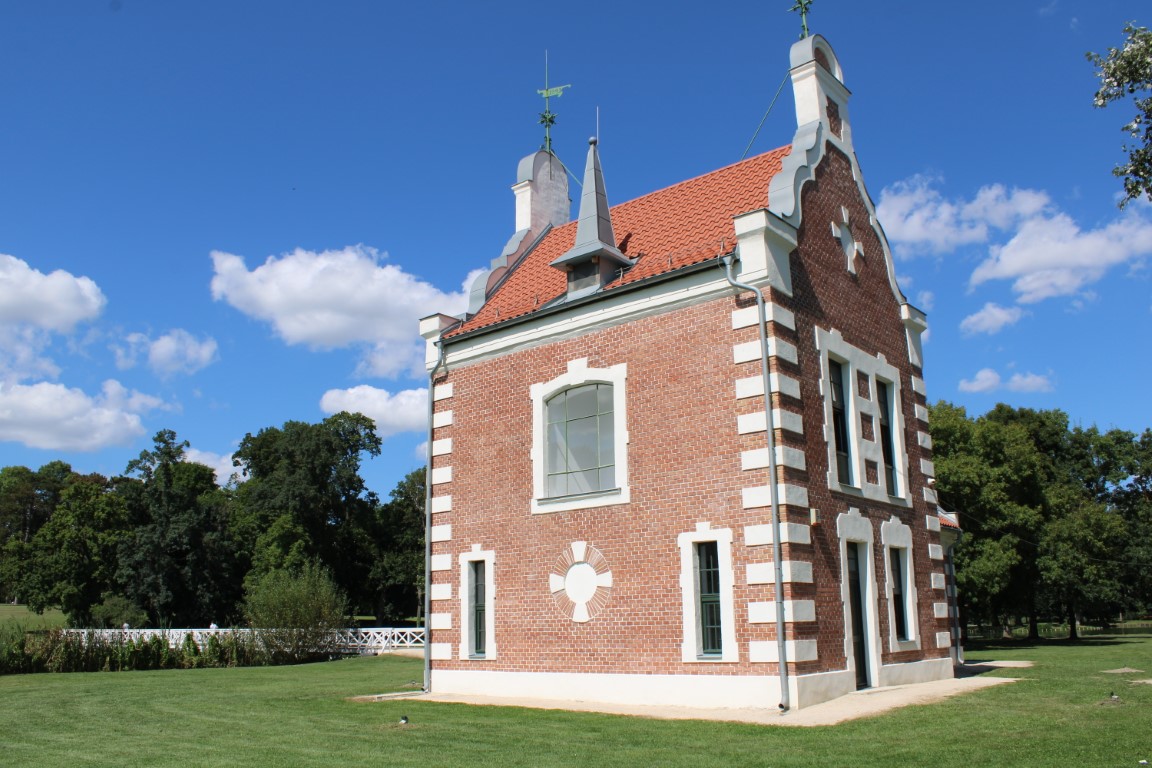
An old man in a lodge within a park;
   The chamber walls depicted all around
   With portraitures of huntsman, hawk,
      and hound,
   And the hurt deer. He listeneth to the
      lark,
 Whose song comes with the sunshine
      through the dark
   Of painted glass in leaden lattice bound;
   He listeneth and he laugheth at the
      sound,
   Then writeth in a book like any clerk.
 He is the poet of the dawn, who wrote
   The Canterbury Tales, and his old age
   Made beautiful with song; and as I read
 I heard the crowing cock, I hear the note
   Of lark and linnet, and from every page
   Rise odors of ploughed field or flowery
       mead.
If there’s anything that I learned in all those years of Social Science education, it’s that forecasting is a sucker’s game.
I don’t know where I’ll be, but I hope it’s someplace I never saw coming. #embracethechaos.


 Tiger Riding for Beginners