
I made my song a coat
 Covered with embroideries
 Out of old mythologies
 From heel to throat;
 But the fools caught it,
 Wore it in the world's eyes
 As though they'd wrought it.
  Song, let them take it
  For there's more enterprise
  In walking naked.

I made my song a coat
Covered with embroideries
Out of old mythologies
From heel to throat;
But the fools caught it,
Wore it in the world's eyes
As though they'd wrought it.
Song, let them take it
For there's more enterprise
In walking naked.
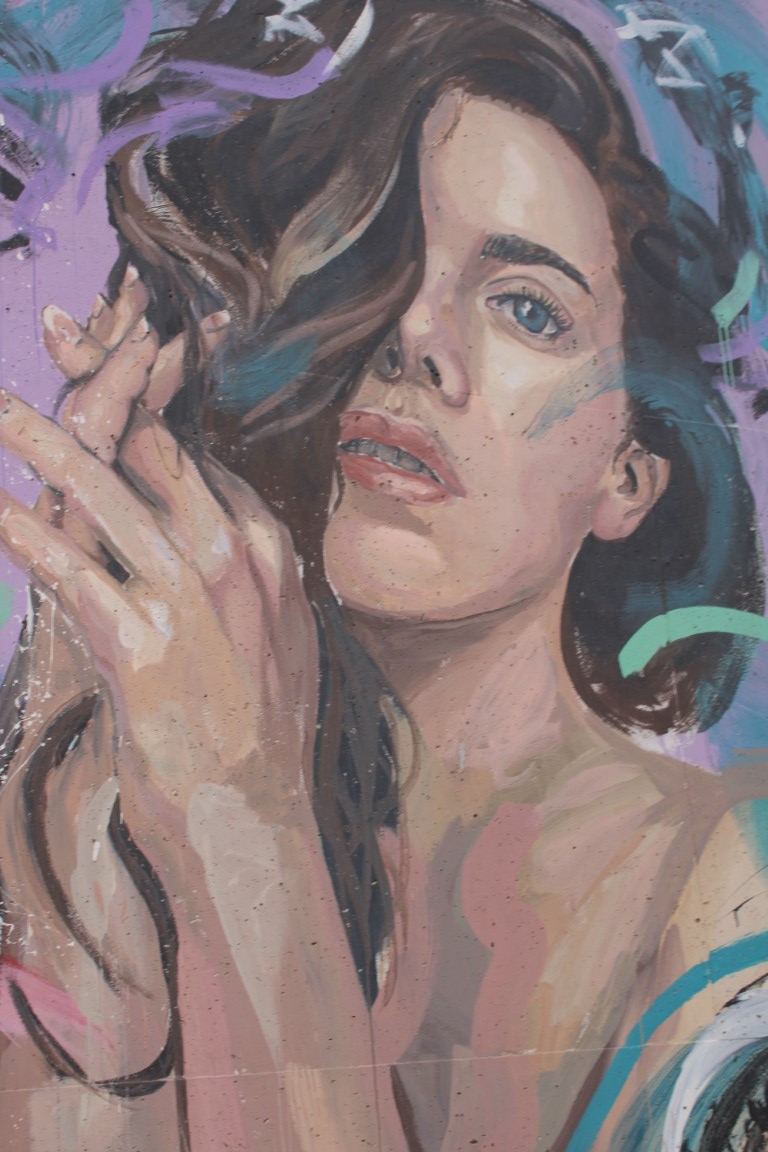
Mine eye hath play'd the painter and hath stell'd
  Thy beauty's form in table of my heart;
  My body is the frame wherein 'tis held,
  And perspective it is best the painter's art.
 For through the painter must you see his skill
  To find where your true image pictur'd lies,
  Which in my bosom's shop is hanging still,
  That hath his windows glazed with thine eyes.
 Now see what good turns eyes for eyes have done:
  Mine eyes have drawn thy shape, and thine for me
  Are windows to my breast, wherethrough the sun
  Delights to peep, to gaze therein on thee.
    Yet eyes this cunning want to grace their art;
    They draw but what they see, know not the heart.
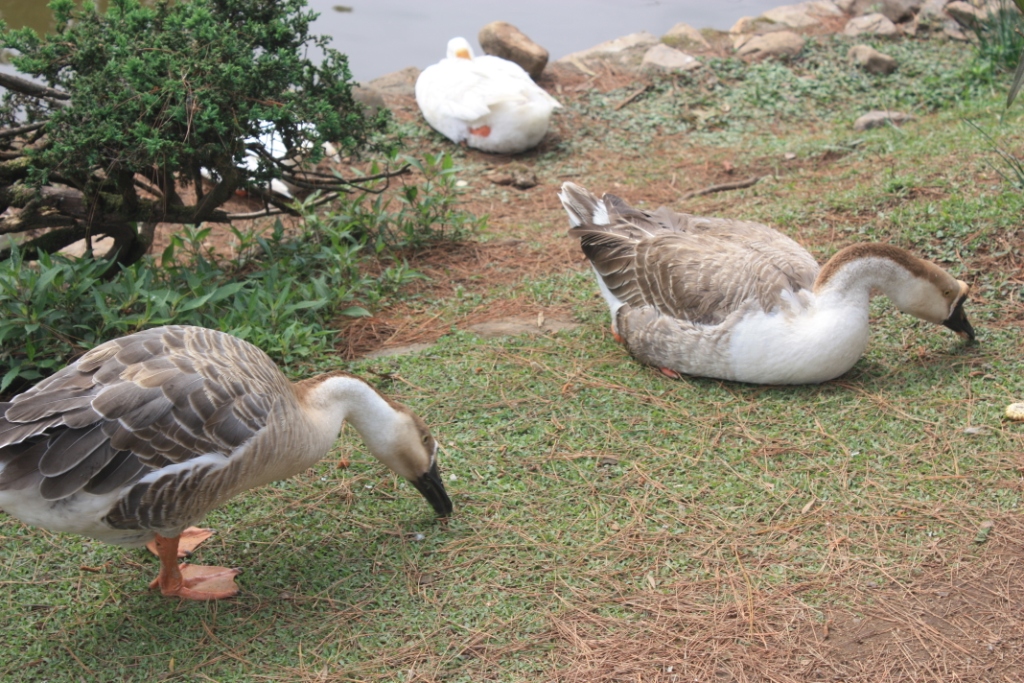
Goose, Goose, Goose,
 Look skyward and let your song loose.
  White feathers float on the green lake
  As red feet paddle through clear waves.
NOTE: This poem’s title is often translated as “An Ode to the Goose” but the Chinese title 咏鹅 (Yǒng é) is “Chant[ing] Goose.”

Out of a fired ship, which by no way
 But drowning could be rescued from the flame,
 Some men leap'd forth, and ever as they came
 Near the foes' ships, did by their shot decay;
 So all were lost, which in the ship were found,
   They in the sea being burnt,
   They in the burnt ship drown'd.
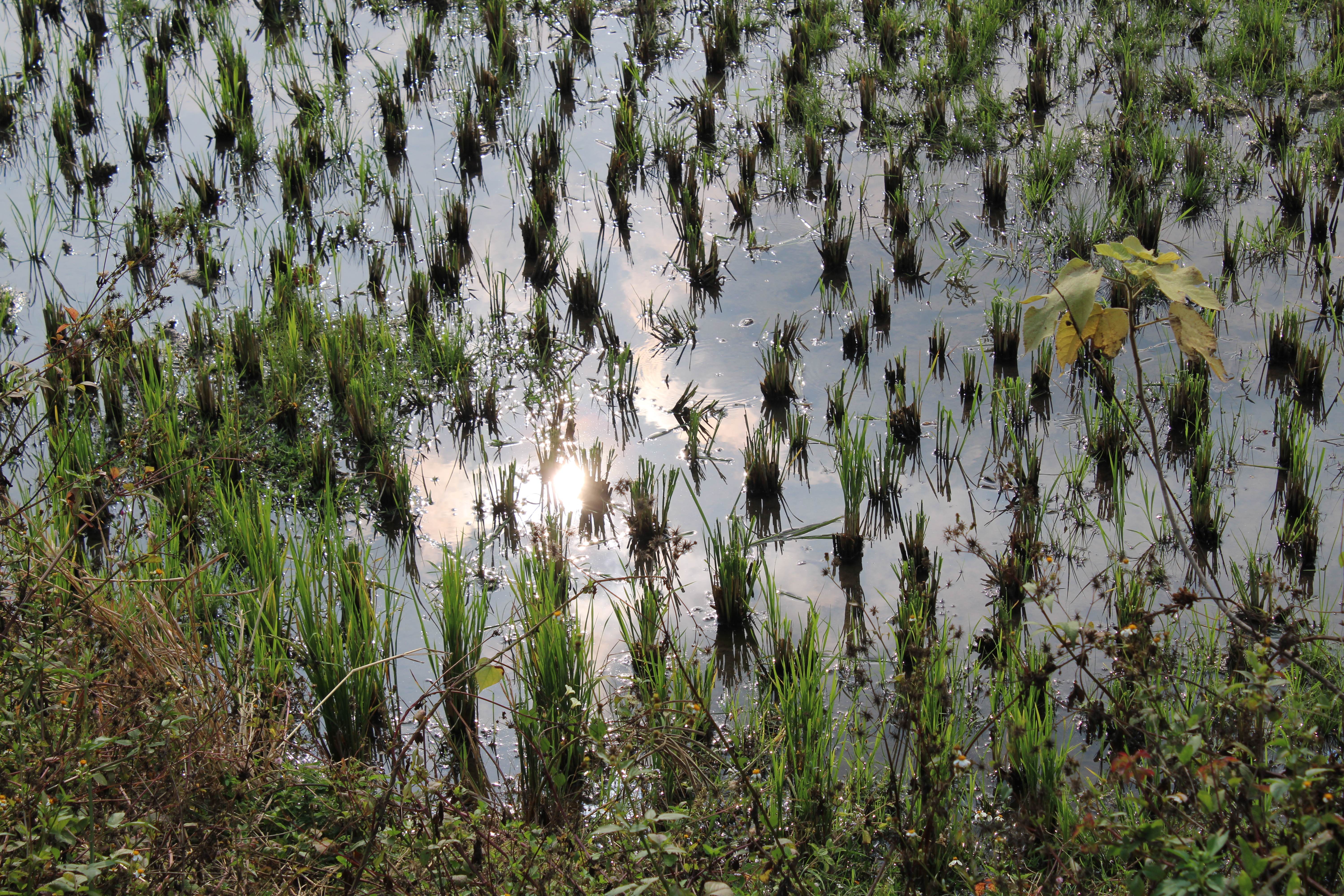
Hoeing farmer, as heat haze roils,
   His flowing sweat waters the soil.
 All those who know food on a plate
   Should feel each grain comes of that toil.
NOTE: The title of this poem (悯农, or Mǐn Nóng) is often translated as “Toiling Farmers,” though “Compassion for Farmers” or “Pity Farmers” would be closer to the literal translation.
Lonely and longing to travel;
   All alone and lacking a tribe.
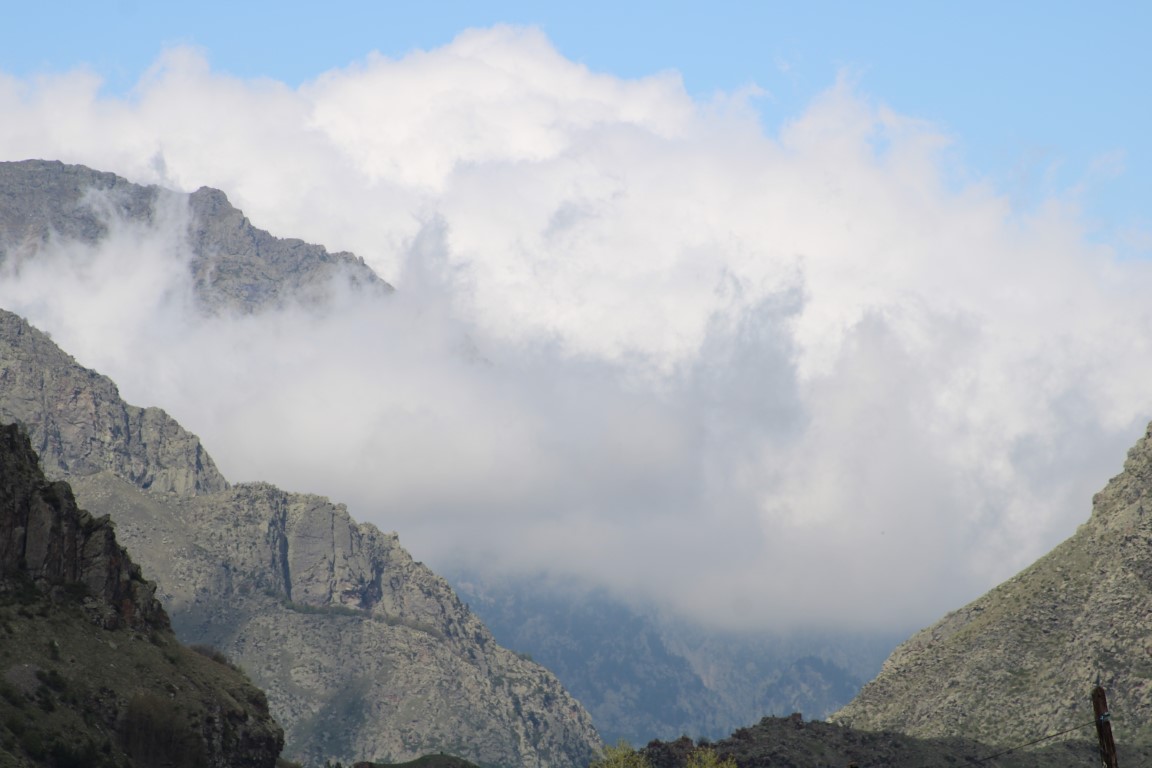
 Like the crane up on the mountain,
   Or the cloud that enshrouds its peak.
 Like the portraits painted by past
   Masters, of souls you couldn't have known.
 Like a leaf drifting on swift winds,
   Bounding through the boundless spaces.
 You'll never be able to hold it,
   But can hear the song it dances to,
 Those who accept this can tune in,
   And the signal will only get stronger.
NOTE: The late Tang Dynasty poet, Sikong Tu (a.k.a. Ssŭ-k‘ung T‘u,) wrote an ars poetica entitled Twenty-Four Styles of Poetry. It presents twenty-four poems that are each in a different tone, reflecting varied concepts from Taoist philosophy and aesthetics. Above is a translation of the twenty-second of the twenty-four poems. This poem has been alternately titled “Abstraction,” “Elegance,” and “Drifting Aloof” by varied translators, but its original title is 飘逸.
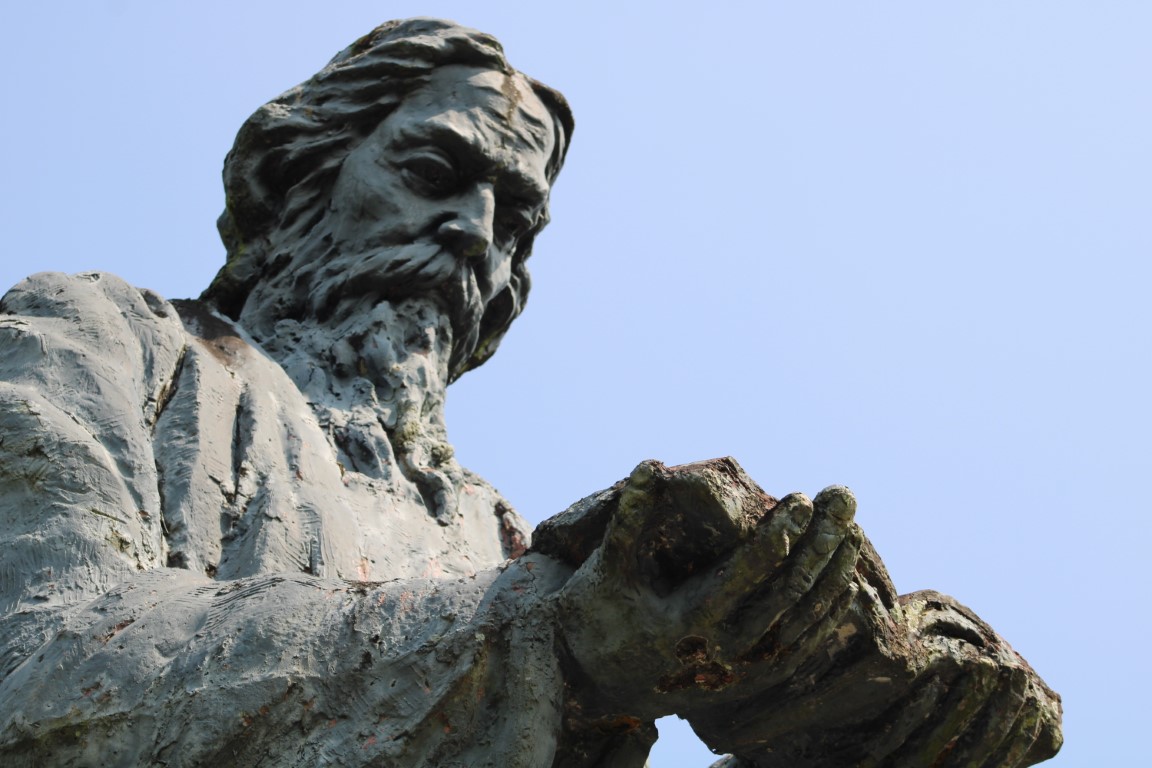
My song has put off her adornments.
 She has no pride of dress and decoration.
 Ornaments would mar our union;
 they would come between thee and me;
 their jingling would drown thy whispers.

My poet's vanity dies in shame before thy sight.
 O master poet, I have sat down at thy feet.
 Only let me make my life simple and straight,
 like a flute of reed for thee to fill with music.
NOTE: This poem is sometimes titled, “My song has put off her adornments,” or – simply – Song VII.
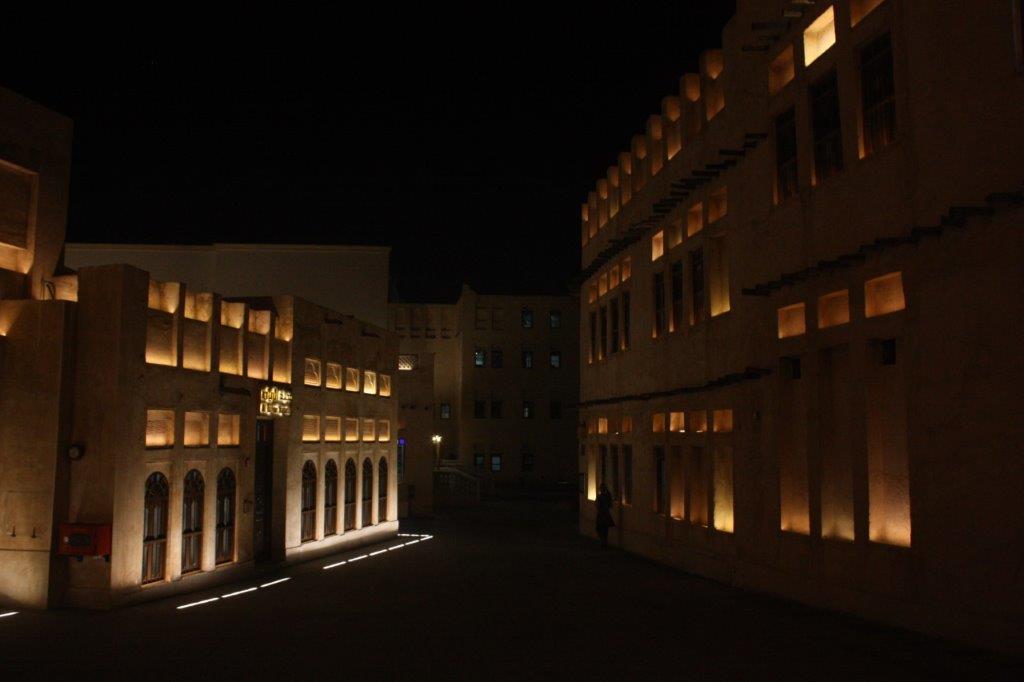
I have been one acquainted with the night.
 I have walked out in rain -- and back in rain.
 I have outwalked the furthest city light.

I have looked down the saddest city lane.
 I have passed by the watchman on his beat
 And dropped my eyes, unwilling to explain.

I have stood still and stopped the sound of feet
 When far away an interrupted cry
 Came over houses from another street,

But not to call me back or say good-bye;
 And further still at an unearthly height,
 One luminary clock against the sky

Proclaimed the time was neither wrong nor right.
 I have been one acquainted with the night.
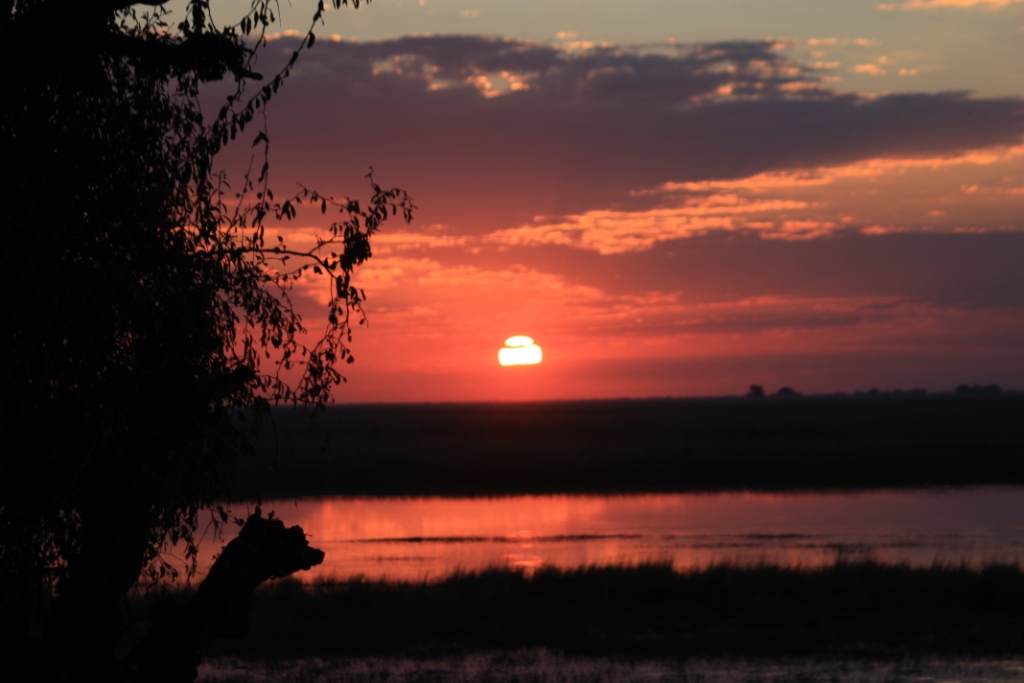
At day's end, feeling ill-at-ease,
 Riding a cart to the plateau.
 The setting sun fires glorious skies,
 But a yellow dusk is coming.
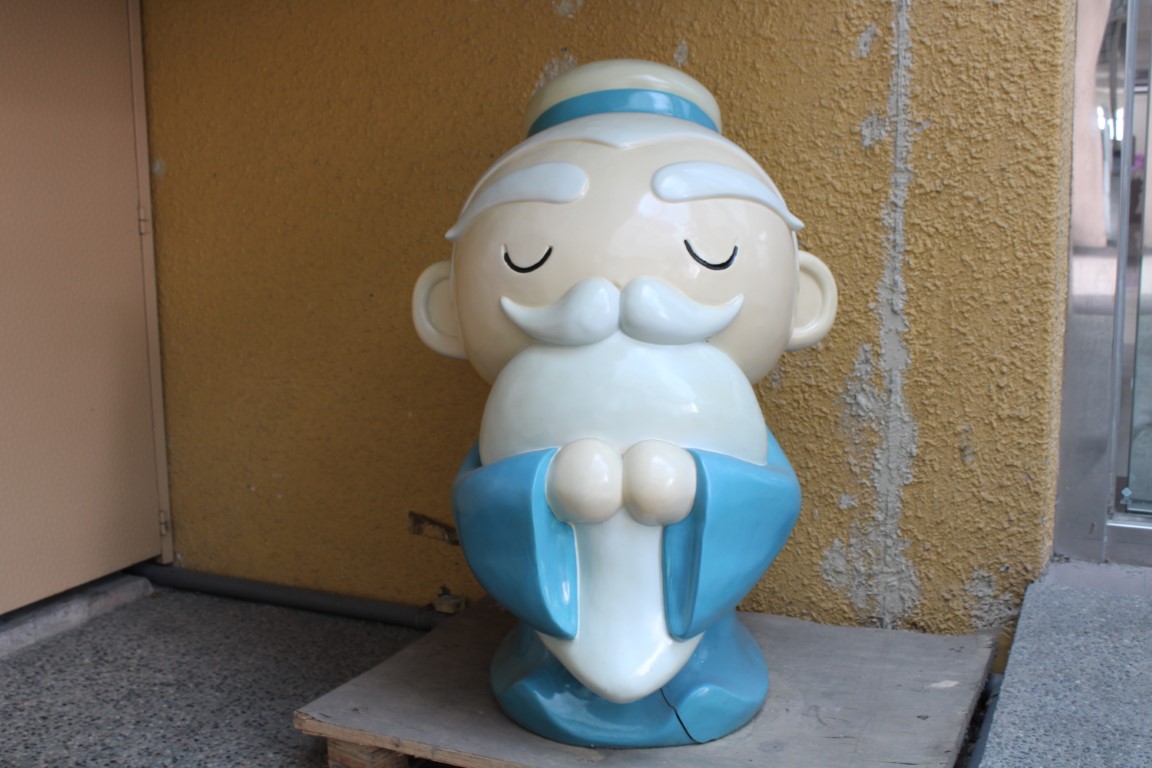
There was an Old Man with a beard,
 Who said, "It is just as I feared! --
     Two Owls and a Hen,
     Four Larks and a Wren,
 Have all built their nests in my beard!"
NOTE: This poem no. 1 of Lear’s The Book of Nonsense.


 Tiger Riding for Beginners