Many particles to the atom, Many atoms to the molecule, Many molecules to the cell, Many cells to the tissue, Many tissues to the organ, Many organs to the system, Many systems to the organism...
Behold, the grave of a wicked man,
   And near it, a stern spirit.

There came a drooping maid with violets,
 But the spirit grasped her arm.
   "No flowers for him," he said.
 The maid wept:
   "Ah, I loved him."
 But the spirit, grim and frowning:
   "No flowers for him."

Now, this is it --
 If the spirit was just,
 Why did the maid weep?
Author Site
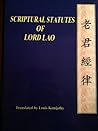
This paper presents exposition on, and translation of, an important Taoist work. Like many collections of sutras and other epigrams of wisdom, the “Scriptural Statutes of Lord Lao” are only a couple pages of sayings. To be more specific, they consist of nine practices (九行) and twenty-seven moral precepts. The bulk of the twenty-five-ish pages of this work are a scholarly background on the nine practices and twenty-seven precepts, plus back matter including references and the original (Chinese) “statutes.”
I read this because the nine practices seem like a concise statement of what it means to be Taoist (a topic that can be tremendously complicated given the varied sects, beliefs, and practices that all fall under the heading of “Taoist” — some religious, some philosophical, and some mystical.) Those nine practices are: non-action (which is much more complicated than just sitting on one’s bum,) softness, guarding the feminine, namelessness, stillness, adeptness, desirelessness, contentment, and knowing how and when to yield. The text offers some insight into where these practices come from (e.g. the points in the Dao De Jing that reverence them,) but the scope of the work is far to limited to gain a deep understanding of them (for that one will have to go elsewhere.)
I found reading this short work to be quite beneficial and insightful, despite its thin profile. I’m glad it includes the original text as well as provides citations, as therein much of its value lies.
In seed-time learn, in harvest teach, in winter enjoy.
Drive your cart and your plough over the bones of the dead.
The road of excess leads to the palace of wisdom.
Prudence is a rich ugly old maid courted by Incapacity.
He who desires, but acts not, breeds pestilence.
The cut worm forgives the plough.
Dip him in the river who loves water.
A fool sees not the same tree that a wise man sees.
He whose face gives no light shall never become a star.
Eternity is in love with the productions of time.
The busy bee has no time for sorrow.
The hours of folly are measured by the clock, but of wisdom no clock can measure.
All wholesome food is caught without a net or a trap.
Bring out number, weight, and measure in a year of dearth.
No bird soars too high if he soars with his own wings.
A dead body revenges not injuries.
The most sublime act is to set another before you.
If the fool would persist in his folly he would become wise.
Folly is the cloak of knavery.
Shame is Pride's cloak.
Prisons are built with stones of law, brothels with bricks of religion.
The pride of the peacock is the glory of God.
The lust of the goat is the bounty of God.
The wrath of the lion is the wisdom of God.
The nakedness of woman is the work of God.
Excess of sorrow laughs, excess of joy weeps.

The roaring of lions, the howling of wolves,
 the raging of the stormy sea, and the destructive sword,
 are portions of Eternity too great for the eye of man.

The fox condemns the trap, not himself.

Joys impregnate, sorrows bring forth.

Let man wear the fell of the lion, woman the fleece of the sheep.

The bird a nest, the spider a web, man friendship.

The selfish smiling fool and the sullen frowning fool
 shall be both thought wise that they may be a rod.

What is now proved was once only imagined.

The rat, the mouse, the fox, the rabbit watch the roots;
 the lion, the tiger, the horse, the elephant watch the fruits.

The cistern contains, the fountain overflows.

One thought fills immensity.

Always be ready to speak your mind, and a base man will avoid you.

Everything possible to be believed is an image of truth.

The eagle never lost so much time as when he submitted
 to learn of the crow.

The fox provides for himself, but God provides for the lion.

Think in the morning, act in the noon, eat in the evening,
 sleep in the night.

He who has suffered you to impose on him knows you.

As the plough follows words, so God rewards prayers.

The tigers of wrath are wiser than the horses of instruction.

Expect poison from the standing water.

You never know what is enough unless you know
 what is more than enough.

Listen to the fool's reproach; it is a kingly title.

The eyes of fire, the nostrils of air, the mouth of water,
 the beard of earth.

The weak in courage is strong in cunning.
The apple tree never asks the beech how he shall grow, nor the lion the horse how he shall take his prey.
The thankful receiver bears a plentiful harvest.
If others had not been foolish we should have been so.
The soul of sweet delight can never be defiled.
When thou seest an eagle, thou seest a portion of Genius. Lift up thy head!
As the caterpillar chooses the fairest leaves to lay her eggs on, so the priest lays his curse on the fairest joys.
To create a little flower is the labour of ages.
Damn braces; bless relaxes.
The best wine is the oldest, the best water the newest.
The head Sublime, the heart Pathos, the genitals Beauty, the hands and feet Proportion.
As the air to a bird, or the sea to a fish, so is contempt to the contemptible.
The crow wished everything was black, the owl that everything was white.
Exuberance is Beauty.
If the lion was advised by the fox, he would be cunning.
Improvement makes straight roads, but the crooked roads without Improvement are roads of Genius.
Sooner murder an infant in its cradle than nurse unacted desires.
Where man is not, nature is barren.
Truth can never be told so as to be understood and not to be believed.
Enough! or Too much.
* * * The ancient poets animated all sensible objects with Gods and Geniuses, calling them by the names and adorning them with properties of woods, rivers, mountains, lakes, cities, nations, and whatever their enlarged and numerous senses could perceive.
And particularly they studied the Genius of each city and country, placing it under its mental deity.
Till a system was formed, which some took advantage of and enslaved the vulgar by attempting to realize or abstract the mental deities from their objects.
Thus began Priesthood.
Choosing forms of worship from poetic tales.
And at length they pronounced that the Gods had ordered such things.
Thus men forgot that all deities reside in the human breast.
The head Sublime, the heart Pathos, the genitals Beauty, the hands and feet Proportion.
As the air to a bird, or the sea to a fish, so is contempt to the contemptible.
The crow wished everything was black, the owl that everything was white.
Exuberance is Beauty.
If the lion was advised by the fox, he would be cunning.
Improvement makes straight roads, but the crooked roads without Improvement are roads of Genius.
Sooner murder an infant in its cradle than nurse unacted desires.
Where man is not, nature is barren.
Truth can never be told so as to be understood and not to be believed.
Enough! or Too much.
* * * The ancient poets animated all sensible objects with Gods and Geniuses, calling them by the names and adorning them with properties of woods, rivers, mountains, lakes, cities, nations, and whatever their enlarged and numerous senses could perceive.
And particularly they studied the Genius of each city and country, placing it under its mental deity.
Till a system was formed, which some took advantage of and enslaved the vulgar by attempting to realize or abstract the mental deities from their objects.
Thus began Priesthood.
Choosing forms of worship from poetic tales.
And at length they pronounced that the Gods had ordered such things.
Thus men forgot that all deities reside in the human breast.
The roaring of lions, the howling of wolves, the raging of the stormy sea, and the destructive sword, are portions of Eternity too great for the eye of man.
The fox condemns the trap, not himself.
Joys impregnate, sorrows bring forth.
Let man wear the fell of the lion, woman the fleece of the sheep.
The bird a nest, the spider a web, man friendship.
The selfish smiling fool and the sullen frowning fool shall be both thought wise that they may be a rod.
What is now proved was once only imagined.
The rat, the mouse, the fox, the rabbit watch the roots; the lion, the tiger, the horse, the elephant watch the fruits.
The cistern contains, the fountain overflows.
One thought fills immensity.
Always be ready to speak your mind, and a base man will avoid you.
Everything possible to be believed is an image of truth.
The eagle never lost so much time as when he submitted to learn of the crow.
The fox provides for himself, but God provides for the lion.
Think in the morning, act in the noon, eat in the evening, sleep in the night.
He who has suffered you to impose on him knows you.
As the plough follows words, so God rewards prayers.
The tigers of wrath are wiser than the horses of instruction.
Expect poison from the standing water.
You never know what is enough unless you know what is more than enough.
Listen to the fool's reproach; it is a kingly title.
The eyes of fire, the nostrils of air, the mouth of water, the beard of earth.