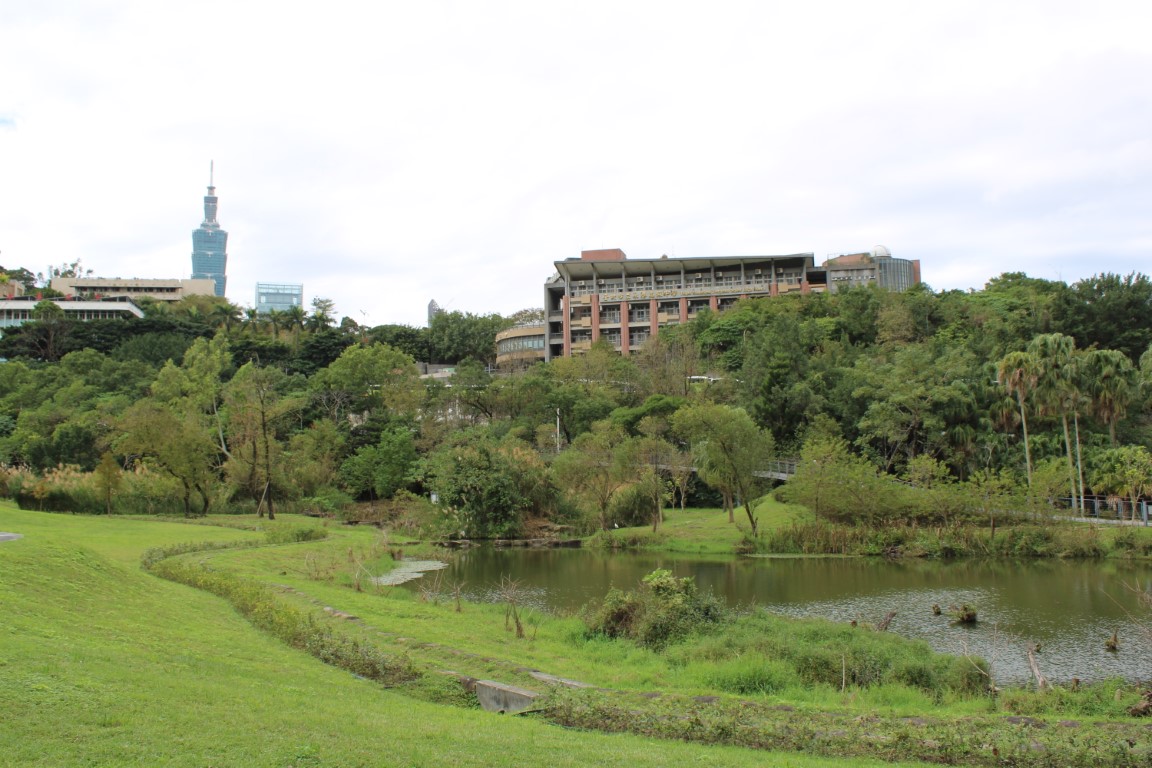
Parks and ponds are good by day;
   I do not delight
   In black acres of the night,
 Nor my unseasoned step disturbs
 The sleeps of trees or dreams of herbs.

Parks and ponds are good by day;
I do not delight
In black acres of the night,
Nor my unseasoned step disturbs
The sleeps of trees or dreams of herbs.
If I’m being entirely honest, everything that’s come out of this enterprise has been of selfish motive — even those activities that seem like they have broader purpose. For example, I started book reviewing because: a.) I found it disheartening how many books I read that I had virtually no recollection of a couple years down the line, and b.) because, while I felt I knew good writing when I read it, I couldn’t really say what it was that made it good or bad without taking a more analytical look into the matter. (And I was pretty sure good writing wouldn’t come to me osmotically — merely by reading good writing — if I didn’t understand why it was good writing.)
I started recording classic poems to get a better sense of the sound quality of well-crafted poetry (and to become more comfortable with the sound of my own voice.)
I guess the honest answer is that I hope to be smarter and more capable as a result of the practice. It is continuing education, a fostering of the Beginner’s Mind.
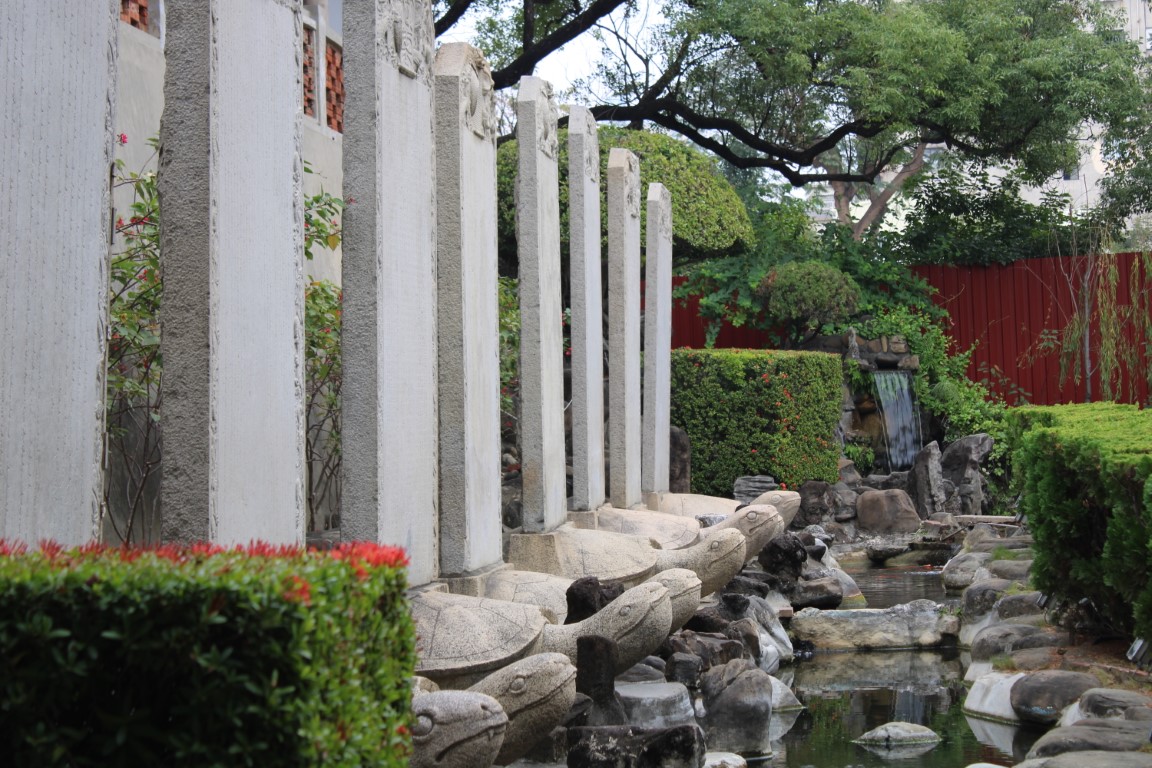
View flowers like a bandit;
  Let nature flow through you,
  Breathing in the Great Way
  As you let your crazy brew.
 Wander like the free winds --
  Sea and mountain in gray-blue.
  Feel true power overflow,
  As all nature lives through you.
 Before: sun, moon, and stars;
  Behind: the one from two.
  By dawn, sea turtles have gone,
  Soak your feet where they withdrew.
NOTE: The late Tang Dynasty poet, Sikong Tu (a.k.a. Ssŭ-k‘ung T‘u,) wrote an ars poetica entitled Twenty-Four Styles of Poetry. It presents twenty-four poems that are each in a different tone, reflecting varied concepts from Taoist philosophy and aesthetics. Above is a crude translation of the eleventh of the twenty-four poems. This poem’s Chinese title is 豪放, which has been translated to “Free,” “Set Free,” and “Broad-minded” in various English language translations.
 The Zen Teaching of Bodhidharma by Bodhidharma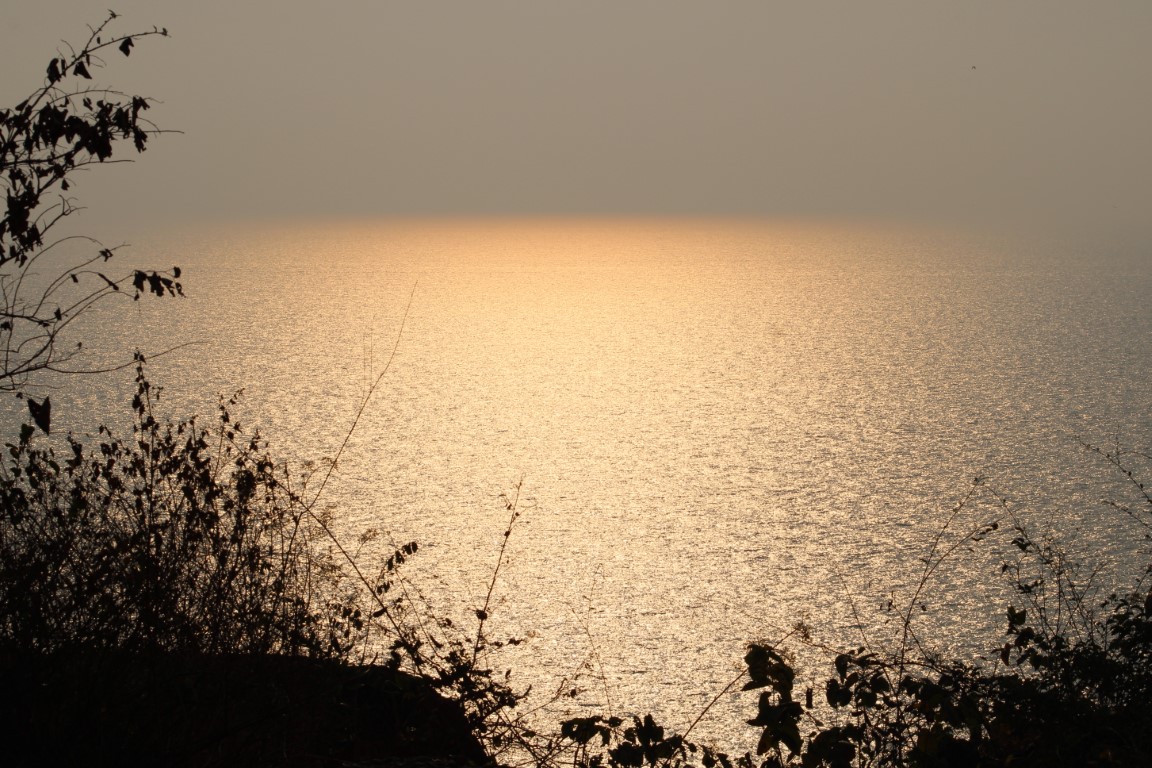
I saw a man pursuing the horizon;
 Round and round they sped.
 I was disturbed at this;
 I accosted the man.
 "It is futile," I said,
 "You can never ---"

"You lie," he cried,
 And ran on.
List 30 things that make you happy.
1.) Movement; 2.) Learning; 3.) Chocolate Chip Cookies; 4.) Nature; 5.) Travel; 6.) Discovery; 7.) Spontaneity; 8.) Funny Comments; 9.) Music; 10.) Silence; 11.) Harmony; 12.) Freedom; 13.) Seeing Beauty; 14.) Flow; 15.) Transcendence; 16.) Tacos; 17.) Coffee; 18.) Quintessence; 19.) Paper Masala Dosa; 20.) Mushroom; 21.) Thwarting of Convention; 22.) Pad Thai; 23.) Novelty; 24.) Entrancement; 25.) The Unknown; 26.) Reading; 27.) Writing; 28.) Puzzling; 29.) Mango; 30.) Coming To The End Of Meaningless Lists.

Some say they miss days of wonder,
   But I think I see their blunder.
 Those thrilling days, they never left;
   It's something of one's soul, bereft.
 That fatal flaw of lacking awe
   Is from not seeing, cause you saw.
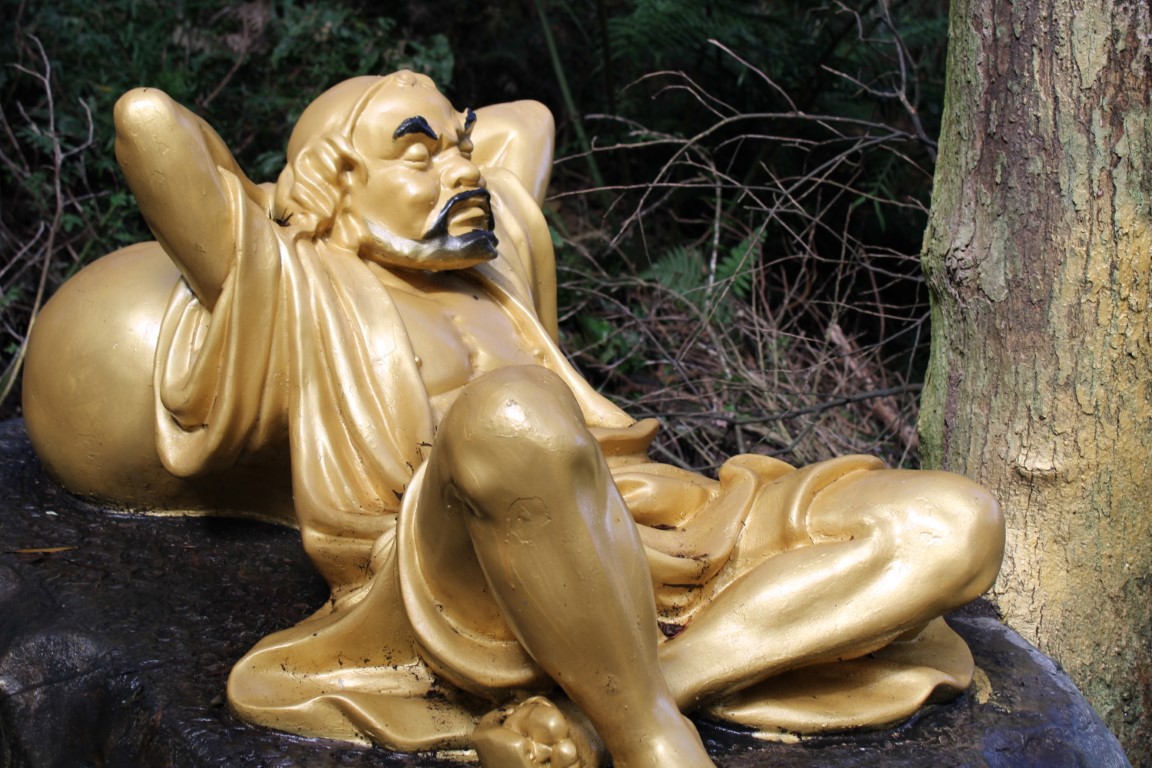
When one makes god of wealth,
 Light glows from yellow "gold,"
 But the lavish withers --
 Even as its deeps take hold.

Fog at the river's edge.
 Red apricots, woods enfold.
 Moon shine on bower's flowers.
 Painted bridge in green shadow.
 An old bowl full of wine,
 As a friend's lute song unfolds.
Make your bliss of such things,
 And they will be your true gold.
NOTE: The late Tang Dynasty poet, Sikong Tu (a.k.a. Ssŭ-k‘ung T‘u,) wrote an ars poetica entitled Twenty-Four Styles of Poetry. It presents twenty-four poems that are each in a different tone, reflecting varied concepts from Taoist philosophy and aesthetics. Above is a crude translation of the ninth of the twenty-four poems. This poem’s Chinese title is 绮丽, and its translated titles include: “Beautiful,” “Intricate,” and “Embroideries.”
A man said to the universe:
 "Sir, I exist!"
 "However," replied the universe,
 "The fact has not created in me
    A sense of obligation."
I’m not traveling, so — at one level of specificity — it could be said to be typical. The flow of my routine is more or less as usual for recent weeks. Then again, at another level of specificity, it could be said to be a day filled with completely unique experiences never before had (precisely as I’m having them) by anyone, anywhere, at any time in the history of the world. I guess I prefer to look at things in the latter way.


 Tiger Riding for Beginners