In what ways does hard work make you feel fulfilled?
Presuming there is a product or productive outcome, therein lies the fulfillment.
If the work is Sisyphean, it chafes my preference for wu wei.

In what ways does hard work make you feel fulfilled?
Presuming there is a product or productive outcome, therein lies the fulfillment.
If the work is Sisyphean, it chafes my preference for wu wei.
The apple tree never asks the beech
 how he shall grow, nor the lion the horse
 how he shall take his prey.

The thankful receiver bears a plentiful harvest.

If others had not been foolish we should have been so.

The soul of sweet delight can never be defiled.

When thou seest an eagle, thou seest a portion
 of Genius. Lift up thy head!

As the caterpillar chooses the fairest leaves
 to lay her eggs on, so the priest lays his curse
 on the fairest joys.

To create a little flower is the labour of ages.

Damn braces; bless relaxes.

The best wine is the oldest,
 the best water the newest.

Prayers plough not; praises reap not; joys laugh not;
 sorrows weep not.

The head Sublime, the heart Pathos,
 the genitals Beauty, the hands and feet Proportion.

As the air to a bird, or the sea to a fish,
 so is contempt to the contemptible.

The crow wished everything was black,
 the owl that everything was white.

Exuberance is Beauty.

If the lion was advised by the fox,
 he would be cunning.

Improvement makes straight roads,
 but the crooked roads without Improvement
 are roads of Genius.

Sooner murder an infant in its cradle
 than nurse unacted desires.

Where man is not, nature is barren.

Truth can never be told so as to be
 understood and not to be believed.

Enough! or Too much.

      *   *   *
The ancient poets animated all sensible
 objects with Gods and Geniuses, calling
 them by the names and adorning them with
 properties of woods, rivers, mountains, lakes,
 cities, nations, and whatever their enlarged
 and numerous senses could perceive.

And particularly they studied the Genius of each
 city and country, placing it under its mental deity.

Till a system was formed, which some took
 advantage of and enslaved the vulgar by
 attempting to realize or abstract the mental
 deities from their objects.

Thus began Priesthood.

Choosing forms of worship from poetic tales.

And at length they pronounced that the Gods
 had ordered such things.

Thus men forgot that all deities reside
 in the human breast.
Excess of sorrow laughs, excess of joy weeps.

The roaring of lions, the howling of wolves,
 the raging of the stormy sea, and the destructive sword,
 are portions of Eternity too great for the eye of man.

The fox condemns the trap, not himself.

Joys impregnate, sorrows bring forth.

Let man wear the fell of the lion, woman the fleece of the sheep.

The bird a nest, the spider a web, man friendship.

The selfish smiling fool and the sullen frowning fool
 shall be both thought wise that they may be a rod.

What is now proved was once only imagined.

The rat, the mouse, the fox, the rabbit watch the roots;
 the lion, the tiger, the horse, the elephant watch the fruits.

The cistern contains, the fountain overflows.

One thought fills immensity.

Always be ready to speak your mind, and a base man will avoid you.

Everything possible to be believed is an image of truth.

The eagle never lost so much time as when he submitted
 to learn of the crow.

The fox provides for himself, but God provides for the lion.

Think in the morning, act in the noon, eat in the evening,
 sleep in the night.

He who has suffered you to impose on him knows you.

As the plough follows words, so God rewards prayers.

The tigers of wrath are wiser than the horses of instruction.

Expect poison from the standing water.

You never know what is enough unless you know
 what is more than enough.

Listen to the fool's reproach; it is a kingly title.

The eyes of fire, the nostrils of air, the mouth of water,
 the beard of earth.

The weak in courage is strong in cunning.
In seed-time learn, in harvest teach, in winter enjoy.

Drive your cart and your plough over the bones of the dead.

The road of excess leads to the palace of wisdom.

Prudence is a rich ugly old maid courted by Incapacity.

He who desires, but acts not, breeds pestilence.

The cut worm forgives the plough.

Dip him in the river who loves water.

A fool sees not the same tree that a wise man sees.

He whose face gives no light shall never become a star.

Eternity is in love with the productions of time.

The busy bee has no time for sorrow.

The hours of folly are measured by the clock,
 but of wisdom no clock can measure.

All wholesome food is caught without a net or a trap.

Bring out number, weight, and measure in a year of dearth.

No bird soars too high if he soars with his own wings.

A dead body revenges not injuries.

The most sublime act is to set another before you.

If the fool would persist in his folly he would become wise.

Folly is the cloak of knavery.

Shame is Pride's cloak.

Prisons are built with stones of law, brothels with bricks of religion.

The pride of the peacock is the glory of God.

The lust of the goat is the bounty of God.

The wrath of the lion is the wisdom of God.

The nakedness of woman is the work of God.
Daughters of Time, the hypocritic Days,
 Muffled and dumb like barefoot dervishes,
 And marching single in an endless file,
 Bring diadems and fagots in their hands.
 To each they offer gifts after his will,
 Bread, kingdoms, stars, or sky that holds
      them all.
 I, in my pleached garden, watched the
      pomp,
 Forgot my morning wishes, hastily
 Took a few herbs and apples, and the Day
 Turned and departed silent. I, too late,
 Under her solemn fillet saw the scorn.
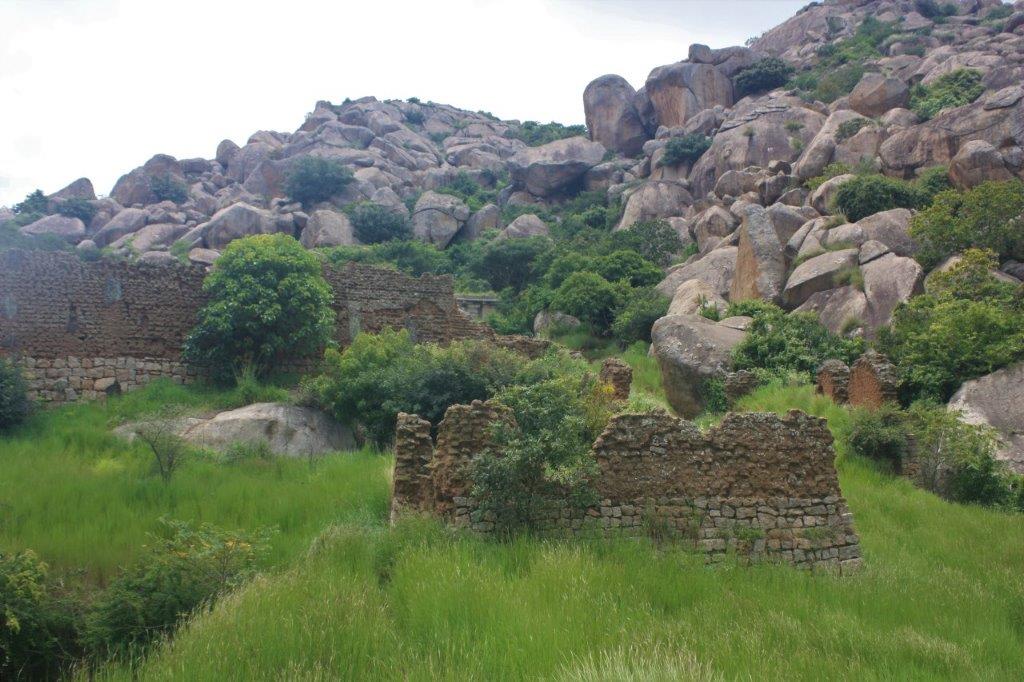
Crumbling is not an instant's Act
   A fundamental pause
 Dilapidation's processes
   Are organized Decays --

'Tis first a Cobweb on the Soul
   A Cuticle of Dust
 A Borer in the Axis
   An Elemental Rust --

Ruin is formal -- Devil's work
   Consecutive and slow--
 Fail in an instant, no man did
   Slipping -- is Crashe's law --
What things give you energy?
Breath and food. But I also find movement, music, and being in a natural setting feel energizing,
1
2
3
4
5
6
7
8
9
1
I sing the body electric,
 The armies of those I love engirth me
   and I engirth them,
 They will not let me off till I go with them,
   respond to them,
 And discorrupt them, and charge them full
   with the charge of the soul.

Was it doubted that those who corrupt
   their own bodies conceal themselves?
 And if those who defile the living are as bad
   as they who defile the dead?
 And if the body does not do fully
   as much as the soul?
 And if the body were not the soul,
   what is the soul?
2
The love of the body of man or woman
   balks account, the body itself balks,
   account,
 That of the male is perfect, and that of
   the female is perfect.

The expression of the face balks account,
 But the expression of a well-made man
   appears not only in his face,
 It is in his limbs and joints also, it is
   curiously in the joints of his hips and
   wrists,
 It is in his walk, the carriage of his neck, the
   flex of his waist and knees, dress does not
   hide him,
 The strong sweet quality he has strikes
   through the cotton and broadcloth,
 To see him pass conveys as much as the best
   poem, perhaps more,
 You linger to see his back, and the back of
   his neck and shoulder-side.

The sprawl and fulness of babes, the bosoms
   and heads of women, the folds of their
   dress, their style as we pass in the street,
   the contour of their shape downwards,
 The swimmer naked in the swimming-bath,
   seen as he swims through the transparent
   green-shine, or lies with his face up and
   rolls silently to and fro in the heave of the
   water,
 The bending forward and backward of
   rowers in row-boats, the horseman in his
   saddle,
 Girls, mothers, house-keepers, in all their
   performances,
 The group of laborers seated at noon-time
   with their open dinner-kettles, and their
   wives waiting,
 The female soothing a child, the farmer's
   daughter in the garden or cow-yard,
 The young fellow hoeing corn, the sleigh-
   driver driving his six horses through the
   crowd,
 The wrestle of wrestlers, two apprentice-
   boys, quite grown, lusty, good-natured,
   native-born, out on the vacant lot at sun-
   down after work,
 The coats and caps thrown down, the
   embrace of love and resistance,
 The upper-hold and the under-hold, the hair
   rumpled over and blinding their eyes;
 The march of firemen in their own
   costumes, the play of masculine muscle
   through clean-setting trowsers and waist-
   straps,
 The slow return from the fire, the pause
   when the bell strikes suddenly again, and
   the listening on the alert,
 The natural, perfect, varied attitudes, the
   bent head, the curv'd neck and the
   counting;
 Such-like I love -- I loosen myself, pass
   freely, am at the mother's breast with the
   little child,
 Swim with the swimmers, wrestle with
   wrestlers, march in line with the firemen,
   and pause, listen, count.
3
I knew a man, a common farmer, the father
   of five sons,
 And in them the fathers of sons, and in
   them the fathers of sons.

This man was of wonderful vigor, calmness,
   beauty of person,
 The shape of his head, the pale yellow and
   white of his hair and beard, the
   immeasurable meaning of his black eyes,
   the richness and breadth of his manners,
 These I used to go and visit him to see, he
   was wise also,
 He was six feet tall, he was over eighty years
   old, his sons were massive, clean,
   bearded, tan-faced, handsome,
 They and his daughters loved him, all who
   saw him loved him,
 They did not love him by allowance, they
   loved him with personal love,
 He drank water only, the blood show'd like
   scarlet through the clear-brown skin of
   his face,
 He was a frequent gunner and fisher, he
   sail'd his boat himself, he had a fine one
   presented to him by a ship-joiner, he had
   fowling-pieces presented to him by men
   that loved him,
 When he went with his five sons and many
   grand-sons to hunt or fish, you would
   pick him out as the most beautiful and
   vigorous of the gang,
 You would wish long and long to be with
   him, you would wish to sit by him in the
   boat that you and he might touch each
   other.
4
I have perceiv'd that to be with those l like
   is enough,
 To stop in company with the rest at evening
   is enough,
 To be surrounded by beautiful, curious,
   breathing, laughing flesh is enough,
 To pass among them or touch any one, or
   rest my arm ever so lightly round his or
   her neck for a moment, what is this then?
 I do not ask any more delight, I swim in it
   as in a sea.

There is something in staying close to men
    and women and looking on them, and in
    the contact and odor of them, that
    pleases the soul well,
 All things please the soul, but these please
    the soul well.
5
This is the female form,
 A divine nimbus exhales from it from head
   to foot,
 It attracts with fierce undeniable attraction,
 I am drawn by its breath as if I were no
   more than a helpless vapor, all falls aside
   but myself and it,
 Books, art, religion, time, the visible and
   solid earth, and what was expected of
   heaven or fear'd of hell, are now
   consumed,
 Mad filaments, ungovernable shoots play
   out of it, the response likewise
   ungovernable,
 Hair, bosom, hips, bend of legs, negligent
   falling hands all diffused, mine too
   diffused,
 Ebb stung by the flow and flow stung by the
   ebb, love-flesh swelling and deliciously
   aching,
 Limitless limpid jets of love hot and
   enormous, quivering jelly of love, white-
   blow and delirious juice,
 Bridegroom night of love working surely
   and softly into the prostrate dawn,
 Undulating into the willing and yielding
   day,
 Lost in the cleave of the clasping and sweet-
   flesh'd day.

This the nucleus -- after the child is born of
   woman, man is born of woman,
 This the bath of birth, this the merge of
   small and large, and the outlet again.

Be not ashamed women, your privilege
   encloses the rest, and is the exit of the
   rest,
 You are the gates of the body, and you are
   the gates of the soul.

The female contains all qualities and
   tempers them,
 She is in her place and moves with perfect
   balance,
 She is all things duly veil'd, she is both
   passive and active,
 She is to conceive daughters as well as sons,
   and sons as well as daughters.

As I see my soul reflected in Nature,
 As I see through a mist, One with
   inexpressible completeness, sanity, beauty,
 See the bent head and arms folded over the
   breast, the Female I see.
6
The male is not less the soul nor more, he
   too is in his place,
 He too is all qualities, he is action and
   power,
 The flush of the known universe is in him,
 Scorn becomes him well, and appetite and
   defiance become him well,
 The wildest largest passions, bliss that is
   utmost, sorrow that is utmost become
   him well, pride is for him,
 The full-spread pride of man is calming and
   excellent to the soul,
 Knowledge becomes him, he likes it always,
   he brings every thing to the test of
   himself,
 Whatever the survey, whatever the sea and
   the sail he strikes soundings at last only
   here,
 (Where else does he strike soundings except
   here?)

The man's body is sacred and the woman's
   body is sacred,
 No matter who it is, it is sacred -- is it the
   meanest one in the laborers' gang?
 Is it one of the dull-faced immigrants just
   landed on the wharf?
 Each belongs here or anywhere just as much
   as the well-off, just as much as you,
 Each has his or her place in the procession.

(All is a procession,
 The universe is a procession with measured
   and perfect motion.)

Do you know so much yourself that you call
   the meanest ignorant?
 Do you suppose you have a right to a good
   sight, and he or she has no right to a
   sight?
 Do you think matter has cohered together
   from its diffuse float, and the soil is on
   the surface, and water runs and
   vegetation sprouts,
 For you only, and not for him and her?
7
A man's body at auction,
 (For before the war I often go to the slave-
     mart and watch the sale,)
 I help the auctioneer, the sloven does not
     half know his business.

Gentlemen look on this wonder,
 Whatever the bids of the bidders they
     cannot be high enough for it,
 For it the globe lay preparing quintillions of
     years without one animal or plant,
 For it the revolving cycles truly and steadily
     roll'd.

In this head the all-baffling brain,
 In it and below it the makings of heroes.

Examine these limbs, red, black, or white,
     they are cunning in tendon and nerve,
 They shall be stript that you may see them.

Exquisite senses, life-lit eyes, pluck, volition,
 Flakes of breast-muscle, pliant backbone
     and neck, flesh not flabby, good-sized
     arms and legs,
 And wonders within there yet.

Within there runs blood,
 The same old blood! the same red-running
     blood!
 There swells and jets a heart, there all
     passions, desires, reachings, aspirations,
 (Do you think they are not there because
     they are not express'd in parlors and
     lecture-rooms?)

This is not only one man, this the father of
     those who shall be fathers in their turns,
 In him the start of populous states and rich
     republics,
 Of him countless immortal lives with
     countless embodiments and enjoyments.

How do you know who shall come from the
     offspring of his offspring through the
     centuries?
 (Who might you find you have come from
     yourself, if you could trace back through
     the centuries?)
8
A woman's body at auction,
 She too is not only herself, she is the
      teeming mother of mothers,
 She is the bearer of them that shall grow
      and be mates to the mothers.

Have you ever loved the body of a woman?
 Have you ever loved the body of a man?
 Do you not see that these are exactly the
      same to all in all nations and times all
      over the earth?

If any thing is sacred the human body is
      sacred,
 And the glory and sweet of a man is the
      token of manhood untainted,
 And in man or woman a clean, strong, firm-
      fibered body, is more beautiful than the
      most beautiful face.

Have you seen the fool that corrupted his
       own live body? or the fool that corrupted
       her own live body?
 For they do not conceal themselves, and
       cannot conceal themselves.
9
O my body! I dare not desert the likes of
   you in other men and women, nor the
   likes of the parts of you,
 I believe the likes of you are to stand or fall
   with the likes of the soul, (and that they
   are the soul,)
 I believe the likes of you shall stand or fall
   with my poems, and that they are my
   poems,
 Man's, woman's, child's, youth's, wife's,
   husband's, mother's, father's, young
   man's, young woman's poems,
 Head, neck, hair, ears, drop and tympan of
   the ears,
 Eyes, eye-fringes, iris of the eye, eyebrows,
   and the waking or sleeping of the lids,
 Mouth, tongue, lips, teeth, roof of the
   mouth, jaws, and the jaw-hinges,
 Nose, nostrils of the nose, and the partition,
 Cheeks, temples, forehead, chin, throat,
   back of the neck, neck-slue,
 Strong shoulders, manly beard, scapula,
   hind-shoulders, and the ample side-
   round of the chest,
 Upper-arm, armpit, elbow-socket, lower-
   arm, arm-sinews, arm-bones,
 Wrist and wrist-joints, hand, palm,
   knuckles, thumb, forefinger, finger-joints,
   finger-nails,
 Broad breast-front, curling hair of the
   breast, breast-bone, breast-side,
 Ribs, belly, backbone, joints of the
   backbone,
 Hips, hip-sockets, hip-strength, inward and
   outward round, man-balls, man-root,
 Strong set of thighs, well carrying the trunk
   above,
 Leg fibres, knee, knee-pan, upper-leg,
   under-leg,
 Ankles, instep, foot-ball, toes, toe-joints, the
   heel;
 All attitudes, all the shapeliness, all the
   belongings of my or your body or of any
   one's body, male or female,
 The lung-sponges, the stomach-sac, the
   bowels sweet and clean,
 The brain in its folds inside the skull-frame,
 Sympathies, heart-valves, palate-valves,
   sexuality, maternity,
 Womanhood, and all that is a woman, and
   the man that comes from woman,
 The womb, the teats, nipples, breast-milk,
   tears, laughter, weeping, love-looks, love-
   perturbations and risings,
 The voice, articulation, language,
   whispering, shouting aloud,
 Food, drink, pulse, digestion, sweat, sleep,
   walking, swimming,
 Poise on the hips, leaping, reclining,
   embracing, arm-curving and tightening,
 The continual changes of the flex of the
   mouth, and around the eyes,
 The skin, the sunburnt shade, freckles, hair,
 The curious sympathy one feels when
    feeling with the hand the naked meat of
    the body,
 The circling rivers the breath, and breathing
    it in and out,
 The beauty of the waist, and thence of the
    hips, and thence downward toward the
    knees,
 The thin red jellies within you or within
    me, the bones and the morrow in the
    bones,
 The exquisite realization of health;
 O I say these are not the parts and poems of
    the body only, but of the soul,
 O I say now these are the soul!
O my body! I dare not desert the likes of
   you in other men and women, nor the
   likes of the parts of you,
 I believe the likes of you are to stand or fall
   with the likes of the soul, (and that they
   are the soul,)
 I believe the likes of you shall stand or fall
   with my poems, and that they are my
   poems,
 Man's, woman's, child's, youth's, wife's,
   husband's, mother's, father's, young
   man's, young woman's poems,
 Head, neck, hair, ears, drop and tympan of
   the ears,
 Eyes, eye-fringes, iris of the eye, eyebrows,
   and the waking or sleeping of the lids,
 Mouth, tongue, lips, teeth, roof of the
   mouth, jaws, and the jaw-hinges,
 Nose, nostrils of the nose, and the partition,
 Cheeks, temples, forehead, chin, throat,
   back of the neck, neck-slue,
 Strong shoulders, manly beard, scapula,
   hind-shoulders, and the ample side-
   round of the chest,
 Upper-arm, armpit, elbow-socket, lower-
   arm, arm-sinews, arm-bones,
 Wrist and wrist-joints, hand, palm,
   knuckles, thumb, forefinger, finger-joints,
   finger-nails,
 Broad breast-front, curling hair of the
   breast, breast-bone, breast-side,
 Ribs, belly, backbone, joints of the
   backbone,
 Hips, hip-sockets, hip-strength, inward and
   outward round, man-balls, man-root,
 Strong set of thighs, well carrying the trunk
   above,
 Leg fibres, knee, knee-pan, upper-leg,
   under-leg,
 Ankles, instep, foot-ball, toes, toe-joints, the
   heel;
 All attitudes, all the shapeliness, all the
   belongings of my or your body or of any
   one's body, male or female,
 The lung-sponges, the stomach-sac, the
   bowels sweet and clean,
 The brain in its folds inside the skull-frame,
 Sympathies, heart-valves, palate-valves,
   sexuality, maternity,
 Womanhood, and all that is a woman, and
   the man that comes from woman,
 The womb, the teats, nipples, breast-milk,
   tears, laughter, weeping, love-looks, love-
   perturbations and risings,
 The voice, articulation, language,
   whispering, shouting aloud,
 Food, drink, pulse, digestion, sweat, sleep,
   walking, swimming,
 Poise on the hips, leaping, reclining,
   embracing, arm-curving and tightening,
 The continual changes of the flex of the
   mouth, and around the eyes,
 The skin, the sunburnt shade, freckles, hair,
 The curious sympathy one feels when
    feeling with the hand the naked meat of
    the body,
 The circling rivers the breath, and breathing
    it in and out,
 The beauty of the waist, and thence of the
    hips, and thence downward toward the
    knees,
 The thin red jellies within you or within
    me, the bones and the morrow in the
    bones,
 The exquisite realization of health;
 O I say these are not the parts and poems of
    the body only, but of the soul,
 O I say now these are the soul!


 Tiger Riding for Beginners