Willow Cascade [Haiku]

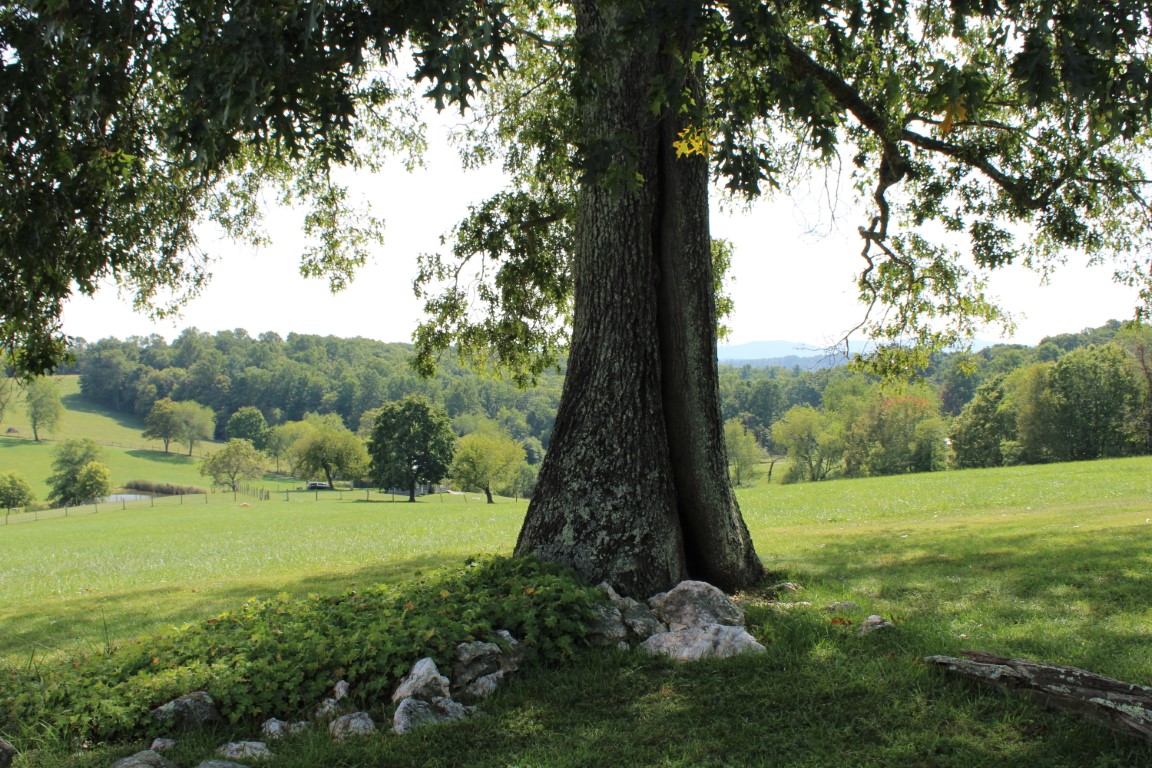
willows cascade,
evoking waterfalls
on craggy cliffs.

Queen of Slaves [Lyric Poem]

Of all the masters & all the slaves,
   I find that mind fire burns in waves.
 And sometimes the emotions derail
   too quickly to lengthen the exhale. 

 Trees falling in the forest, unheard,
   can still crush a nest of baby birds.
 Turns out it's not the sound that matters,
    but what the destruction leaves in tatters.

The phrase “Queen of Slaves” comes from a Percy Bysshe Shelley poem (Canto 4, No. 24)

Feel the Breeze [Free Verse]

Feel the breeze upon your face.
 Let it be all you know.

Don't ponder atmospheric lows.
 Just feel the breeze upon your face,
         and know:

There is a breeze.
         (Though it may not be
           what you think it is.)
 You have a face.
         (Though it may not be
           what you think it is.)

Perspective Impossible [Haiku]

Buddha statue:
 what would its reflection 
  in my eyes look like?

Startle Response [Haiku]

even in death
 the scorpion can evoke
  momentary fear.

BOOK REVIEW: Mindfulness in Wild Swimming by Tessa Wardley

Mindfulness in Wild Swimming: Meditations on Nature & Flow (Mindfulness series)Mindfulness in Wild Swimming: Meditations on Nature & Flow by Tessa Wardley
My rating: 4 of 5 stars

Amazon.in Page

Release Date: June 13, 2023

As the title suggests, this is a book about combining mindfulness and swimming in natural bodies of water. It’s part of a large series of “Mindfulness and …” books, and this particular volume is a re-release of a title that came out a couple years back.

While the book does provide an overview the basic methods and considerations for both mindfulness meditation and wild swimming, it’s largely a peptalk or enticement to take up wild swimming as a means to improve awareness (as well as to bolster physical health and mental well-being.) That said, some of this peptalk is artfully, almost poetically, written, and the book is a pleasure to read.

The book discusses solo swims versus those in a group, and it even explores using onshore experiences to bolster mindfulness — e.g. using the sensory experience of the water as a focal point for practicing awareness. The around- (v. in-) water discussions are probably in part because the book uses seasons as a secondary mode of organization, and long and leisurely winter swims in lakes and rivers aren’t an option for people in many parts of the world.

I picked up some interesting food-for-thought in the book, and — as I say — it made for enjoyable reading.

View all my reviews

What Lurks Below? [Lyric Poem]

I'm swimming in the lake -
miles from one and all,
feeling peace and calm - when
the monster comes to call.

What could drag me under?
I'll never, ever know.
Some will always wonder
what caused the undertow.

The lake is surface calm,
and should be at its depths,
but in its muck lie bones
of those pulled under breath.

Some will swim tomorrow,
and in the days to come.
Most will come and go,
and just feel blissful numb.

Second-Order Harmony [Haiku]

i watch surfers
 watch the waves, attuning
   to their attunement. 

In Captivity [Free Verse]

bars at your back,

and their stripes
 permanently etched 
  into one's field of vision.

so much so, 
 that you feel they're 
  a ubiquitous feature
   of the world beyond. 

the cage should be a hated place,
 but one can grow to love the cage.

the cage is shelter.

the cage is delivery address
 for food & water disbursements.

the cage forms rollbars --
  like on a dune buggy --
   protection in the event 
    of a sudden & unexpected crash.

the cage offers one a range --
 narrow as it might be --
  of distances at which one's captor
   may be kept,

and, as long as the cage is shut,
 that gives one a delightful 
  illusion of control. 

what a hated place a cage should be,
 and yet how conflicted are the captives?

Scale Change [Haiku]

boulders in a pond
 become the stone monolith
  islands in a sea.