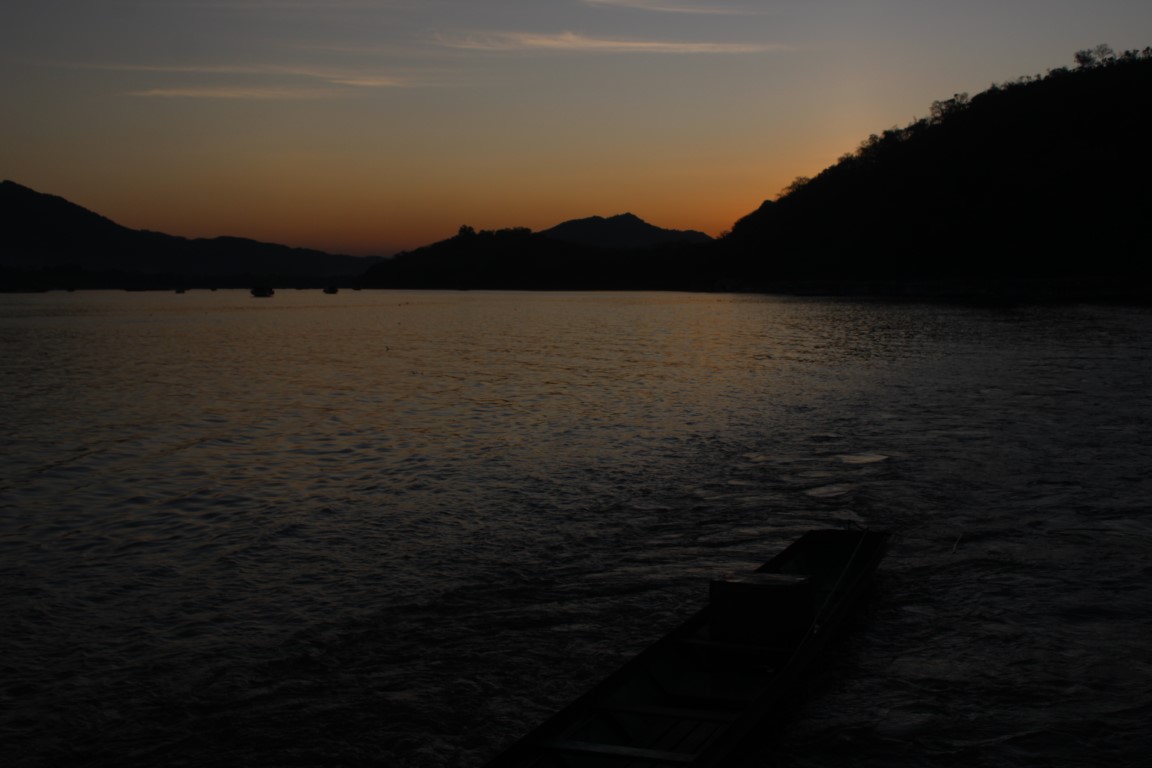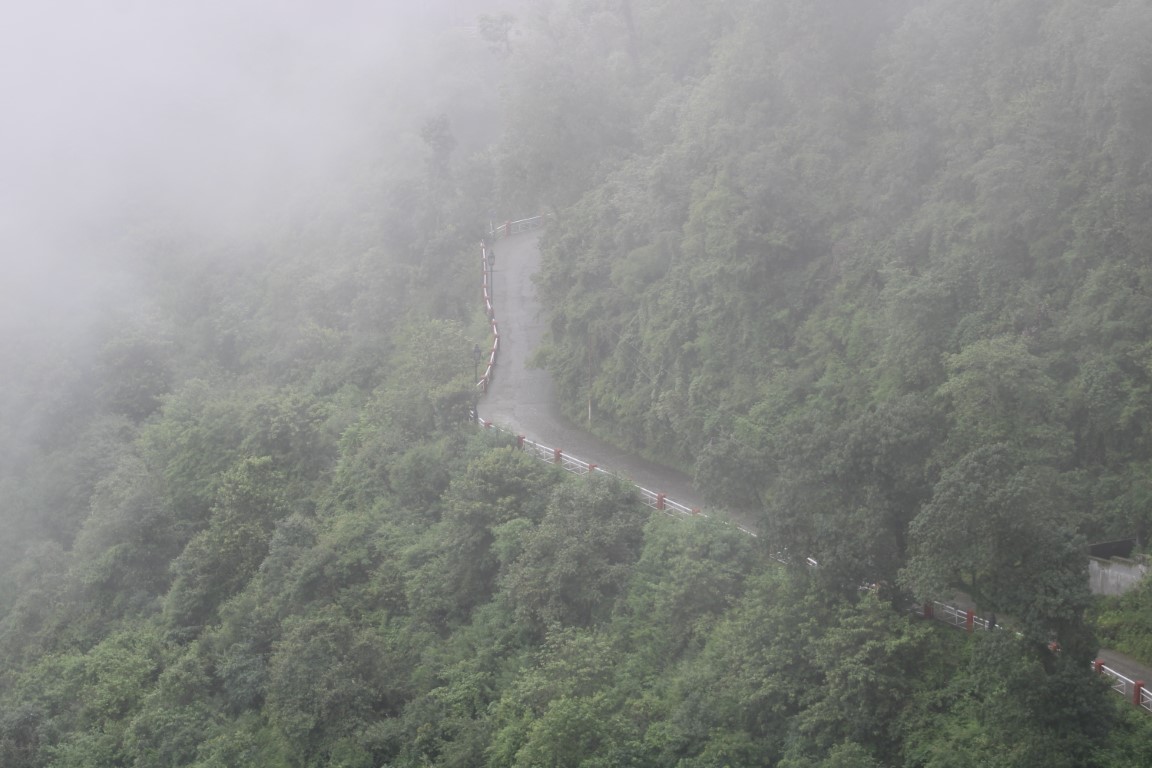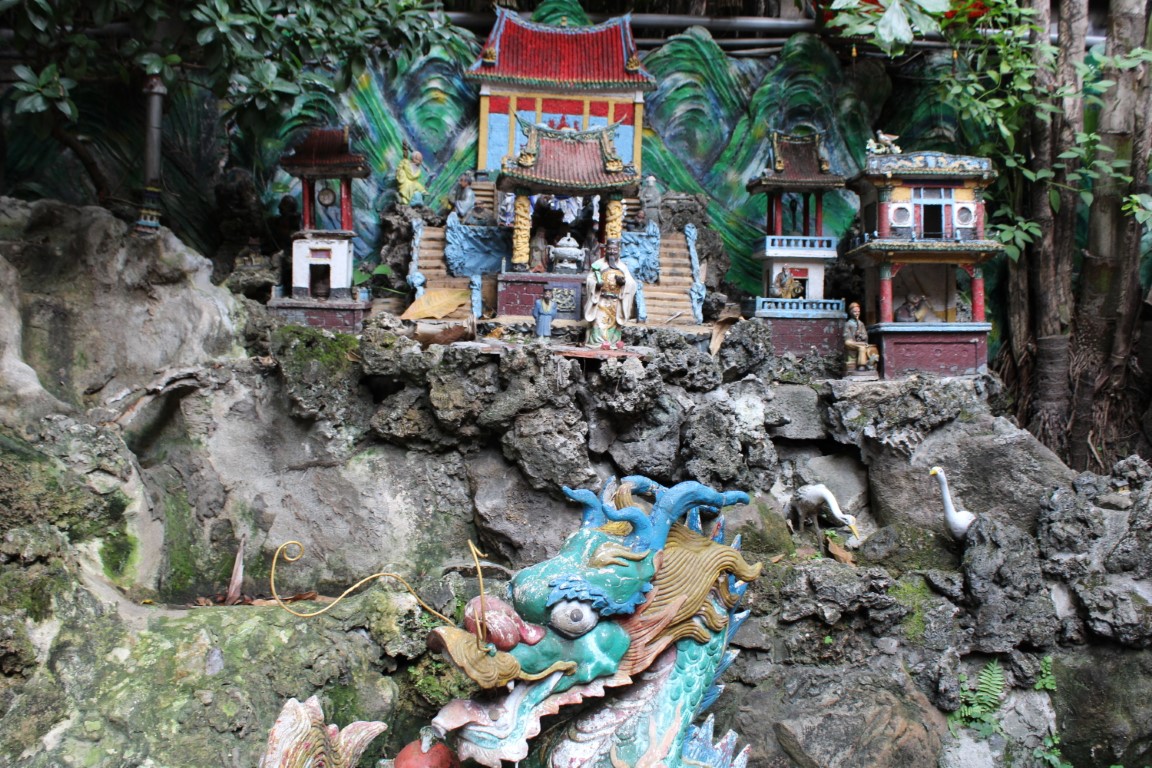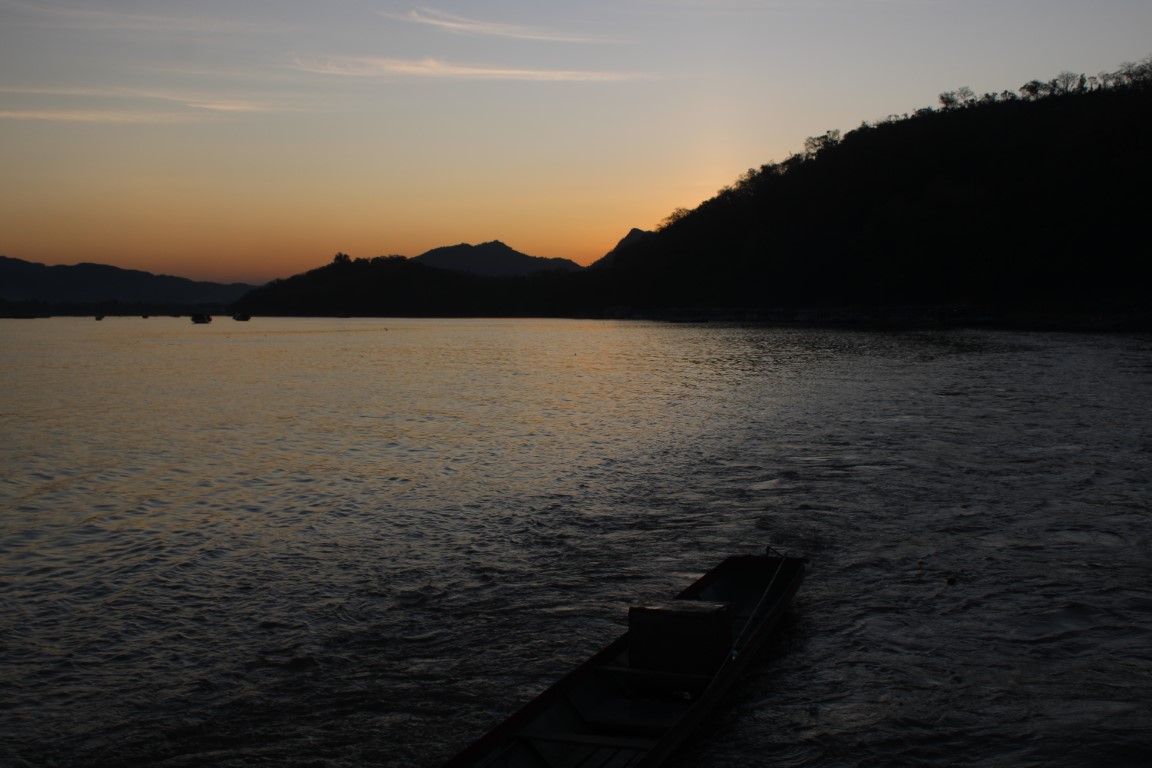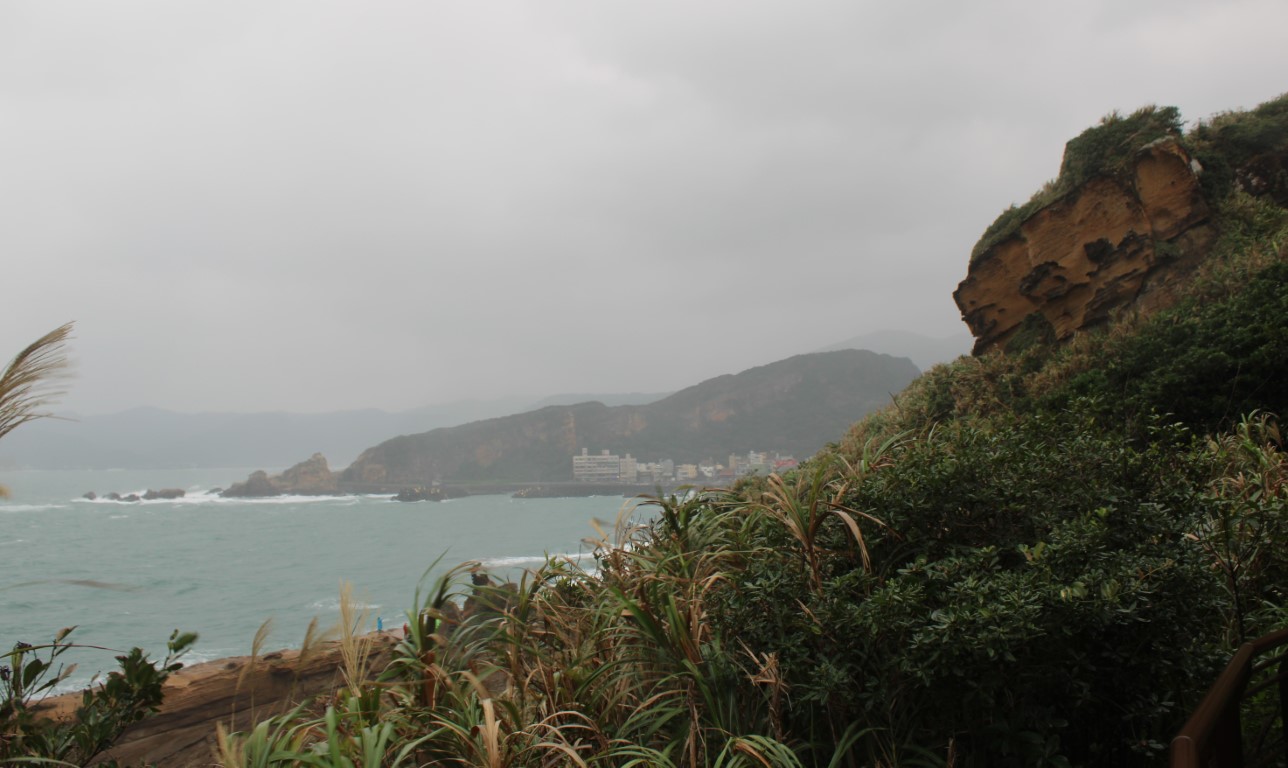
“On Dongting Lake: To Premier Zhang” [临洞庭上张丞相] by Meng Haoran [孟浩然] [w/ Audio]

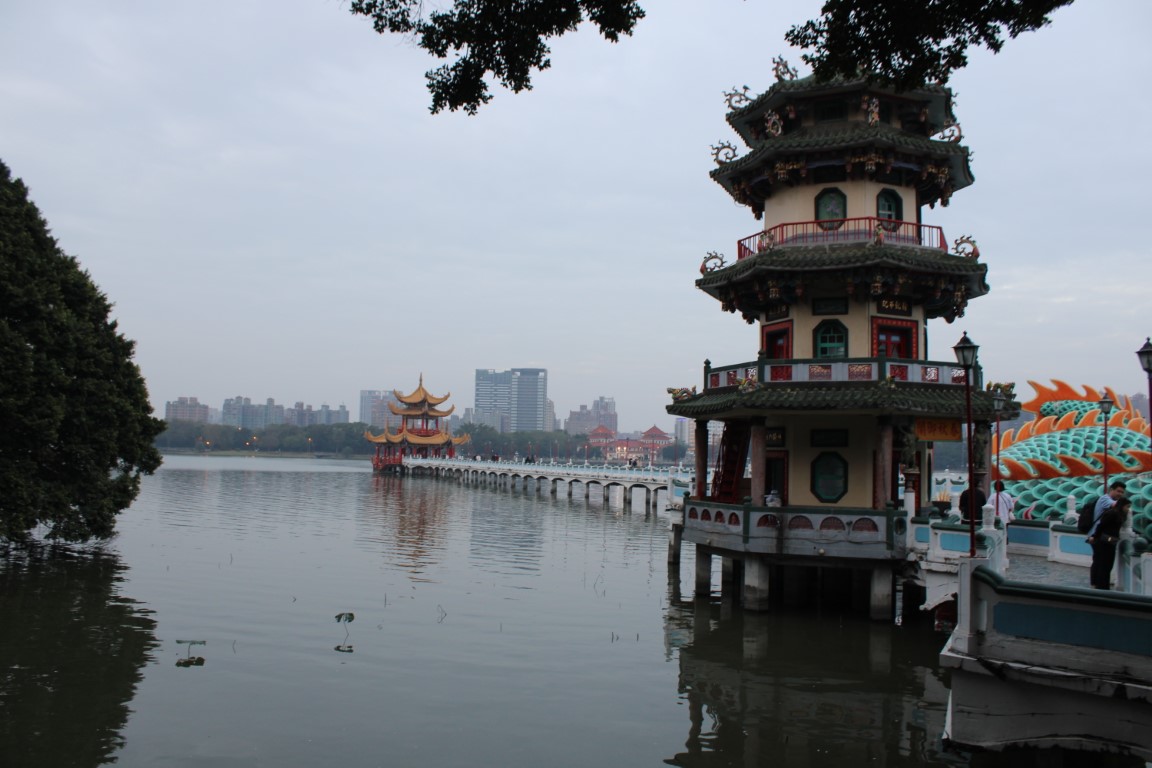
The lake is glassy in August.
The air and sky are oh-so clear.
Vapor steams off of Yunmeng ponds,
Ripples lap at Yueyang's piers.
There're no boats to cross the water.
Shame! I couldn't emulate sages.
I sit and watch a fisherman
And envy his catch and his wages.

This is poem #124 in 300 Tang Poems [唐诗三百首.] Original Poem in Simplified Chinese:

八月湖水平, 涵虚混太清。
气蒸云梦泽, 波撼岳阳城。
欲济无舟楫, 端居耻圣明。
坐观垂钓者, 空有羡鱼情。

Wen Fu 6 [文赋六] “Modes of Writing” by Lu Ji [陆机]

Poetry is poignant and ornate;
Essays are deep and content-centric.
Stele entries are true to the essence;
Paeans, moving and melancholic.
Inscriptions are concise and kindly;
Telltales have a logic and cadence.
Odes show great grace and refinement;
Op-eds are unrepressed and intense.
Music 's penetrating and stately;
Speeches must sparkle with cleverness.
Though there ever so many forms,
All thwart evil and allow release:
Expression, sans pride overweening,
With no waste of words or lost meaning.

Original in Simplified Chinese:

诗缘情而绮靡,赋体物而浏亮。
碑披文以相质,诔缠绵而凄怆。
铭博约而温润,箴顿挫而清壮。
颂优游以彬蔚,论精微而朗畅。
奏平彻以闲雅,说炜晔而谲诳。
虽区分之在兹,亦禁邪而制放。
要辞达而理举,故无取乎冗长。

“Drinking at Night in Dongpo” by Su Shi [w/ Audio]

Drunk at night in Dongpo.
I sober, then drink once more;
I return at three A.M.
To hear boy's thunderous snores.
I knock but there's no answer --
Lean on my staff and listen
To water, and feel my regrets
As ripples in river glisten.
I could vanish in this boat,
And see out my life afloat.

Note: The Song Dynasty poet Su Shi [苏轼] was also known as Dongpo [東坡] or Zizhan [子瞻.]

BOOKS: “Wen-Tzu” Trans. by Thomas Cleary

Wen-TzuWen-Tzu by Lao-Tzu
My rating: 5 of 5 stars

Publisher Site – Shambhala

This work is presented as “further thoughts of Laozi [老子].” Readers of the Dàodé jīng [道德经] will recognize many a familiar statement of that work, but this book is much more extensive and detailed. I say “presented as” because scholars no longer believe this was a product of Laozi and his lifetime (if such an individual ever existed.) For one thing, the book seems more syncretic than the Dàodé jīng, that is to say there are points at which it sounds strikingly Confucian — rather than purely Taoist.

As with the Dàodé jīng the Wénzǐ [文子] covers a lot of ground from metaphysics to individual ethics to political philosophy, but this book has more room to sprawl on each subject.

As with other Cleary translations, it’s a pretty readable translation.

I’d recommend it for readers interested in Chinese Philosophy.

View all my reviews

“Wang Chuan Village After Rain” [积雨辋川庄作] by Wang Wei [王维]

Smoke slowly rises from sodden woods;
Millet 's steamed to feed the fieldhands;
Egrets fly over foggy paddies;
Hidden birds sing from lush tree stand.
Mountain hikers study hibiscus,
Under dewy pines chew sunflower seeds,
Give mat space to any old traveler.
Gull and I: wary of each other's deeds.

Original Poem in Simplified Chinese:

积雨空林烟火迟, 蒸藜炊黍饷东菑。
漠漠水田飞白鹭, 阴阴夏木啭黄鹂。
山中习静观朝槿, 松下清斋折露葵。
野老与人争席罢, 海鸥何事更相疑?

Wen Fu 5: “Writing Styles” [文赋五] by Lu Ji [陆机] [w/ Audio]

Among ten thousand writing styles,
There's no one standard or measure.
The styles: many, muddled, and free --
Form, the unattainable treasure.
Talent in word-wrangling shows skill.
Idea conveyance shows craft.
Writers strive 'twixt have and have not --
Unyielding in shallow or deep draught.
An escape artist of fine lines --
Yet time and space consume in kind.
Intricacy excites the eye,
But frugality soothes the mind.
One of few words is not confined.
Verbose writers drift the Undefined.

The original in Simplified Chinese:

体有万殊,物无一量。
纷纭挥霍,形难为状。
辞程才以效伎,意司契而为匠。
在有无而黾勉,当浅深而不让。
虽离方而遯员,期穷形而尽相。
故夫夸目者尚奢,惬心者贵当。
言穷者无隘,论达者唯旷。

“Down to Jiangling” [下江陵] by Li Bai [李 白]

I left Baidi amid ochre clouds --
Crossed a thousand li by day's end.
Monkeys howled and chased along each bank;
My skiff slipped past ten thousand mountains.

The original in Simplified Chinese:

朝辞白帝彩云间
千里江陵一日还
两岸猿声啼不住
轻舟已过万重山

Note: this is poem #269 of the 300 Tang Poems [唐詩三百首.]

PROMPT: Reread

Daily writing prompt
What book could you read over and over again?

If plays count as books, then most of Shakespeare’s plays. I’ve already reread a number of them (e.g. Hamlet, Macbeth, Merchant of Venice, and A Midsummer Night’s Dream.)

I’ve read Whitman’s Leaves of Grass, a couple times in full (and segments of it many times over) and expect to get to it again. I’ve read Voltaire’s Candide a couple times.

I could definitely see rereading Journey to the West, Water Margin, and Romance of the Three Kingdoms, but at this point I’m hoping my Mandarin will get good enough to read them in Simplified Chinese.

I’ve read a number of nonfiction texts multiple times — e.g. Sunzi’s Art of War, Miyamoto Musashi’s Book of Five Rings, Laozi’s Dao De Jing, and Emerson’s Selected Essays.

I’m generally not a fan of rereading books because there is so much awesome stuff out there to be read a first time. For all the reading I’ve done, there is still a massive number of classics that I have yet to touch. Usually there has to be a good reason for a reread, e.g. a new translation that promises to be improved / simplified, the book is just so potent as to still have lessons packed in after the first read, it’s a challenging read and the first go leaves a lot on the table, or — like The Little Prince — its enjoyment-to-time investment ratio is high.

Wen Fu 4: “Ekstasis” [文赋四] by Lu Ji [陆机]

It's all the amusing matters
That sages admire without bounds.
Writers find their way through the void --
Knock on silence to find its sound.
Silk scroll messages from afar,
The bard's words surge forth from the heart.
Words and ash grow to overflow --
Thoughts transcend depths to become art.
Flowery fragrance pungently sprawls;
Plants shoot forth verdant greenery.
The brush winds swirl to whirlwinds
Clouds climb above the academy.

Note: I previously posted other translators’ (Barnstone and Chou) version of this poem as The Joy of Words @ https://berniegourley.com/2024/12/31/the-joy-of-words-by-lu-ji-w-audio/

Original poem in Simplified Chinese:

伊兹事之可乐,固圣贤之所钦。
课虚无以责有,叩寂寞而求音。
函绵邈于尺素,吐滂沛乎寸心。
言恢之而弥广,思按之而逾深。
播芳蕤之馥馥,发青条之森森。
粲风飞而猋竖,郁云起乎翰林。

PROMPT: Character

Daily writing prompt
If you could be a character from a book or film, who would you be? Why?

Wu Song (武松) from Water Margin (水浒传.)

Because he’s a traveler with zero f#&ks to give. There is no more freedom to be had than that.