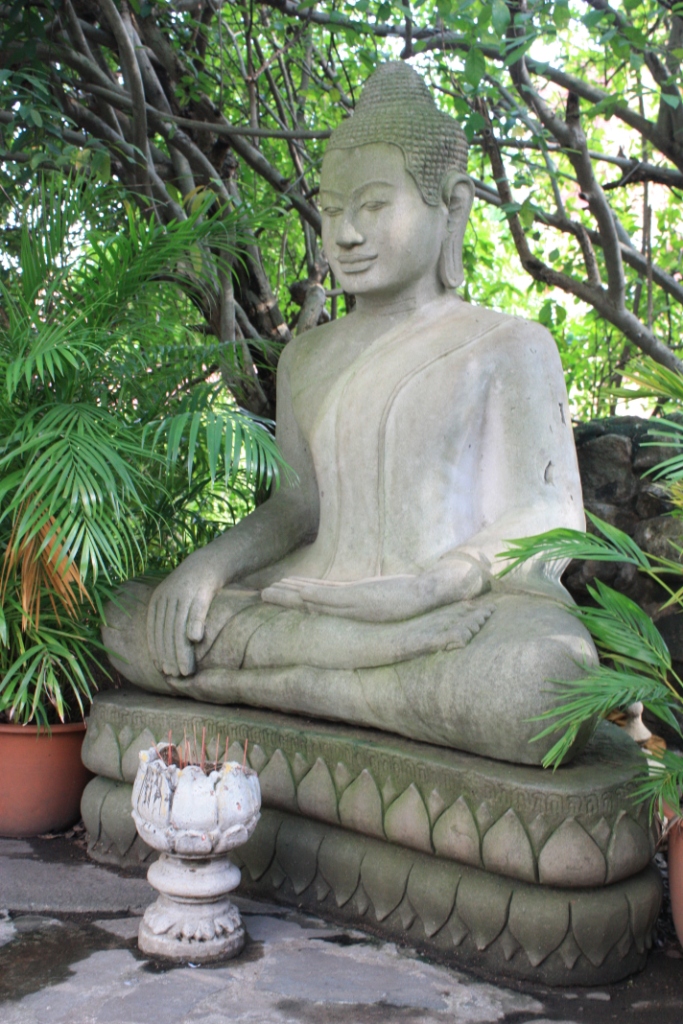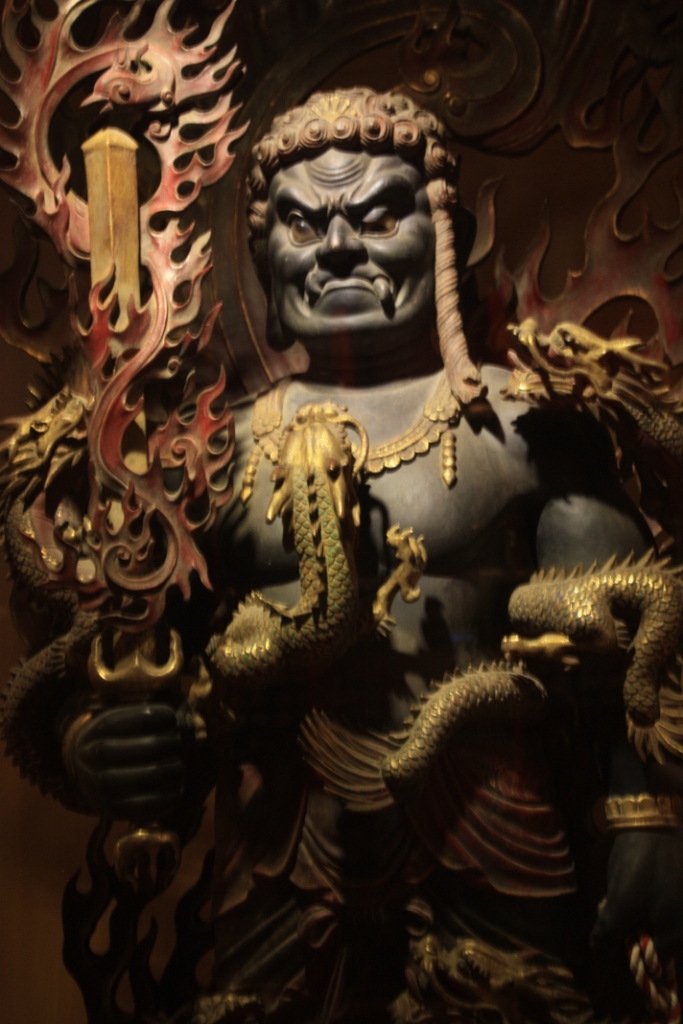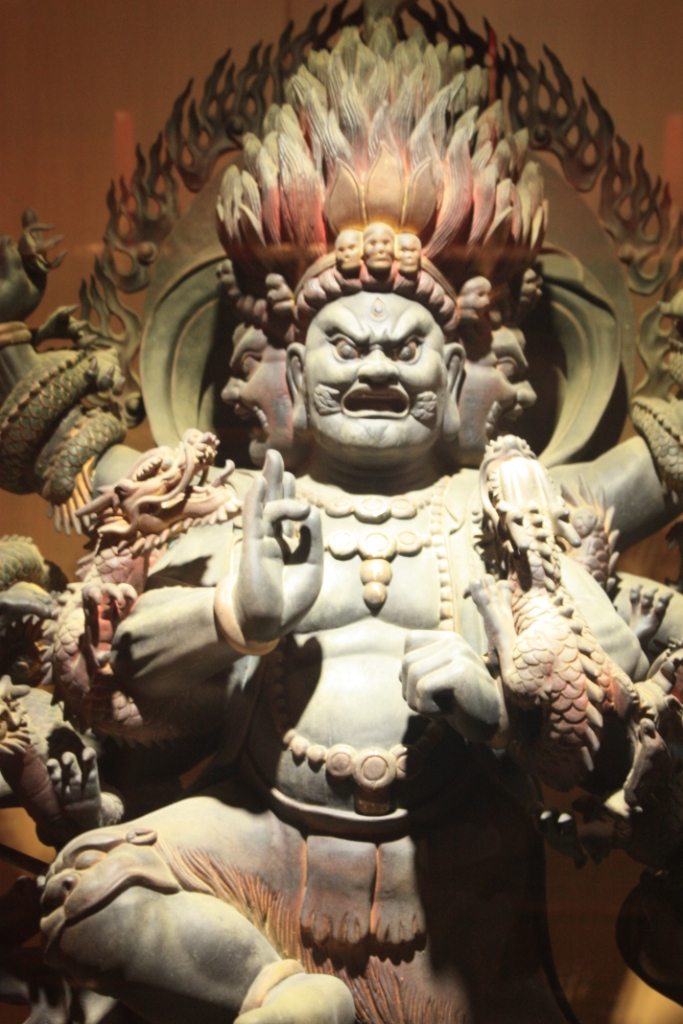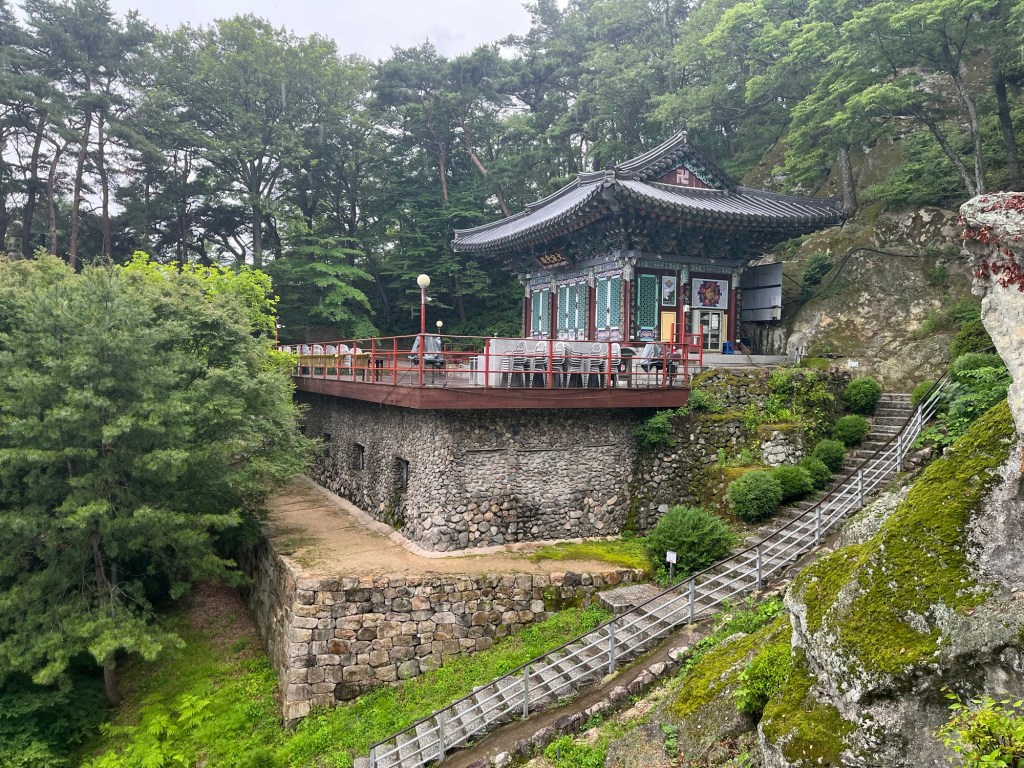
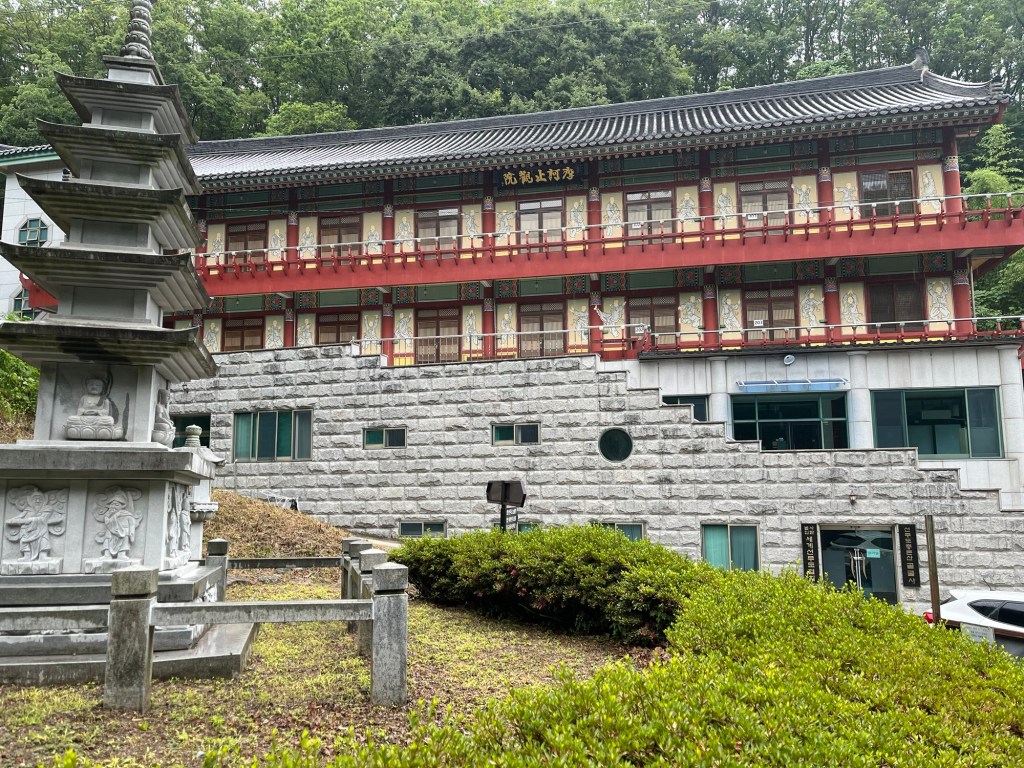
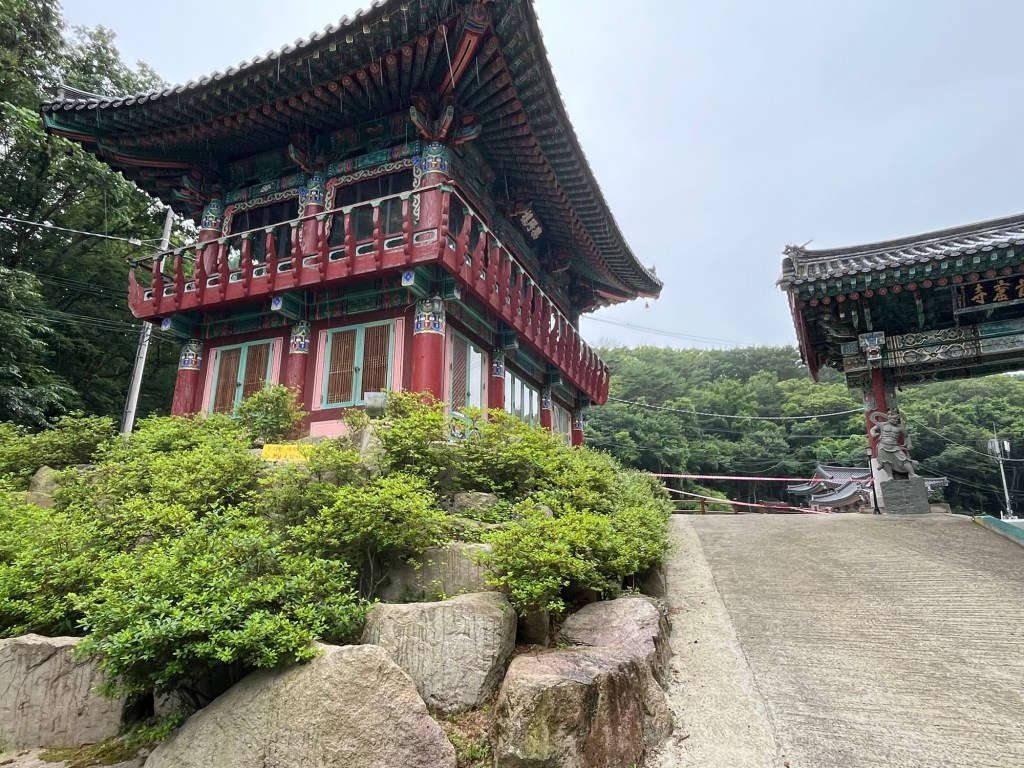
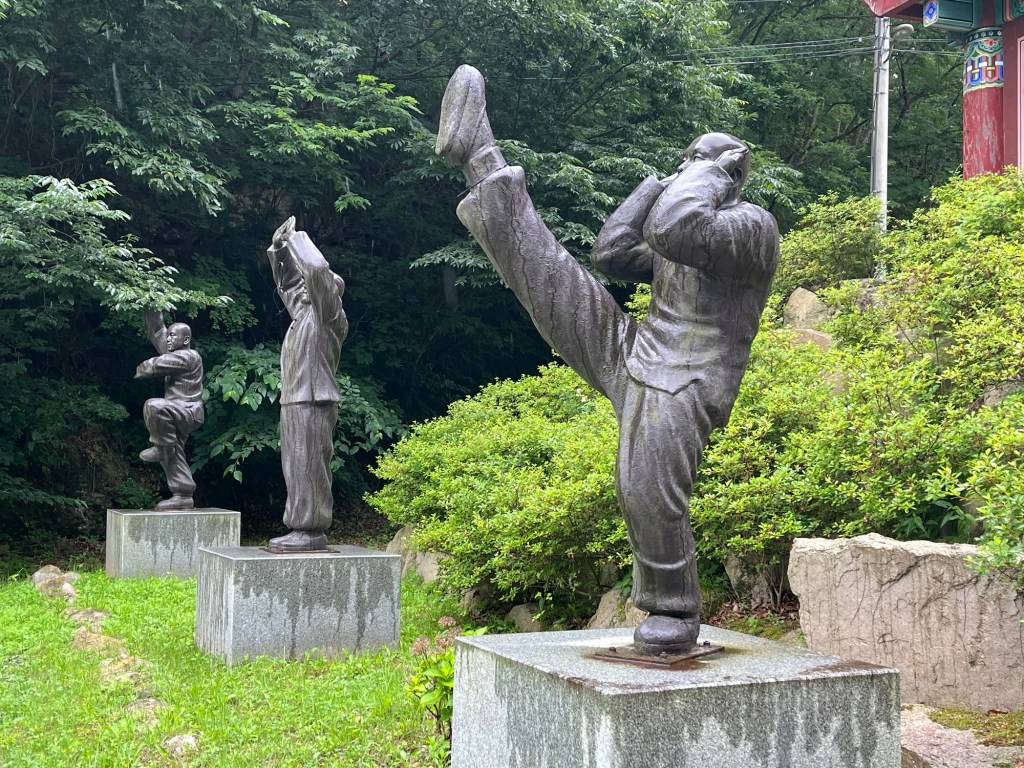
DAILY PHOTO: Golgulsa: The Korean Shaolin

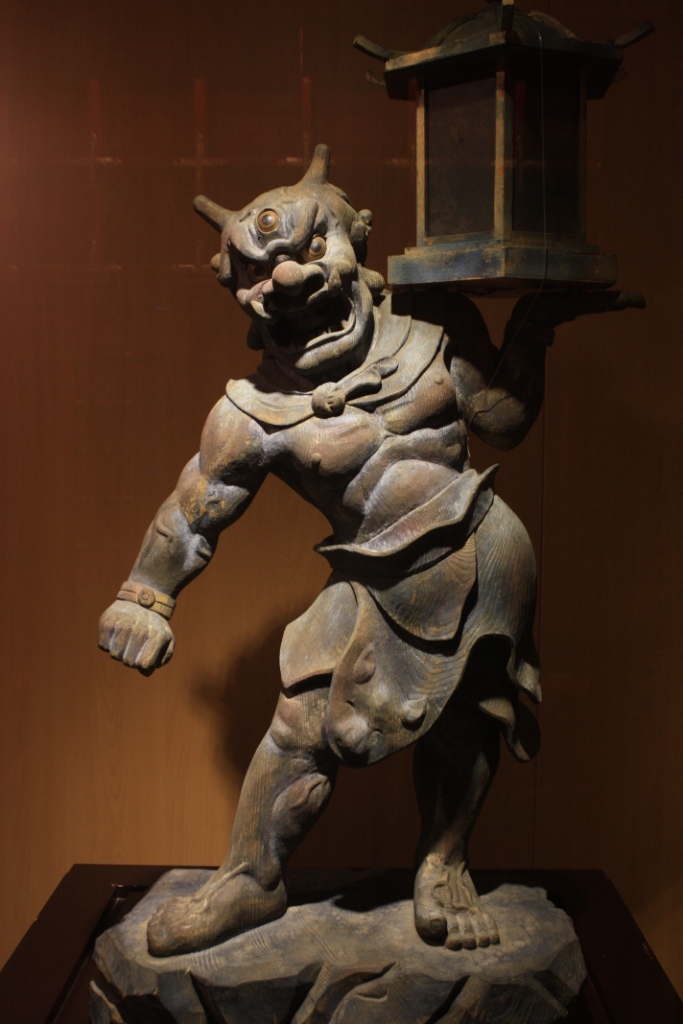
DAILY PHOTO: Oni Sculptures, Temple of the Tooth – Singapore

PROMPT: Legacy

Daily writing prompt
What is the legacy you want to leave behind?

If “legacy” is defined as something left behind that serves to keep one’s memory alive, then I don’t. I think that goal is futile, illusory, and a bit narcissistic. Even those who are “remembered” long after their deaths are not truly remembered. For example, the Alexander the Great who is remembered to this day likely bears little resemblance to the one who was flesh and blood. What we remember are products of imagination. [Which is fine, but then why tie them to people who lived as opposed to purely fictional ones?]

If I could leave behind some configuration of knowledge of the art of human living that would be helpful to anyone (without it being tied to my identity or memory) that would be a fine thing.
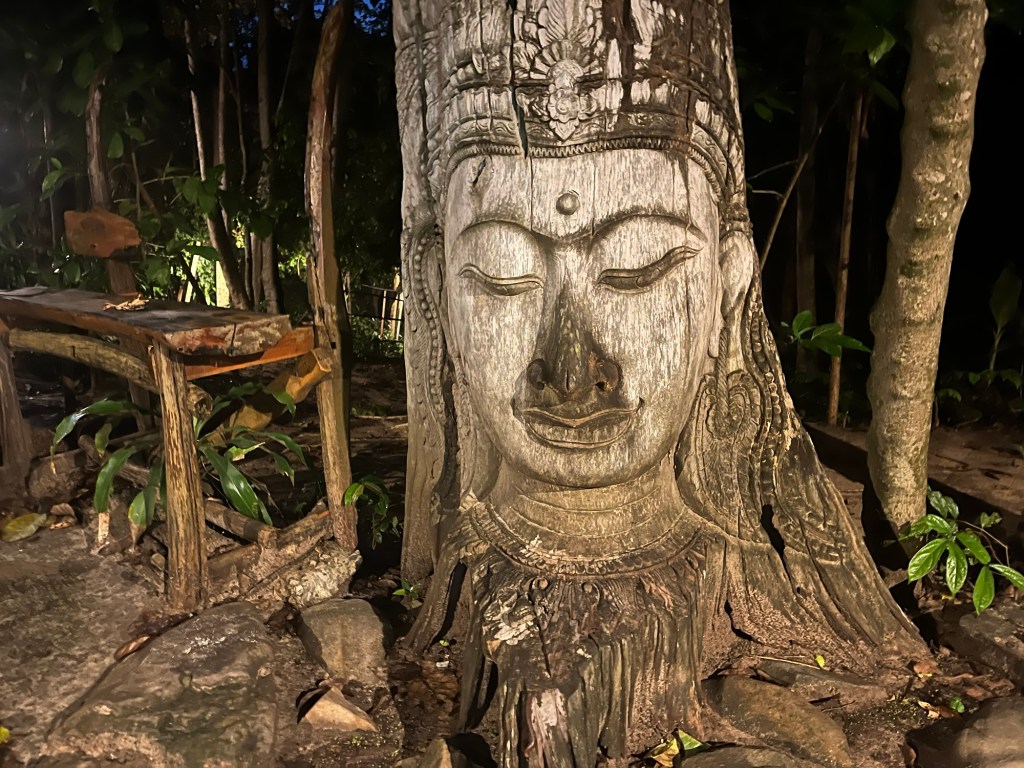
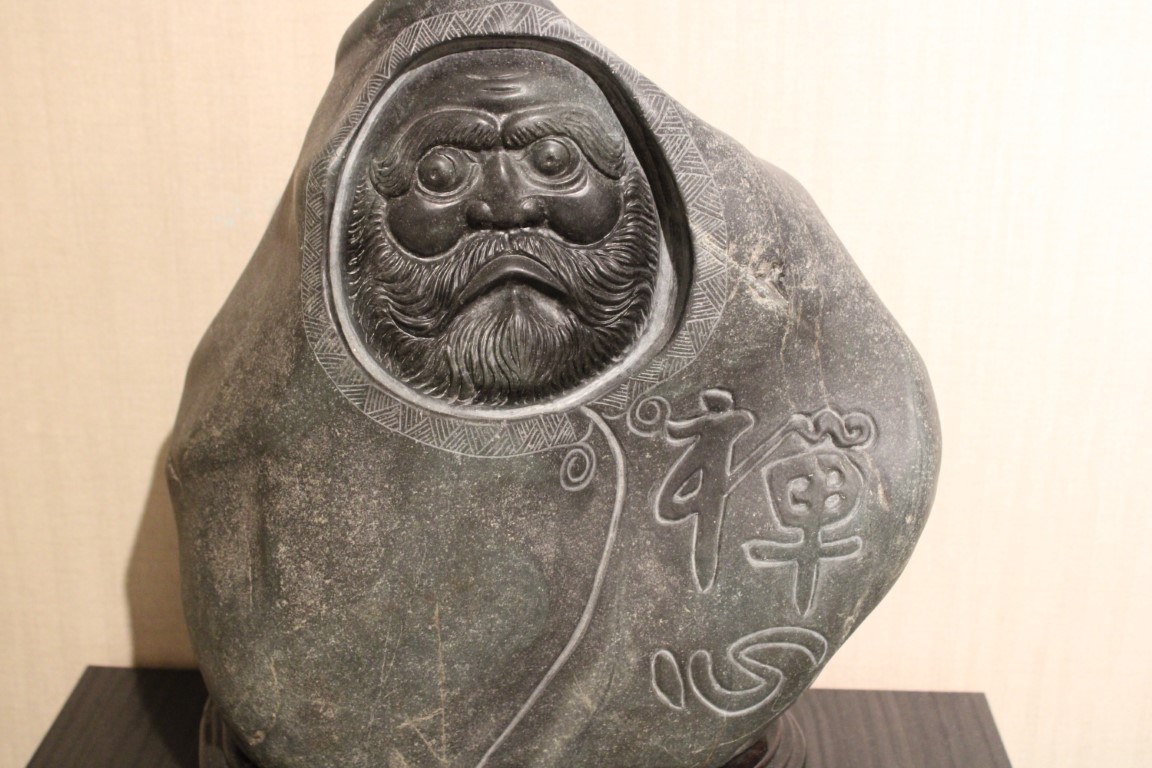
DAILY PHOTO: Wood Carving

Daruma [Free Verse]

He is carved as an
amorphous stone,
Suggesting he stared
into the rock until
any distinction between
himself and the rock
vanished. . .

But the sculptor couldn't
help but add a face.
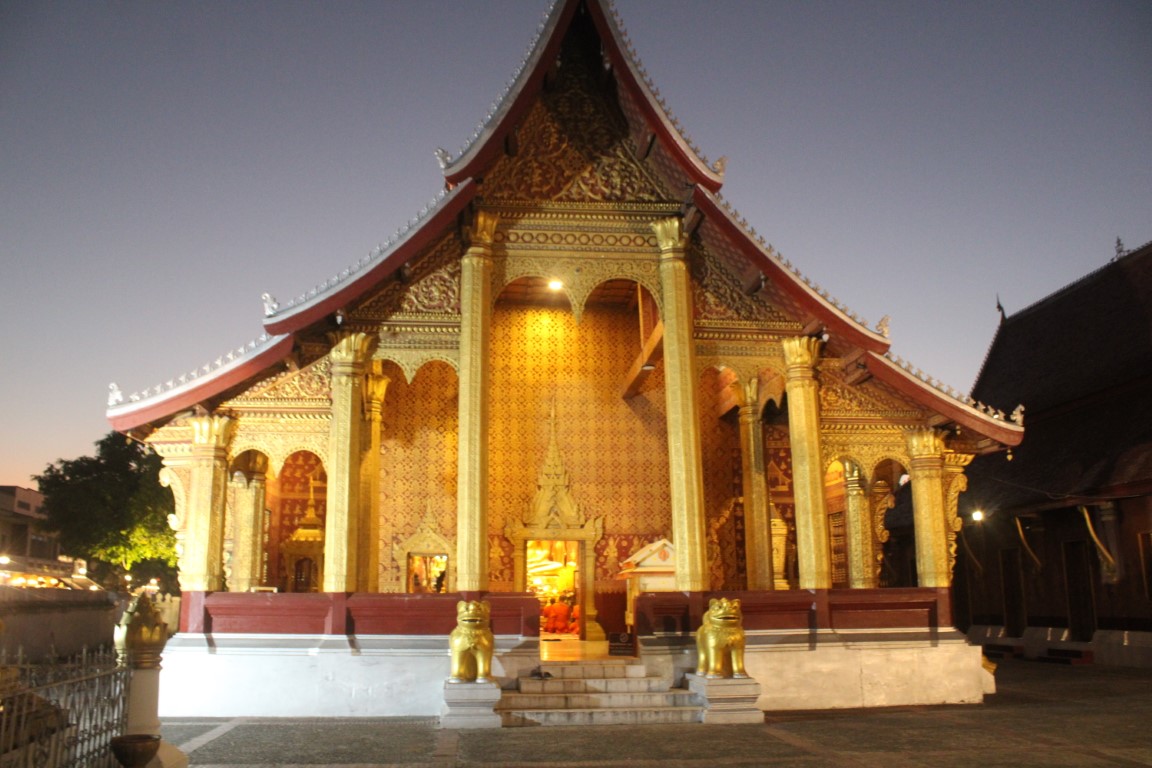
Dusky Temple [Haiku]

under dusky skies,
a temple emits droning chants
and golden light.

BOOKS: “The Life of Hiuen-Tsiang” by Hui-li [trans. by Samuel Beal]

The Life of Hiuen-TsiangThe Life of Hiuen-Tsiang by Hui-li
My rating: 4 of 5 stars

Available free online through the Indian Gov’t

Those familiar with Chinese Literature (or smash-hit video games) will be acquainted with the tale of Sun Wu Kong, the Monkey King. The central event of the novel Journey to the West is a Chinese Buddhist monk traveling to India to gather a complete set of the Buddhist canon. In the novel (and video game, Black Myth: WuKong,) the monk’s name is Tang Sanzang (in translations – and movie / television – he’s sometimes called Tripitaka, which is actually the name of the Pali Canon — the original Buddhist books, themselves.) In real life there was also such a monk, and his name was Xuanzang (玄奘, Romanized as Hiuen-Tsiang in an earlier system,) and this book describes his travels to, through, and back from India.

It turns out the monk was not escorted by a god-tier mythical creature and his two superpowered compatriots (i.e. Pigsy and Sandy.) For this reason, the actual Xuanzang occasionally got threatened, robbed, and was once almost killed by riverine pirates. This book is a travelogue of Xuanzang’s journeys through China, Central Asia, [present-day] Afghanistan and Pakistan, and throughout India.

Needless to say, this book isn’t as taut and thrilling as the fictional account with its gods and monsters, but – for those with historical and geographic interests – it’s not without appeal. It does have extensive description of Xuanzang’s visits with various monks and royalty that is dry reading as well as discussions of where Xuanzang’s collection stood at any given point, but there are a few intense events and harrowing moments.

If you’re interested in Buddhist history, you may want to give this book a look.

View all my reviews

“Illusion” by Amy Lowell [w/ Audio]

   Walking beside the tree-peonies,
I saw a beetle
Whose wings were of black lacquer spotted with milk.
I would have caught it,
But it ran from me swiftly
And hid under the stone lotus
Which supports the Statue of Buddha.

PROMPT: Tattoo

Daily writing prompt
What tattoo do you want and where would you put it?

I have no use for any tattoo, anywhere, thank you very much.

I’ll leave it to the teens and twenty-somethings to believe there is some image or phrase that will always and forever capture their essence. I’ve been through too many versions of myself and came out accepting the Buddhist / Taoist notion that everything, everywhere [even the self — if there even is such a thing] is in constant flux.
“Circular Portrait” by Ikkyū [w/ Audio]

The monk’s entire body is present
in this great circle.
Xutang’s true face and eye
emerge from it.
The blind singer’s love song delights
flowers for ten thousand springs.

Translation by Kazuaki Tanahashi and David Schneider in Essential Zen (1994) HarperSanFrancisco.