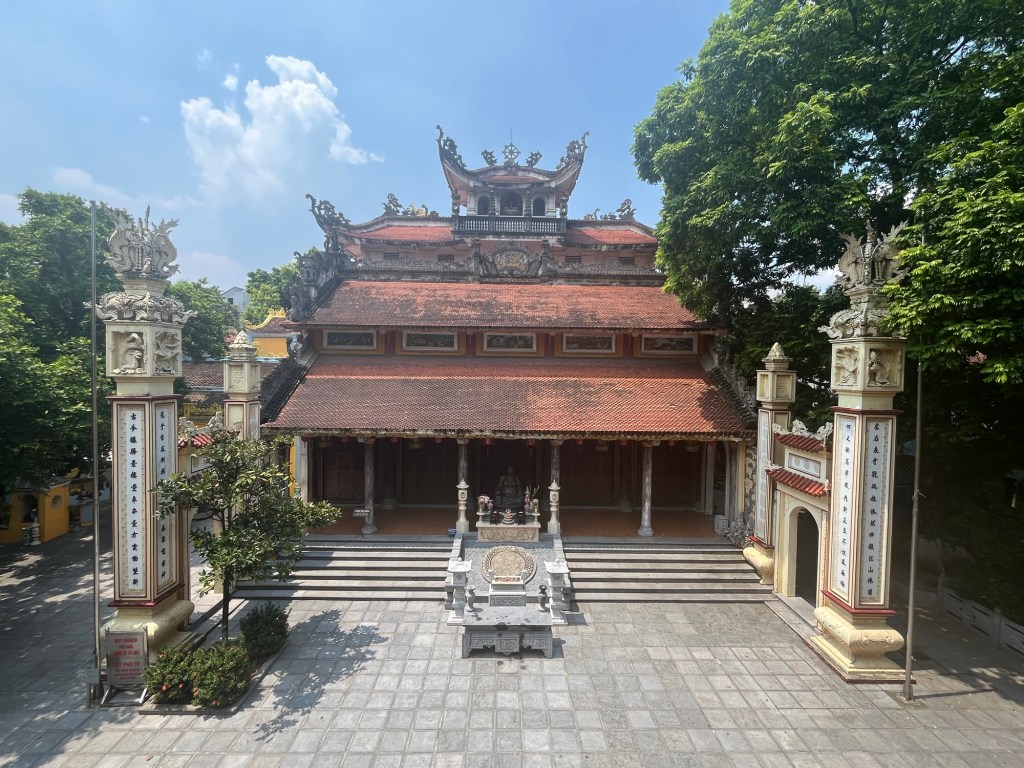
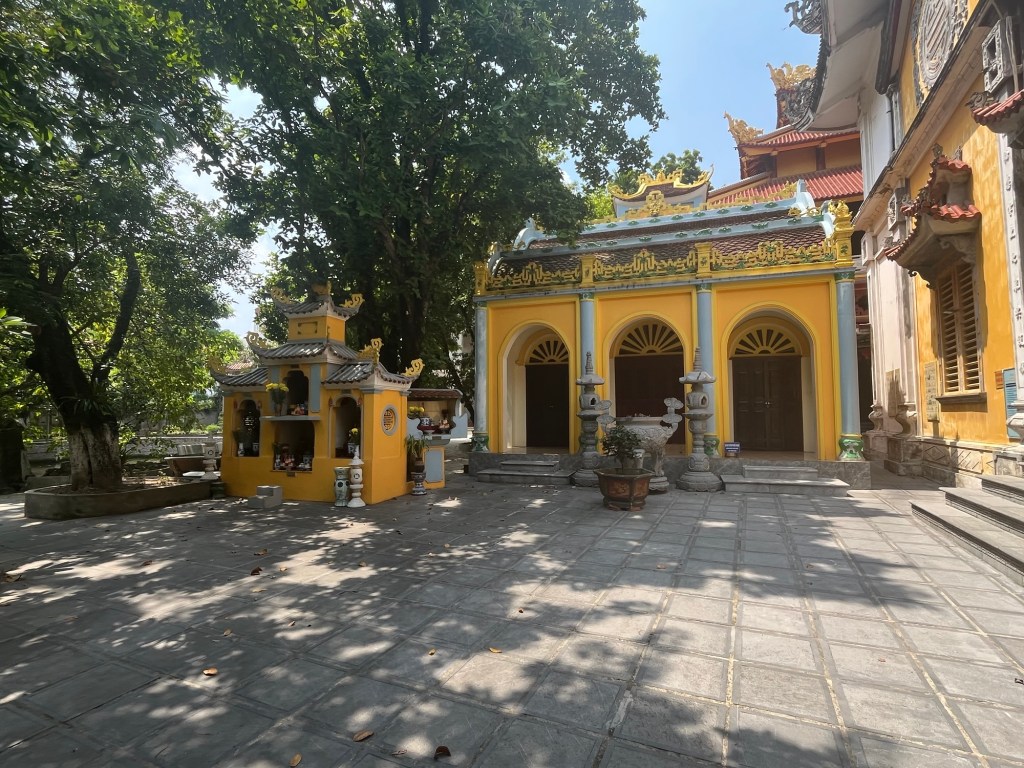
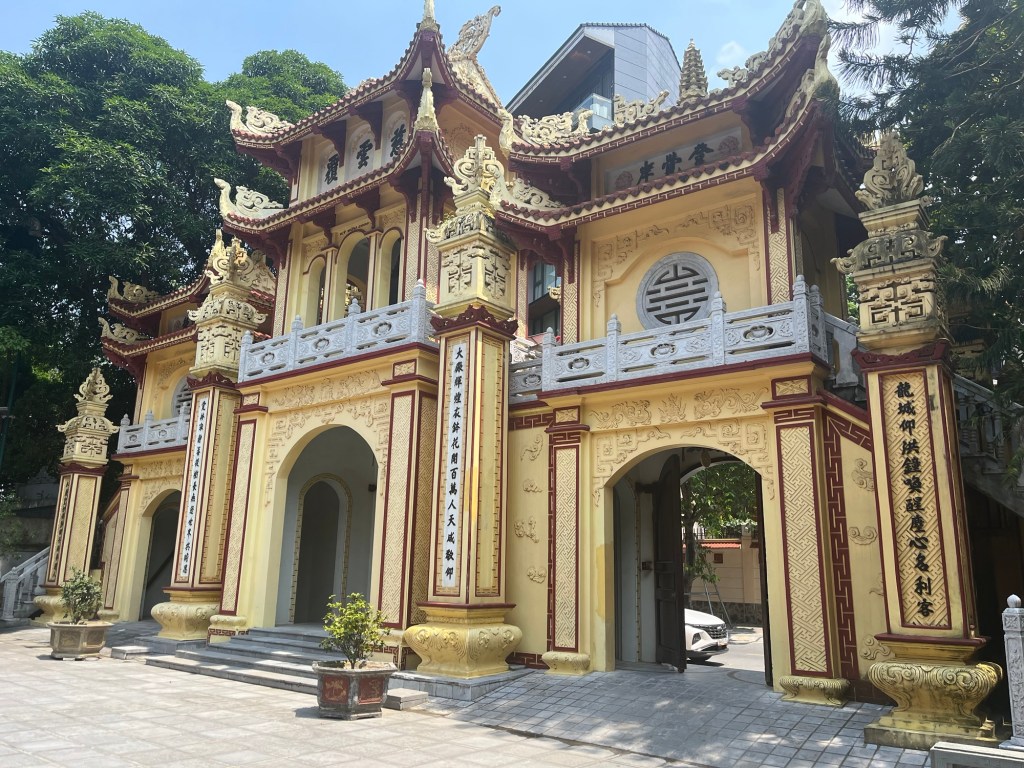
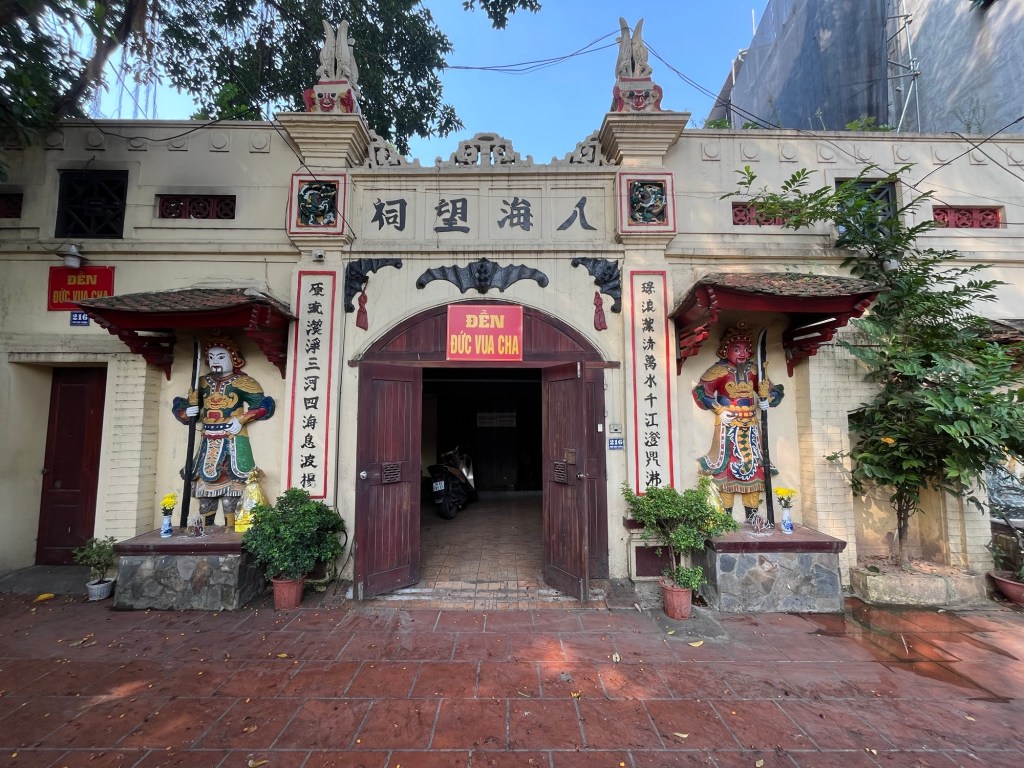
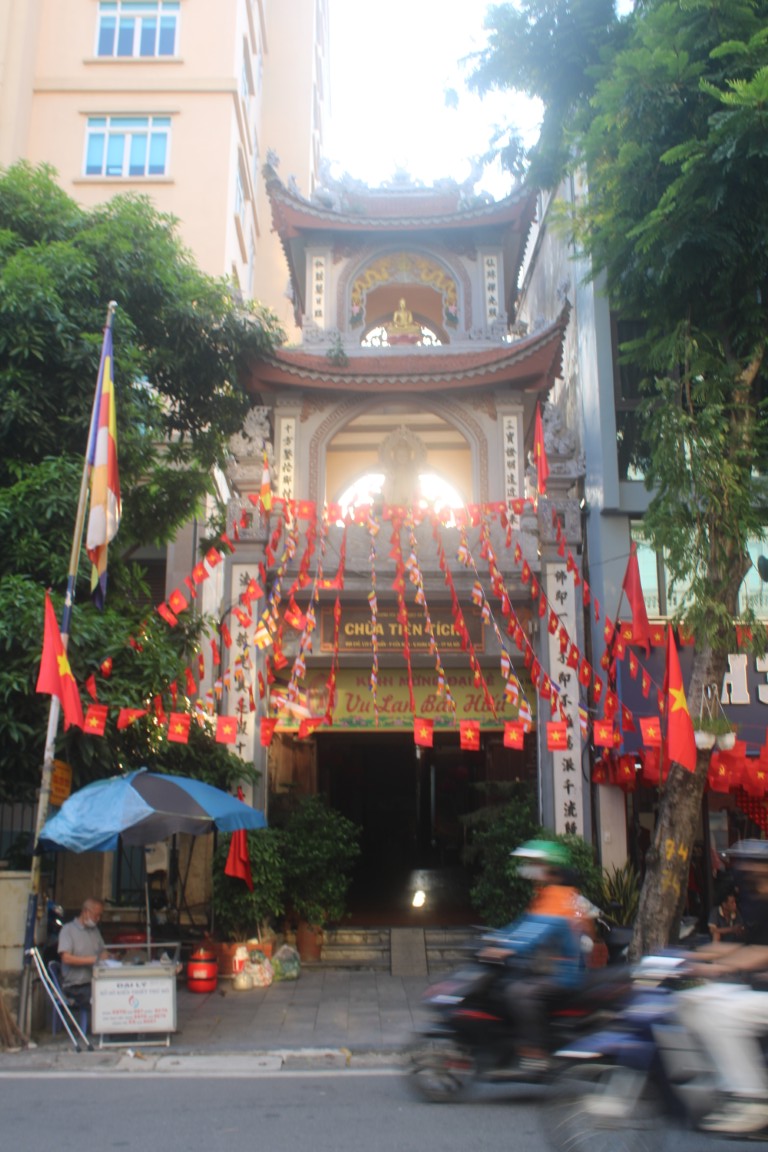
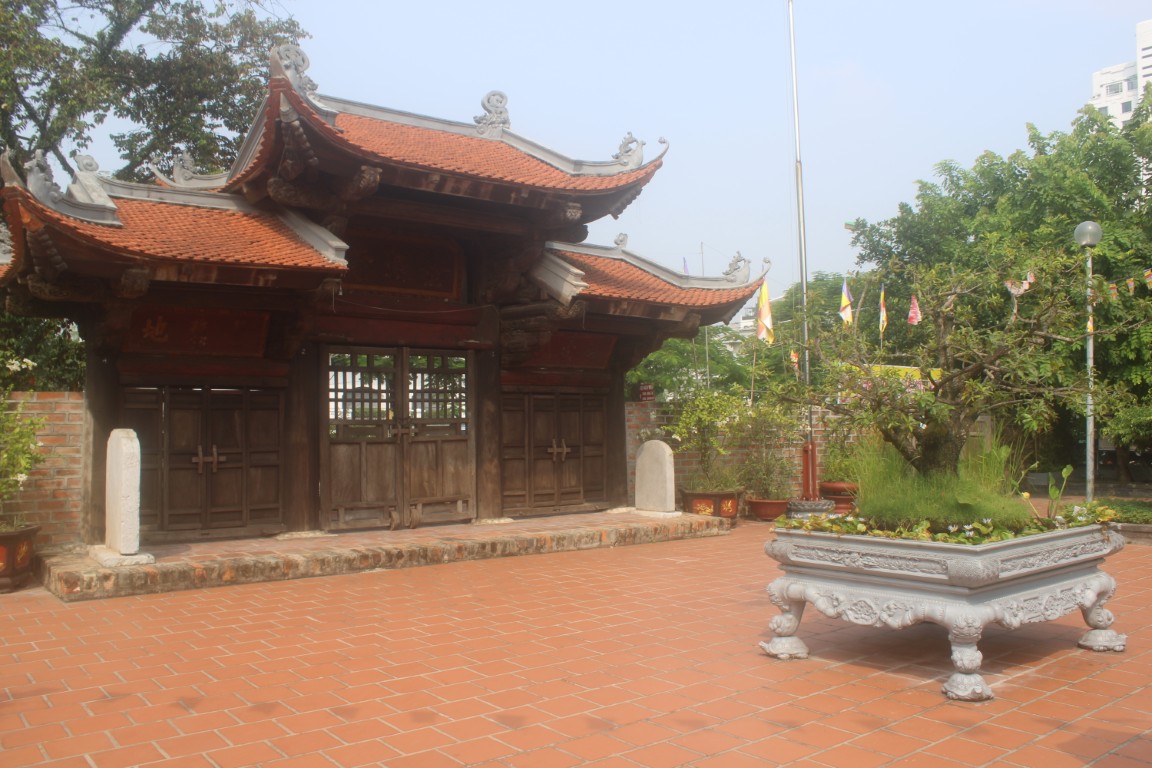
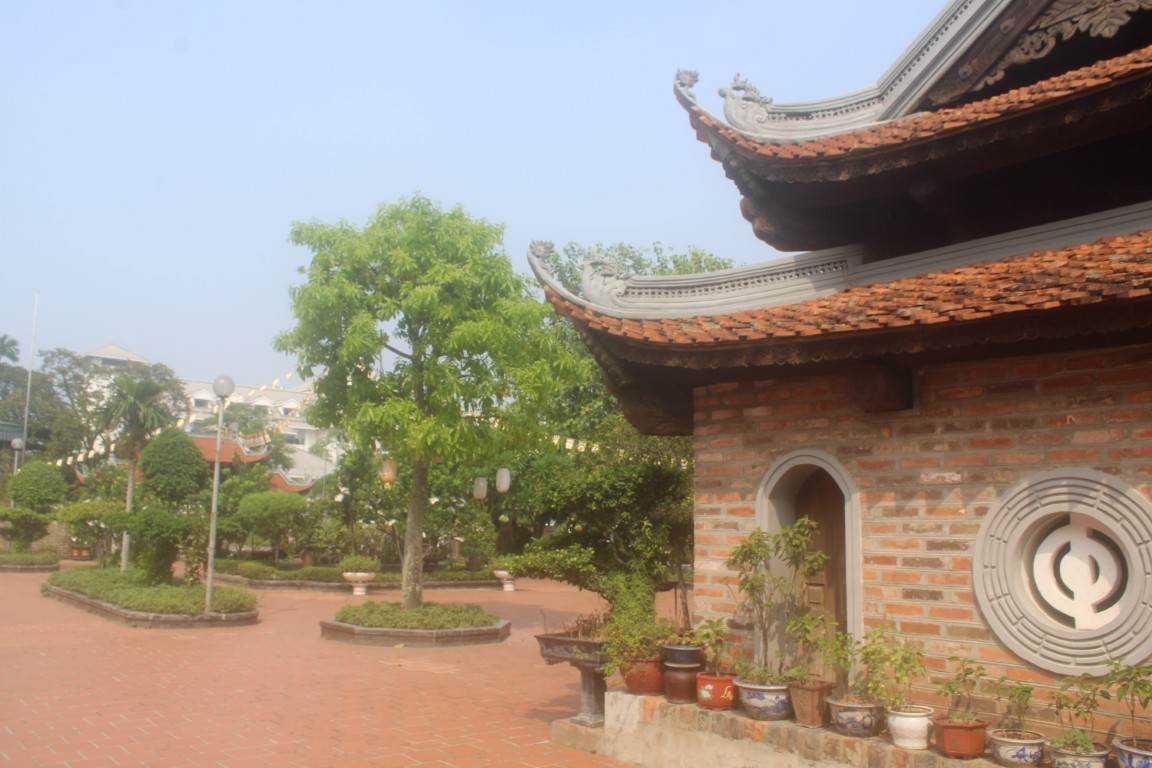
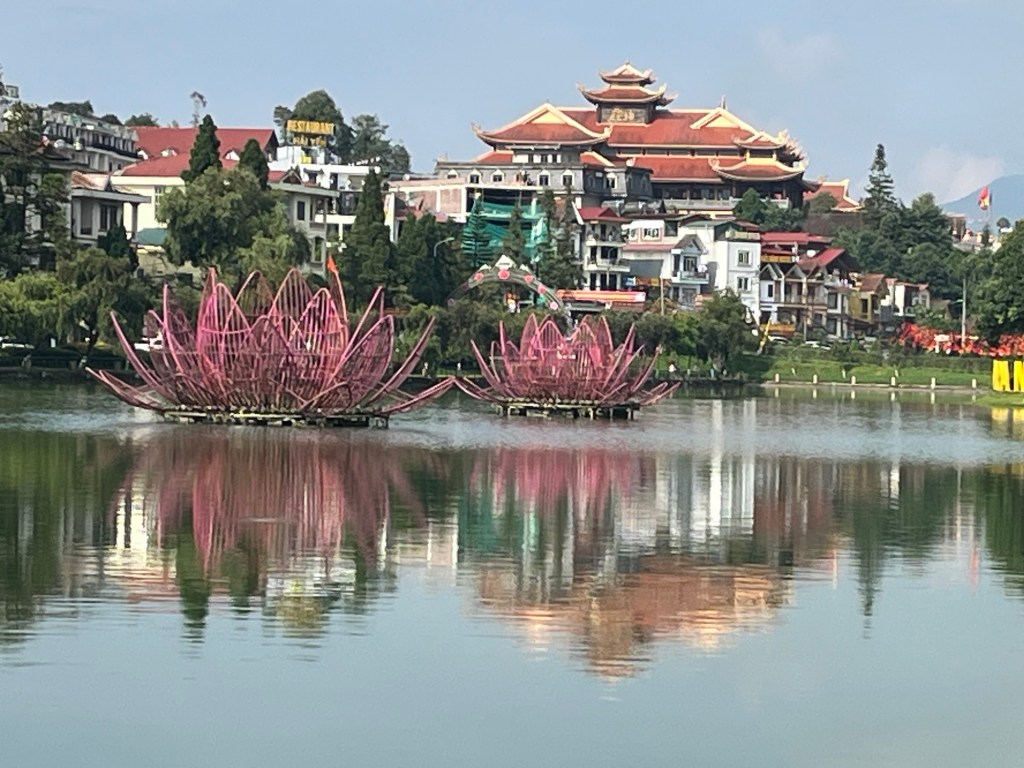
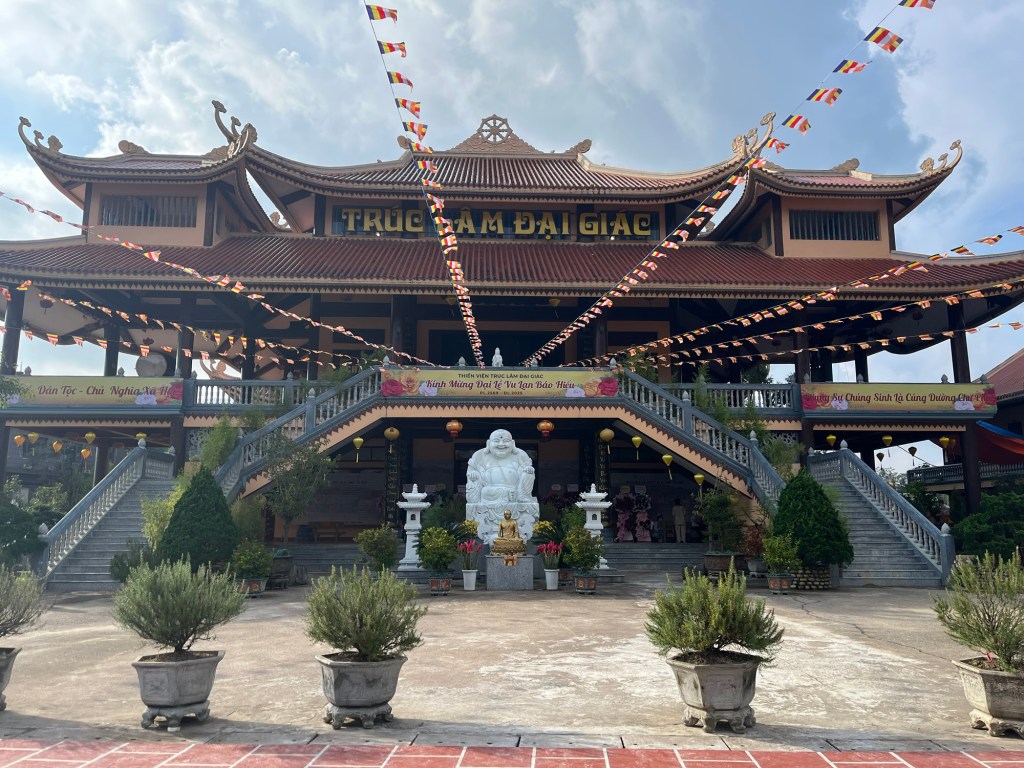
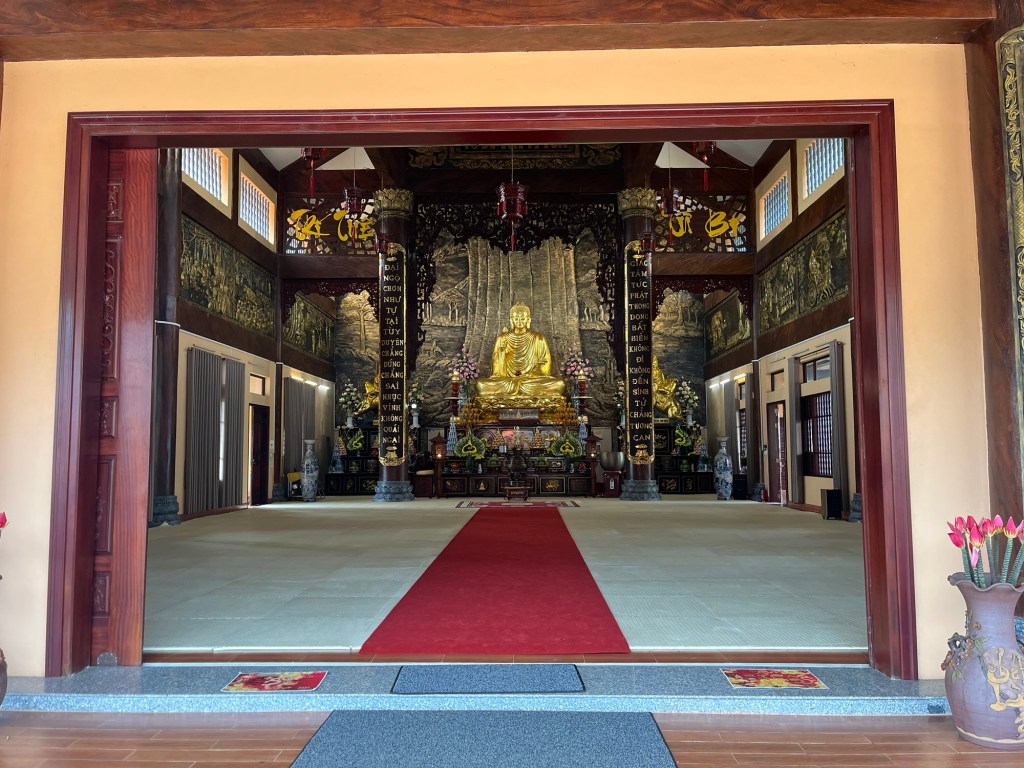
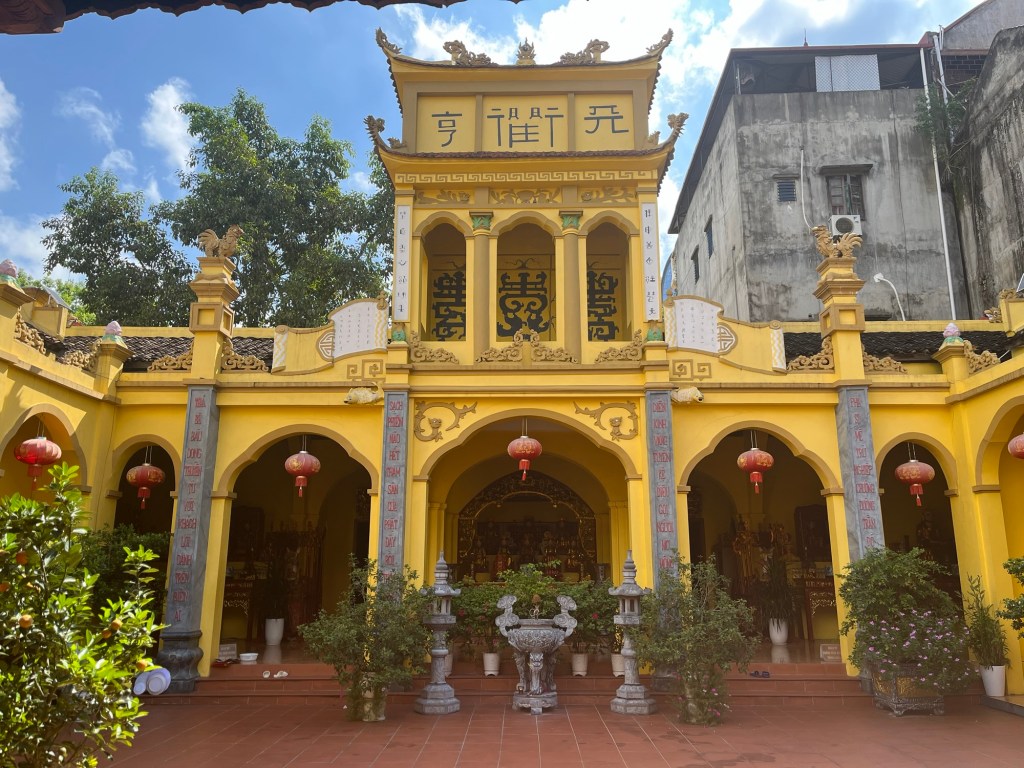
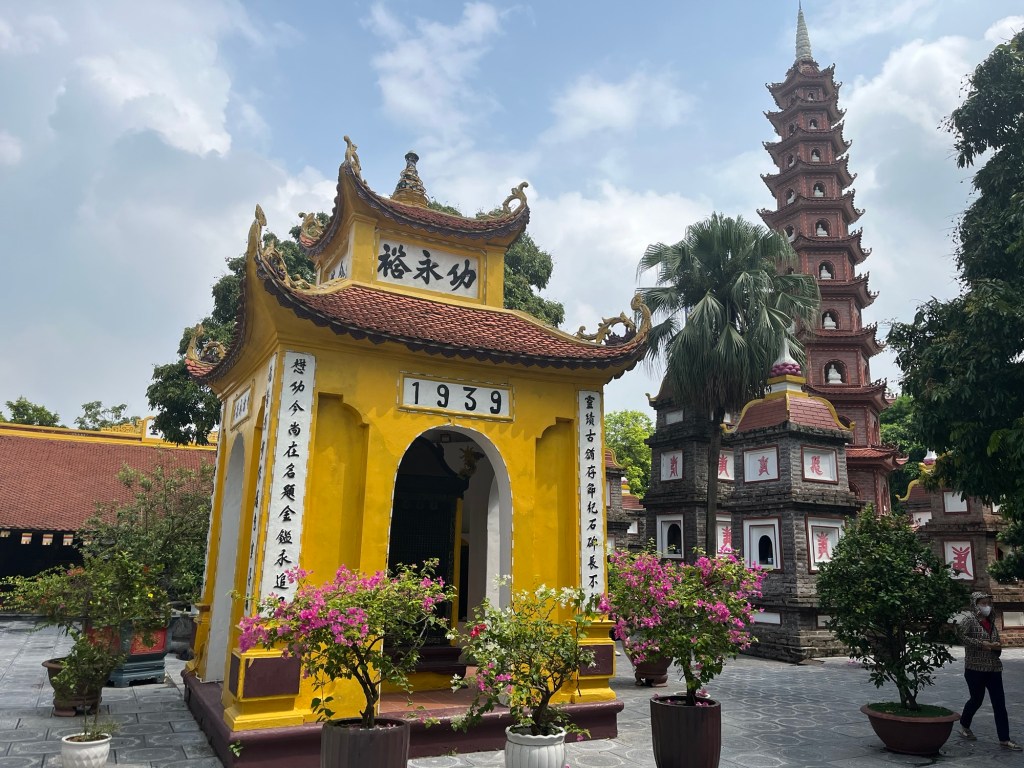
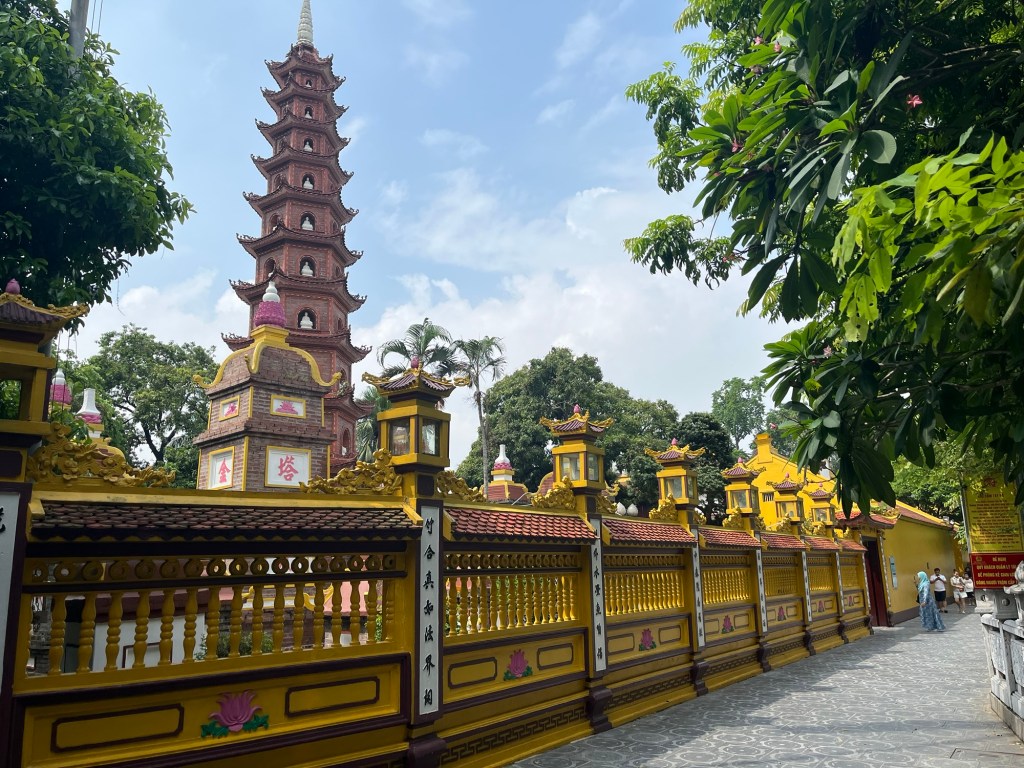
DAILY PHOTO: Trấn Quốc Pagoda

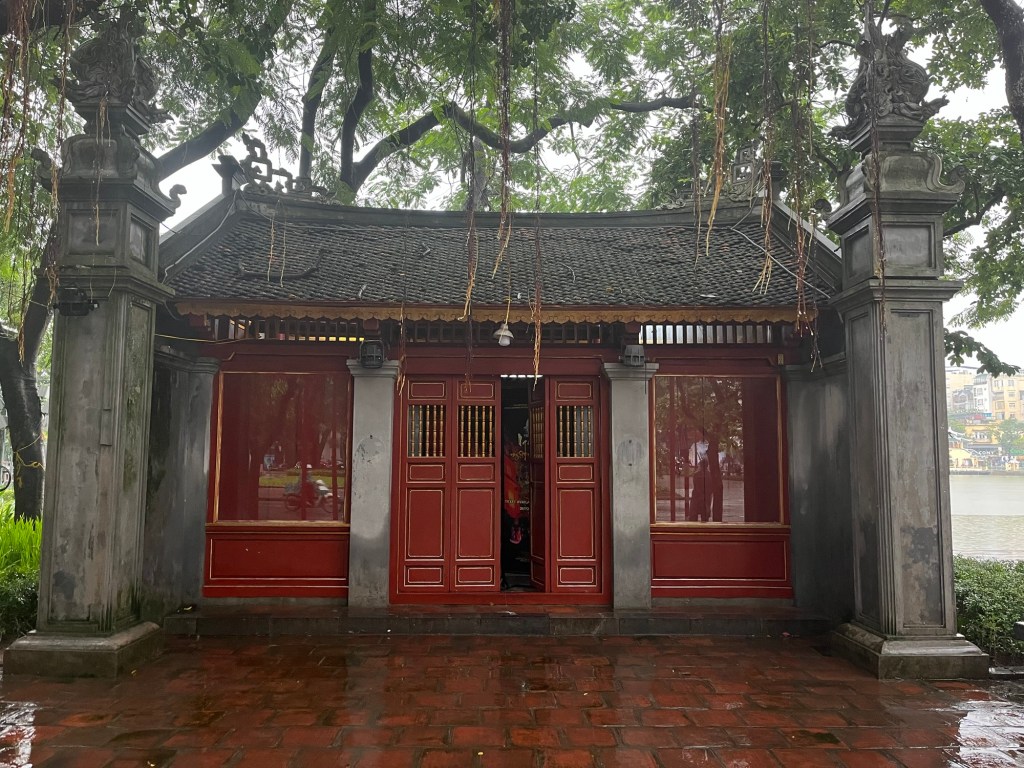
DAILY PHOTO: Shrine Near Ngoc Son Temple on a Rainy Morning

Anachronism [Haiku]

the temple might stand
a thousand years ago,
but for that city.

DAILY PHOTO: Beobjangsa

“Everyone’s Journey” by Sōgi [w/ Audio]

Everyone's journey
through this world is the same,
so I won't complain.
Here on the plains of Nasu,
I place my trust in the dew.

NOTE: This translation by Sam Hamill in The Poetry of Zen (2004) Boston: Shambhala, p. 131.

Temple Mural [Tanka]

a temple mural
shows monk and novice
admiring Fall leaves,
as I admire the mural -
surrounded by Spring green.

DAILY PHOTO: Beomeosa Temple

BOOK: “The Poetry of Zen” Ed. / Trans. Sam Hamill & J.P. Seaton

The Poetry of ZenThe Poetry of Zen by Sam Hamill
My rating: 5 of 5 stars

Publisher Site – Shambhala

This poetry anthology consists of translations of Chinese and Japanese poetry that play in the Zen aesthetic. They are not Zen Buddhist poetry in the sense of being sutras or sutra-like expositions on Buddhist philosophy or theology (at least, not mostly.) And while there are many monks and Buddhist layperson poets represented, not all of those included were Buddhists. (In fact, there is even some verse from the Daodejing included, though Taoism is certainly philosophically related to Zen.)

About half the book is Chinese poetry, including pieces from Han Shan, Li Bai, Bai Juyi, Wang Wei, Du Fu, and many other greats of Chinese poetry. (Note: my spellings of author names varies from those used in the book because Hamill and Seaton use Wade-Giles spellings.) The other half of the book consists of works by Japanese poets, including: Saigyo, Dogen, Basho, Ryokan, Buson, Issa, and others. The Japanese part includes a few haibun (prose poems interspersed with haiku,) adaptations of Chinese-style poems, as well as the various Japanese fixed form styles (i.e.. haiku, tanka, etc.)

The two translators, Sam Hamill and J.P. Seaton, initial the poems that each translated (some were dually translated and others singularly.) I enjoyed the translations and felt they were fine reading in their own right. With haiku and tanka, the translators stuck fairly close to the traditional form (in as much as the aesthetic could be maintained doing so,) but with Chinese lyric styles they often took a freer approach to form.

If you’re interested in poetry that conveys Zen sentiment, this book is worth investigating.

View all my reviews

BOOKS: “A Journey to Inner Peace and Joy” by Zhang Jianfeng [Trans. by Tony Blishen]

A Journey to Inner Peace and Joy: Tracing Contemporary Chinese Hermits by Zhang Jianfeng (2015-04-07)A Journey to Inner Peace and Joy: Tracing Contemporary Chinese Hermits by Zhang Jianfeng by Unknown Author
My rating: 5 of 5 stars

Publisher Site

In 1993, Bill Porter (a.k.a. Red Pine) came out with a book called “Road to Heaven” that documented his experiences meeting with hermits in rural China. For many, both in and certainly out of China, the continued existence of this lifestyle might have come as a surprise. This book follows up over twenty years later, showing that Buddhists and Daoist hermits are still alive and well in the mountains of interior China.

The book not only offers beautiful descriptions of the lands where these men and women live, but also insight into their mindsets and how they live such minimalist lives. It’s a light and compelling look at individuals like those one might read of in “Outlaws of the Marsh,” only living in the present day (though living lives not unlike their historical counterparts did more than a thousand years ago.)

The book offers many color photos of the hermits and the landscapes in which they live.

I’d highly recommend this book for anyone interested in the way of reclusive existence.

View all my reviews

Temple Yard [Haiku]

temple yard:
silent in mid-day sun,
butterflies flutter through.