What alternative career paths have you considered or are interested in?
1.) Teaching English as a Second / Other / Foreign Language
2.) Grand Emperor of the Spiral Arm

What alternative career paths have you considered or are interested in?
1.) Teaching English as a Second / Other / Foreign Language
2.) Grand Emperor of the Spiral Arm
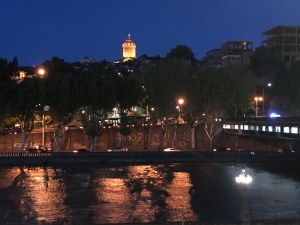
I stood on the bridge at midnight,
   As the clocks were striking the hour,
 And the moon rose o’er the city,
   Behind the dark church-tower.

I saw her bright reflection
   In the waters under me,
 Like a golden goblet filling
   And sinking into the sea.

And far in the hazy distance
   Of that lovely night in June,
 The blaze of the flaming furnace
   Gleamed redder than the moon.

Among the long, black rafters
   The wavering shadows lay,
 And the current that came from the ocean
   Seemed to lift and bear them away;

As, sweeping and eddying through them,
   Rose the belated tide,
 And, streaming into the moonlight,
   The seaweed floated wide.

And like those waters rushing
   Among the wooden piers,
 A flood of thoughts came o'er me
   That filled my eyes with tears.

How often, O, how often,
   In the days that had gone by,
 I had stood on that bridge at midnight
   And gazed on that wave and sky!

How often, O, how often,
   I had wished that the ebbing tide
 Would bear me away on its bosom
   O'er the ocean wild and wide!

For my heart was hot and restless,
   And my life was full of care,
 And the burden laid upon me
   Seemed greater than I could bear.

But now it has fallen from me,
   It is buried in the sea;
 And only the sorrow of others
   Throws its shadow over me.

Yet whenever I cross the river
   On its bridge with wooden piers,
 Like the odor of brine from the ocean
   Comes the thought of other years.

And I think how many thousands
   Of care-encumbered men,
 Each bearing his burden of sorrow,
   Have crossed the bridge since then.

I see the long procession
   Still passing to and fro,
 The young heart hot and restless,
   And the old subdued and slow!

And forever and forever,
   As long as the river flows,
 As long as the heart has passions,
   As long as life has woes;

The moon and its broken reflection
   And its shadows shall appear,
 As the symbol of love in heaven,
   And its wavering image here.
What are you most proud of in your life?
Keeping going.
But if pride goeth before the fall…

Poor, old butterfly lost a chunk of wing.
 It’s not that it bleeds, not that it stings,
 It’s that it can never go where it aims;
 It pulls left, no matter how it strains.
 Exhausted, it parks, becoming living remains.
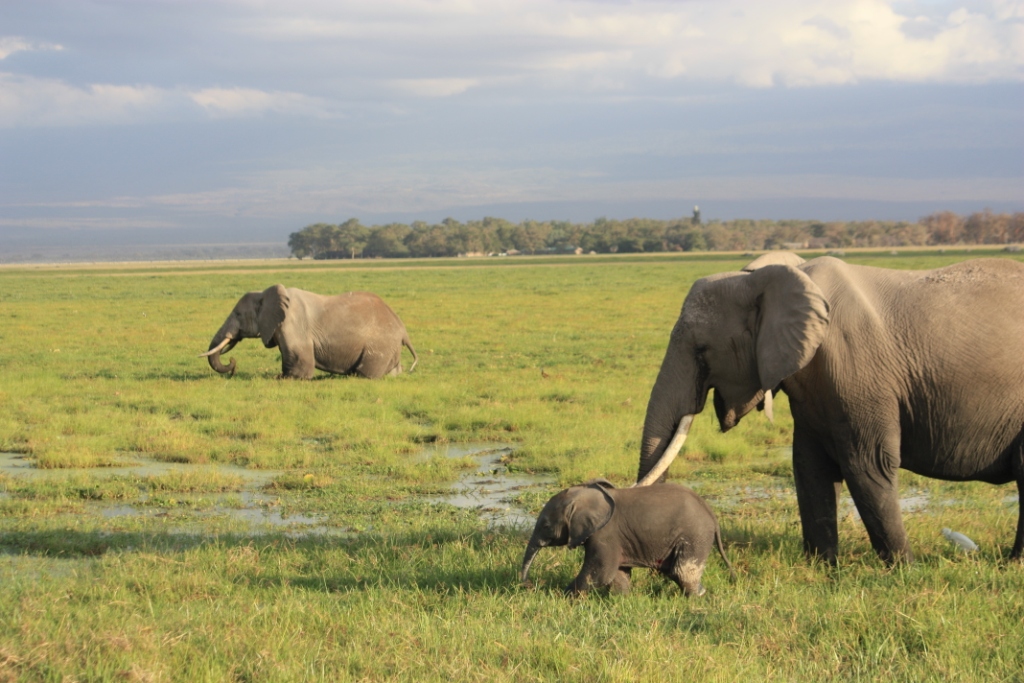
The mighty, mighty elephant
   Isn't known for being elegant,
 But you can't disbar him from your soiree,
   And expect he'll show on moving day.
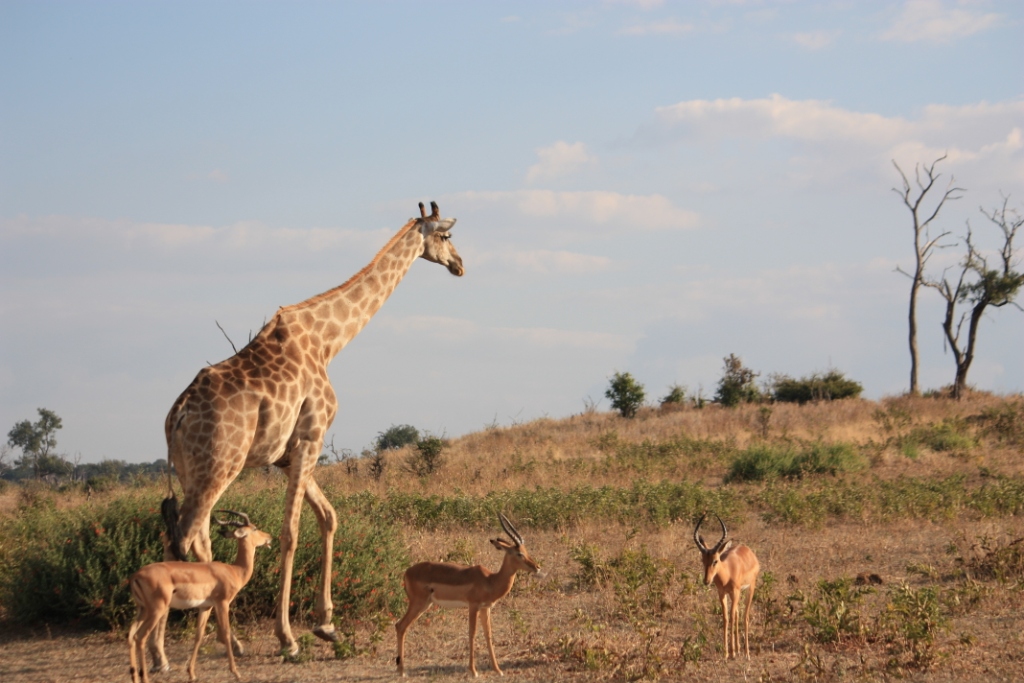
There are few things so useless that
 They're as useless as a Giraffe’s hat.
 I guess that’s why you never see
 One in a bowler, fez, or beanie.
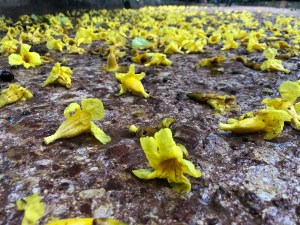
rain-laden blossom
 falls… lands with a sound,
  in the mud.


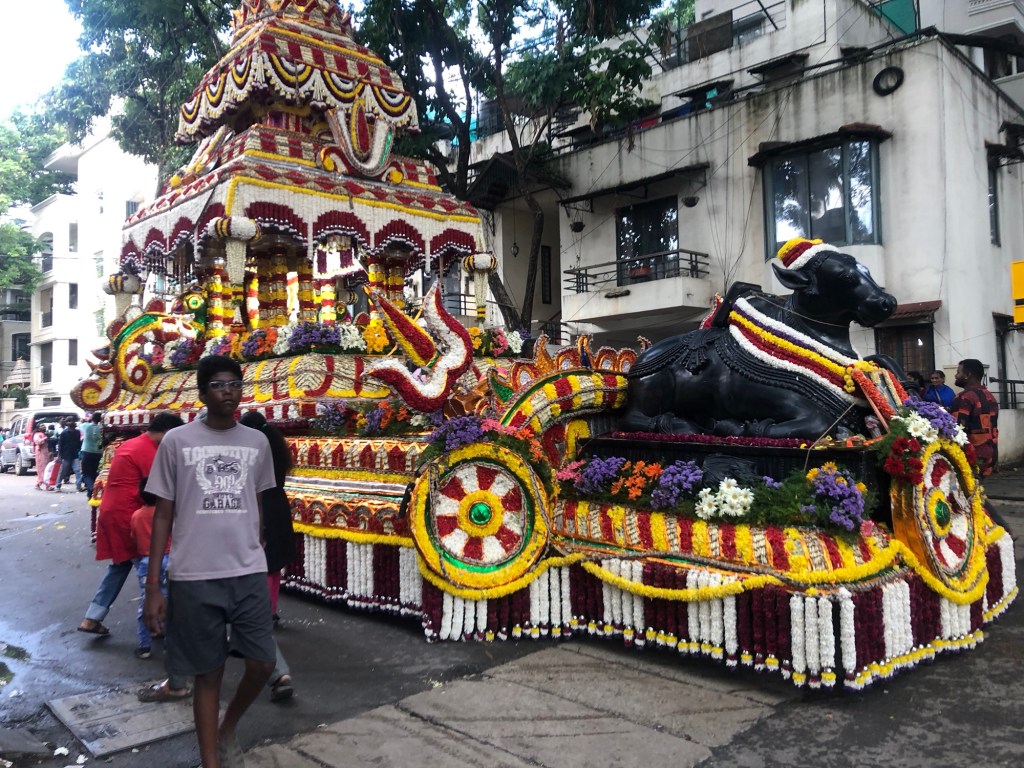
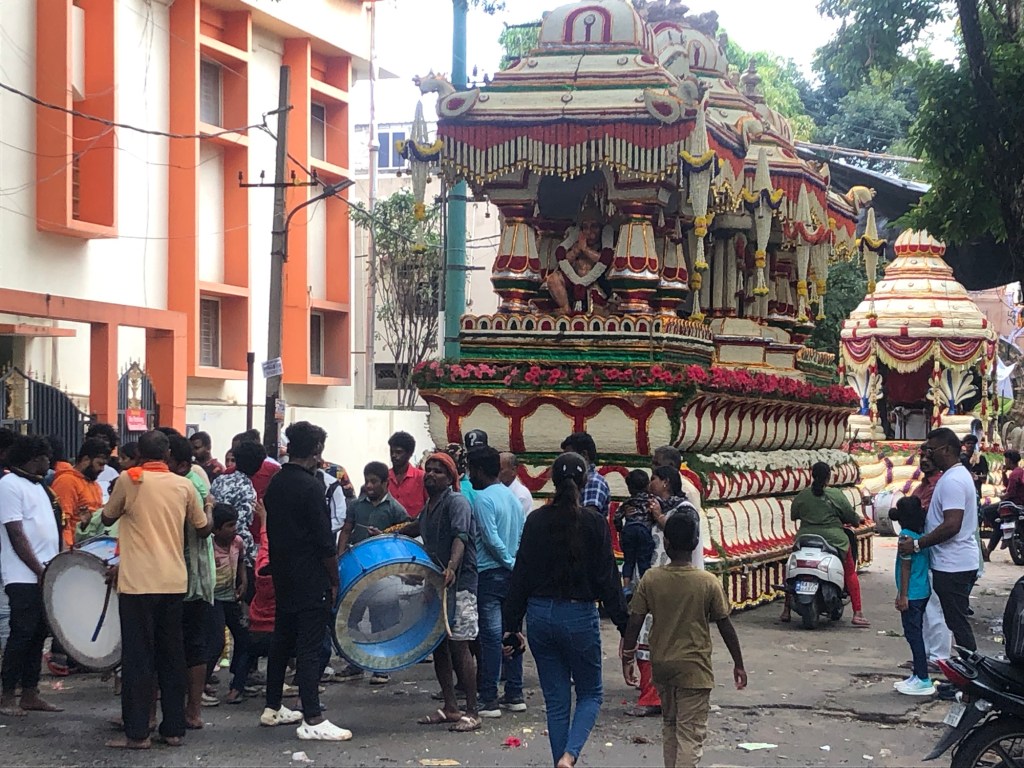
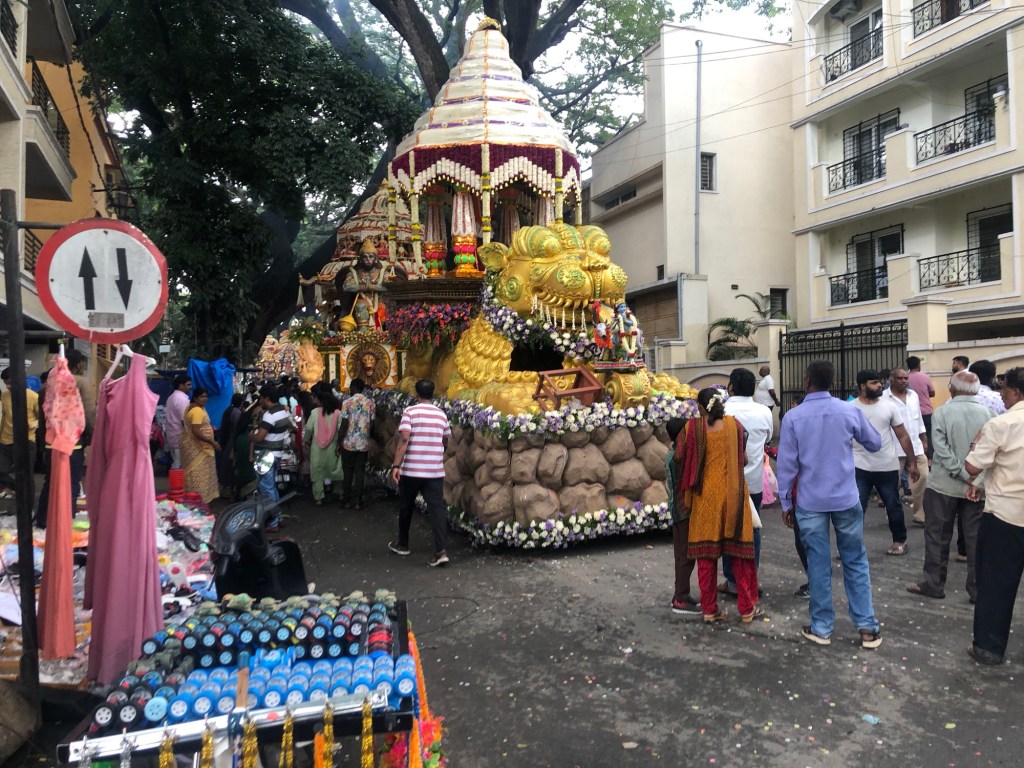




 Tiger Riding for Beginners