

Unknown's avatar

About B Gourley

Bernie Gourley is a writer living in Bangalore, India. His poetry collection, Poems of the Introverted Yogi is now available on Amazon. He teaches yoga, with a specialization in pranayama, and holds a RYT500 certification. For most of his adult life, he practiced martial arts, including: Kobudo, Muay Thai, Kalaripayattu, and Taiji. He is a world traveler, having visited more than 40 countries around the globe.

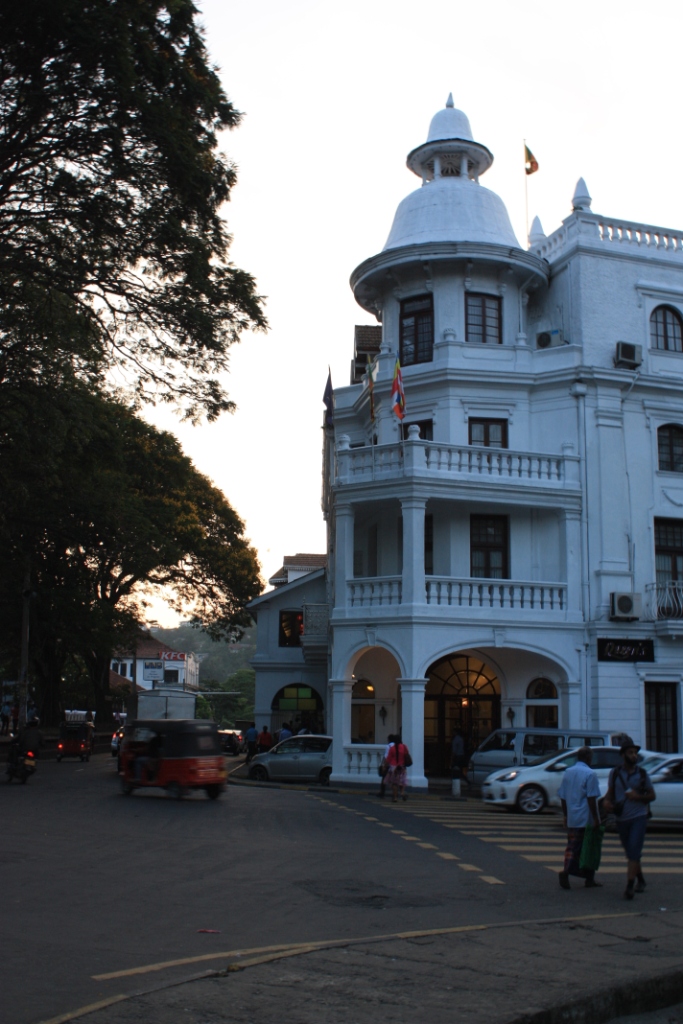
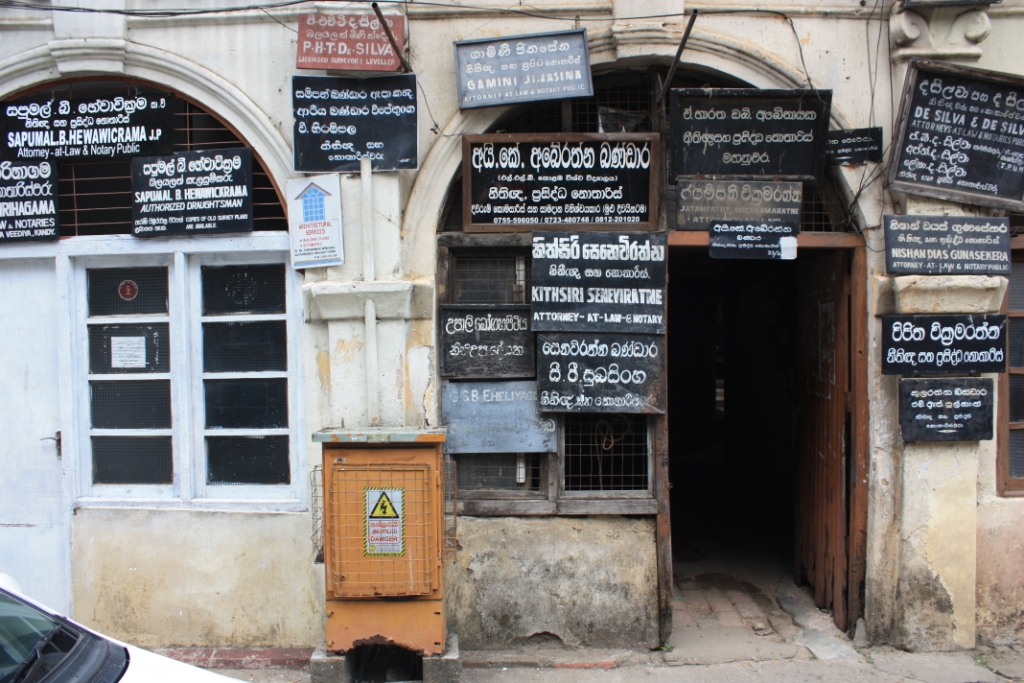
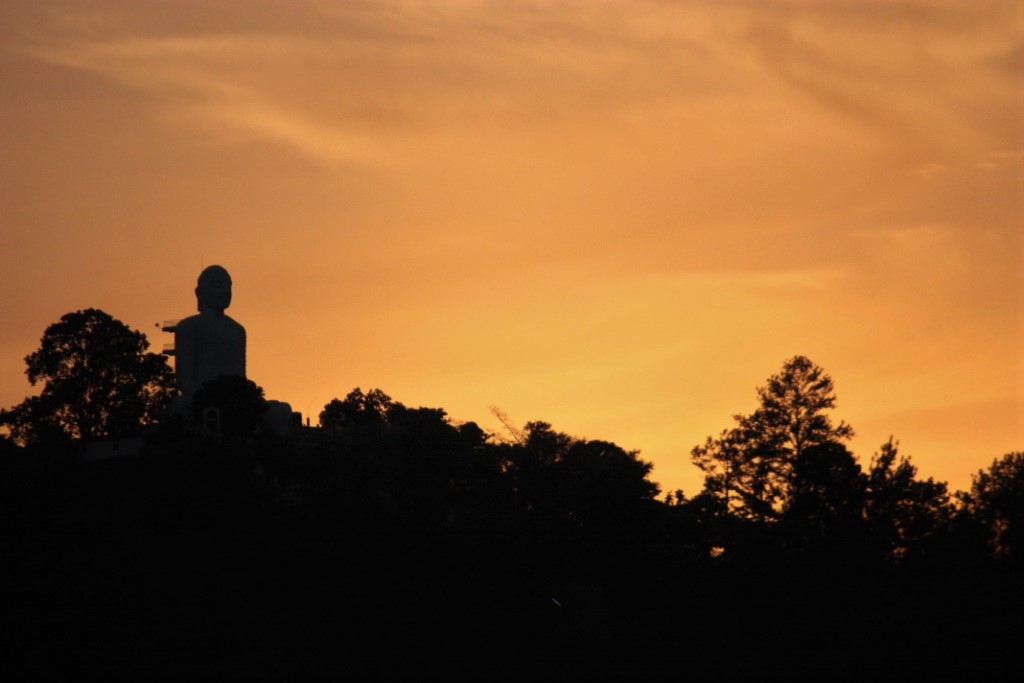
DAILY PHOTO: Scenes from Kandy

PROMPT: Changed Mind

Daily writing prompt
What’s a topic or issue about which you’ve changed your mind?

Oh so many things. My epistemological stance is that one should be ready to drop any belief like a hot rock in the face of better information or better means to understanding.

One of the most fundamental changes is that I used to take for granted that there was a god. Now I’m agnostic about whether there is one, and am virtually certain that – in the unlikely event there is a god – it (she? they? he?) bears no resemblance to any of the tribally derived deities of the various world religions.

I used to think introversion was something that could be, and should be, overcome. Now, I believe the healthy approach is in accepting it and managing one’s life so that it’s not a problem. Truth be told, in my youth, I had a lot of grandiose ideas about what was possible with regards to the mind, ideas which I have jettisoned in favor of one’s that better match the empirical evidence.

BOOKS: The Picture of Dorian Gray by Oscar Wilde

The Picture of Dorian GrayThe Picture of Dorian Gray by Oscar Wilde
My rating: 5 of 5 stars

Amazon.in Page

This is a book about what happens when you hollow out a person of all the complexity of the human condition and idealize them. At the beginning of the story, Dorian Gray is young, attractive, and preternaturally likable in a naïvely innocent kind of way. Almost to the novel’s end, through the magic of a wish made upon a portrait, Gray is still young and beautiful, though that naive innocence cracks under the strain of the impossible bifurcation of man and his soul. The artist, Basil Hallward, and Lord Henry (a man who will become a mutual friend of Gray and Hallward) cannot see Gray as a fully formed human being, but rather see him as an emblem of youth and beauty. But this unnatural ideal cannot hold, and a string of tragic deaths will be left in its wake.

The book is full of clever witticisms, albeit often of a nihilistic nature. These are almost all spoken by Lord Henry, who is the Polonius of the story – but a hipper kind of Polonius than Hamlet‘s. That said, it’s telling that toward the end of the book Gray does some of this epigrammatic philosophizing. (e.g. Such as when Gray tells Hallward, “Each of us has heaven and hell in him…”) One might dismiss this as Gray parroting Lord Henry, but I think that life has defrocked him of his naïveté, and he begins to think in ways that were impossible in his [true] youth.

This is a must-read. It’s interesting, thought-provoking, and well worth the time.

View all my reviews

Firewalker Limerick

There once was a wild-eyed firewalker
 whose show turned out to be a shocker.
   His feet were unharmed,
   but clothes not as charmed.
  they burst aflame & he became a firesquawker.

DAILY PHOTO: The Chaminuka Cheetah

Image

Melancholy Autumn [Haiku]

wistful autumn days:
 i look up to the blue sky
  from the tawny grass.

PROMPT: Out of Place

Daily writing prompt
Tell us about a time when you felt out of place.

I feel out of place in social settings pretty much everywhere and always. This, perhaps surprisingly, has made me an excellent and avid traveler because I feel the same level of out of place among a group of people who speak a different native language, practice an unfamiliar religion, and who have different skin and hair characteristics as I would with a group of people who share a common ancestry, went to the same school, and grew up with the same cultural trappings. This creates an internal pressure to go to unfamiliar places, because familiar places offer the same anxiety with none of the learning opportunities, whereas the unfamiliar always offers new lessons.

PROMPT: Sans Computer

Daily writing prompt
Your life without a computer: what does it look like?

Less productive but more peaceful… Except, perhaps, for the cursing every time I chiseled a typo into the granite.

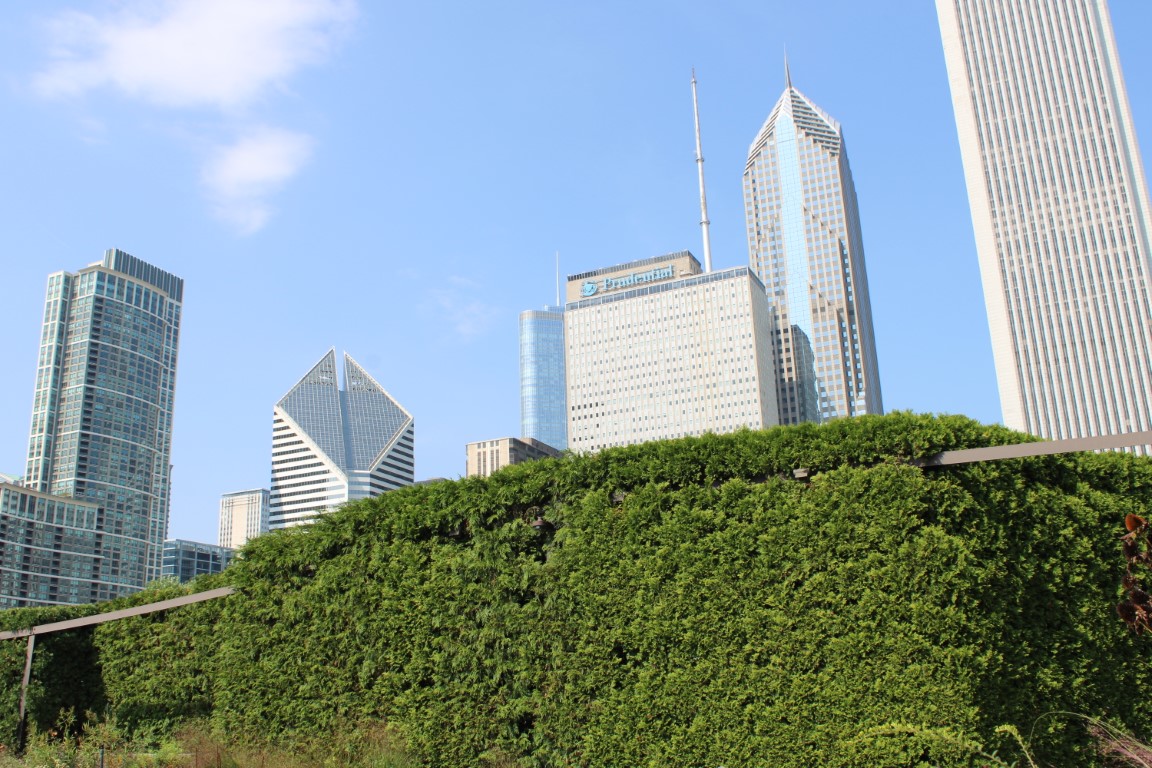
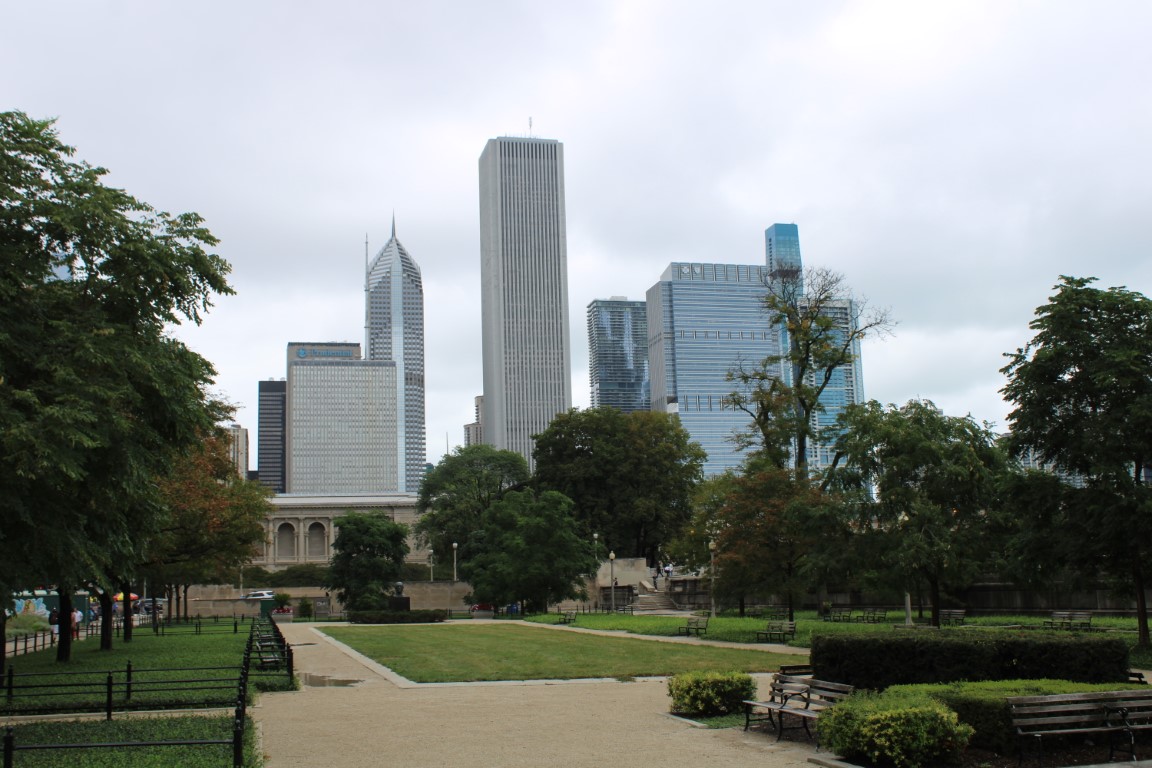
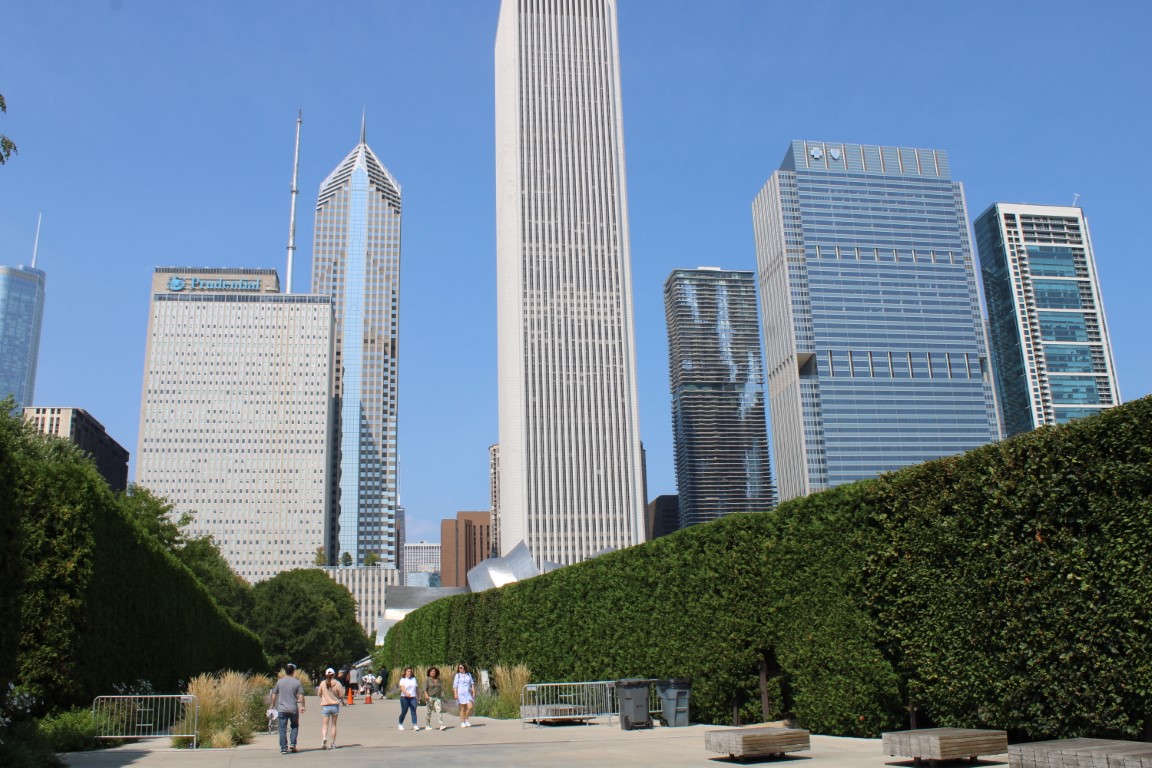
DAILY PHOTO: Skylines from Parks, Chicago

BOOKS: How Long Can the Moon Be Caged by Suchitra Vijayan & Francesca Recchia

How Long Can the Moon Be Caged?: Voices of Indian Political PrisonersHow Long Can the Moon Be Caged?: Voices of Indian Political Prisoners by Suchitra Vijayan
My rating: 4 of 5 stars

Amazon.in Page

It’s no secret that the Gandhian pluralistic vision for India has been taking some hard knocks under the current administration (and the rise of Hindu nationalism that it represents,) but it’s also not as widely and intensely discussed as it could be. This book represents an attempt to make the stories of dissident political prisoners more widely heard.

For that attempt, I would give it high marks, but the execution is problematic. The middle part of the book does a reasonably good job of telling the stories of these individuals. However, the book comes across far too much like a reference book than a journalistic account for much of its length — particularly in the beginning and at the end. The beginning has a long bullet point account of relevant events that I’m sure is meant to give readers an idea of the scope of the problem, but it also sterilizes the information. At the end there are letters and a chapter that consists entirely of data. Letters can be fine, but they aren’t the most evocative way to convey these stories because they contain a good deal of information that is extraneous to the author’s point, and thus the message is diluted.

I do wish supporting evidence was turned up and gratuitous statements turned down a bit. In other words, I assume the government could present a counter-narrative that these are not just dissenters voicing unpopular opinions but rather individuals actively engaged in subversive operations. Granted, the prominence of poets, the ill, and the elderly does make it hard to believe these are some sort of guerrilla warfare masterminds. True, there is a challenge in disproving a negative that makes it hard to prove a person has done nothing wrong.

At any rate, it’s a book I’m glad I read, and I did learn about the issue, but I wish the execution had been better. Maybe that’s for another book.

View all my reviews