Orbits [Haiku]

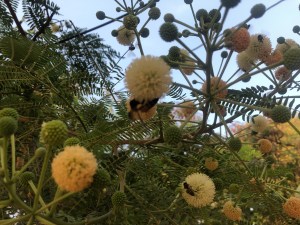
spherical blooms,
arrayed like planets,
bees zip through.

Jacaranda [Haiku]

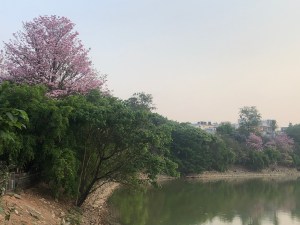
Jacarandas bloom:
thousands of miles from home,
but no less purple.
“Night Travels” by Du Fu [w/ Audio]

Slender grass waves in a light breeze;
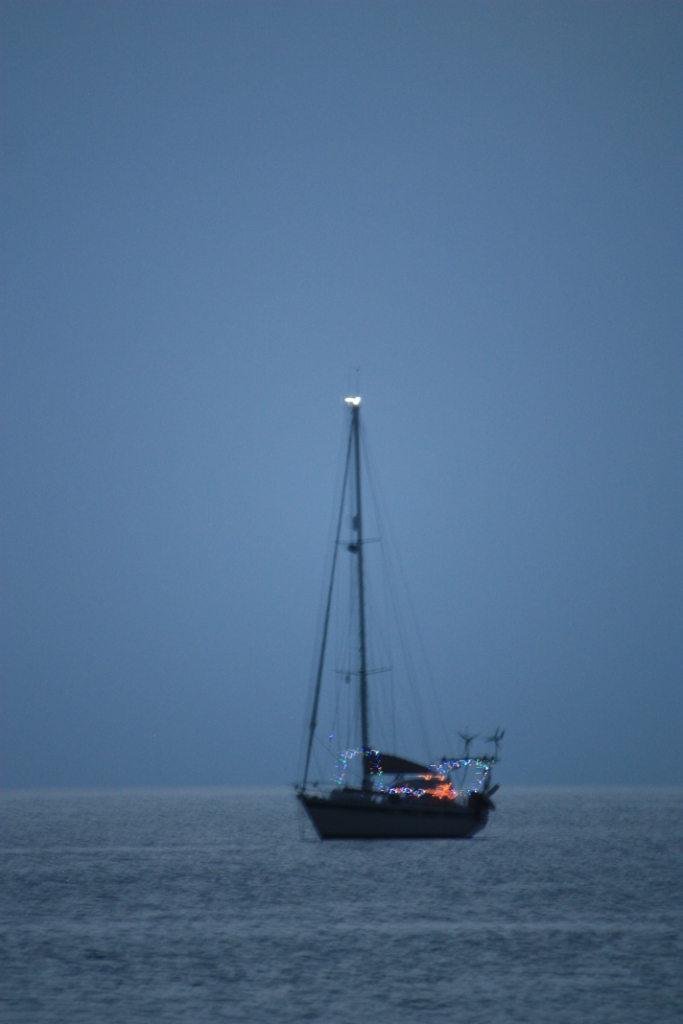
Tall-masted boat rocks in the night.
Stars hang low, over the vast plain;
The river moon struggles for height.
I'll never gain fame by the brush --
Too old for civil service posts...
Wading, wading, what am I like?
A sandpiper on the mud coast!

The original in Chinese (Title: 旅夜書懷):

細草微風岸, 
危檣獨夜舟。
星垂平野闊,
月湧大江流。
名豈文章著,
官應老病休。
飄飄何所似,
天地一沙鷗。

This is Poem 113 of “Three Hundred Tang Poems,” i.e. 唐诗三百首
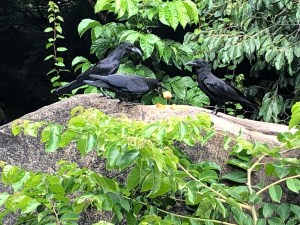
Gust [Haiku]

gusting Spring winds:
can the hunkered crow
take to flight?

BOOKS: “Soseki Natsume’s Collected Haiku” trans. by Erik Lofgren

Soseki Natsume's Collected Haiku: 1,000 Verses from Japan's Most Popular Writer (Bilingual English & Japanese Texts with Free Online Audio Readings of Each Poem)Soseki Natsume’s Collected Haiku: 1,000 Verses from Japan’s Most Popular Writer by Natsume Sōseki
My rating: 5 of 5 stars

Publisher Site — Tuttle

Natsume Soseki is widely considered one of 2oth century Japan’s greatest writers. While he is best known for his novels, such as Kokoro and I Am a Cat, Soseki wrote broadly, including the one-thousand haiku collected in this volume.

The collection, as is common among haiku volumes, is organized seasonally. Season words being a common feature of classical haiku. That said, these poems are not all classical haiku (though most are.) With respect to form, they are all haiku, but – with respect to content – some are senryū (a style that is the same as haiku in form, but uses more humor and humanistic elements and is less strictly natural and imagist) and others are more idiosyncratic experiments.

One excellent feature of this collection is that it includes both the Japanese characters and Romanized phoneticizations for each poem. This is great for readers who know some level of Japanese, but having the pronunciations allows readers to take in the sound quality of the original — even if they don’t read Japanese.

The translations are optimized for readability by English readers. By this I mean that the translator, Erik Lofgren, doesn’t pare the lines down to maximize sparseness of sound. There are different strategies for translation, and I think Lofgren’s approach is best for a general readership because the translations don’t draw attention to themselves by reading in a fashion that is clunky or tone deaf in English. That said, I suspect some readers would prefer translations more stripped of articles, conjunctions, and other function words.

If you enjoy haiku and modern Japanese literature, I’d highly recommend this book.

View all my reviews

“Break, Break, Break” by Alfred Tennyson [w/ Audio]

Break, break, break,
On thy cold gray stones, O Sea!
And I would that my tongue could utter
The thoughts that arise in me.

O, well for the fisherman's boy,
That he shouts with his sister at play!
O, well for the sailor lad,
That he sings in his boat on the bay!

And the stately ships go on
To their haven under the hill;
But O for the touch of a vanish'd hand,
And the sound of a voice that is still!

Break, break, break
At the foot of thy crags, O Sea!
But the tender grace of a day that is dead
Will never come back to me.

Cold Rain [Haiku]

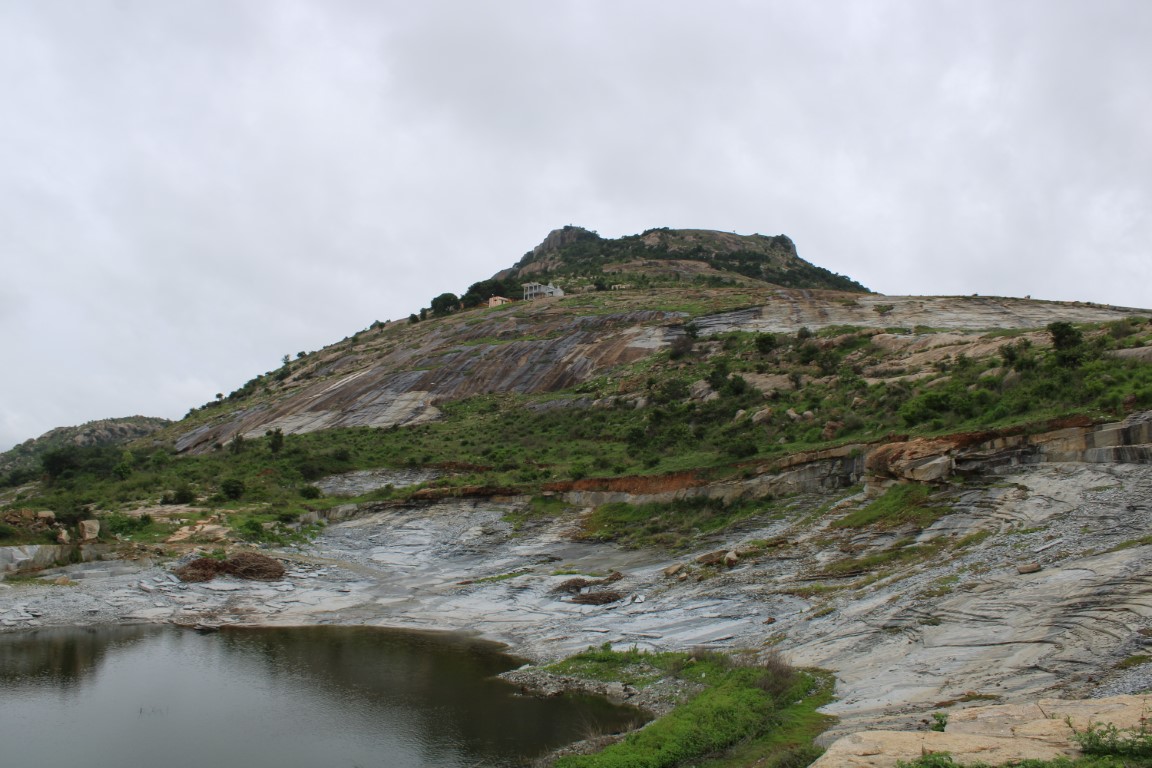
cold rain
spatters on granite:
Spring enters.

“Illusion” by Amy Lowell [w/ Audio]

   Walking beside the tree-peonies,
I saw a beetle
Whose wings were of black lacquer spotted with milk.
I would have caught it,
But it ran from me swiftly
And hid under the stone lotus
Which supports the Statue of Buddha.
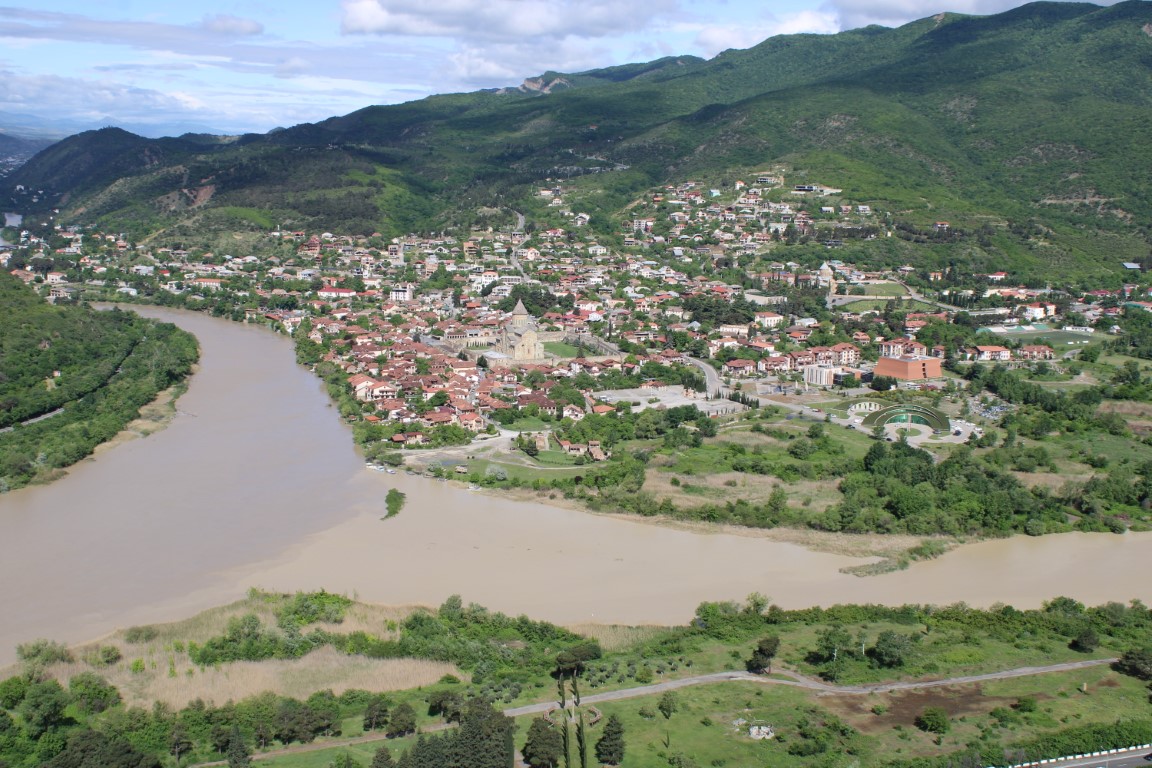
Light Rides Dark [Haiku]

rivers merge;
two cocoa hues seem unmixed,
but light rides the dark.