
lone watcher leans
 on pagoda railing
  to view sunrise.

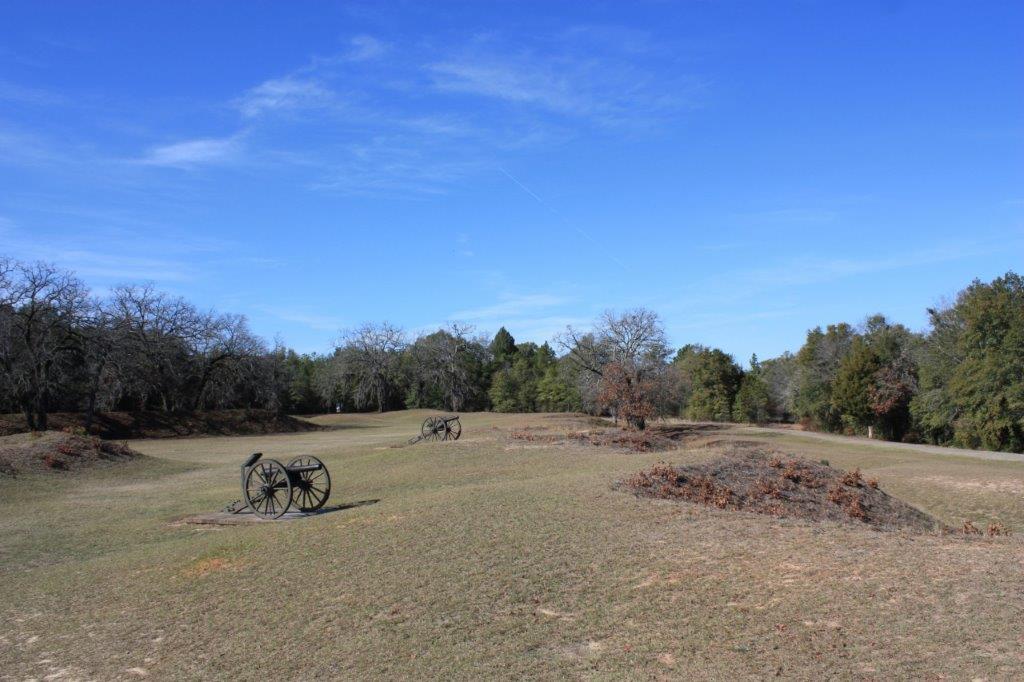
Do not weep, maiden, for war is kind.
 Because your lover threw wild hands toward the sky
 And the affrighted steed ran on alone,
 Do not weep.
 War is kind.

      Hoarse, booming drums of the regiment,
      Little souls who thirst for fight,
      These men were born to drill and die.
      The unexplained glory flies above them,
      Great is the battle-god, great, and his kingdom—
      A field where a thousand corpses lie.

Do not weep, babe, for war is kind.
 Because your father tumbled in the yellow trenches,
 Raged at his breast, gulped and died,
 Do not weep.
 War is kind.

      Swift, blazing flag of the regiment,
      Eagle with crest of red and gold,
      These men were born to drill and die.
      Point for them the virtue of slaughter,
      Make plain to them the excellence of killing
      And a field where a thousand corpses lie.

Mother whose heart hung humble as a button
 On the bright splendid shroud of your son,
 Do not weep.
 War is kind.
This poem opens War Is Kind and Other Lines (1899.)
I have a piece in this new collection, out today (May 30, 2025) in the Indian market and later in the year for international markets.
GoodReads Page Amazon.in Page




pavement glistens;
 yellow leaves sodden:
  nothing moves... but drips.
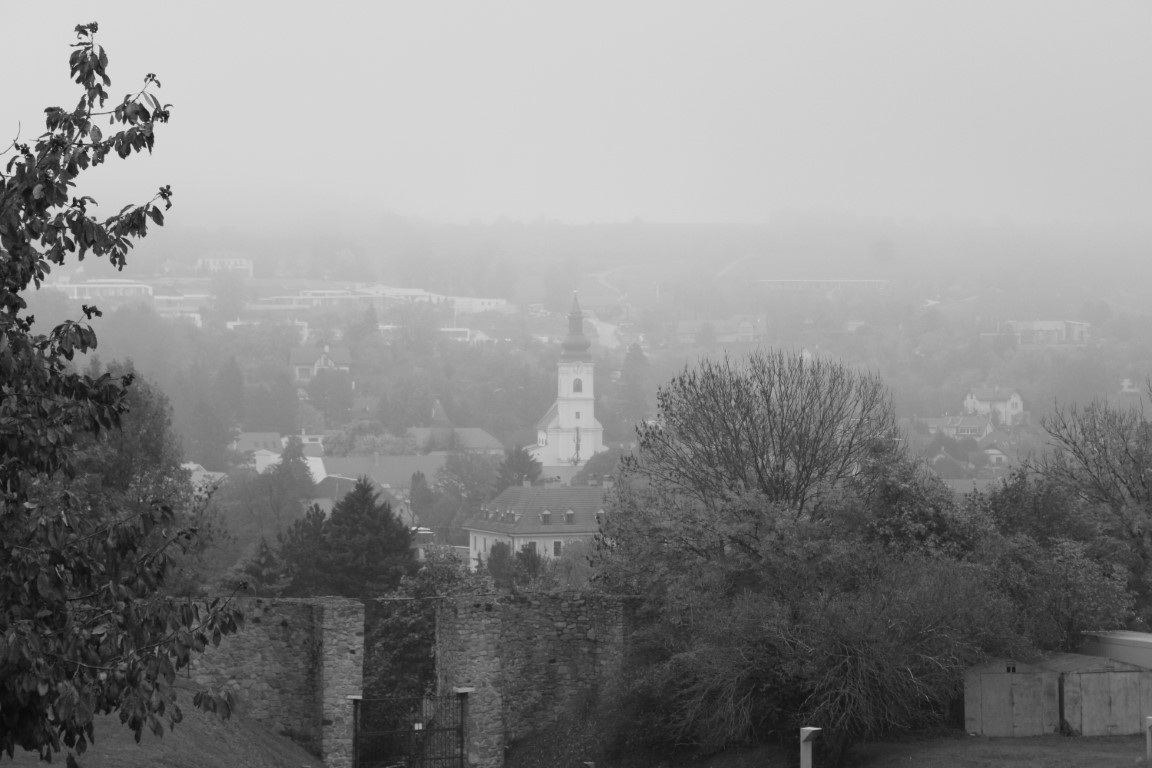
Light-winged Smoke, Icarian bird,
 Melting thy pinions in thy upward flight,
 Lark without song, and messenger of dawn,
 Circling above the hamlets as thy nest;
 Or else, departing dream, and shadowy form
 Of midnight vision, gathering up thy skirts;
 By night star-veiling, and by day
 Darkening the light and blotting out the sun;
 Go thou my incense upward from this hearth,
 And ask the gods to pardon this clear flame.
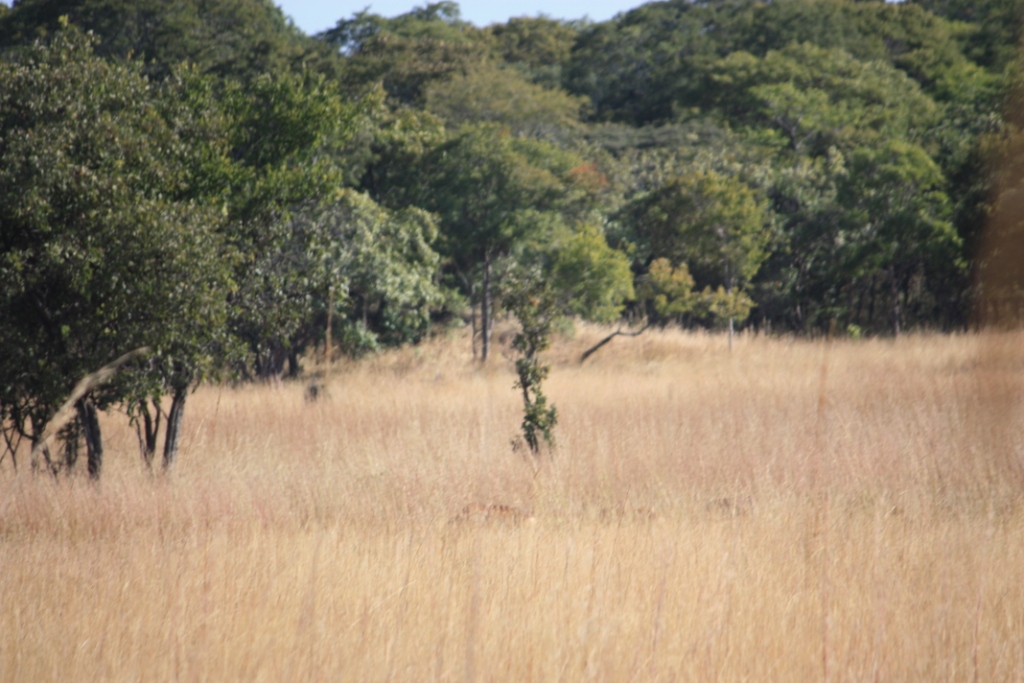
something moves
 through the tall grass --
  mystery rump & ears.
I have a piece in this new collection, out tomorrow (May 30, 2025) in the Indian market and later in the year for international markets.
GoodReads Page Amazon.in Page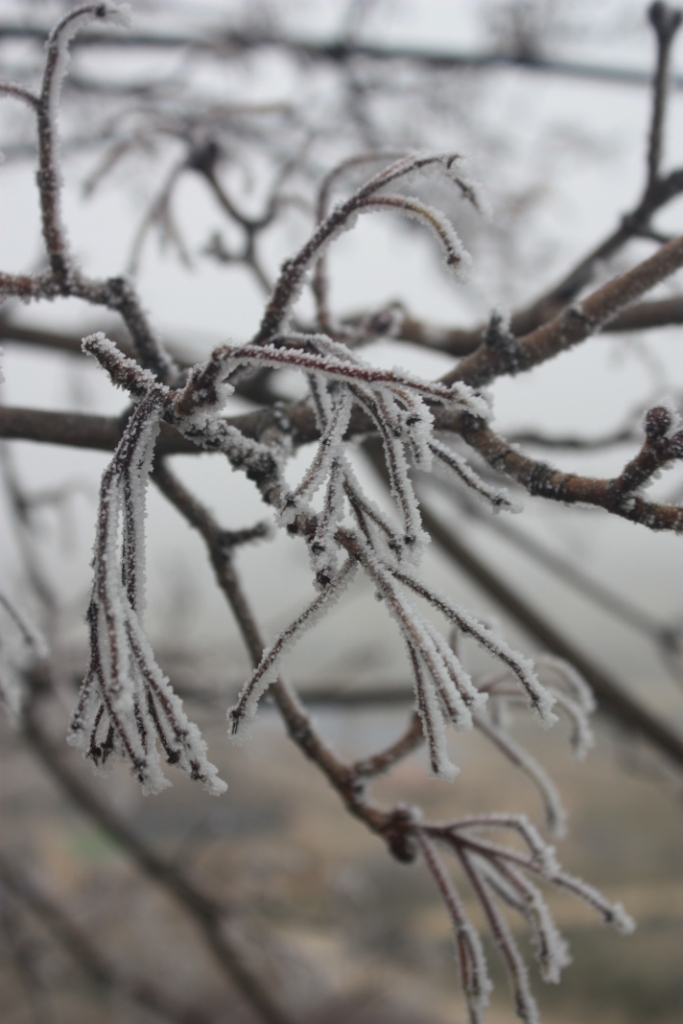
One must have a mind of winter
 To regard the frost and the boughs
 Of the pine-trees crusted with snow;

And have been cold a long time
 To behold the junipers shagged with ice,
 The spruces rough in the distant glitter

Of the January sun; and not to think
 Of any misery in the sound of the wind,
 In the sound of a few leaves,

Which is the sound of the land
 Full of the same wind
 That is blowing in the same bare place

For the listener, who listens in the snow,
 And, nothing himself, beholds
 Nothing that is not there and the nothing that is.
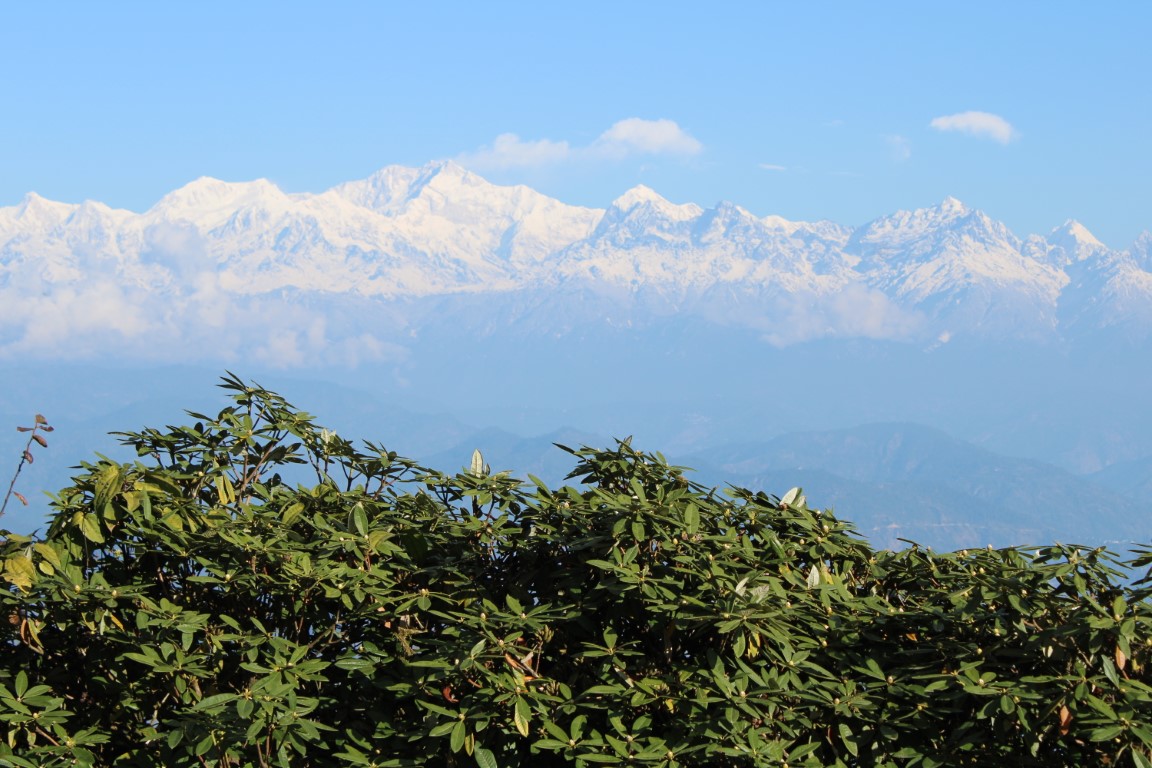
rhododendrons aren't blooming,
but clouds fled & mountains are out!
 千字文 by 周兴嗣


 Tiger Riding for Beginners