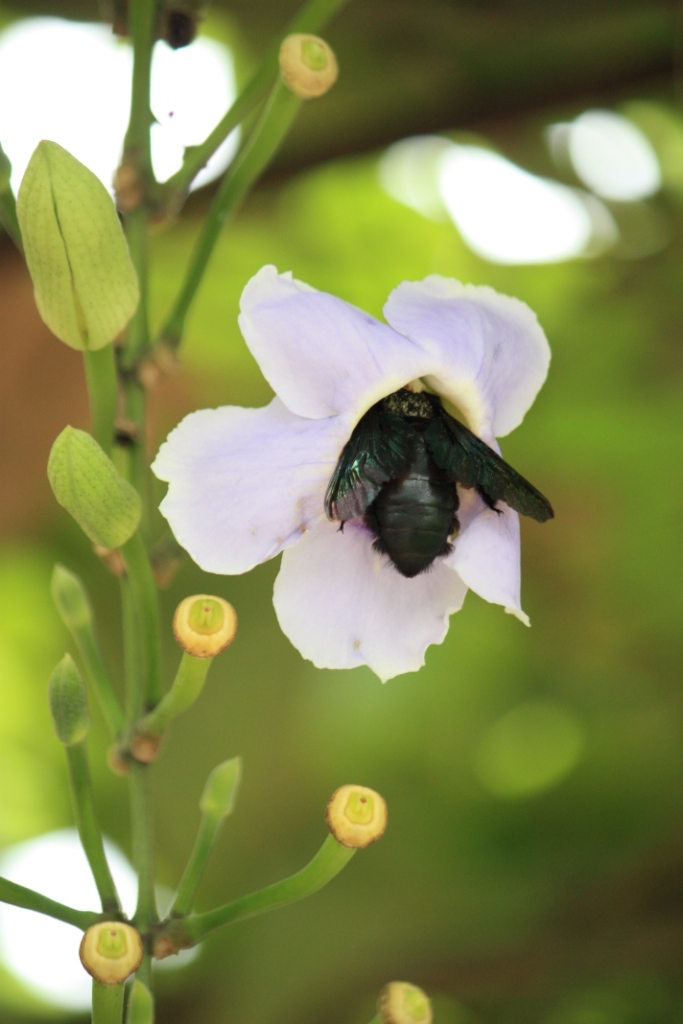
I see the humble bumble bee,
 Or should I say I see its rump.
 It snugged in, made itself cozy --
 To get away it's far too plump.

I see the humble bumble bee,
Or should I say I see its rump.
It snugged in, made itself cozy --
To get away it's far too plump.
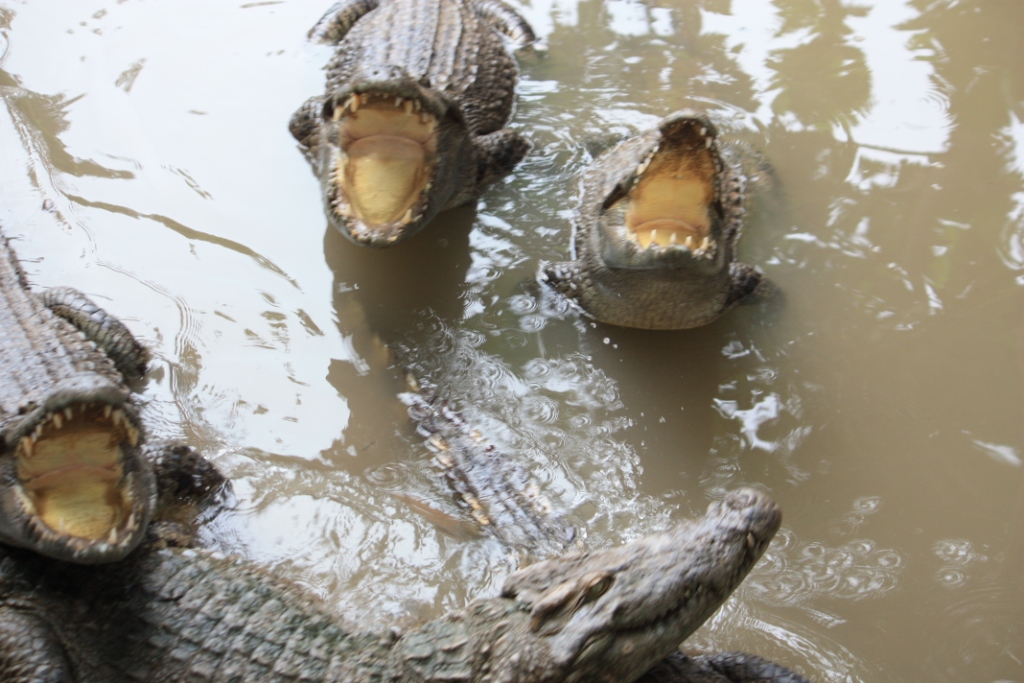
The Crocodile has a toothy smile,
  And, Oh My, is he so proud of it.
 I'll sing his praises (play Croc-o-phile)
  As long as I'm ten feet above it.
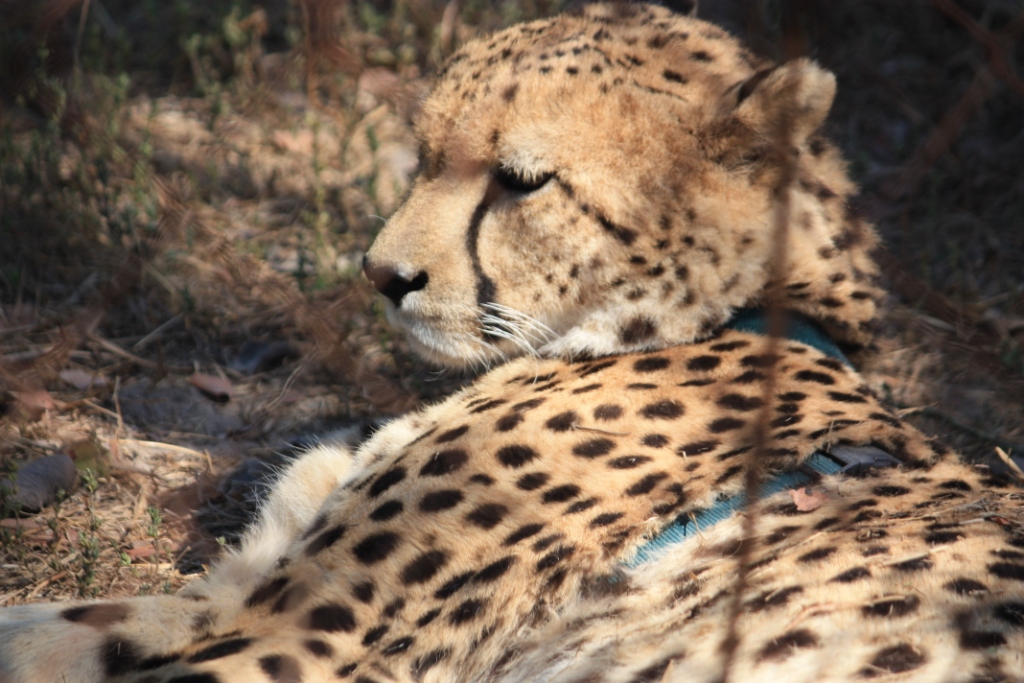
The Leopard cannot change its spots;
 Maybe an obese Cheetah can
 Blot out all of those old, black dots
 With an orange cheese powder tan.
The shades of night were falling fast,
 As though an Alpine village passed
 A youth, who bore, 'mid snow and ice,
 A banner with the strange device,
     Excelsior!

His brow was sad; his eye beneath,
 Flashed like a falchion from its sheath,
 And like a silver clarion rung
 The accents of that unknown tongue,
     Excelsior!

In happy homes he saw the light
 Of household fires gleam warm and bright;
 Above, the spectral glaciers shone,
 And from his lips escaped the groan,
     Excelsior!

"Try not the Pass!" the old man said;
 "Dark lowers the tempest overhead,
 The roaring torrent is deep and wide!"
 And loud that clarion voice replied,
     Excelsior!

"Oh stay," the maiden said, "and rest
 Thy weary head upon this breast!"
 A tear stood in his bright blue eye,
 But still he answered, with a sigh,
     Excelsior!

"Beware the pine-tree's withered branch!
 Beware the awful avalanche!"
 This was the peasant's last Good-night,
 A voice replied, far up the height,
     Excelsior!

At break of day, as heavenward
 The pious monks of Saint Bernard
 Uttered the oft-repeated prayer,
 A voice cried through the startled air,
      Excelsior!

A traveller, by the faithful hound,
 Half-buried in the snow was found,
 Still grasping in his hand of ice
 That banner with the strange device,
     Excelsior!

There in the twilight cold and gray,
 Lifeless, but beautiful, he lay,
 And from the sky, serene and far,
 A voice fell like a falling star,
     Excelsior!
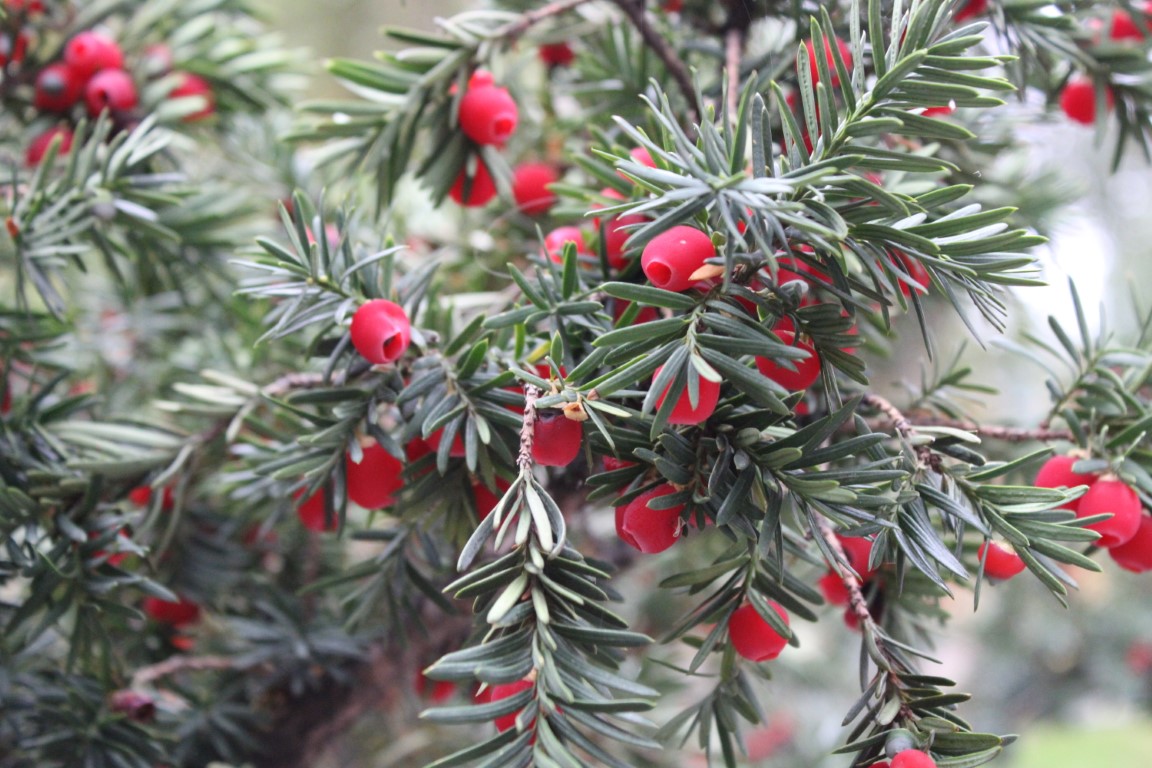
Oh, the Yew tree --
 Such a beauty!...
 But on that Yew,
 You'd best not chew:
   It'll kill you painfully.
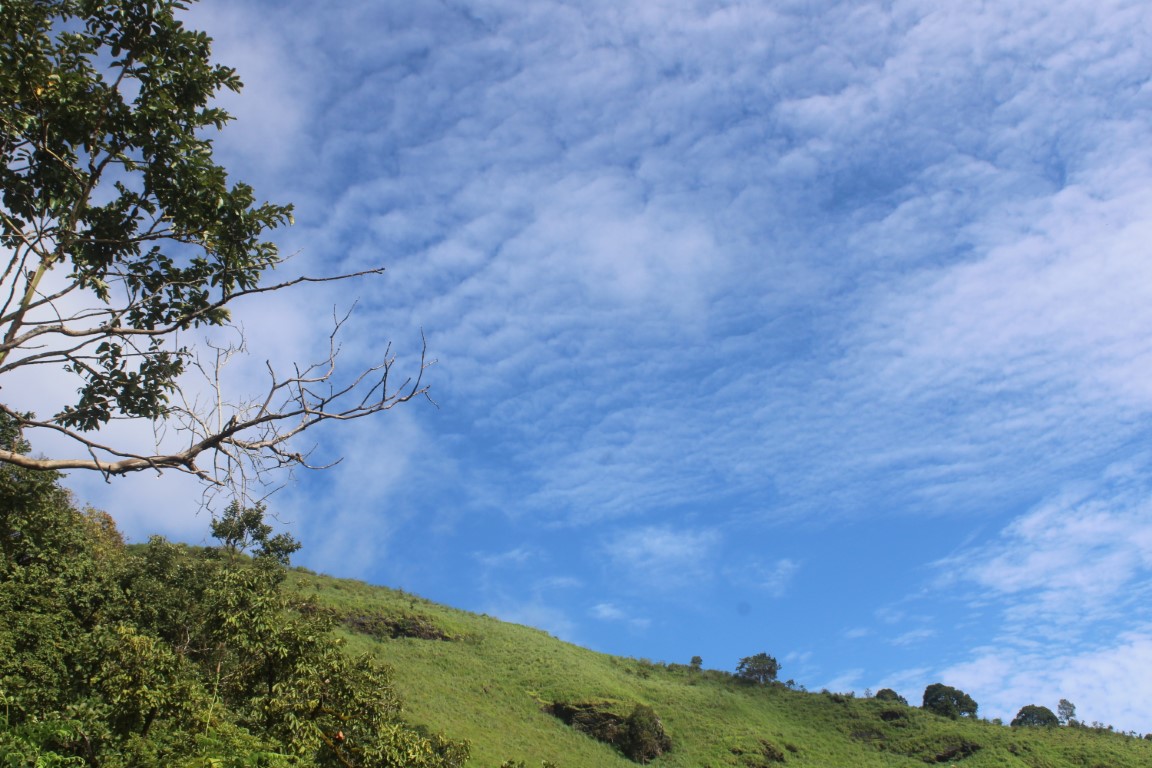
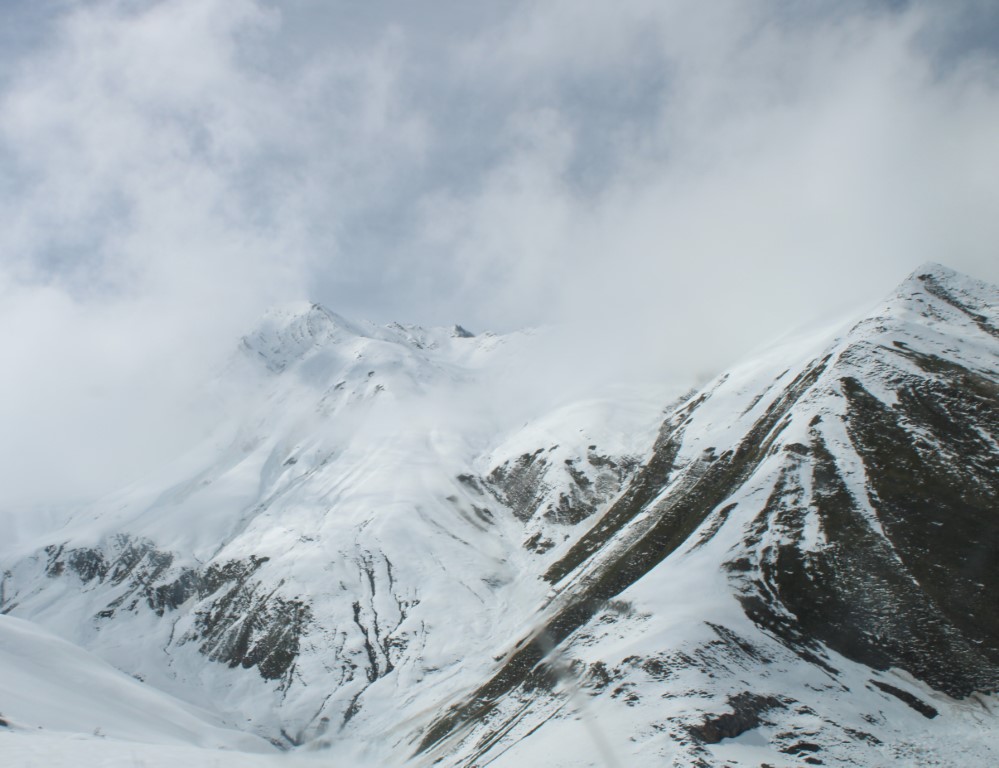
Hiking to the hilltop
 To get a better view,
 I found myself in clouds
 That edged the sky of blue.

Standing upon a cliff,
 (How high? I cannot know,)
 I doubt cloud would catch me,
 If I'd let myself go.

But it looked so fluffy,
 Like it could bear my weight,
 But then the sky 'd looked clear
 From down the valley strait.

I guess the moral is:
 One just can't trust the sky;
 If you leap into the clouds,
 It's certain that you'll die,
 & when you think the sky clear
 You may be denied.
Call the roller of big cigars,
 The muscular one, and bid him whip
 In kitchen cups concupiscent curds.
 Let the wenches dawdle in such dress
 As they are used to wear, and let the boys
 Bring flowers in last month's newspapers.
 Let be be finale of seem.
 The only emperor is the emperor of ice-cream.

Take from the dresser of deal,
 Lacking the three glass knobs, that sheet
 On which she embroidered fantails once
 And spread it so as to cover her face.
 If her horny feet protruded, they come
 To show how cold she is, and dumb.
 Let the lamp affix its beam.
 The only emperor is the emperor of ice-cream.
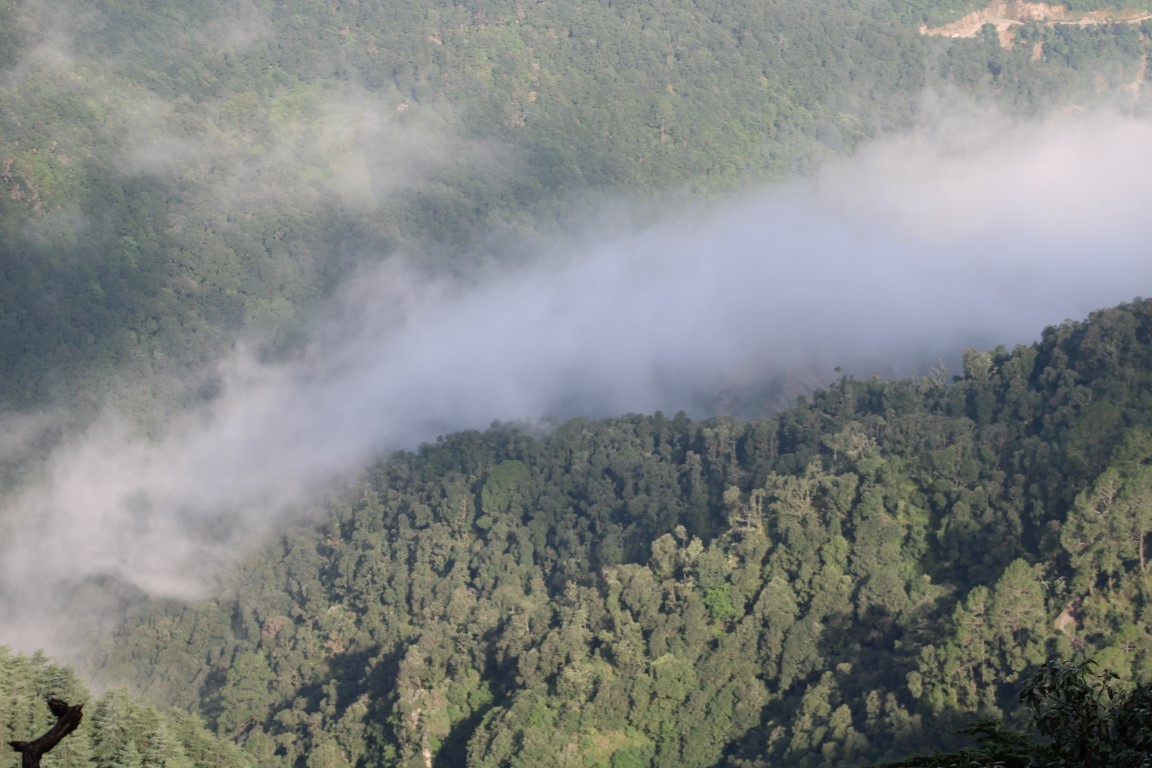
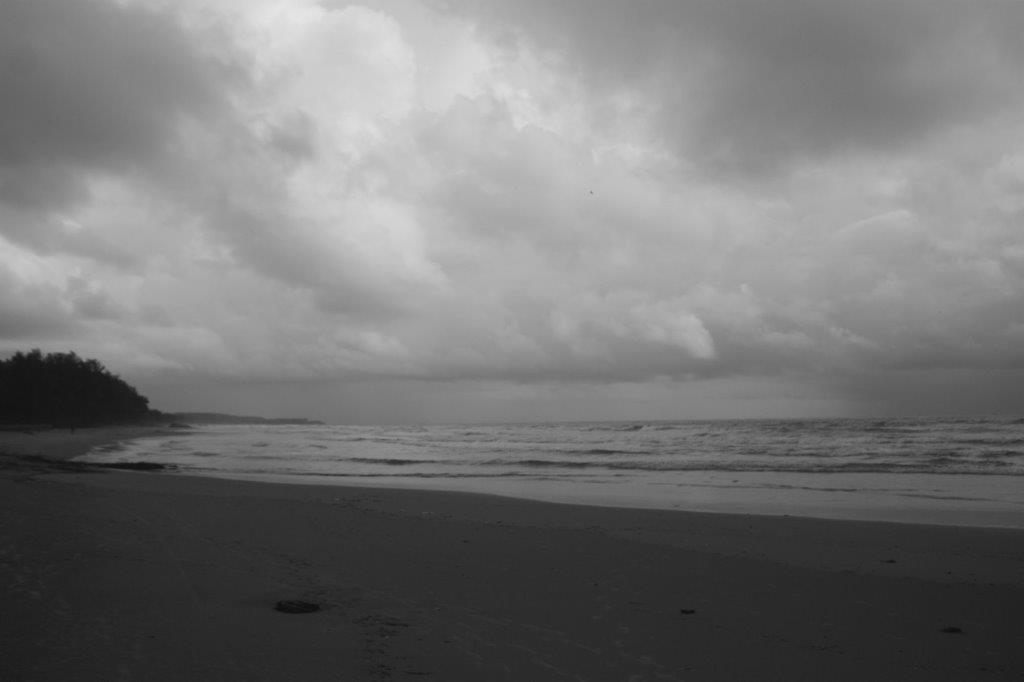
A thick cloud nestled into the
   valley down below,
 I wonder if the forager
   in that streambed knows
   that it's sunny above.
It was many and many a year ago,
   In a kingdom by the sea,
 That a maiden there lived whom you may know
   By the name of Annabel Lee;
 And this maiden she lived with no other thought
   Than to love and be loved by me.

I was a child and she was a child,
   In this kingdom by the sea,
 But we loved with a love that was more than love --
   I and my Annabel Lee --
 With a love that the winged seraphs of Heaven
   Coveted her and me.

And this was the reason that, long ago,
   In this kingdom by the sea,
A wind blew out of a cloud, chilling
   My beautiful Annabel Lee;
So that her highborn kinsman came
   And bore her away from me,
 To shut her up in a sepulchre
    In this kingdom by the sea.

The angels, not half so happy in Heaven,
   Went envying her and me ---
 Yes! -- that was the reason (as all men know,
   In this kingdom by the sea)
 That the wind came out of the cloud by night,
   Chilling and killing my Annabel Lee.

But our love it was stronger by far than the love
   Of those who were older than we --
   Of many far wiser than we --
 And neither the angels in Heaven above
   Nor the demons down under the sea
 Can ever dissever my soul from the soul
   Of the beautiful Annabel Lee;

For the moon never beams, without bringing me dreams
   Of the beautiful Annabel Lee;
 And the stars never rise, but I feel the bright eyes
   Of the beautiful Annabel Lee;
 And so, all the night-tide, I lie down by the side
   Of my darling -- my darling -- my life and my bride,
   In her sepulchre there by the sea --
   In her tomb by the sounding sea.

I take it you already know
  Of tough and bough and cough and dough.
 Others may stumble, but not you,
  On hiccough, thorough, lough and through.
 Well done! And now you wish, perhaps,
  To learn of less familiar traps.

Beware of heard, a dreadful word
  That looks like beard and sounds like bird.
 And dead -- it's said like bed, not bead.
  For goodness sake, don't call it deed!
 Watch out for meat and great and threat.
  They rhyme with suite and straight and debt.

A moth is not a moth in mother,
  Nor both in bother, broth in brother,
 And here is not a match for there,
  Nor dear and fear for pear and bear.
 And then there's dose and rose and lose
  Just look them up -- and goose and choose.

And cork and work and card and ward.
  And font and front and word and sword.
 And do and go, then thwart and cart.
  Come, come I've hardly made a start.

A dreadful language? Man alive,
 I'd mastered it when I was five!
* This poem has come to be attributed to a T.S. Watt with a date of 1954. However, the broad divergence of titles and lack of other publication information suggest the alternate possibility that attribution was invented after the fact and has just been mindlessly copied across the internet. I don’t wish to cheat T.S. Watt, if he or she was an actual person who wrote this clever poem, but I also don’t wish to contribute to the spread of false information that happens regularly across the internet. Hence, this note.


 Tiger Riding for Beginners