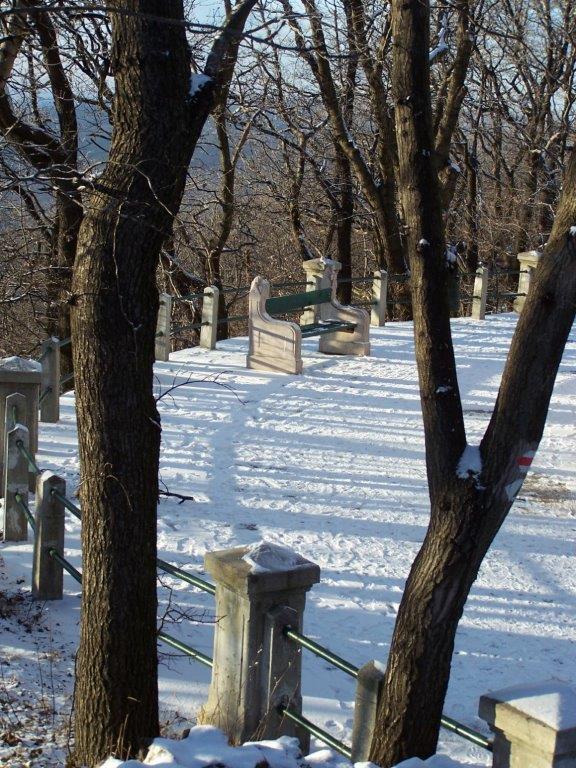
The way a crow
 Shook down on me
 The dust of snow
 From a hemlock tree

Has given my heart
 A change in mood
 And saved some part
 Of a day I had rued.

The way a crow
Shook down on me
The dust of snow
From a hemlock tree
Has given my heart
A change in mood
And saved some part
Of a day I had rued.
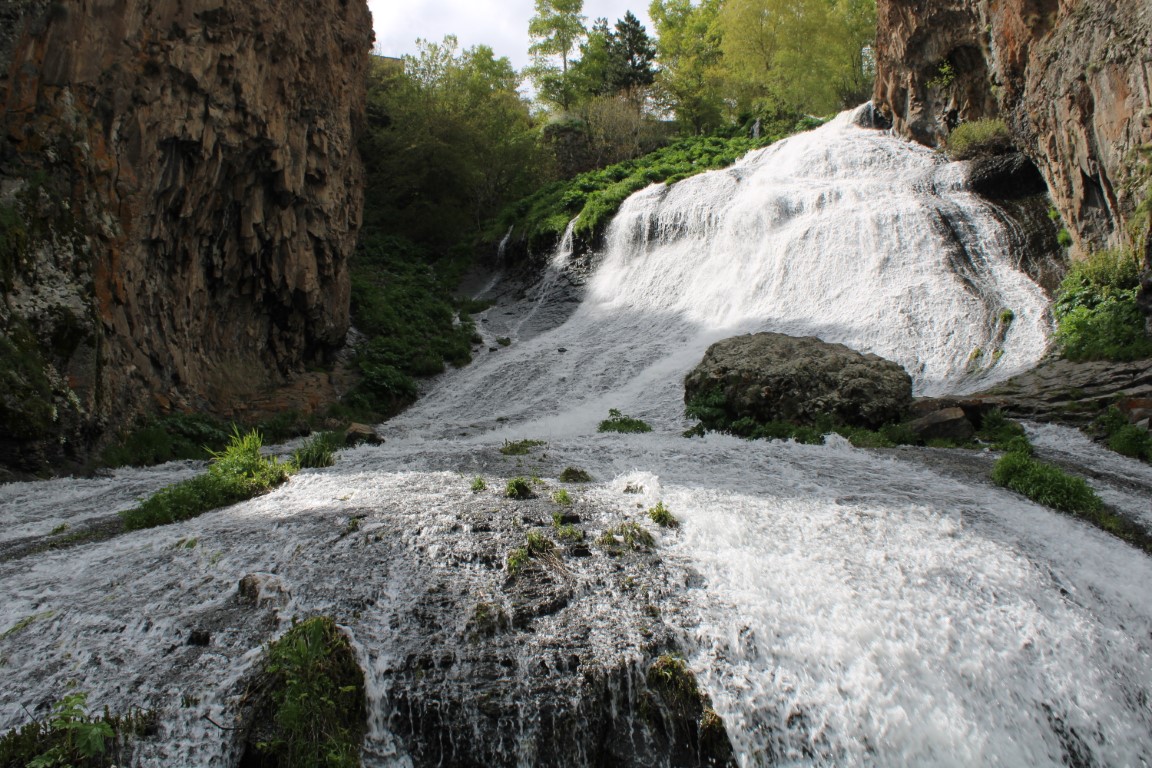
Like water spilling over rocks?
   Like a bead's roll across the floor?
 Cliches, they fail to tell the story,
   As no doll shows life's splendor.
 But the Earth' unsupported spin through space,
   As the heaven's pivot and sprawl for more...
 If you could find how it all began,
   You'd see it'll be as it was before.
 The high and bright realm of the gods
   Returns to nothing and nevermore.
 And if you lived ten-thousand years,
   You might find yourself in days of yore.
NOTE: The late Tang Dynasty poet, Sikong Tu (a.k.a. Ssŭ-k‘ung T‘u,) wrote an ars poetica entitled Twenty-Four Styles of Poetry. It presents twenty-four poems that are each in a different tone, reflecting varied concepts from Taoist philosophy and aesthetics. Above is a translation of the twenty-fourth of the twenty-four poems. This poem has been alternately titled “The Flowing Style,” “Fluid,” “Motion,” etc. by varied translators from its Chinese title of 流动.

Out of a fired ship, which by no way
 But drowning could be rescued from the flame,
 Some men leap'd forth, and ever as they came
 Near the foes' ships, did by their shot decay;
 So all were lost, which in the ship were found,
   They in the sea being burnt,
   They in the burnt ship drown'd.
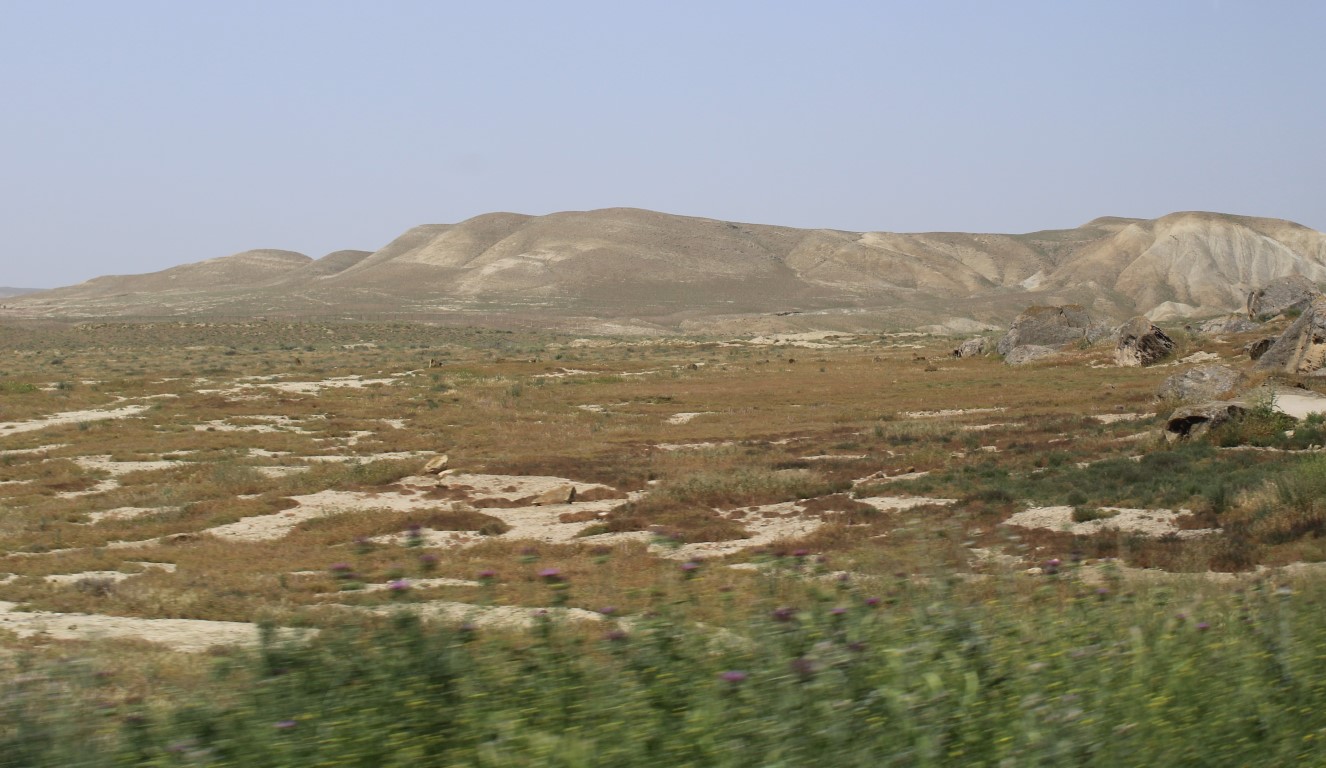
On the arid
   desert's edge,
 Stands a scrubby
   shrubby hedge
 That's always green
   and never brown,
 But it turns black
   when Sun goes down.
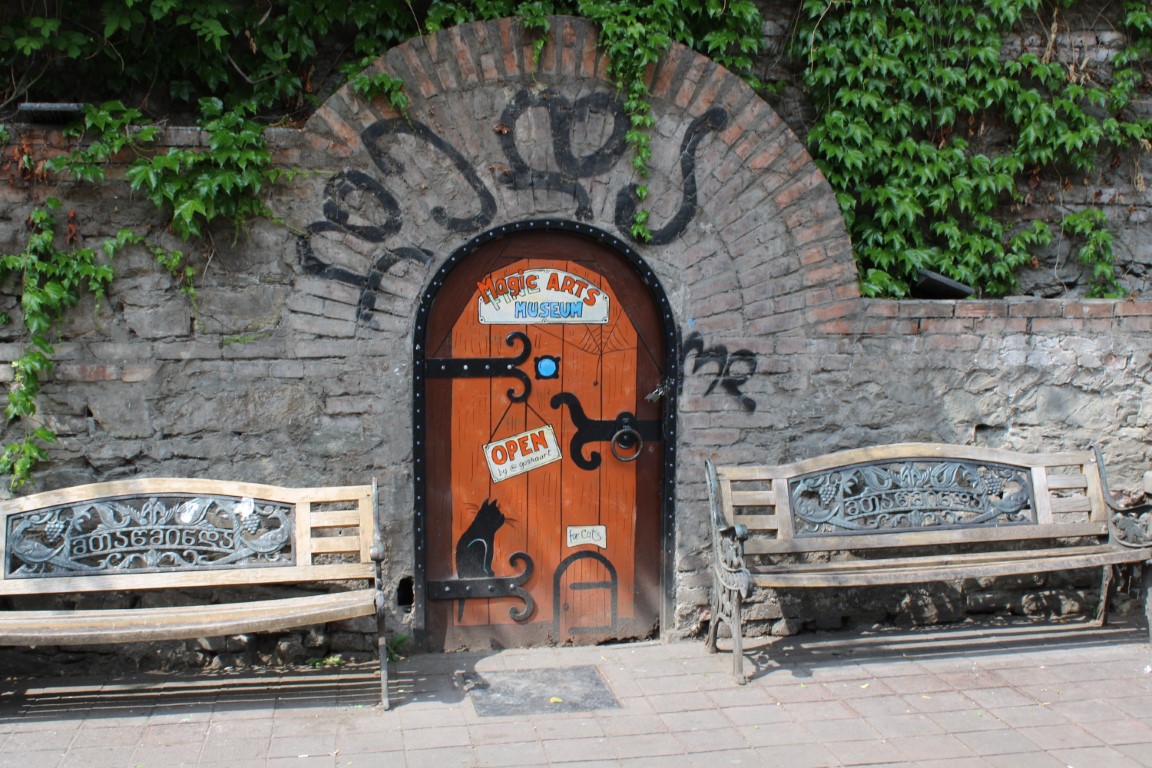
We cast our spells by way of words --
 Each sound, sacred. Its magic blurred
 By mundane ways and untrained ears --
 Failure to feel one's way to tears.

So, we're lost upon silent seas
 Even when one could hear with ease:
 Because boundless is speech's spread,
 And boundless, still, within one's head.

Some seek their way to the magic
 By means that are truly tragic,
 When all they really need to do
 Is listen as it passes through.
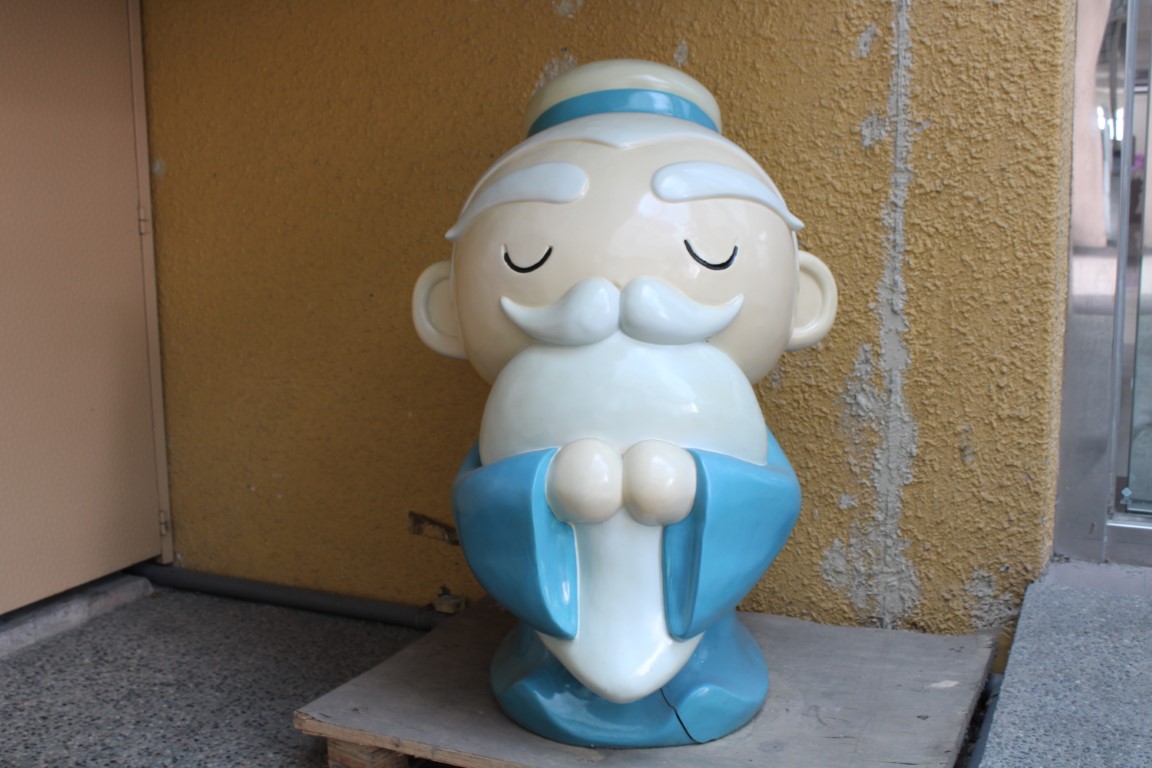
There was an Old Man with a beard,
 Who said, "It is just as I feared! --
     Two Owls and a Hen,
     Four Larks and a Wren,
 Have all built their nests in my beard!"
NOTE: This poem no. 1 of Lear’s The Book of Nonsense.
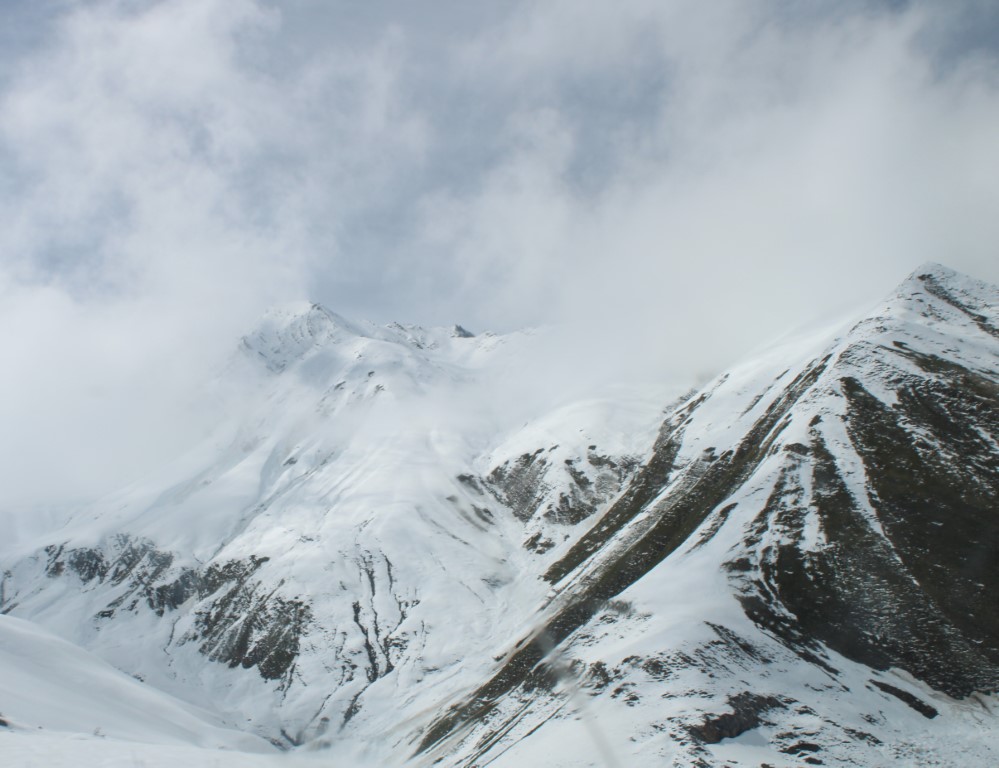
No hawk hangs over in this air:
 The urgent snow is everywhere.
 The wing adroiter than a sail
 Must lean away from such a gale,
Abandoning its straight intent,
 Or else expose tough ligament
 And tender flesh to what before
 Meant dampened feathers, nothing more.

Forceless upon our backs there fall
 Infrequent flakes hexagonal,
 Devised in many a curious style
 To charm our safety for a while,
   Where close to earth like mice we go
   Under the horizontal snow.
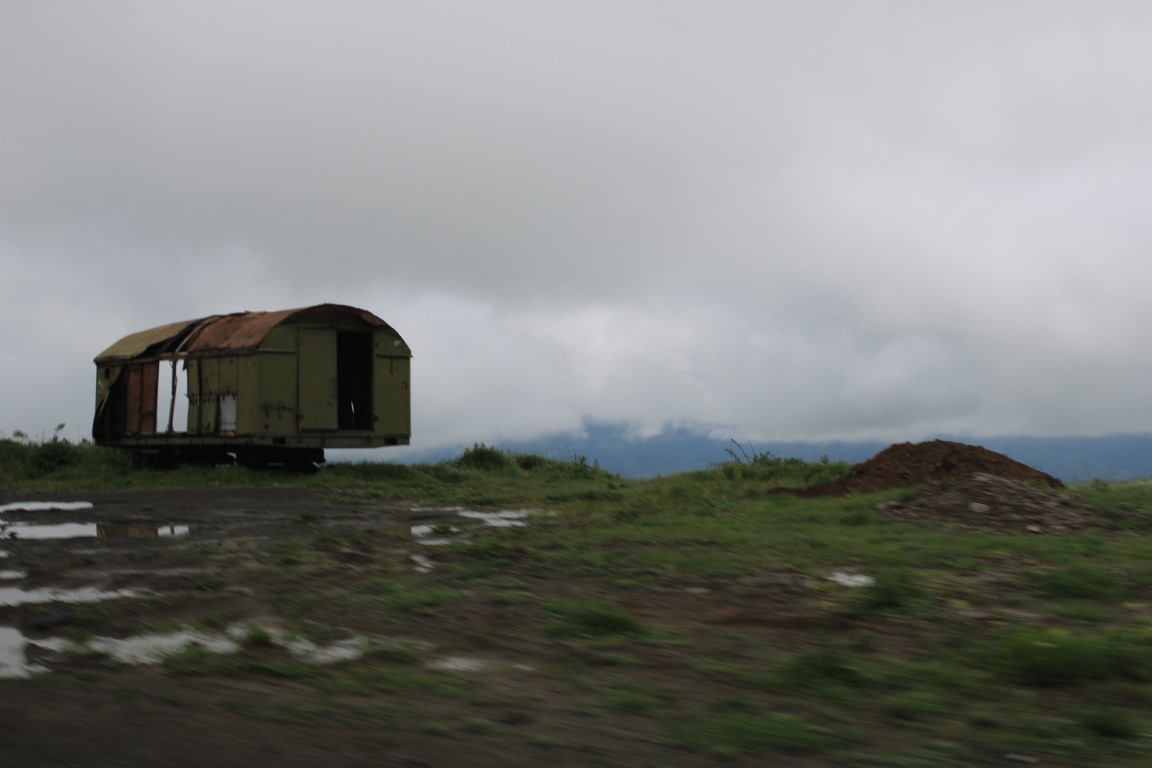
A road lined with burnt out junkers,
   And garbage fires 'round which hunker
 Cold souls sitting in drizzling rain --
   That rain, that rain, their eternal bane.

Blue skies are a distant memory --
   Except for in every reverie
 That denies claustrophobic skies
   The main villain role - e'er reprised.

Where's our long-lost hero, the sun?
   Have stout clouds got him on the run?
 Or maybe our hero 's bleeding out;
    Its feeble showing leaves room for doubt.
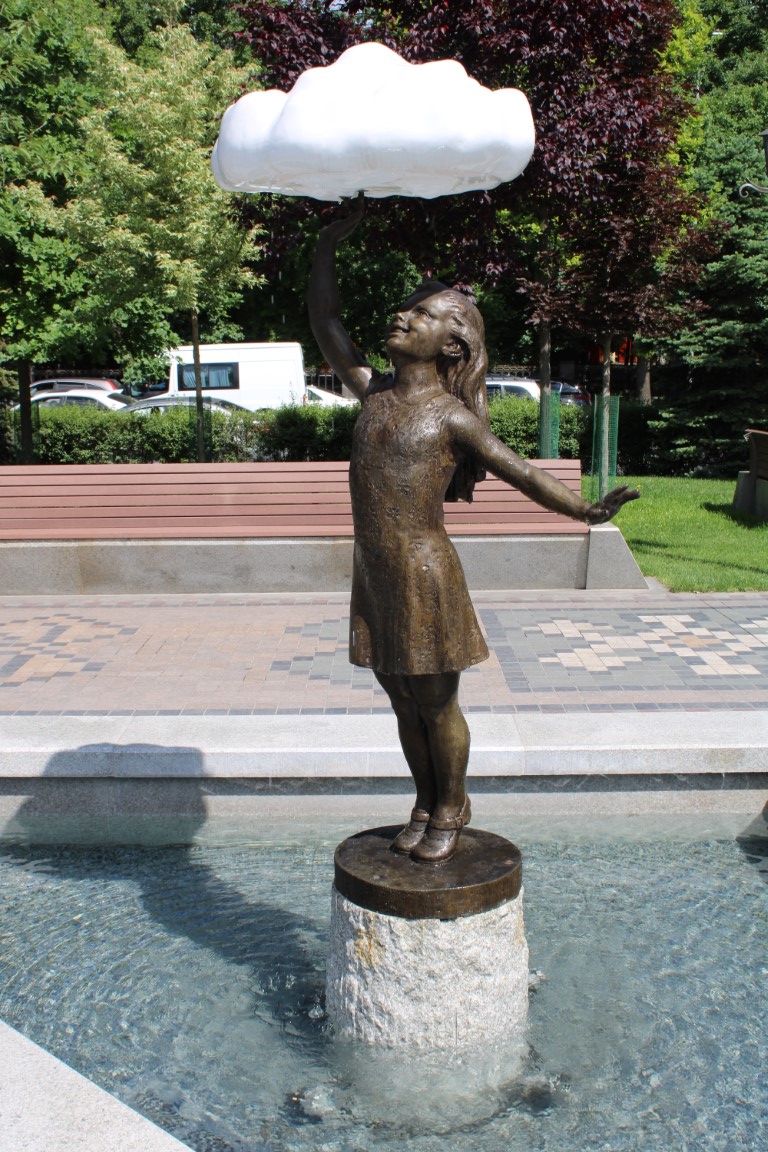
To be under a cloud
   Is not so sad a thing;
 If you can love the rain,
   And you can dance and sing.
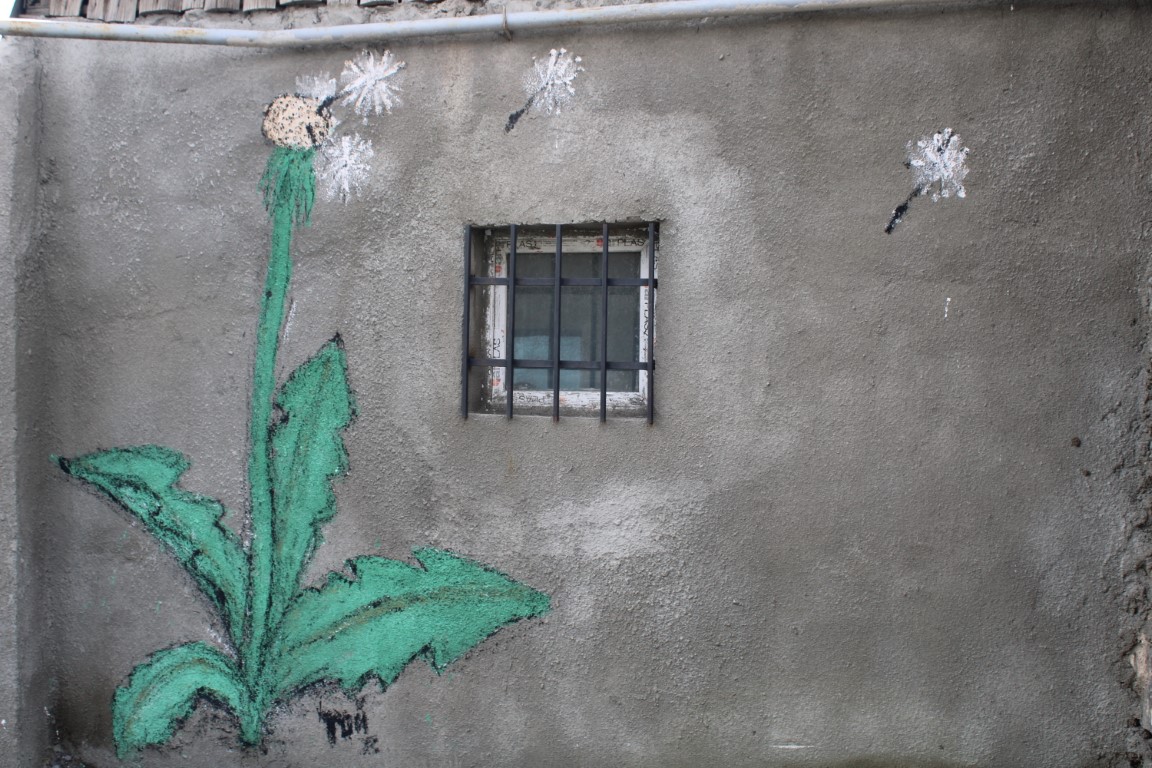
I am not now.
   I was not then.
 That makes it sound
 Like I've never been.

But I once was
   And will be again,
 But who can know
 Just where & when?


