The monk’s entire body is present
     in this great circle.
 Xutang’s true face and eye
     emerge from it.
 The blind singer’s love song delights
     flowers for ten thousand springs.
Translation by Kazuaki Tanahashi and David Schneider in Essential Zen (1994) HarperSanFrancisco.
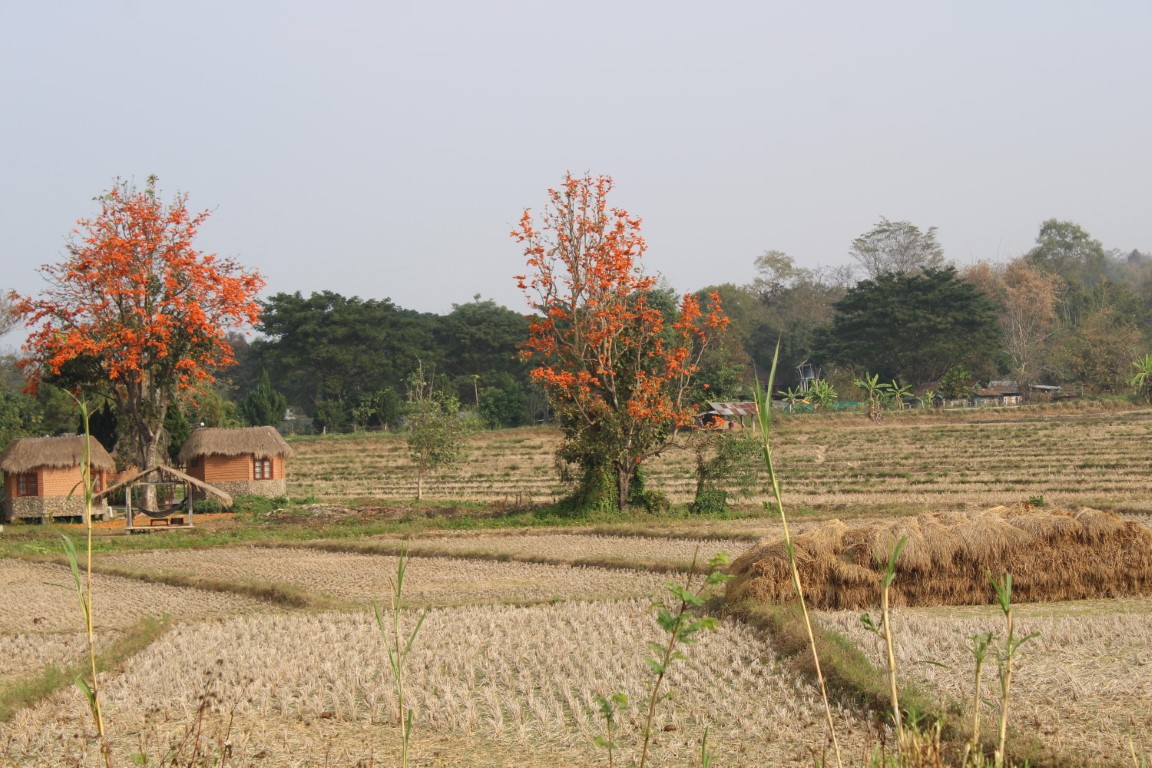
When the summer fields are mown,
 When the birds are fledged and flown,
     And the dry leaves strew the path;
 With the falling of the snow,
 With the cawing of the crow,
 Once again the fields we mow
     And gather in the aftermath.

Not the sweet, new grass with flowers
 Is this harvesting of ours;
     Not the upland clover bloom;
 But the rowen mixed with weeds,
 Tangled tufts from marsh and meads,
 Where the poppy drops its seeds
     In the silence and the gloom.
Only the Blessed of Lethe's dews
   May stoop to drink. And yet,
 Were their Elysium mine to lose,
 Could I, sans all repining, choose
   Life's sorrows to forget?
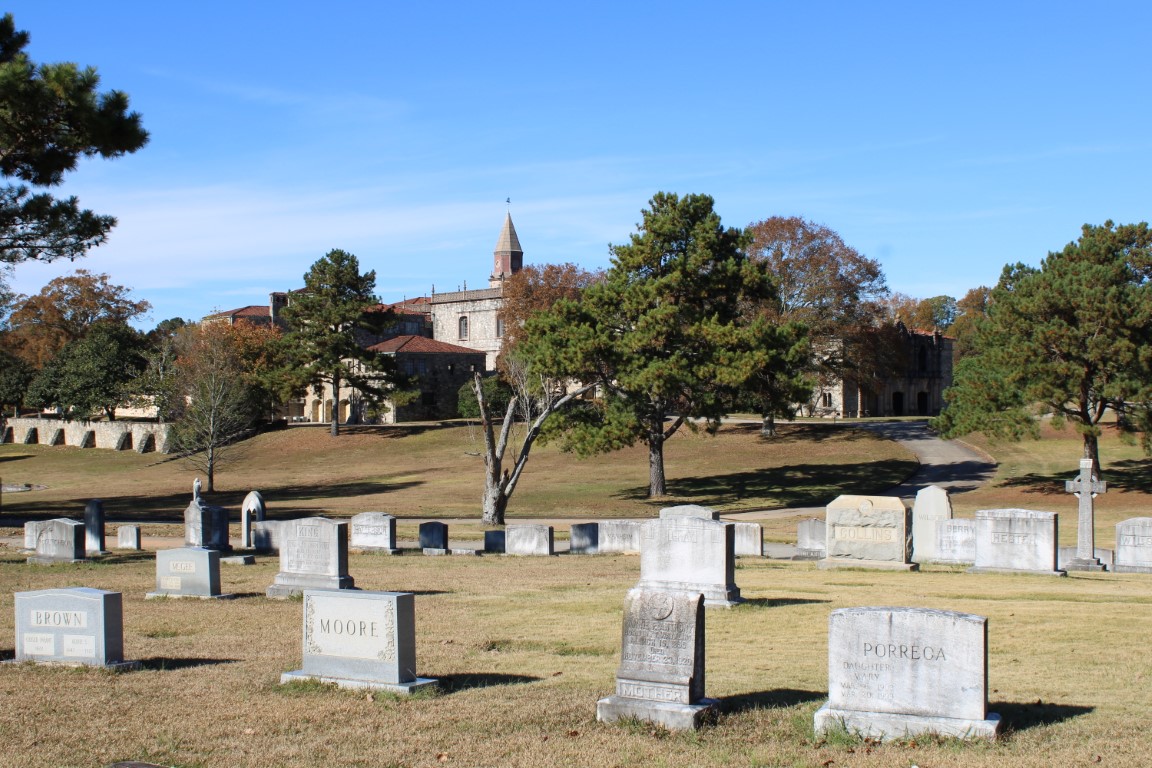
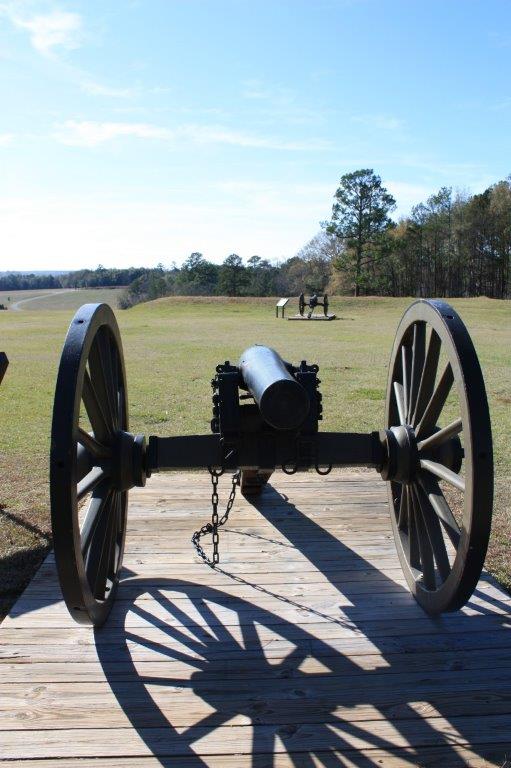
By the rude bridge that arched the flood,
   Their flag to April's breeze unfurled,
 Here once the embattled farmers stood
   And fired the shot heard round the world.

The foe long since in silence slept;
   Alike the conqueror silent sleeps;
 And Time the ruined bridge has swept
   Down the dark stream which seaward creeps.

On this green bank, by this soft stream,
   We set today a votive stone;
 That memory may their deed redeem,
   When, like our sires, our sons are gone.

Spirit, that made those heroes dare
   To die, and leave their children free,
 Bid Time and Nature gently spare
   The shaft we raise to them and thee.
Sung at the Completion of the Battle Monument, July 4, 1837
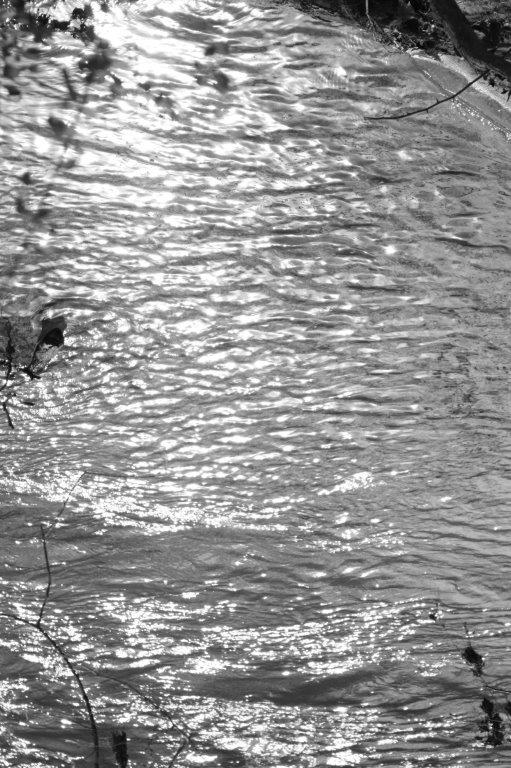
The water understands
 Civilization well;
 It wets my foot, but prettily,
 It chills my life, but wittily,
 It is not disconcerted,
 It is not broken-hearted:
 Well used, it decketh joy,
 Adorneth, doubleth joy:
 Ill used, it will destroy,
 In perfect time and measure
 With a face of golden pleasure
 Elegantly destroy.
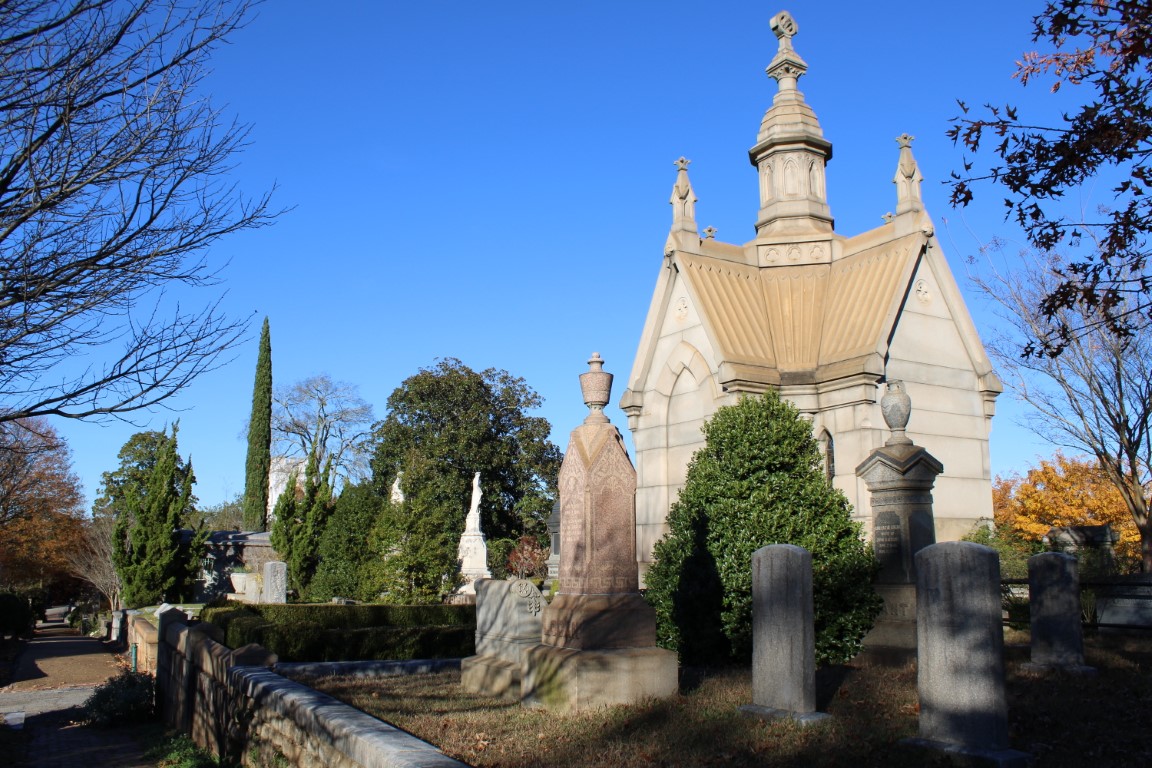
Farewell, thou art too dear for my possessing,
 And like enough thou know'st thy estimate.
 The charter of thy worth gives thee releasing:
 My bonds in thee are all determinate.
 For how do I hold thee but by thy granting,
 And for that riches where is my deserving?
 The cause of this fair gift in me is wanting,
 And so my patent back again is swerving.
 Thyself thou gav'st, thy own worth then not knowing,
 Or me, to whom thou gav'st it, else mistaking;
 So thy great gift, upon misprision growing,
 Comes home again, on better judgement making.
   Thus have I had thee as a dream doth flatter:
   In sleep a king, but waking no such matter.