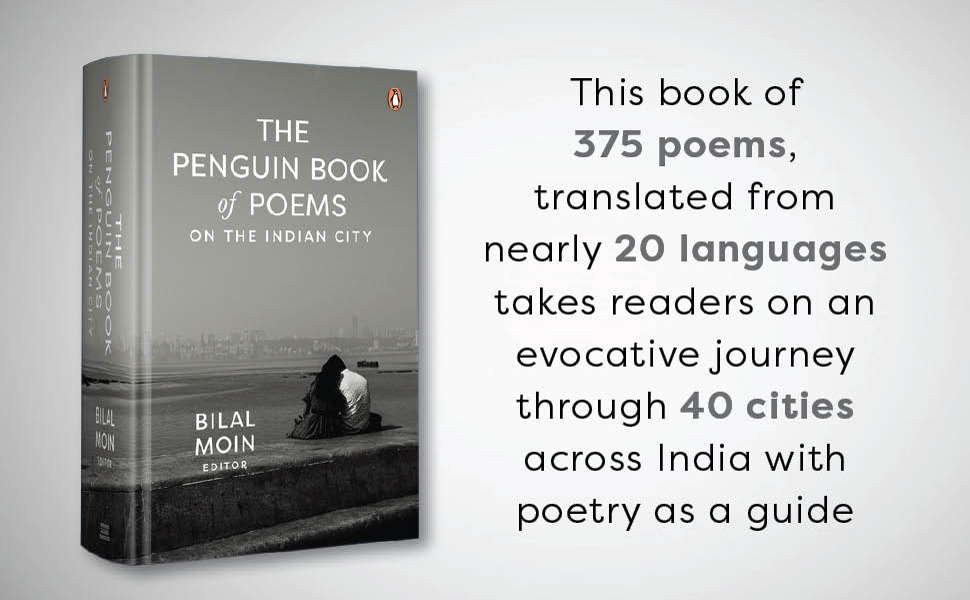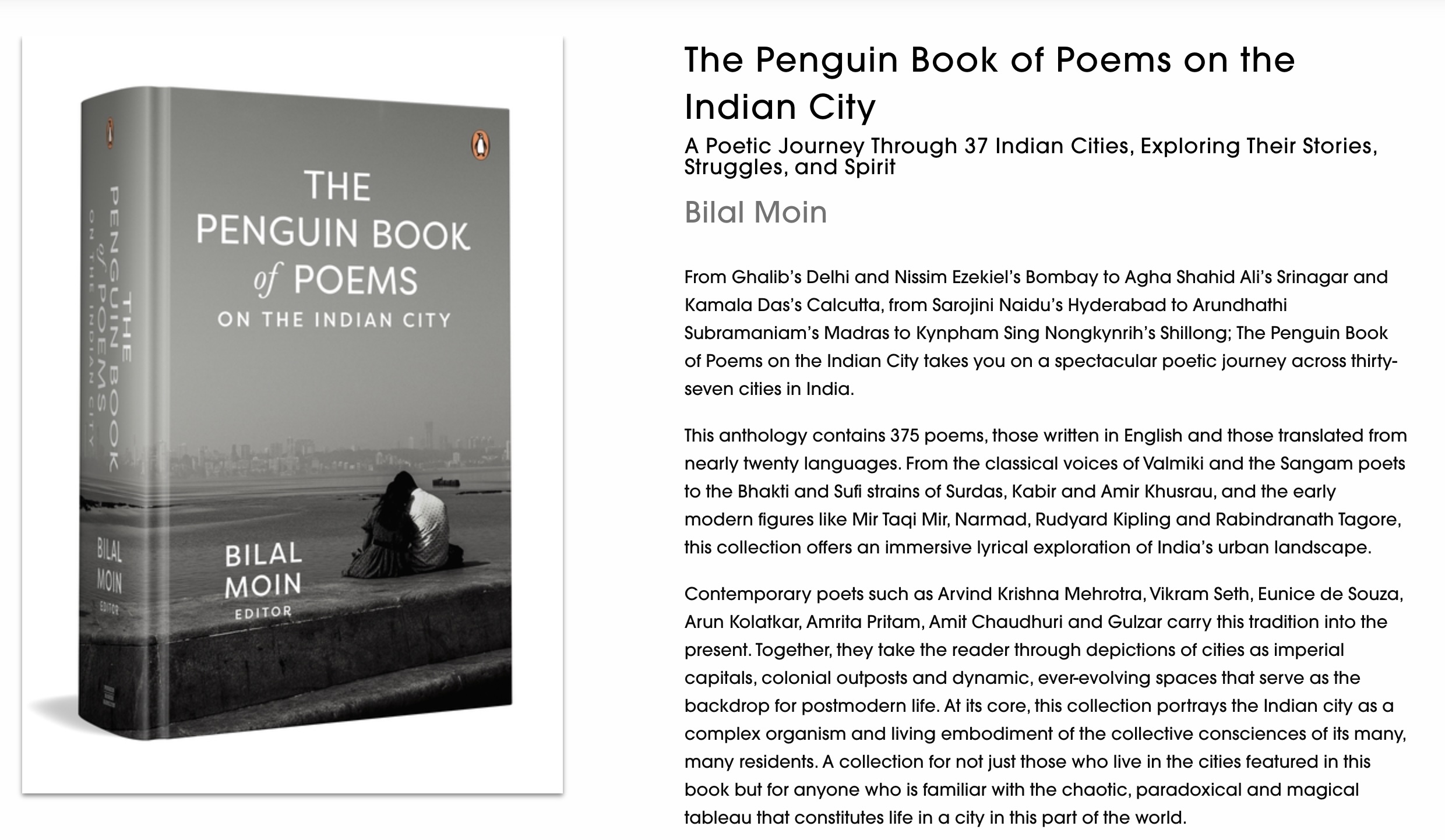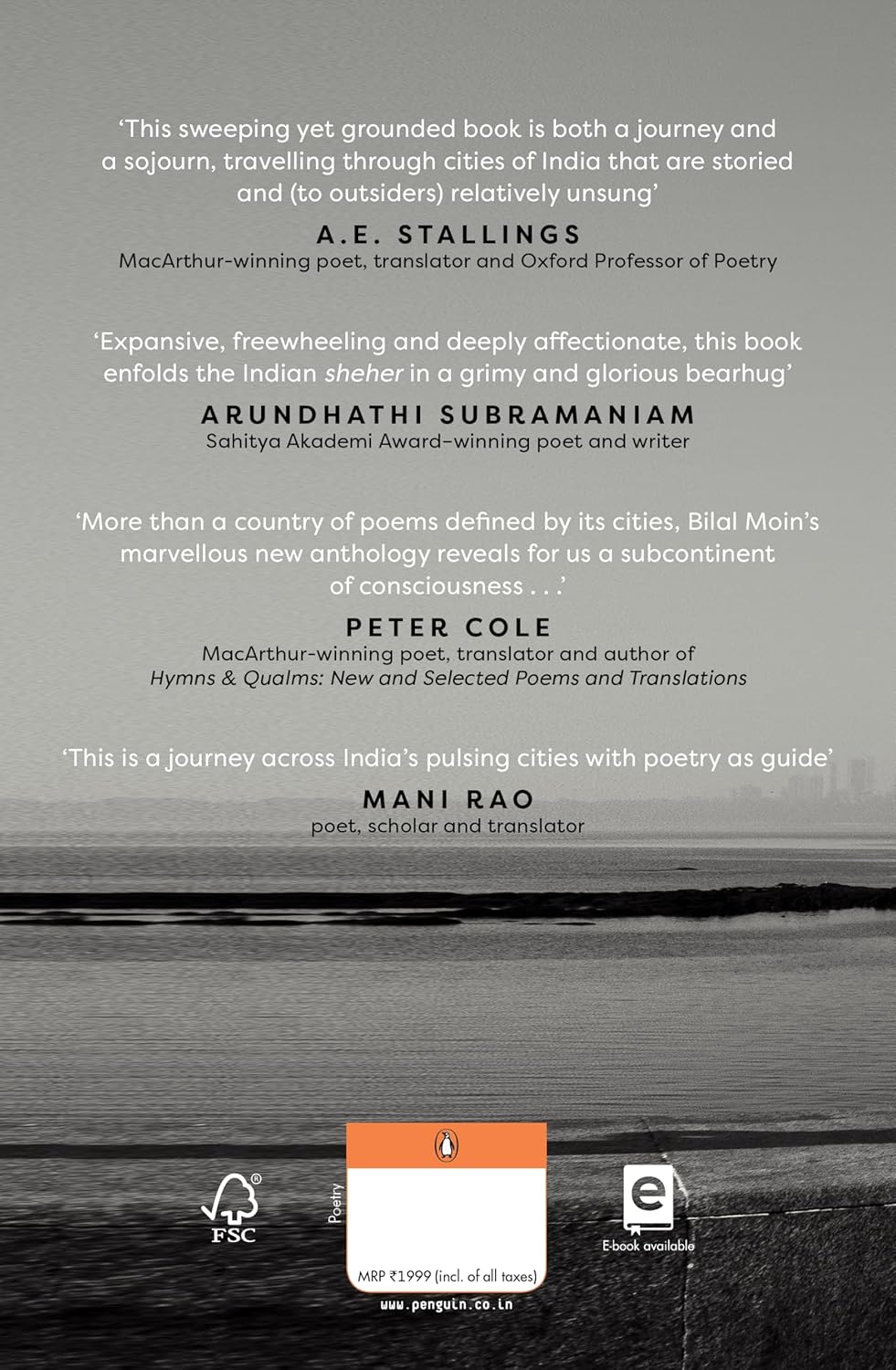
shamless plug: THE PENGUIN BOOK OF POEMS ON THE INDIAN CITY

I have a piece in this new collection, out tomorrow (May 30, 2025) in the Indian market and later in the year for international markets.

GoodReads Page Amazon.in Page

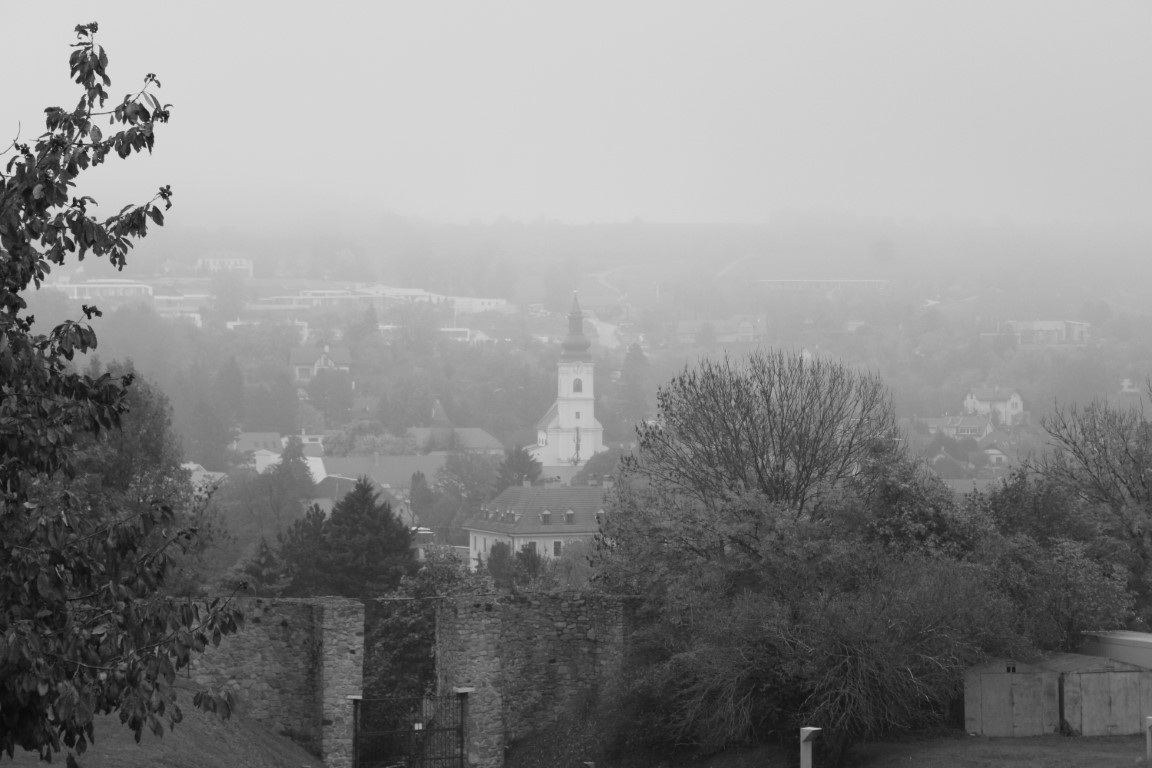
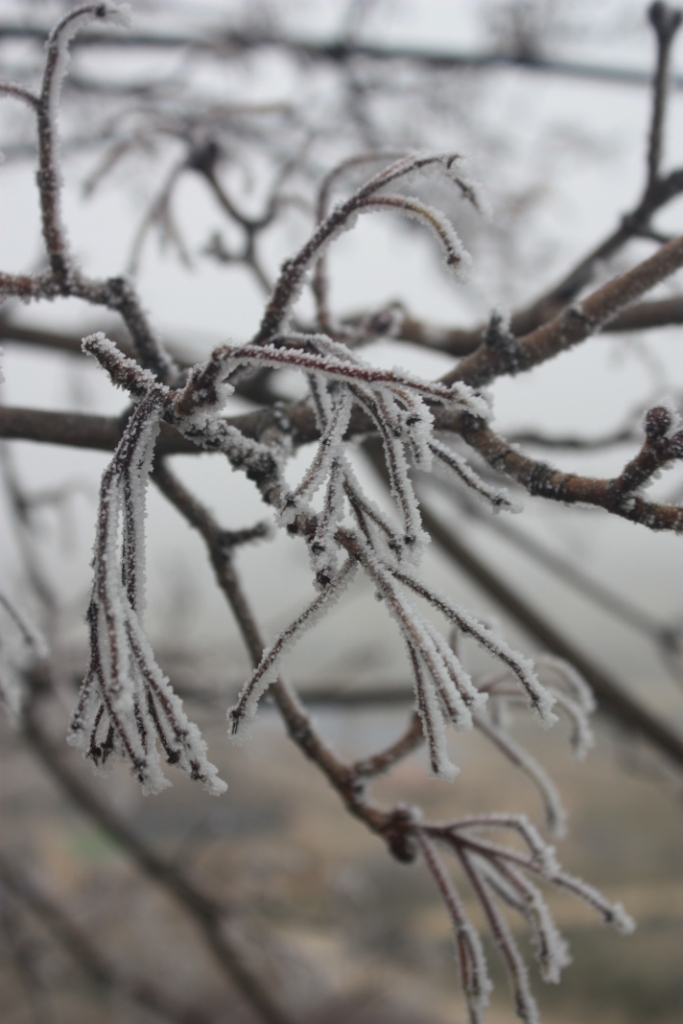
“The Snow Man” by Wallace Stevens [w/ Audio]

One must have a mind of winter
To regard the frost and the boughs
Of the pine-trees crusted with snow;

And have been cold a long time
To behold the junipers shagged with ice,
The spruces rough in the distant glitter

Of the January sun; and not to think
Of any misery in the sound of the wind,
In the sound of a few leaves,

Which is the sound of the land
Full of the same wind
That is blowing in the same bare place

For the listener, who listens in the snow,
And, nothing himself, beholds
Nothing that is not there and the nothing that is.

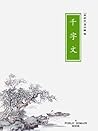
BOOKS: 千字文 [Thousand Character Essay] by 周兴嗣 [Zhou Xingsi]

千字文千字文 by 周兴嗣
My rating: 4 of 5 stars

A version with English commentary can be found at the IFA Gallery

This short work, consisting of just one-thousand characters, is first and foremost a teaching tool for children. While it presents a thousand of the most important Chinese characters, it also delivers lessons on history, ethics, philosophy, and culture by way of short sayings.

It’s arranged into 250 4-character phrases (125 sentences) and reads as a lyric poem, though because it dates to the Sixth Century, the degree to which the rhyme scheme holds varies depending upon the which spoken language one speaks (e.g. Mandarin, Cantonese, or Hakka.)

There have been different versions of this work over the centuries.

This is a much beloved work of literature among Chinese, though its sayings do not necessarily hold up as well as works like Sunzi’s Art of War or Laozi’s Daodejing. Some do, but most are much less relevant than when written.

As someone learning Chinese, I’d highly recommend this work as a way to expose oneself to language while gaining insight into Chinese culture.

View all my reviews

Lament 3 [感遇三] by Zhang Jiuling [张九龄] [w/ Audio]

Alone, the hermit returns home to sleep.
He's cleansed of cares by way of solitude.
He gives thanks and praise to the geese on high
For lifting feelings to grand altitude.
Day or night, his mind holds no intentions,
Who can sense his energy, so subdued?
His flight and submergence self-limited,
Where can he find calm, and still be renewed?

This is the third poem in 300 Tang Poems [唐诗三百首] as well as the third of a quartet of poems entitled Gǎn Yù [感遇] that open the collection. The original in Simplified Chinese is:

幽人归独卧, 滞虑洗孤清。
持此谢高鸟, 因之传远情。
日夕怀空意, 人谁感至精?
飞沉理自隔, 何所慰吾诚?

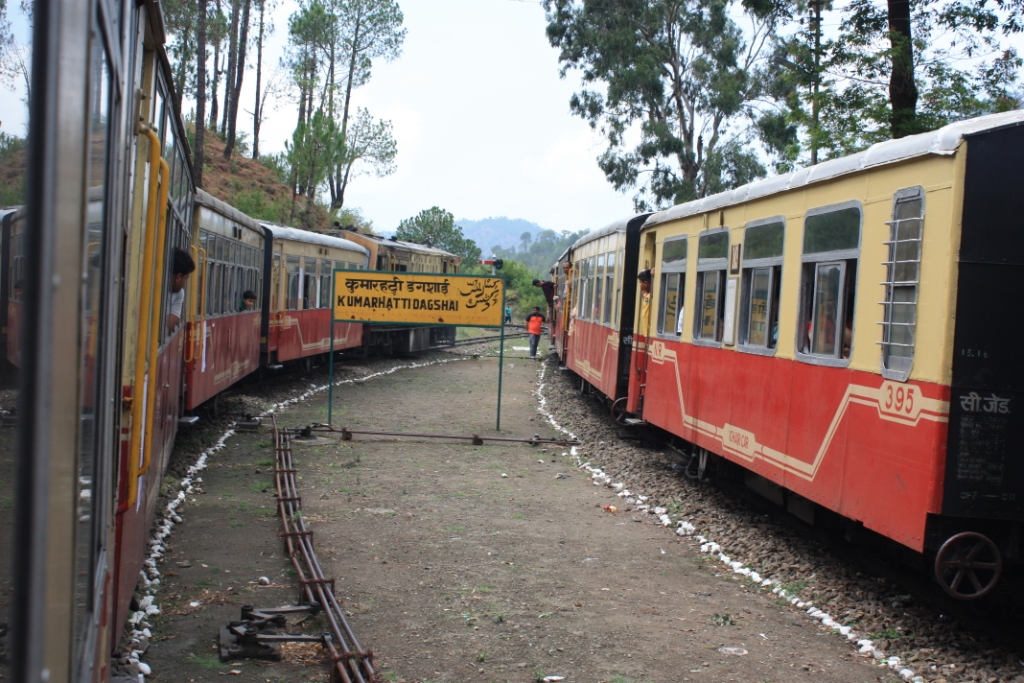
“From a Railway Carriage” by Robert Louis Stevenson [w/ Audio]

Faster than fairies, faster than witches,
Bridges and houses, hedges and ditches;
And charging along like troops in a battle,
All through the meadows the horses and cattle:
All of the sights of the hill and the plain
Fly as thick as driving rain;
And ever again, in the wink of an eye,
Painted stations whistle by.

Here is a child who clambers and scrambles,
All by himself and gathering brambles;
Here is a tramp who stands and gazes;
And there is the green for stringing the daisies!
Here is a cart run away in the road
Lumping along with man and load;
And here is a mill and there is a river:
Each a glimpse and gone for ever!

“Mad Song” by William Blake [w/ Audio]

The wild winds weep, 
And the night is a-cold;
Come hither, Sleep,
And my griefs infold:
But lo! the morning peeps
Over the eastern steeps,
And the rustling birds of dawn
The earth do scorn.

Lo! to the vault
Of paved heaven,
With sorrow fraught
My notes are driven:
They strike the ear of night,
Make weep the eyes of day;
They make mad the roaring winds,
And with tempests play.

Like a fiend in a cloud
With howling woe,
After night I do croud,
And with night will go;
I turn my back to the east,
From whence comforts have increas'd;
For light doth seize my brain
With frantic pain.

“Granadilla” by Amy Lowell [w/ Audio]

I cut myself upon the thought of you
And yet I come back to it again and again,
A kind of fury makes me want to draw you out
From the dimness of the present
And set you sharply above me in a wheel of roses.
Then, going obviously to inhale their fragrance,
I touch the blade of you and cling upon it,
And only when the blood runs out across my fingers
Am I at all satisfied.

“The Aim Was Song” by Robert Frost [w/ Audio]

Before man came to blow it right
The wind once blew itself untaught,
And did its loudest day and night
In any rough place where it caught.

Man came to tell it what was wrong:
It hadn’t found the place to blow;
It blew too hard—the aim was song.
And listen—how it ought to go!

He took a little in his mouth,
And held it long enough for north
To be converted into south,
And then by measure blew it forth.

By measure. It was word and note,
The wind the wind had meant to be—
A little through the lips and throat.
The aim was song—the wind could see.

“Lament 2” [感遇二] by Zhang Jiuling [张九龄]

Verdant orchid leaves of Spring;
Cassia blooms bright in Autumn;
Thriving plants, top to bottom.
Festivals planned by their timings.
Who knows the forest recluse --
Pleased with winds and winds with he.
Plants have stems, branches, and roots
Why beg a belle to pluck their fruits.

This is poem #2 of the 300 Tang Poems [唐诗三百首,] and is the second in a quartet of poems called 感遇 [Gan Yu.] The original poem in Simplified Chinese goes:

兰叶春葳蕤, 桂华秋皎洁; 
欣欣此生意, 自尔为佳节。
谁知林栖者, 闻风坐相悦。
草木有本心, 何求美人折?

“The Bell” by Ralph Waldo Emerson [w/ Audio]

I love thy music, mellow bell,
I love thine iron chime,
To life or death, to heaven or hell,
Which calls the sons of Time.

Thy voice upon the deep
The home-bound sea-boy hails,
It charms his cares to sleep,
It cheers him as he sails.

To house of God and heavenly joys
Thy summons called our sires,
And good men thought thy sacred voice
Disarmed the thunder's fires.

And soon thy music, sad death-bell,
Shall lift its notes once more,
And mix my requiem with the wind
That sweeps my native shore.