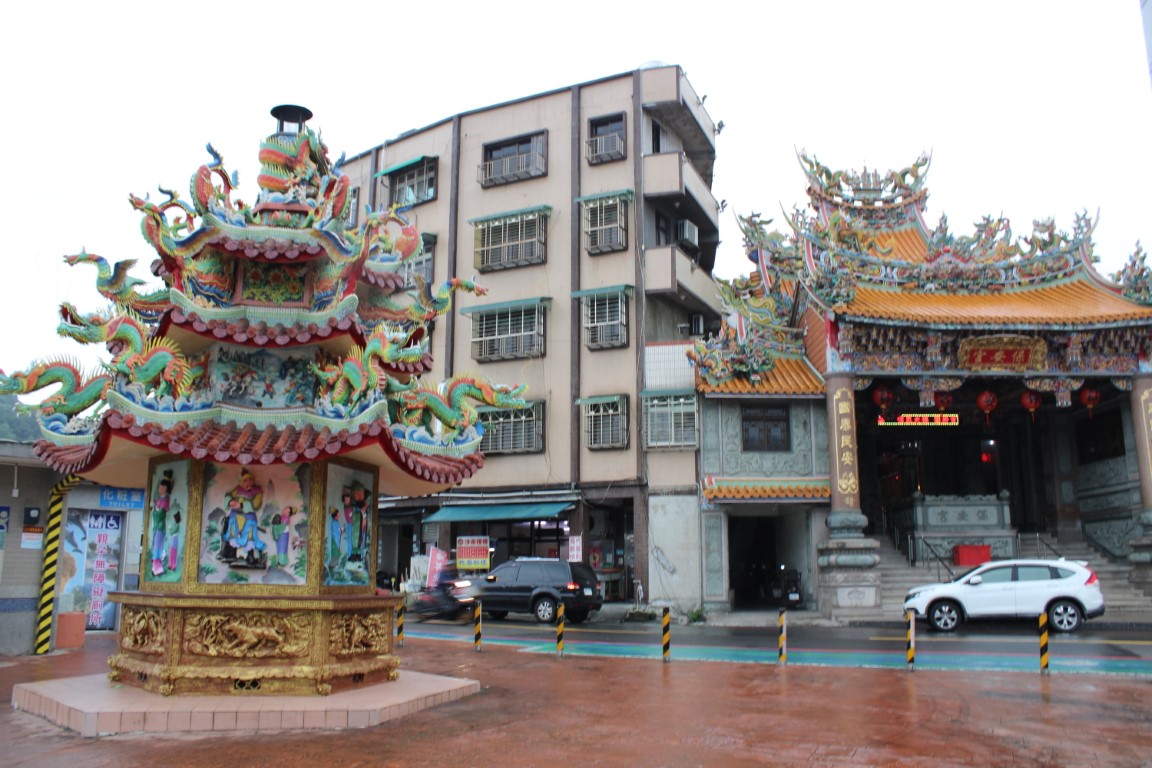
Dawn rain has washed the city of its dust;
  The refreshed hotel willows tremble in a gust.
 My friendly advice, you dry up another glass,
  You have no acquaintance beyond The Jade Gate Pass.
Dawn rain has washed the city of its dust;
The refreshed hotel willows tremble in a gust.
My friendly advice, you dry up another glass,
You have no acquaintance beyond The Jade Gate Pass.
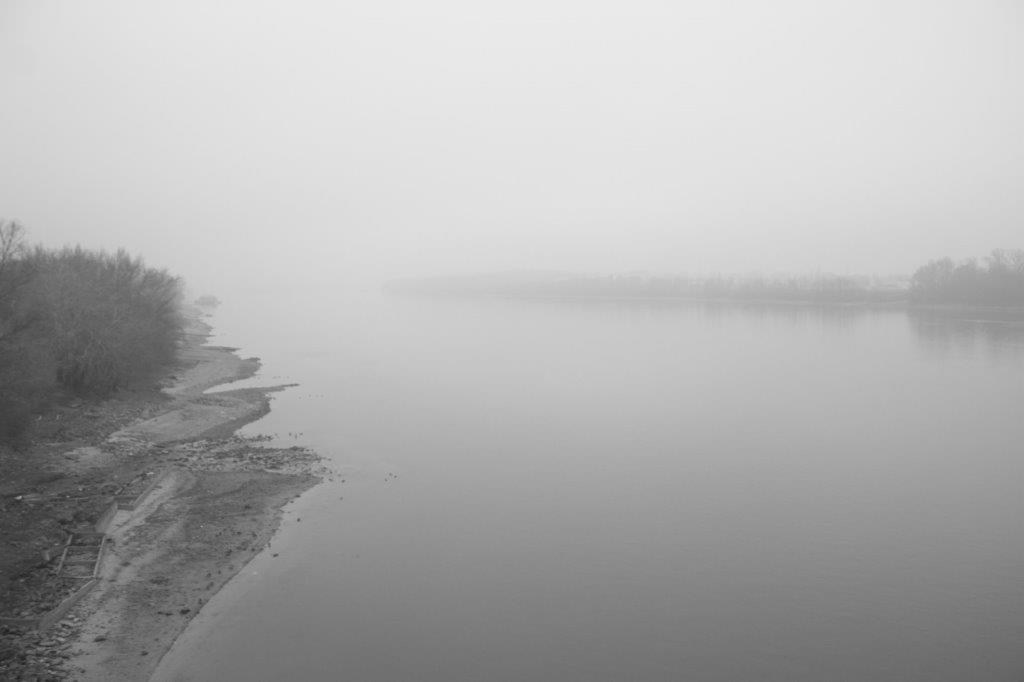
A cold rain blurs the edges of the river.
 Night enters Wu.
 In the level brightness of dawn
 I saw my friend start alone for the Ch'u mountain.
  I gave him this message for my friends and relations:
  My heart is a piece of ice in a jade cup.
This is the Amy Lowell translation of a poem by Tang Dynasty Poet, Wang Changling (王昌齡) --a.k.a. Shaobo (少伯)
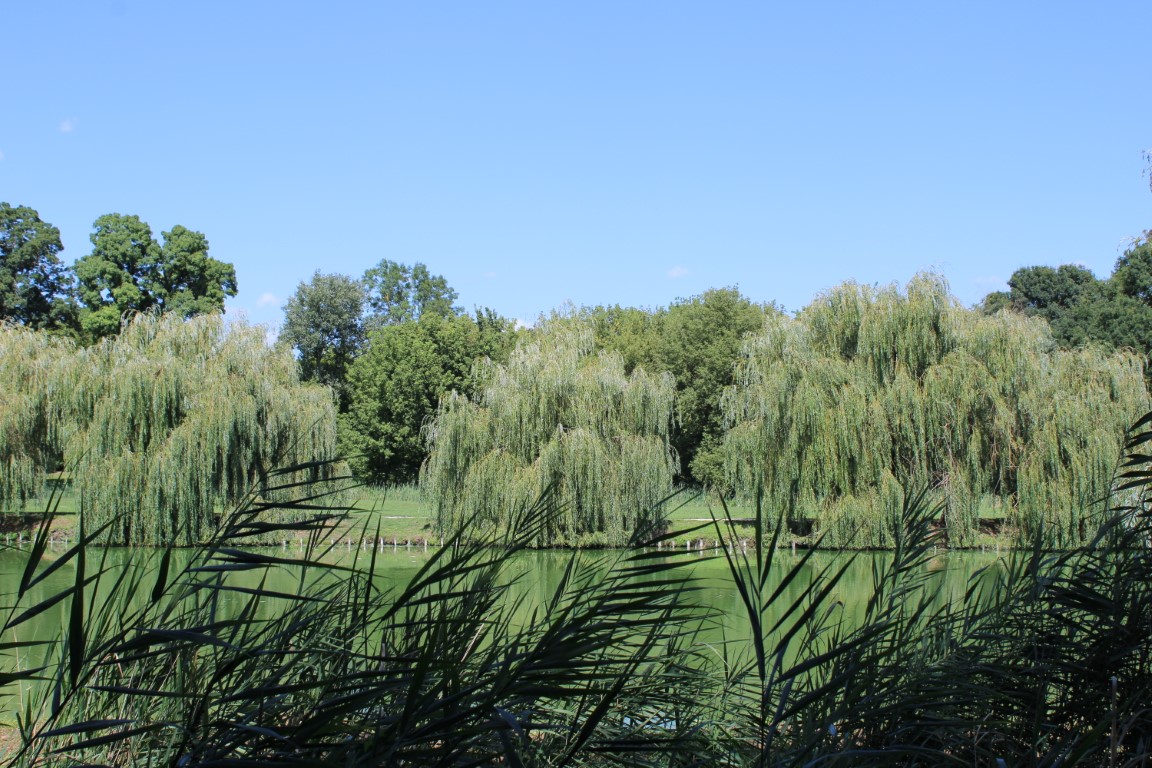
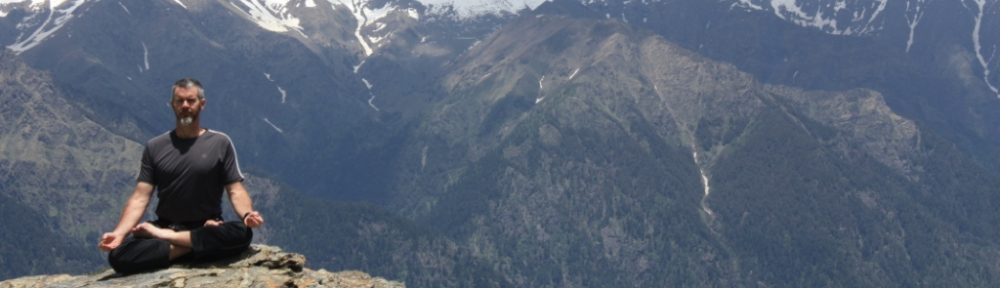
All wish to return,
   Hoping others will come:
 A clear water ride
 Where strange flowers bud,
   And lime-green parrots fly
   The willows, to and from --
 The mountain folk arrive
   Deep bowls fill with wine...
 To take a life beyond
   And not end in ash,
   But still be of nature;
 Who's up to that task?
NOTE: The late Tang Dynasty poet, Sikong Tu (a.k.a. Ssŭ-k‘ung T‘u,) wrote an ars poetica entitled Twenty-Four Styles of Poetry. It presents twenty-four poems that are each in a different tone, reflecting varied concepts from Taoist philosophy and aesthetics. Above is a crude translation of the thirteenth of the twenty-four poems. This poem’s Chinese title is 精神, and it has been translated as: “Essential,” “Animal Spirits,” and “Spirit.”
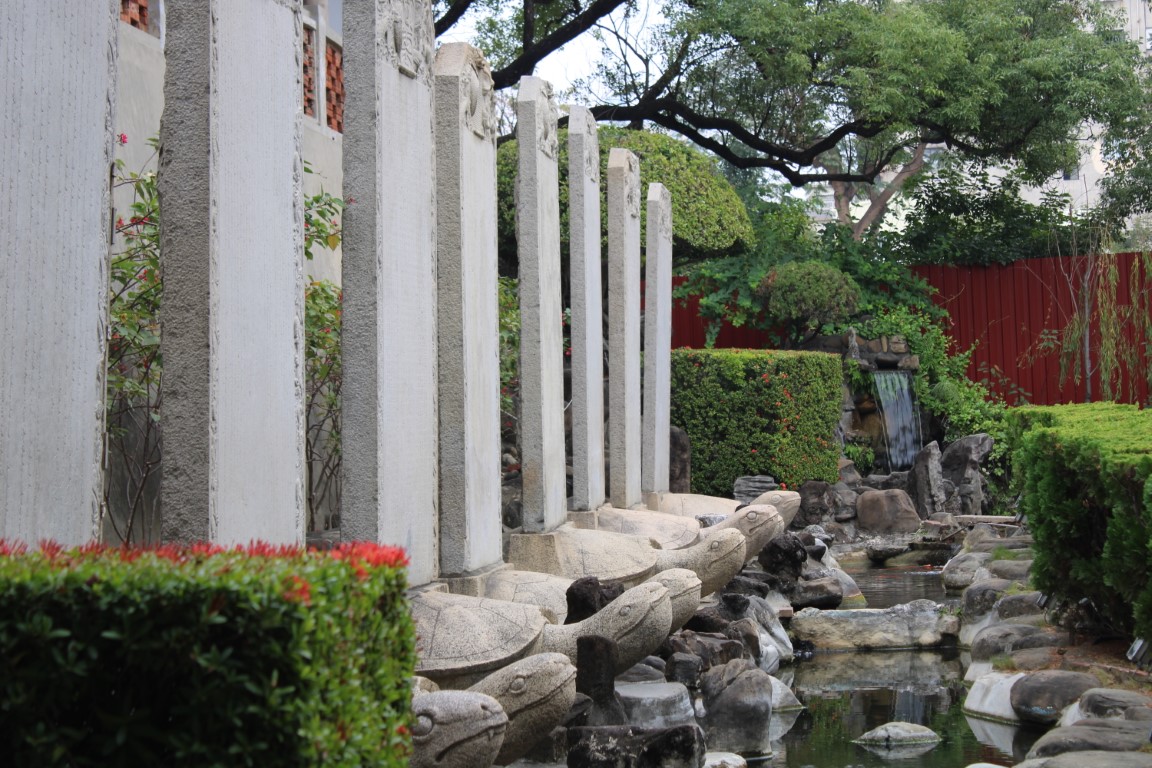
View flowers like a bandit;
  Let nature flow through you,
  Breathing in the Great Way
  As you let your crazy brew.
 Wander like the free winds --
  Sea and mountain in gray-blue.
  Feel true power overflow,
  As all nature lives through you.
 Before: sun, moon, and stars;
  Behind: the one from two.
  By dawn, sea turtles have gone,
  Soak your feet where they withdrew.
NOTE: The late Tang Dynasty poet, Sikong Tu (a.k.a. Ssŭ-k‘ung T‘u,) wrote an ars poetica entitled Twenty-Four Styles of Poetry. It presents twenty-four poems that are each in a different tone, reflecting varied concepts from Taoist philosophy and aesthetics. Above is a crude translation of the eleventh of the twenty-four poems. This poem’s Chinese title is 豪放, which has been translated to “Free,” “Set Free,” and “Broad-minded” in various English language translations.
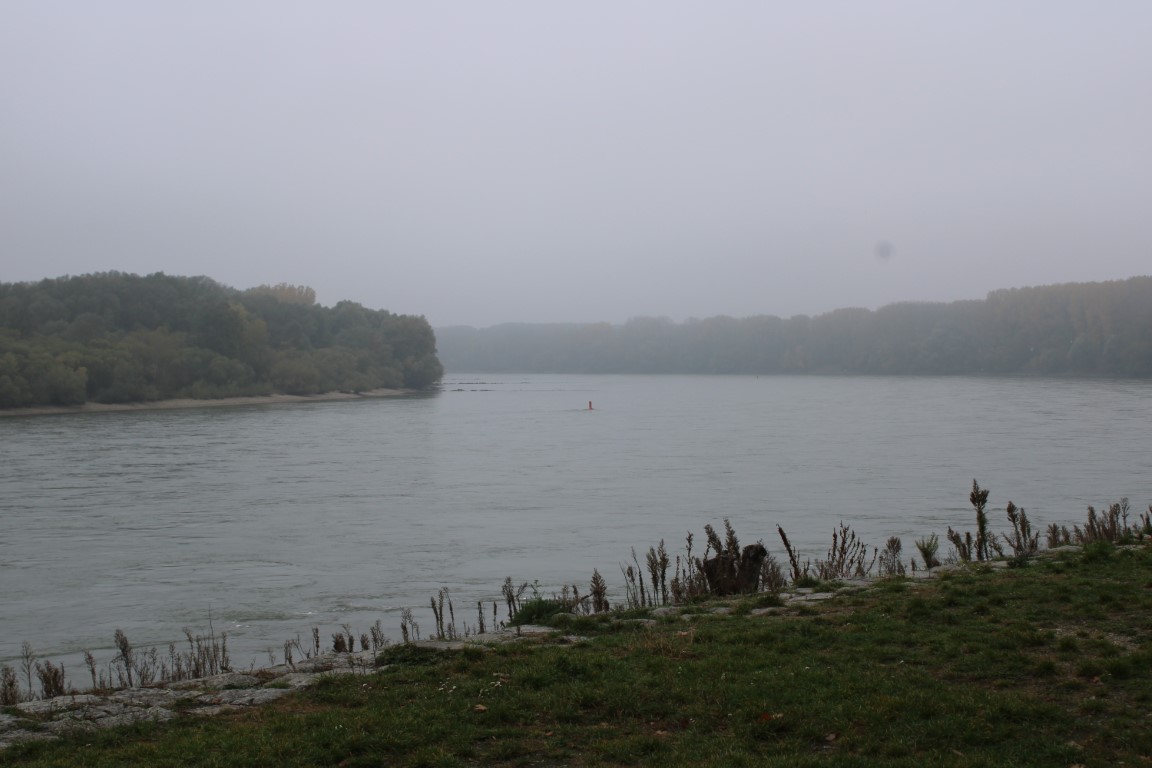
I still remember drinking on the Bridge of Noon
   With bright wits of the day.
 The silent moon
   On endless river rolled away.
 In lacy shadows cast by apricot flowers
   We played our flutes till morning hours.

O'er twenty years have passed like dreams;
   It is a wonder that I'm still alive.
 Carefree, I mount the tower bathed in moonbeams.
   So many things passed long
      Ago survive
   Only in fishermen's midnight song.
Translation: This Song Dynasty poem was translated by Xu Yuanchong in: Xu Yuanchong [translator]. 2021. Deep, Deep the Courtyard. [庭院深深.] Cite Publishing: Kuala Lumpur, p. 212-213
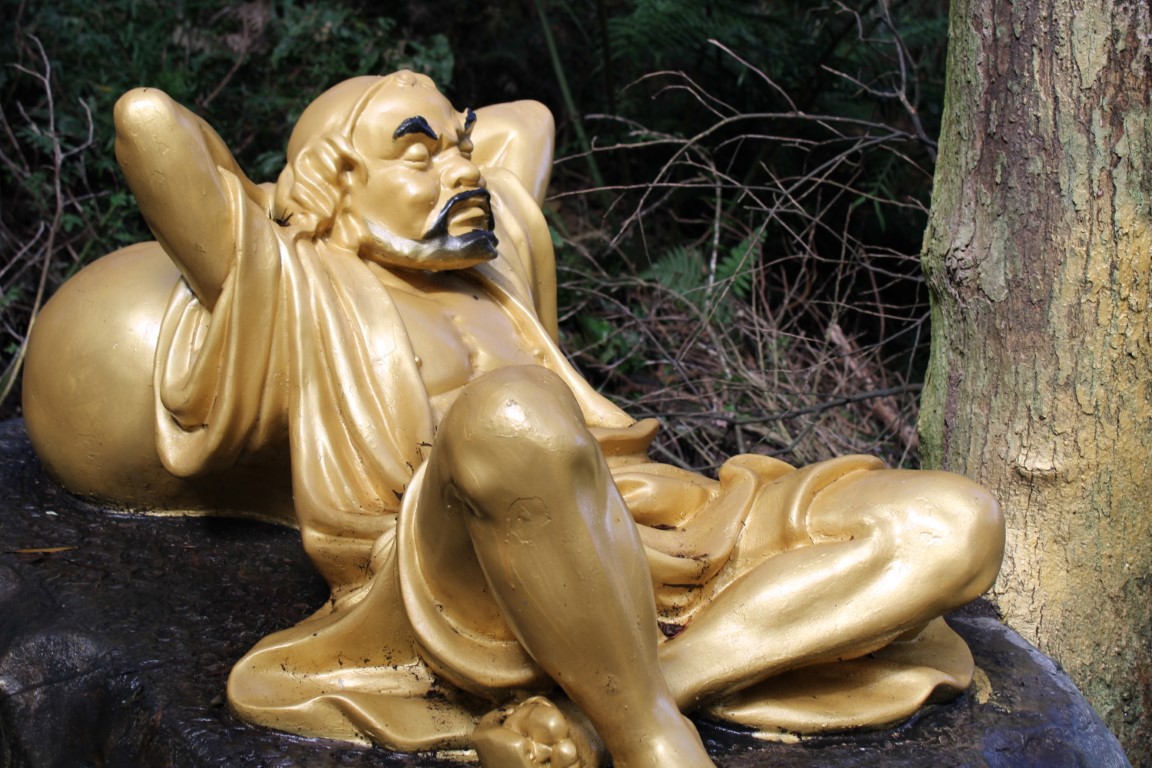
When one makes god of wealth,
 Light glows from yellow "gold,"
 But the lavish withers --
 Even as its deeps take hold.

Fog at the river's edge.
 Red apricots, woods enfold.
 Moon shine on bower's flowers.
 Painted bridge in green shadow.
 An old bowl full of wine,
 As a friend's lute song unfolds.
Make your bliss of such things,
 And they will be your true gold.
NOTE: The late Tang Dynasty poet, Sikong Tu (a.k.a. Ssŭ-k‘ung T‘u,) wrote an ars poetica entitled Twenty-Four Styles of Poetry. It presents twenty-four poems that are each in a different tone, reflecting varied concepts from Taoist philosophy and aesthetics. Above is a crude translation of the ninth of the twenty-four poems. This poem’s Chinese title is 绮丽, and its translated titles include: “Beautiful,” “Intricate,” and “Embroideries.”
 Thirty-Six Stratagems: Bilingual Edition, English and Chinese 三十六計: The Art of War Companion, Chinese Strategy Classic, Includes Pinyin by Sun Bin
It's as if ones gone mining --
   From lead, silver refining.
 That's how one cleanses a heart:
   With pure love, not pining.

Like a pond from Spring rainfall:
   Mirror to heavens and all,
 Without defect of image --
   True as the moon's bright, white ball.

Stargazing across night skies;
   Singing songs of hermits, wise;
 The water flowing today
   Will know that bright moonrise.
NOTE: The late Tang Dynasty poet, Sikong Tu (a.k.a. Ssŭ-k‘ung T‘u,) wrote an ars poetica entitled Twenty-Four Styles of Poetry. It presents twenty-four poems that are each in a different tone, reflecting varied concepts from Taoist philosophy and aesthetics. Above is a crude translation of the seventh of the twenty-four poems. This poem’s Chinese title is 洗炼, and it has been variously entitled: “Clean,” “Refining,” and “Wash — Smelt.”
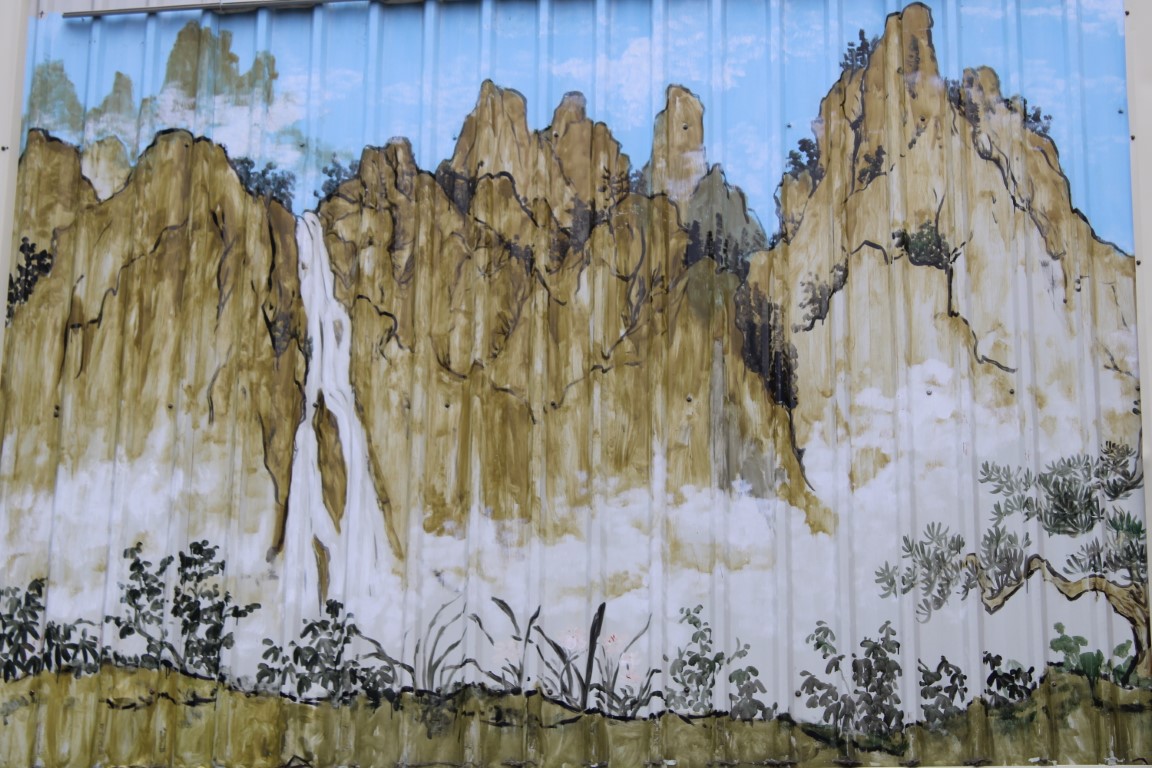
Immortals ride truth
   With lotus in hand,
 As chaos unfolds
   Unlogged above land.

Moonrise in the East
   As good winds are fanned.
 Hill shrine in blue night,
   Bell rings clear and grand.

The god is now gone
   Beyond border lands
 Huangdi* is not there
   Great Age to wasteland.
NOTE: The late Tang Dynasty poet, Sikong Tu (a.k.a. Ssŭ-k‘ung T‘u,) wrote an ars poetica entitled Twenty-Four Styles of Poetry. It presents twenty-four poems that are each in a different tone, reflecting varied concepts from Taoist philosophy and aesthetics. Above is a crude translation of the fifth of the twenty-four poems. This poem’s Chinese title is 高古 (Gāo Gǔ,) and it was translated as “Height – Antiquity” by Herbert Giles.
*Huangdi is a name for the Yellow Emperor that is more syllabically friendly than “Yellow Emperor.” In a great oversimplification for the sake of speed and alignment of context, the Yellow Emperor was China’s King Arthur — a mythical leader of great virtue and heroism. The Tang emperors tried to trace lineages back to the Yellow Emperor, but such imagined linkages to the perfect leader are hard to maintain when an Emperor like Xuanzong crashes the ship of state.
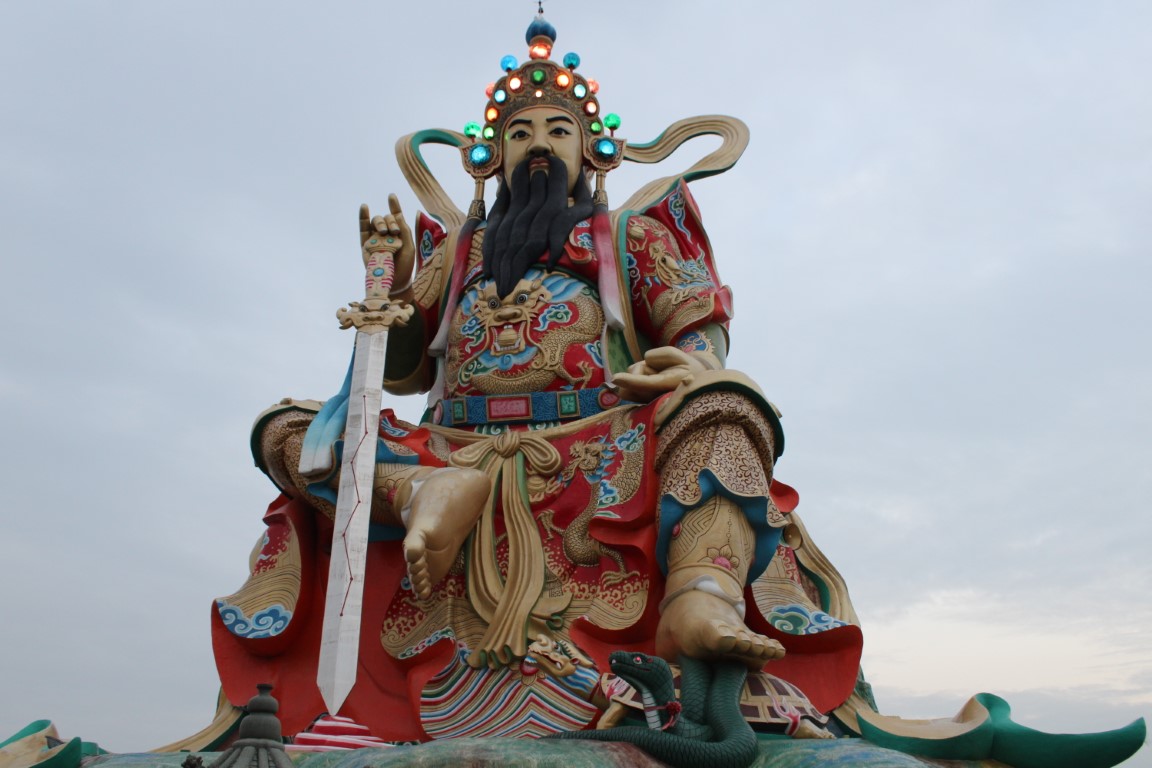
Ten years honing this fine blade,
   And it has not drawn blood.
 Now, you'll see of what we're made:
   Who, wronged, is owed in blood?
The Original: 劍客: 十年磨一劍, 霜刃未曾試. 今日把示君, 誰有不平事.


 Tiger Riding for Beginners