
Wild nights -- Wild nights!
   Were I with thee
 Wild nights should be
   Our luxury!

Futile -- the winds --
   To a Heart in port --
 Done with the Compass --
 Done with the Chart!

Rowing in Eden --
    Ah -- the Sea!
 Might I but moor - tonight -
 In thee!

Wild nights -- Wild nights!
Were I with thee
Wild nights should be
Our luxury!
Futile -- the winds --
To a Heart in port --
Done with the Compass --
Done with the Chart!
Rowing in Eden --
Ah -- the Sea!
Might I but moor - tonight -
In thee!
My mistress' eyes are nothing like the sun;
 Coral is far more red than her lips' red;
 If snow be white, why then her breasts are dun;
 If hairs be wires, black wires grow on her head.
I have seen roses damasked, red and white,
 But no such roses see I in her cheeks;
 And in some perfumes there is more delight
 Than in the breath that from my mistress reeks.
I love to hear her speak, yet well I know
 That music hath a far more pleasing sound;
 I grant I never saw a goddess go;
 My mistress, when she walks, treads on the ground.
   And yet, by heaven, I think my love as rare
   As any she belied with false compare.
The building blocks of everything --
   Too fine to feel or see or smell --
 Dance their way into hardened shapes
   Via forces, invisible.
 And so water flows, flowers bud,
   But - also - dew evaporates.
 This expansive path stretches on --
   It's slow-going through dark lands.
 It can't be spoken of smartly.
 It can't be pondered fruitfully.
 It's Early Spring green in sunlight,
   Or like the snow seen by moonlight.
NOTE: The late Tang Dynasty poet, Sikong Tu (a.k.a. Ssŭ-k‘ung T‘u,) wrote an ars poetica entitled Twenty-Four Styles of Poetry. It presents twenty-four poems that are each in a different tone, reflecting varied concepts from Taoist philosophy and aesthetics. Above is a translation of the fourteenth of the twenty-four poems. Translated titles vary: Giles calls it “Close Woven” and others have titled it, “Fine.”

This darksome burn, horseback brown,
 His rollback highroad roaring down,
 In coop and in comb the fleece of his foam
 Flutes and low to the lake falls home.

A windpuff-bonnet of fawn-froth
 Turns and twindles over the broth
 Of a pool so pitchblack, fell frowning,
 It rounds and rounds Despair and drowning.

Degged with dew, dappled with dew
 Are the groins of the braes that the brook threads through.
 Wiry heathpacks, flitches of fern,
 And the beadbonny ash that sits over the burn.

What would the world be, once bereft
 Of wet and of wildness? Let them be left,
 O let them be left, wildness and wet;
 Long live the weeds and the wilderness yet.
Beginning my studies, the first step pleas'd me so much,
 The mere fact, consciousness -- these forms -- the power of motion,
 The least insect or animal -- the senses -- eyesight -- love;
 The first step, I say, aw'd me and pleas'd me so much,
 I have hardly gone, and hardly wish'd to go, any further,
 But stop and loiter all the time, to sing it in ecstatic songs.
Without a word,
   The gist is grasped.
 With no wails or soft sobs,
   Sadness spreads heart-to-heart.
 There is an enigmatic Prime Mover
   With whom each of us either sinks or floats.
 Dregs of rustic wine in a fine strainer.
 Buds on the cusp of bloom turned back by cold.
 Dust motes spreading by Brownian motion.
 Sea spume floating and tumbling onto shore.
    Shallow, deep, cohering, or scattering.
 Of ten thousand, any sample will do.
NOTE: The late Tang Dynasty poet, Sikong Tu (a.k.a. Ssŭ-k‘ung T‘u,) wrote an ars poetica entitled Twenty-Four Styles of Poetry. It presents twenty-four poems that are each in a different tone, reflecting varied concepts from Taoist philosophy and aesthetics. Above is a translation of the twelfth of the twenty-four poems. Translated titles vary: Herbert Giles entitled this one “Conservation,” whereas Tony Barnstone and Chou Ping called it “The Implicit Style.”
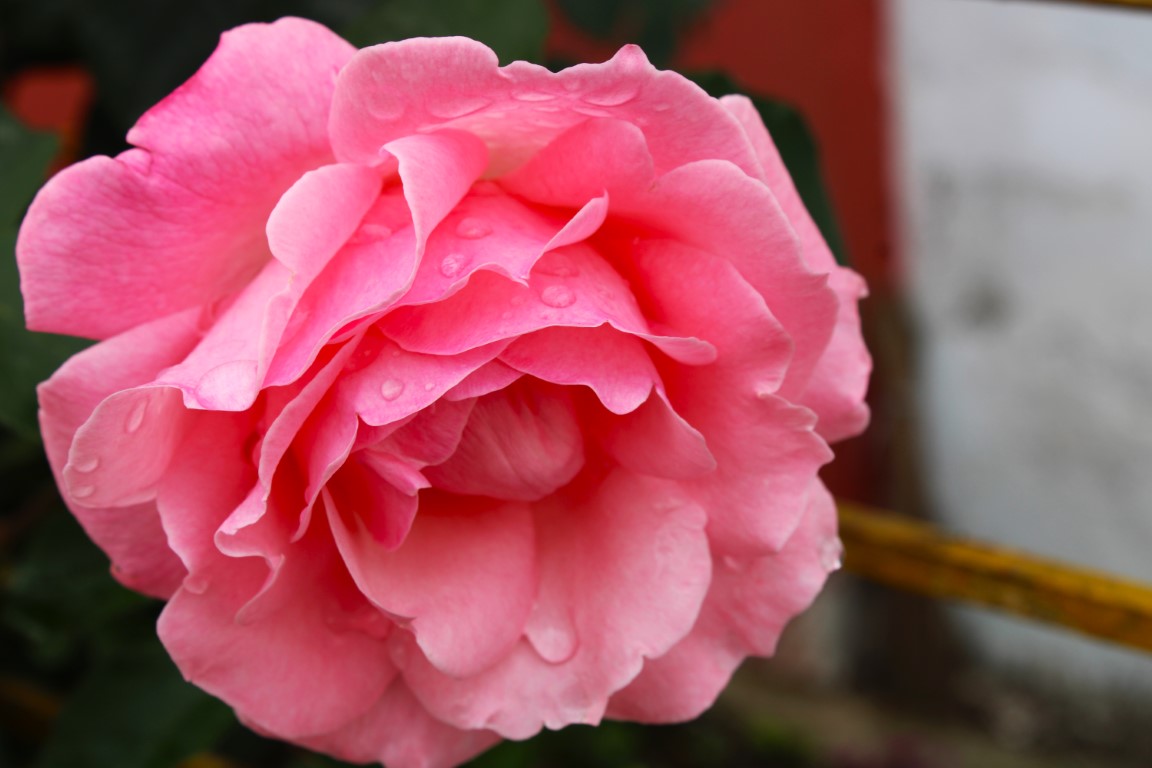
O Rose thou art sick.
 The invisible worm
 That flies in the night
 In the howling storm,

Has found out thy bed
 Of crimson joy:
 And his dark secret love
 Does thy life destroy.
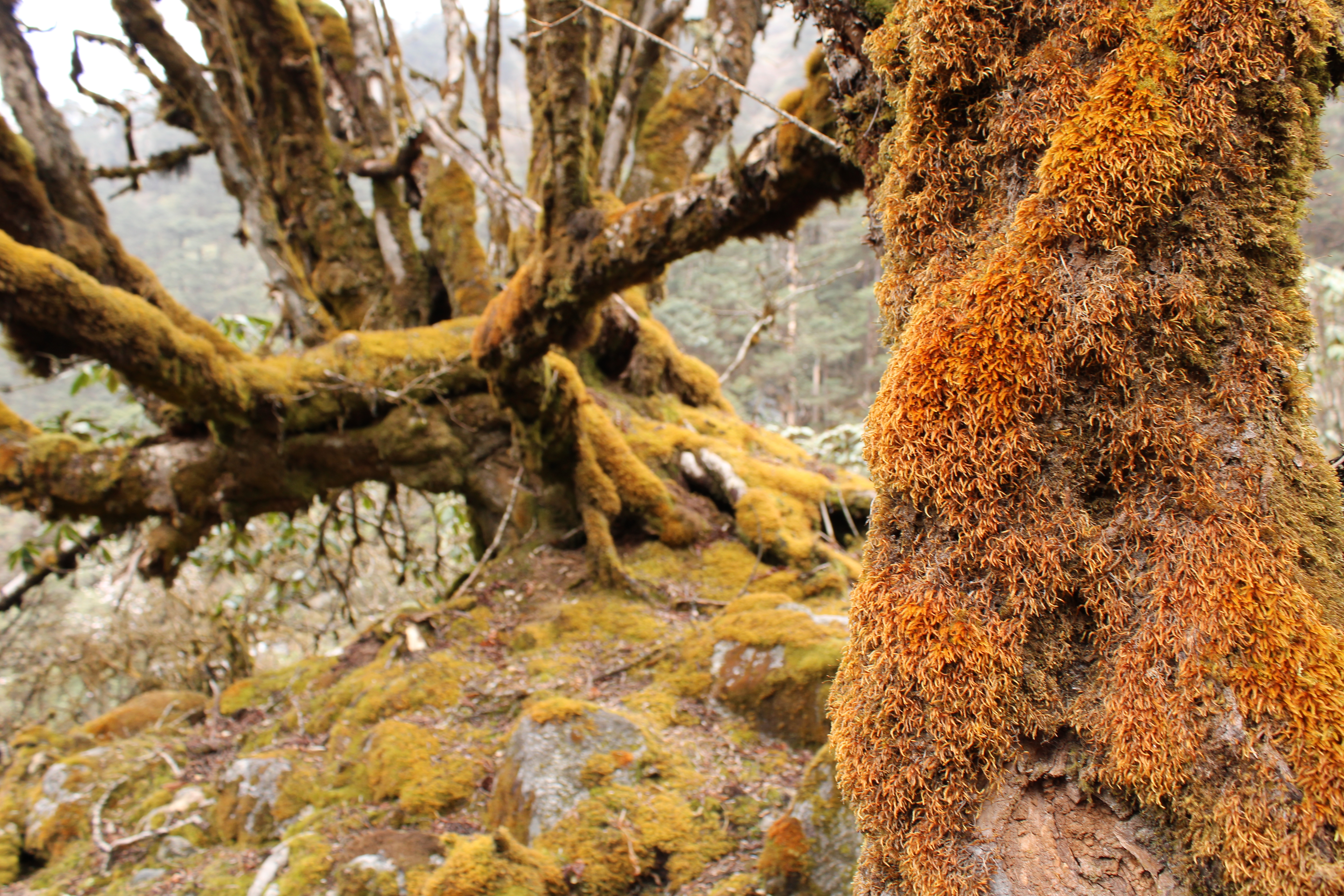
Be not afeard: the isle is full of noises,
 Sound and sweet airs, that give delight, and hurt not.
 Sometimes a thousand twangling instruments
 Will hum about mine ears; and sometimes voices,
 That, if I then had wak'd after long sleep,
 Will make me sleep again: and then, in dreaming,
 The clouds methought would open and show riches
 Ready to drop upon me; that, when I wak'd
 I cried to dream again.
NOTE: In The Tempest, Act III: Scene 2, Caliban speaks these words to Stephano and Trinculo.
The night is clear, even pristine --
   A nightscape in silver moonlight.
 "Yes, please! Pour me a bowl of wine.
   Don't skimp! take it up to the brim."
 And why should I chase wealth and fame
   When it is sure to end in vain?
 Events pass like a horse's sigh,
   A spark on stone, or dream travel.
 I can put out my ideas,
   But who'll accept them as the truth?
 Why shouldn't I just live happily
   And innocently, like a child?
 I could go back to carefree days
   When life's trifles weren't torturesome.
 Just me, my lute, a pot of wine,
   And the stories drawn by the clouds.
NOTES: Song Dynasty Poet, Su Shi, was also known as Su Dongpo. The translated title of this poem also varies. In Deep, Deep the Courtyard, translated by Xu Yuanchong, it is entitled, “Song of Pilgrimage.”

There was never a sound beside the wood but one,
 And that was my long scythe whispering to the ground.
 What was it it whispered? I knew not well myself;
 Perhaps it was something about the heat of the sun,
 Something, perhaps, about the lack of sound --
 And that was why it whispered and did not speak.
 It was no dream of the gift of idle hours,
 Or easy gold at the hand of fay or elf:
 Anything more than the truth would have seemed too weak
 To the earnest love that laid the swale in rows,
 Not without feeble-pointed spikes of flowers
 (Pale orchises), and scared a bright green snake.
 The fact is the sweetest dream that labor knows.
 My long scythe whispered and left the hay to make.


 Tiger Riding for Beginners