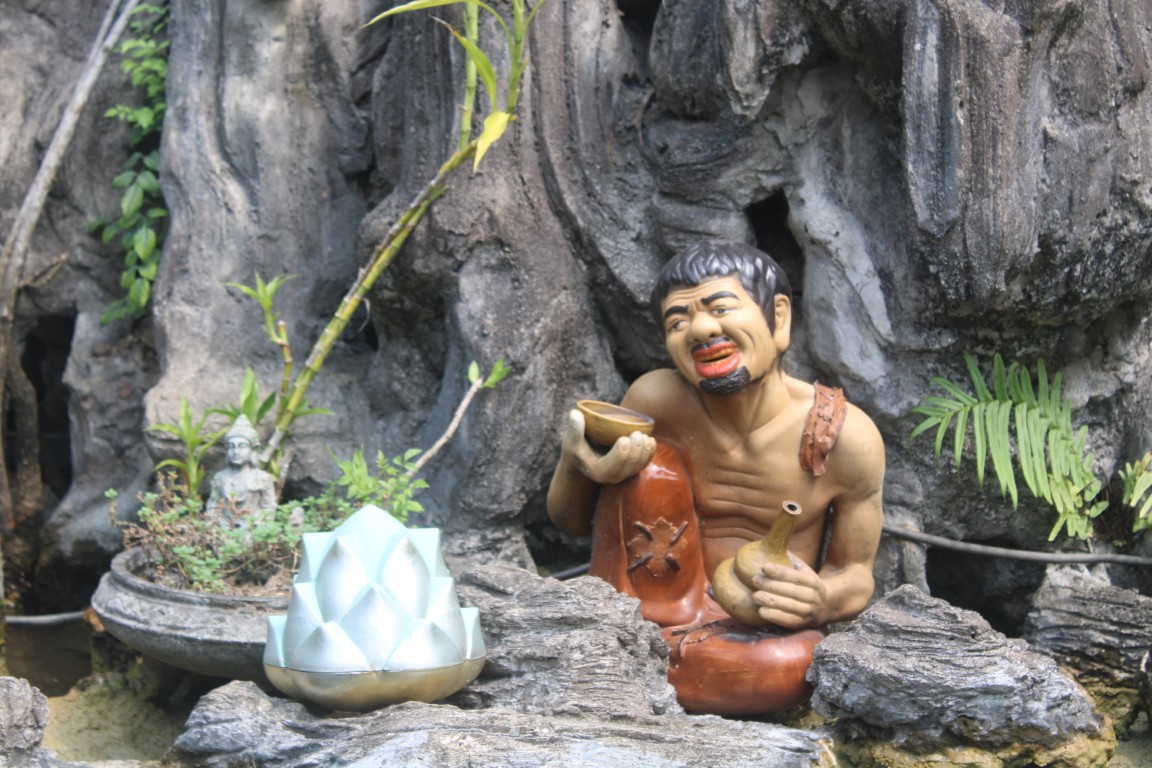
Calabash Time [Kyōka]

bowl in the right
calabash in the left:
drunkard empties
& then fills his cup --
amid missing time.
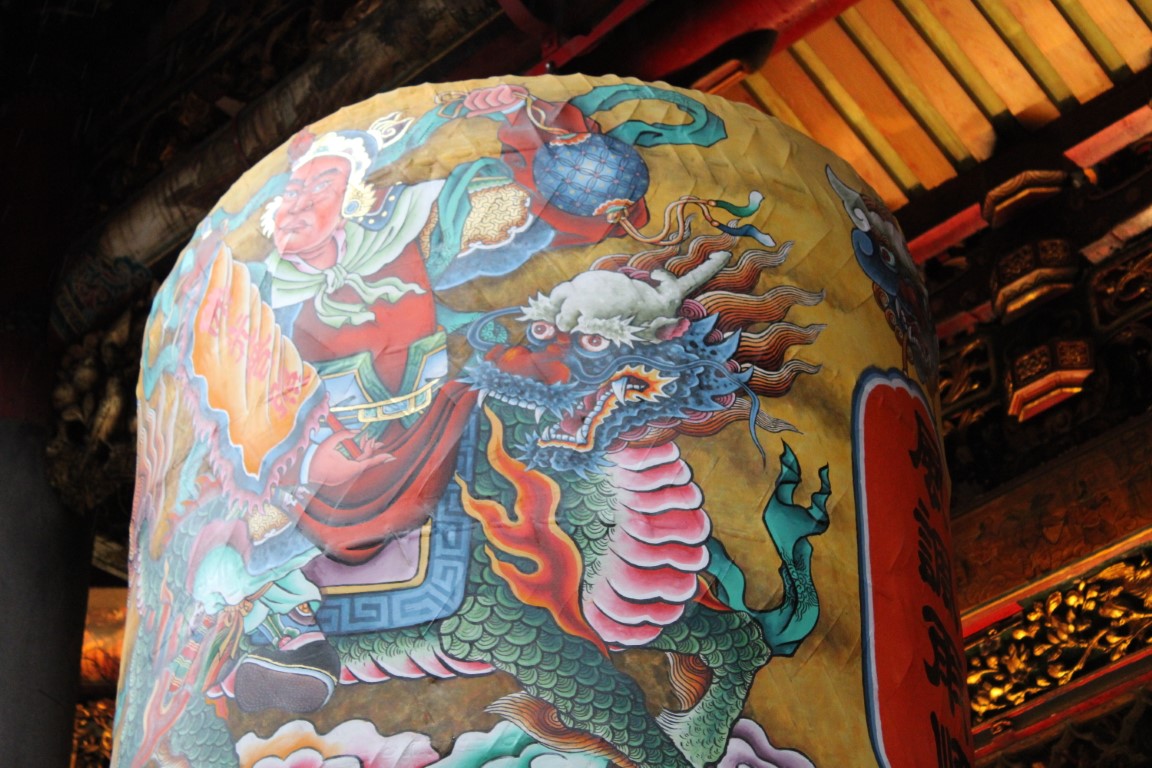
Dragon Rider Limerick

There once was a rider of dragons
Who drank alcohol by the flagon,
But dragons are mythic,
So, there was an uptick
In rides when he fell off the wagon.
“I taste a liquor never brewed” (214) by Emily Dickinson [w/ Audio]

I taste a liquor never brewed --
From Tankards scooped in Pearl --
Not all the Frankfort Berries
Yield such an Alcohol!

Inebriate of air -- I am --
And Debauchee of Dew --
Reeling -- thro' endless summer days --
From inns of molten blue --

When "Landlords" turn the drunken Bee
Out of the Foxglove's door --
When Butterflies -- renounce their "drams" --
I shall but drink the more!

Till Seraphs swing their snowy Hats --
And Saints -- to windows run --
To see the little Tippler
Leaning against the -- Sun!
“Drinking” by Abraham Cowley [w/ Audio]

The thirsty Earth soaks up the Rain,
And drinks, and gapes for drink again.
The Plants suck in the Earth, and are
With constant drinking fresh and faire.
The Sea itself, which one would think
Should have but little need of Drink,
Drinks ten thousand Rivers up,
So fill'd that they o'erflow the Cup.
The busy Sun (and one would guess
By 's drunken fiery face no less)
Drinks up the Sea, and when he's done,
The Moon and Stars drink up the Sun.
They drink and dance by their own light,
They drink and revel all the night.
Nothing in Nature 's Sober found,
But an eternal Health goes round.
Fill up the Bowl then, fill it high,
Fill all the Glasses there, for why
Should every creature drink but I,
Why, Man of Morals, tell me why?
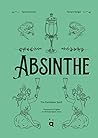
BOOKS: Absinthe by Tania Brasseur & Tamara Berger

Absinthe: The Forbidden Spirit: An Intoxicating History of the Green FairyAbsinthe: The Forbidden Spirit: An Intoxicating History of the Green Fairy by Tania Brasseur
My rating: 4 of 5 stars

Amazon.in Page

Release Date: February 27, 2024

The biography of a beverage might not seem exhilarating, but absinthe has no ordinary history. It rose from obscurity as a regional drink indigenous to parts of France and Switzerland to international celebrity by becoming popular with artistic geniuses of the era — e.g. Oscar Wilde. Some of whom credited the drink with more than just a pleasant tipsy sensation. Then it received its own prohibition while other alcoholic beverages remained perfectly legal. Of course, as with other prohibitions, Absinthe’s legend rose and taste for it didn’t disappear. Eventually, its prohibition ended, and absinthe was freed to have a second life.

This book is primarily a history of absinthe’s rollercoaster ride existence. However, it also discusses wormwood and other prominent ingredients, the distillation process, as well as the mythology that grew up around the beverage.

If you’re curious about the beverage and its mythos, I’d recommend you give this book a look.

View all my reviews

Green Fairy [Free Verse]

Bohemians
   gathered around 
   the absinthe bottles,
  the light hitting 
   the bottles shone
   a radioactive shade
   of green.

That green light
   threw blotches
  against walls &
 floors & people &
  anything else there
  was to illuminate.

The more they drank,
 the less green the mottling --
  not because the empty glass 
   was clear, &
 didn't refract, or spray green,
   but because the splotches
  turned every color --
   every color there is --
  and the colors danced
   around the increasingly 
  amorphous surfaces.

 Until, at last,
  everyone was asleep,
 and visions of Green Fairies
  danced in their dreams. 
Beerplugs [Limerick]

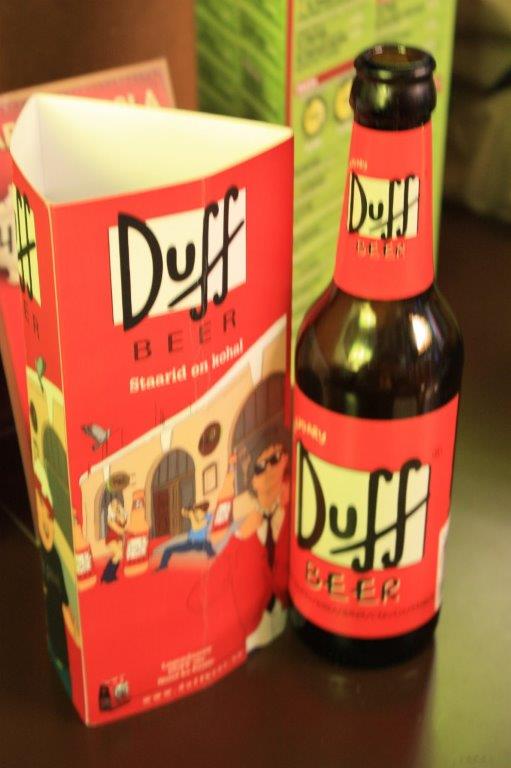
There was a man with a fondness for beer.
There was nothing else that he held so dear.
Beer-goggles were his Cupid,
& beerplugs muted his stupid:
though it remained for the plugless to hear.
Drunkard’s Walk [Haiku]

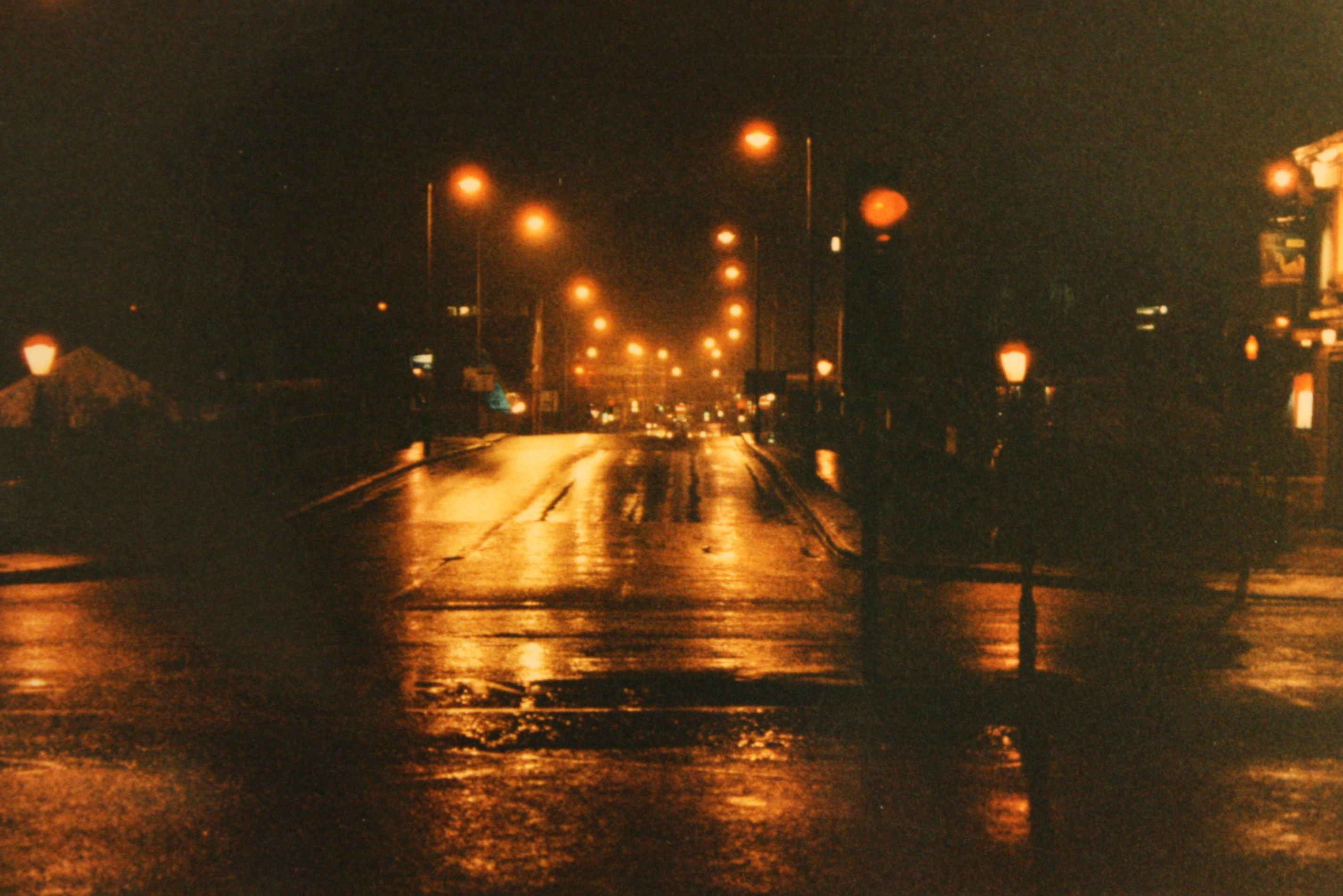
a drunkard strolls,
reciting mangled poetry:
streetlamp as spotlight

BOOK REVIEW: Drunk Flies and Stoned Dolphins by Oné R. Pagán

Drunk Flies and Stoned Dolphins: A Trip Through the World of Animal IntoxicationDrunk Flies and Stoned Dolphins: A Trip Through the World of Animal Intoxication by Oné R. Pagán
My rating: 5 of 5 stars

Amazon.in Page

Humanity’s proclivity to think ourselves above nature has led us to miss the fact that we aren’t the only intelligent creatures and that we share more in common with the rest of the animal kingdom than – perhaps – we’d like to think. Science’s recognition of this truth has spawned a vast collection of books on animal (and, for that matter, plant) intelligence as well as the other traits we share in common with different species. This book carves out an interesting niche in this literature by discussing how other creatures use psychoactive substances (i.e. what we think of as “drugs and alcohol.”) While people tend to think that we are alone not only with respect to intelligence, but also with respect to our vices, it turns out this doesn’t seem to be the case. Of course, there’s a lot we don’t know about dolphins that play with blowfish or monkeys on magic mushrooms – e.g. what their internal experience of the substance is like, and to what degree consumption is purposeful versus accidental, but there is an increasing number of studies that suggest other species use drugs, and like it. The book also delves into the role plants play, particularly in producing substances that have psychoactive effects.

This book is humorous (the material is certainly there) and intriguing. It’s an easy pop science read, and avoids becoming too bogged down in the minutiae of biochemistry. That said, it does include graphics, such as chemical diagrams of psychoactive molecules, and does have to dip its toe into concepts of biology and chemistry. If you find the topic intriguing, you should give it a read.

View all my reviews

BOOK REVIEW: The Drunken Botanist by Amy Stewart

The Drunken Botanist: The Plants That Create the World's Great DrinksThe Drunken Botanist: The Plants That Create the World’s Great Drinks by Amy Stewart
My rating: 5 of 5 stars

Amazon page


This book is about how plants are used in the making of alcoholic beverages from vegetative matter that serves as the primary ingredient in fermentation to obscure herbs and berries used to lend subtle flavoring. The book covers a lot of ground, being at once a guide to the chemistry of fermentation and distillation, a mixologist’s recipe book, and a guide to growing the plants used to make booze.

I will admit, if I weren’t such a neophyte to both subjects at hand – botany and alcoholic beverages – I probably wouldn’t have rated this book so highly. For me, almost every page offered new fun facts about alcoholic beverages, some of which I’ve consumed and many of which I never have. So if you have a high degree of understanding about one or both of these subjects, you may not find the book as intensely satisfying. Also, at times the book comes off a bit pretentiously – hardcore drunks probably don’t want to be shackled with so many rules for optimal alcoholic consumption (e.g. what type of glass they should drink a given drink from, etc.), but hardcore drunks are probably not a huge readership demographic. (It should also be noted that the reader gets some knowledge to fight pretentiousness as well, such as against gin drinkers who say they would never drink vodka when, in fact, they are drinking juniper berry-flavored vodka.)

The book consists of three parts. The first part describes fermentation and distillation and then offers two sub-parts dealing with the most everyday bases for alcoholic drinks (e.g. corn, grapes, potato, and wheat) as well as some of the more obscure and unusual objects of fermentation, respectively.

The second part delves into the plants that are added for flavoring or the like, and these are organized by: 1.) herbs and spices, 2.) flowers, 3.) trees, 4.) fruit, and 5.) nuts and seeds.

The final part gives some guidance on how some of these plants can be grown. It should be noted that this section is a bit thinner because a lot of information on growing the plants is covered in side-bars in the earlier sections and also this isn’t the book’s main thrust. The third part is similarly divided up between herbs, flowers, trees, berries & vines, and fruits & vegetables.

There are quite a few graphics, mostly in the form of line drawings, throughout the book – some are purely aesthetic and others are informative (e.g. drawings of plants.) There is also a recommended reading section that proposes further books to expand one’s understanding at the nexus of booze and plants. The book presents a lot of material in text boxes that set the information aside. These boxes include recipes, but also insights into how to best grow these plants with particularly emphasis given to how the process is optimized for those growing for beverage production (e.g. sometimes the optimal variety isn’t the most common variety.)

I enjoyed this book. It was readable, full of fun bits of information, and written in a light-hearted style. If you’re looking for a book on plants and alcoholic beverages, this is a good starting point. It doesn’t get too deep in the weeds but yet offers some obscure but amusing factoids.

View all my reviews