BOOK REVIEW: Knowledge: A Very Short Introduction by Jennifer Nagel

Knowledge: A Very Short IntroductionKnowledge: A Very Short Introduction by Jennifer Nagel
My rating: 5 of 5 stars

Amazon.in Page

This is a concise guide to epistemology, the study of knowledge and how knowing relates to believing (if at all) as well as to truth. After discussing the meaning and ubiquity of the word “knowledge,” the book explores a couple varieties of skepticism – the idea that there is nothing (or, at least, very little) that one can know with certainty. Skepticism is correct in a sense, but is also dissatisfying and arguably irrelevant, and this led to many attempts to produce a more nuanced understanding of knowledge. The book proceeds to evaluate the major contenders, rationalism (knowledge comes from reason) and empiricism (knowledge comes from experience,) pointing out the strengths and limitations of each.

The book next challenges the definition of knowledge as “justified true belief.” It considers how justification can be a problem through Gettier Problems – scenarios in which an individual is correct in their conclusion but incorrect in their justification. The author then questions what is justification and what are the problems with various approaches, explaining internalism, externalism, and testimony in the process. The book moves on to various sliding scale approaches – e.g. saying that it’s perfectly acceptable to say one knows something if it’s likely true and the stakes are small, whereas, if the stakes are large, one is forced to be more skeptical. The final chapter dives into the interface of psychology and epistemology, reflecting upon our intuitions and the biases reflected in them.

While the subject matter might seem dry, I felt the author did a great job of presenting scenarios by which one could more easily wrap one’s head around the ideas than one would be able to via abstract thinking. The writing style is clear and easy to follow.

If you’re looking to understand the challenges confronted in epistemology, this is a great book to start your study.


View all my reviews

BOOK REVIEW: Black Water Lilies by Michel Bussi; Adapted by Fred Duval

Black Water LiliesBlack Water Lilies by Fred Duval
My rating: 5 of 5 stars

Amazon.in Page

Release date: October 11, 2022

This is a murder mystery novel by Michel Bussi adapted into a graphic novel. It’s a bold move to transform it into a graphic novel because the story is so setting-dependent, that setting being the timeless tourist village of Giverny in France, a village that served as the model for many of the paintings of Monet. That said, the book worked for me. I found it engrossing from cover to cover.

A trio of police detectives arrives in Giverny to investigate the death of a man who was stabbed and subsequently bludgeoned, his corpse found in a picturesque stream. So, one has this small town where everyone knows everyone else — and the secrets and the rumors, except these outsider detectives who must learn what they can from questioning locals who are used to keeping things to themselves. The detectives aren’t even clear about whether the victim was done in by his womanizing, his attempts to acquire rare paintings, or some unknown cause. Therefore, they have to purse multiple lines of investigation at the same time.

I found the story to be well-crafted in terms of how information is concealed and revealed and how the loose-ends and anomalies are tied up in the end. The art is beautiful and green, and captures the scenic appeal of Giverny. Though I should note that I don’t read many mysteries and those who do and who have intense attention to detail might find problems that I missed altogether.

I’d highly recommend book. Those with an interest in art will find the book particularly intriguing.


View all my reviews

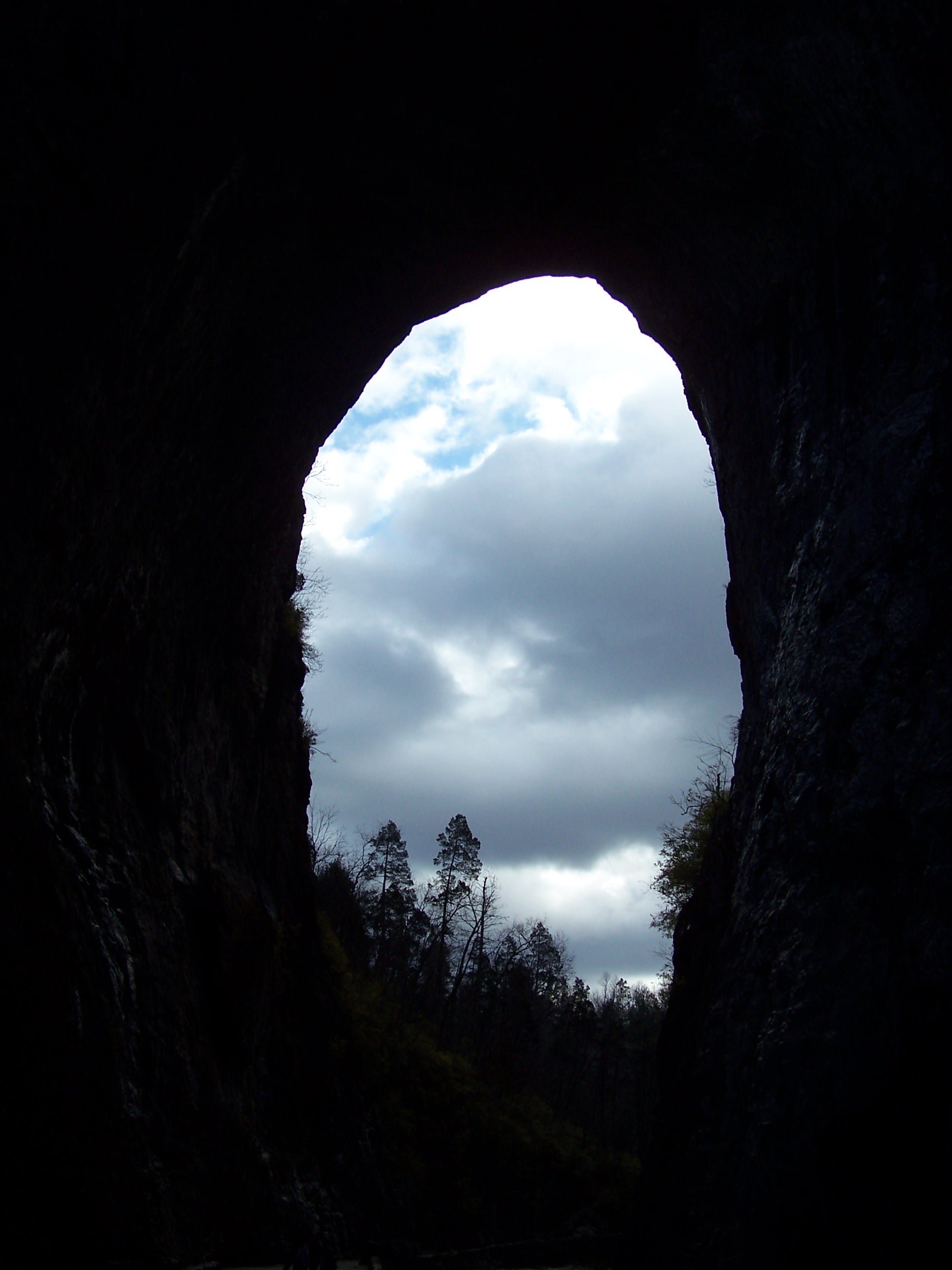
Into the Light [Free Verse]

crawling from the cave,
like Plato's untethered shadow man

a portal to perfection,
as perfect as anyplace can be:
meaning, it has depth
&
credibility

the day is cloudy,
and yet it's blinding,
blinding to eyes attuned to 
the light of dancing orange flames,
flames seen secondhand --
bounced off a wall,
a dark, dank wall

what amazing sights
must there be -
out there

don't disappoint me
now

DAILY PHOTO: Crane Fountain, National Orchid Garden

Taken in Singapore at the National Orchid Garden of the Singapore Botanic Gardens; October 2016

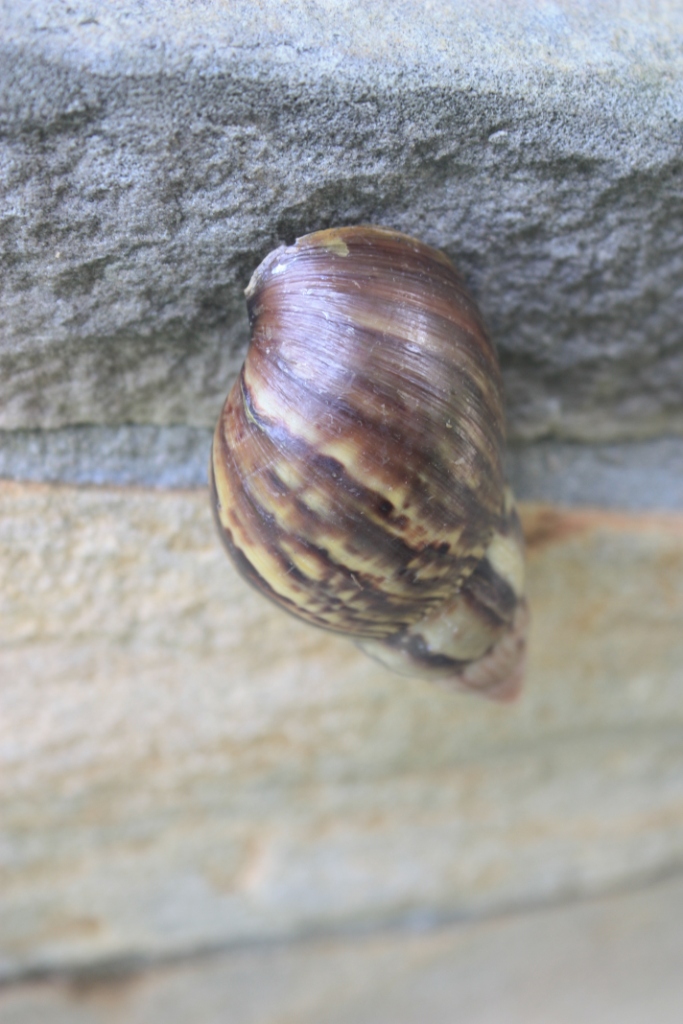
Snail Stealth [Haiku]

snail on a stone wall
remains still for hours on end;
on my next pass, gone

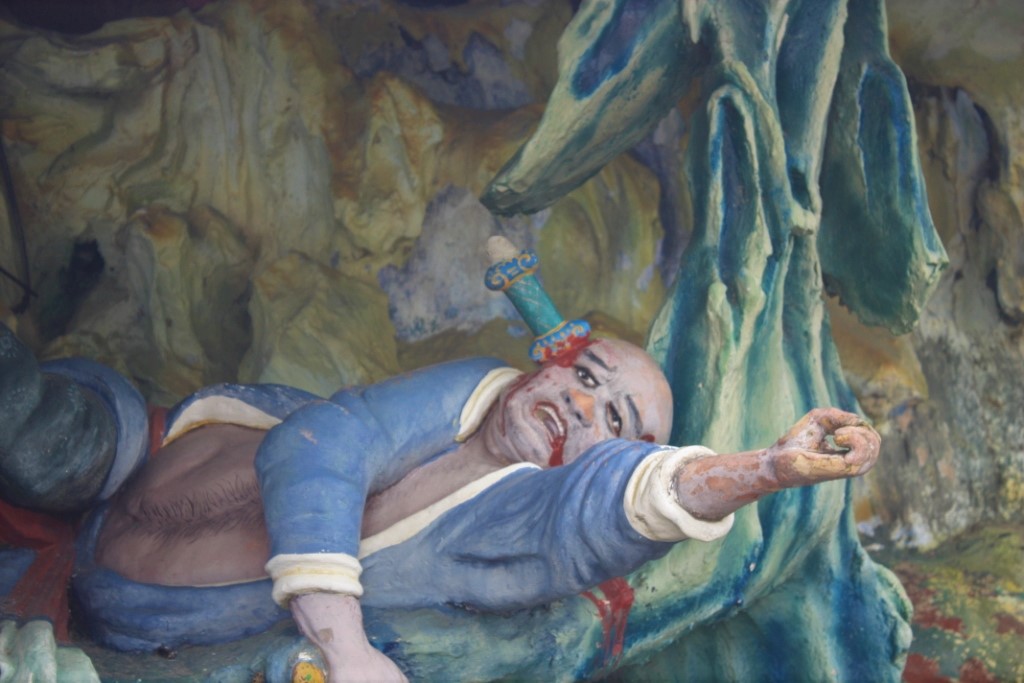
The Optimist [Limerick]

A man laid down with a wound to the head.
The doctor claimed he was already dead.
"It's really not so bad.
This one time I had
two swords in my brain," the optimist said. 

DAILY PHOTO: A Few Prominent Buildings of Washington DC

The Whitehouse; Taken in May of 2009
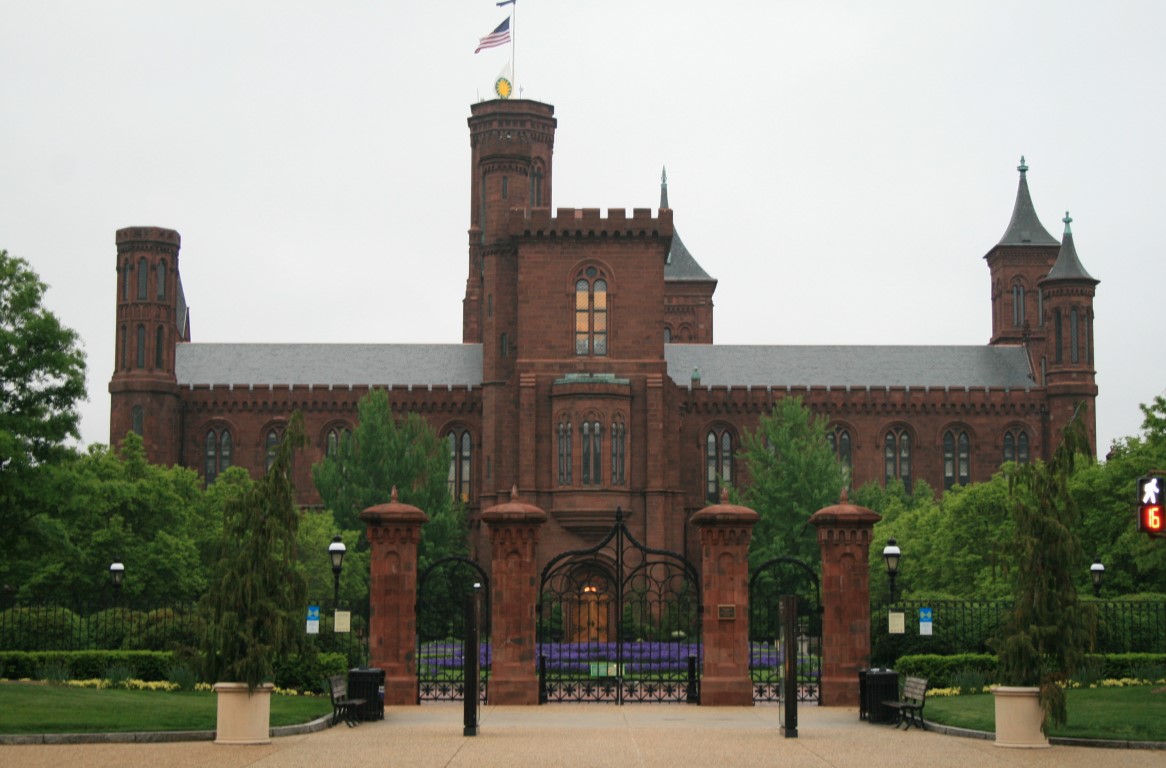
Smithsonian Institution; May 2009
Library of Congress; May 2009
Lincoln Memorial; May 2009
Federal Reserve; May 2009

Abbey Moon [Haiku]

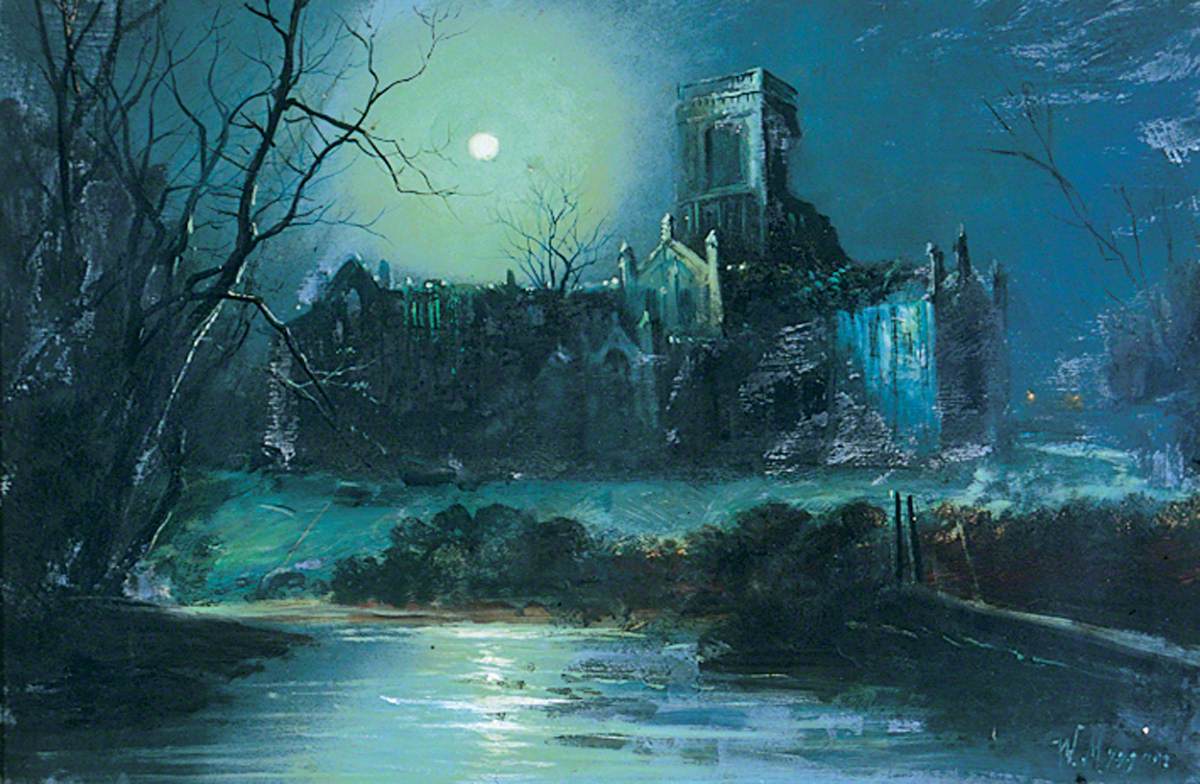
Kirkstall Abbey by Moonlight; Walter Linsley Meegan
(1899)
moonlight dances
upon the gliding waters,
before stout ruins

BOOK REVIEW: Bolero by Wyatt Kennedy

BoleroBolero by Wyatt Kennedy
My rating: 3 of 5 stars

Amazon.in Page

Release date: August 2, 2022

This speculative fiction graphic novel follows a struggling millennial, Devyn Dagny, as she leaps through parallel universes in search of a better life. This plot device, being presented with a key that allows one to escape one’s current world and try others on for size, is a brilliant way to show that one can’t fix one’s life by changing one’s scenery — one has to change one’s self. Otherwise, attempts to escape are just exercises in Einsteinian insanity (i.e. doing the same thing over and over and expecting different results.)

Unfortunately, I didn’t feel this was the lesson conveyed. It seemed like the lesson in question was that it’s impossible to escape one’s history and that world-hopping in the hope that some external environment will align to make everything perfect is a valid approach. In the back-matter there’s a line written by the book’s artist (Luana Vecchio) that says, “Most of our traumas come from our parents.” That philosophy explains the story arc without character growth. Nothing is my fault, everything is my parents’ fault — ergo, I’ll forever be broken unless someone else can come along and make everything alright for me.

I will admit that I might have missed the intended point of the story because the book reads chaotically. It’s not so much the jumps between parallel worlds, but jumps around in time and in relationships.

The art was nicely drawn. There may have been palette changes to distinguish different times and / or worlds, but besides the red of the interdimensional space, I couldn’t keep them straight – i.e. there were either too many different palettes or they lacked distinction. Am I in a flashback, a flashforward, and alternate dimension? I couldn’t always tell.

I have mixed feelings about this one. Some will love it and others will find it frustrating. The premise and much of the execution was splendid, but the helter-skelter feel and missed opportunities for character development and growth resulted in a dissatisfaction.


View all my reviews