BOOKS: “Sweet Tooth, Vol. 5: Unnatural Habitats” by Jeff Lemire

Sweet Tooth, Vol. 5: Unnatural HabitatsSweet Tooth, Vol. 5: Unnatural Habitats by Jeff Lemire
My rating: 5 of 5 stars

Publisher Site

This volume carries out two story arcs. The first is a self-contained flashback that offers the reader new insight into the central strangeness of this series (i.e. a plague on humanity and the development of various human-animal hybrids.) The second is the conclusion of the Volume 4 storyline in which Gus, Jepperd, and their human and hybrid traveling companions find an apparent safe haven that splits the group between those who wish to stay and those who want to continue on their original path to Alaska.

Both arcs are visceral and engaging. This is a very satisfying volume. It’s a pity that publishers are so constrained by page count because Volumes 4 and 5 combined together would be a phenomenal book (whereas Vol. 4 – as it stands – is kind of a lackluster read.) Anyone whose been to a movie in India and is familiar with the random intermission placed right in the middle of the runtime (regardless of what is going on in the story at the time) can grasp what I’m saying. It’s a little mean to break the momentum of a good story in progress. However, this volume offers all the satisfaction of resolution and conclusion — while leaving open clear routes for advancing the story overall.

I’d highly recommend this volume and that one read it closely back-to-back with Volume 4.

View all my reviews

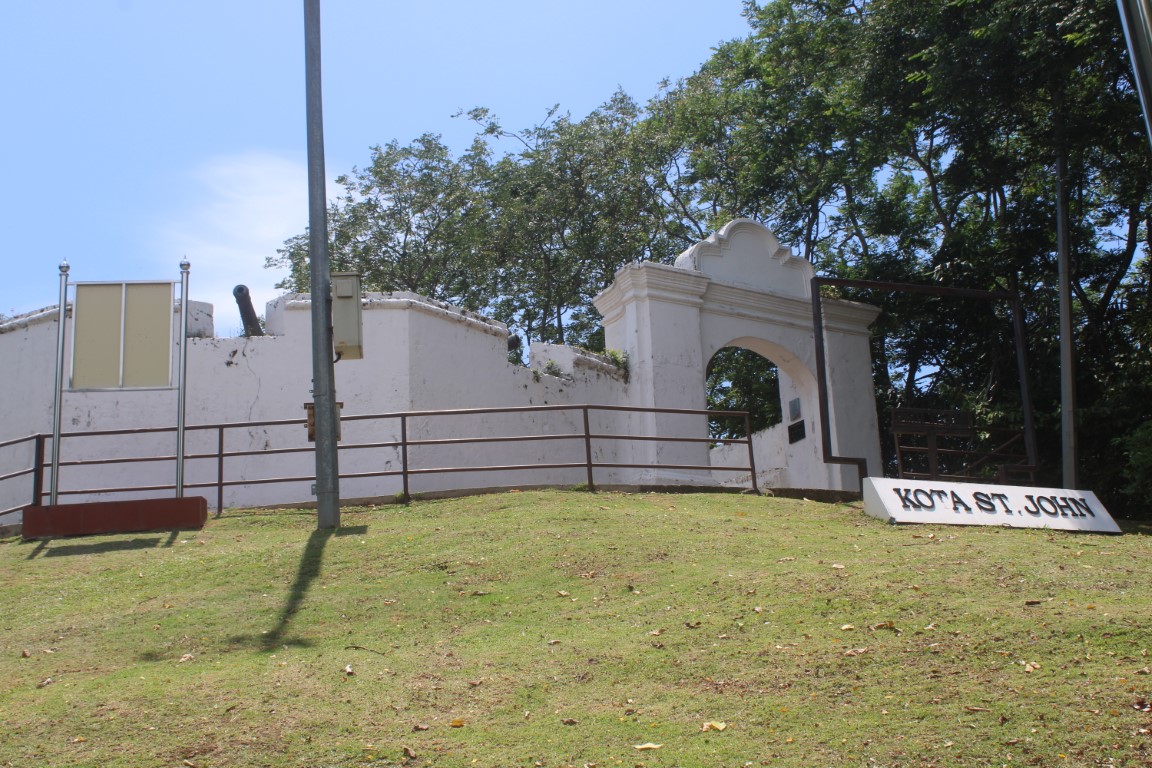
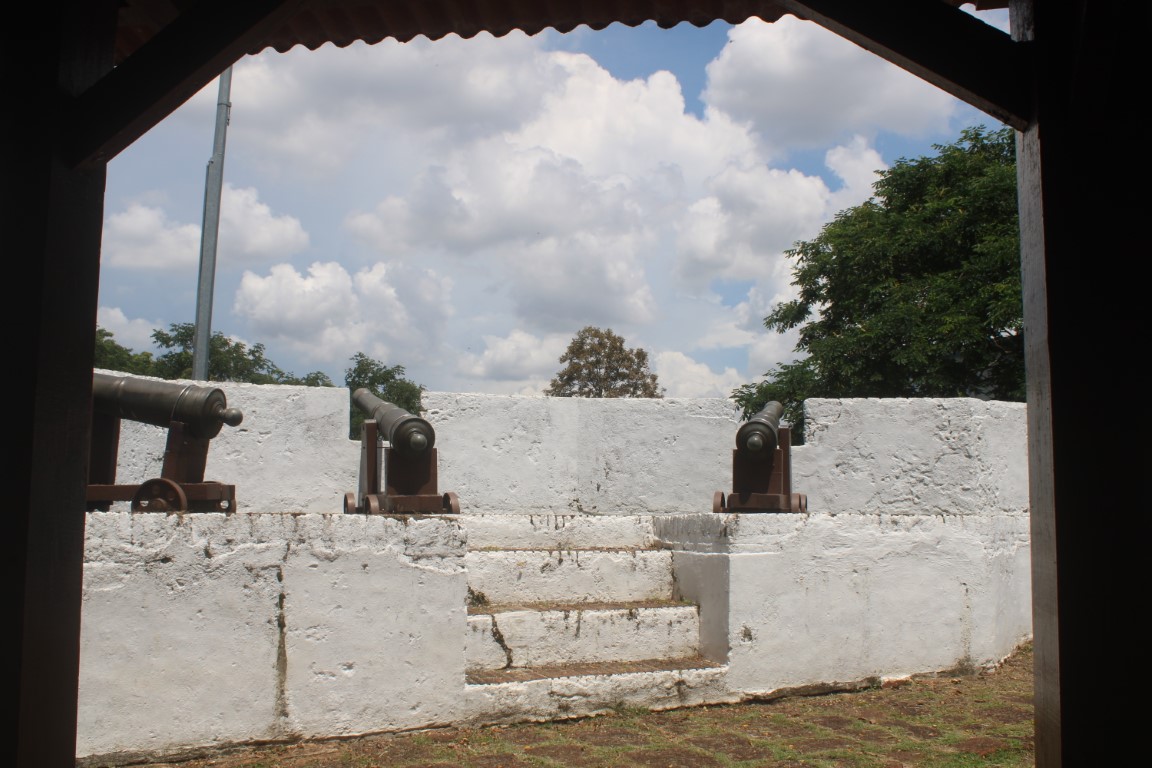
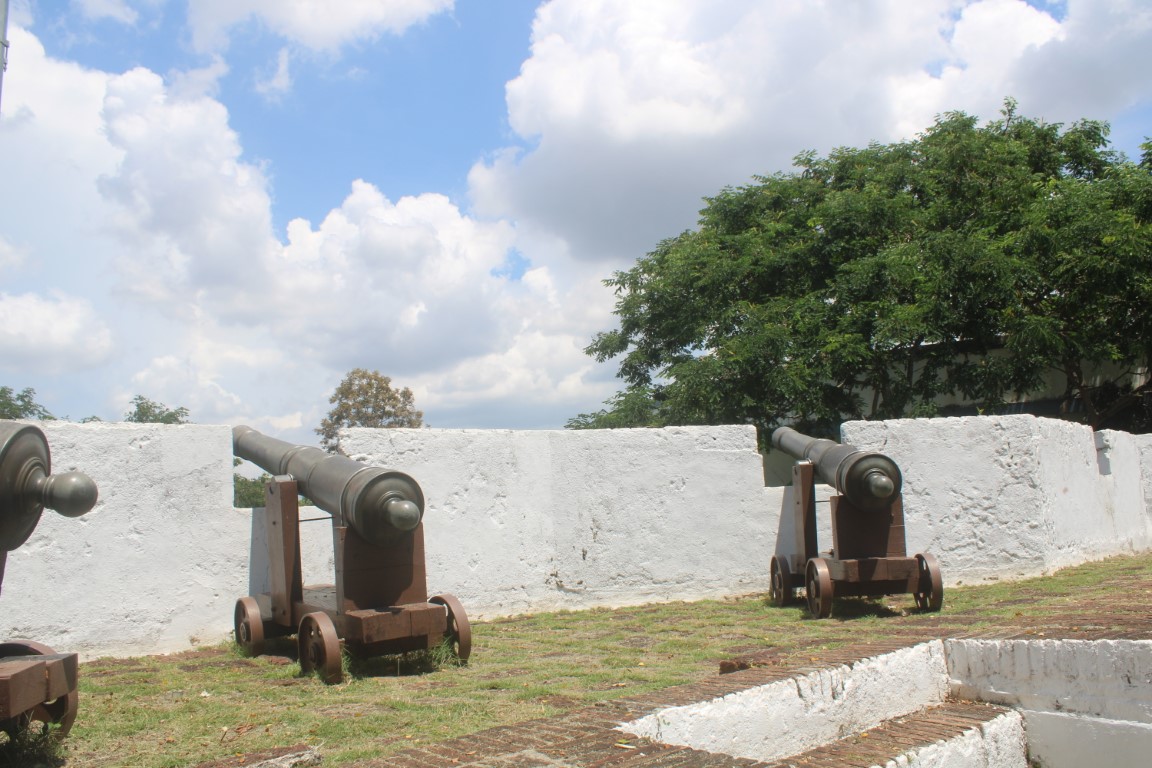
DAILY PHOTO: St. John’s Fort, Malacca

St. John’s Fort (or Kota St. John) is a preserved Dutch fort built upon existing Portuguese fortifications. This fort is built facing landward to protect against overland attacks by the Acehnese and Bugis (rather than toward the sea to protect from maritime competitors.)

BOOKS: “Writers’ Journeys That Shaped Our World” by Travis Elborough

The Writer's Journey: In the Footsteps of the Literary Greats (Journeys of Note, 1)The Writer’s Journey: In the Footsteps of the Literary Greats by Travis Elborough
My rating: 4 of 5 stars

Publisher Website

This book discusses important travel events in the lives of thirty-five prominent writers and poets. Some of these were long international travels and some entirely domestic, some aborted and others completed. All of these trips in some way influenced the subsequent works produced by these writers. In some cases, it was just for a scene, as with Sir Arthur Conan Doyle’s use of Reichenbach Falls to kill off his widely beloved (but personally soul-sucking) character, Sherlock Holmes. In others, the trip became the basis of a book, as with Joseph Conrad’s travels on the Congo River. And in yet others, the trip would become the basis of multiple works, such as Jack London’s travels in the Klondike. Of course, there were some travels that had more indirect influence on the writers’ works by way of shifts in worldview and life experience.

The graphics for this book are excellent and include a simple route map for each trip as well as photos from key locations, as well as a few relevant historic artworks. The maps and pictures help to give one a feel for the appeal of these places, and — in some cases — to better understand literary works once read.

If you are a traveler, are interested in literary history, or are both, this book is well worth investigating.

View all my reviews
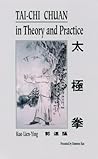
BOOKS: “Tai-Chi Chuan in Theory and Practice” by Kuo Lien-Ying [ed. Simmone Kuo]

Tai-Chi Chuan in Theory and PracticeTai-Chi Chuan in Theory and Practice by Kuo Lien-Ying
My rating: 4 of 5 stars

Publisher Site

This brief book discusses Taijiquan primarily from a philosophical perspective. Though a significant amount of the book’s page-count consists of full-page pictures of various taijiquan movements, it isn’t so much a how-to book. Readers who enjoy an eclectic book that’s short and sweet but also kind of all over the place have a good chance of liking this book and gaining from its varied tidbits of wisdom. Readers who favor books with a clear organization and internal logic will probably find this to be an odd stew of short writings (essays, guides, poems, scriptural excerpts, etc.) It should be noted that not all of the writings are from Kuo Lien-Ying, himself. It includes a translation of a manual by Wang Tsung-Yue (13th Century) as well as an appendix consisting of writings from the Daodejing, Tang Dynasty poetry, and quotes from Mencius and Confucius. It also features a chapter on the I-Ching and Taiji philosophy by Kuo’s wife, Simmone Kuo. Besides the Wang manual, which is right up the alley of Kuo’s writings, it’s not clear why the other pieces were selected (not that they aren’t beneficial, but that they seem random.)

One thing I really liked about this book is that a lot of it is presented in bilingual format. For someone learning Chinese, this is quite beneficial. (Especially, given that it consists of short pieces that can be more easily consumed by a new reader.) That said, those who don’t read Chinese may see the translations as further indication of padding a pamphlet up to book scale. The monochrome photos are well-done and could definitely be of use to someone who practices taijiquan (though would not be of much use to someone new to it.)

This book is an insightful mess, make of that what you will.

View all my reviews
PROMPT: Famous Person

Daily writing prompt
Who is the most famous or infamous person you have ever met?

It’s between a US Senator who served many terms and was involved in some major legislation (that bears his name) or a Nobel-winning Economist. So, no one that 99% of the planet has ever heard of. I will not comment on whether these individuals fell in the “famous” or “infamous” category.

“Spring Dawn” (春曉) by Meng Haoran [w/ Audio]

My Spring sleep is unswayed by dawn --
Though birds are heard through screen, still drawn.
Recalling night sounds of rain and wind,
I wonder how the flowers have thinned?

Original in Chinese:

春眠不覺曉,
處處聞啼鳥。
夜來風雨聲,
花落知多少。

Wasp [Lyric Poem]

I look straight upward and I see
A wasp nest hanging over me:
By a mere twig it's dangling,
And this, my nerves, is jangling.

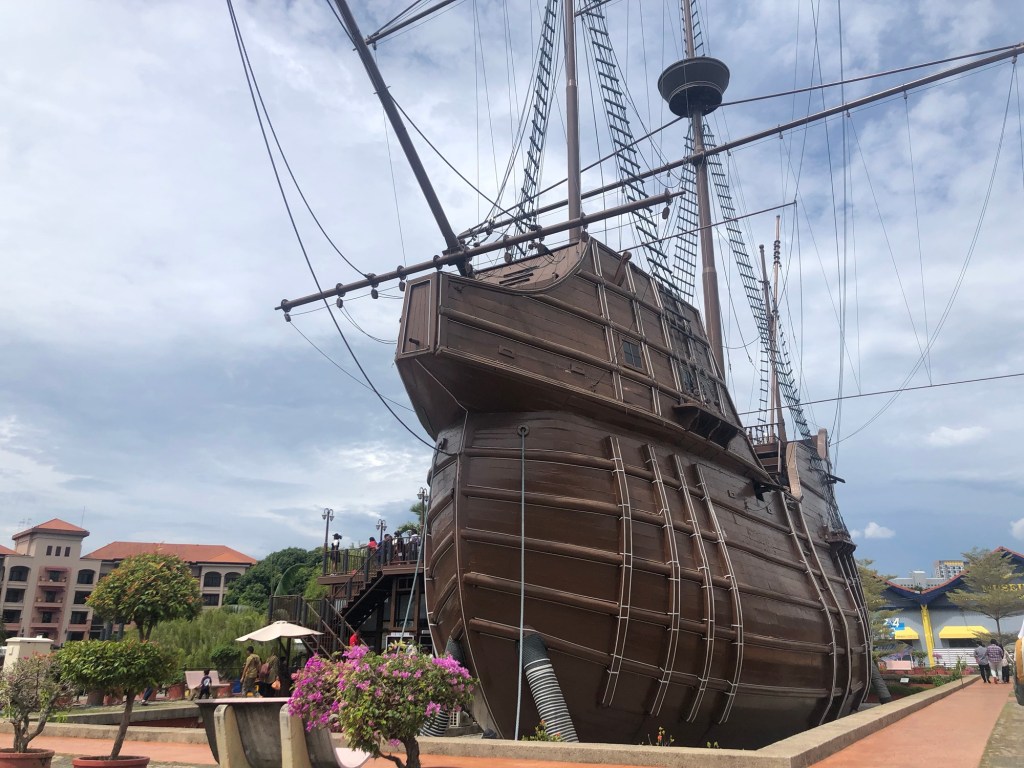
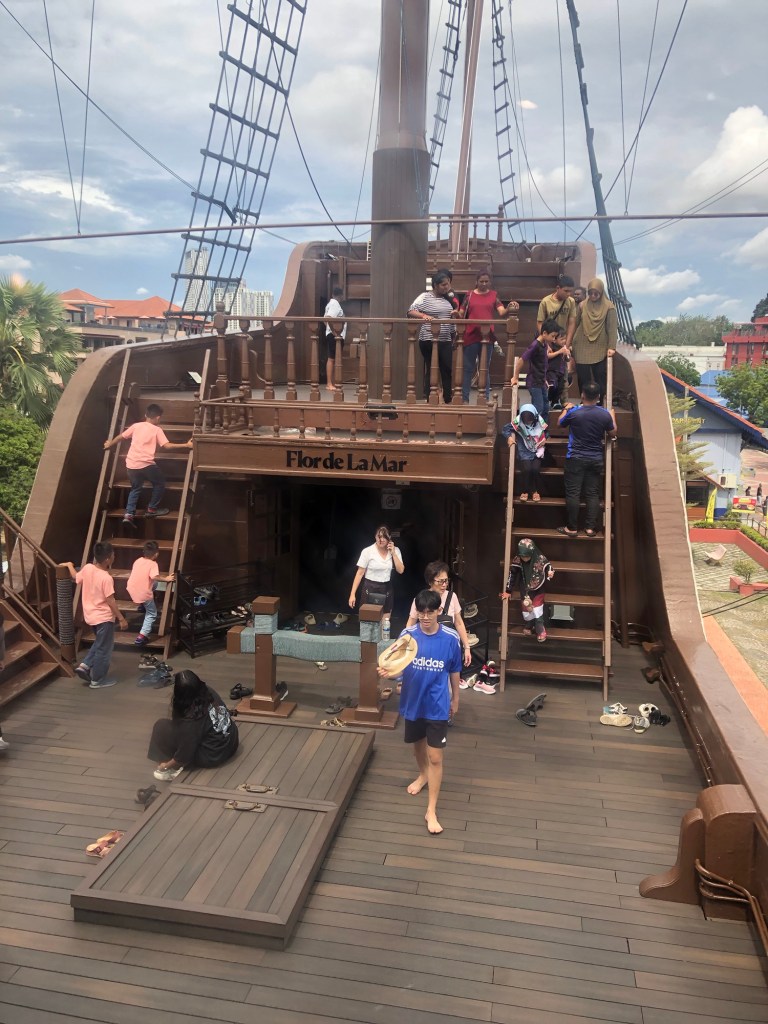
DAILY PHOTO: Flor de La Mar

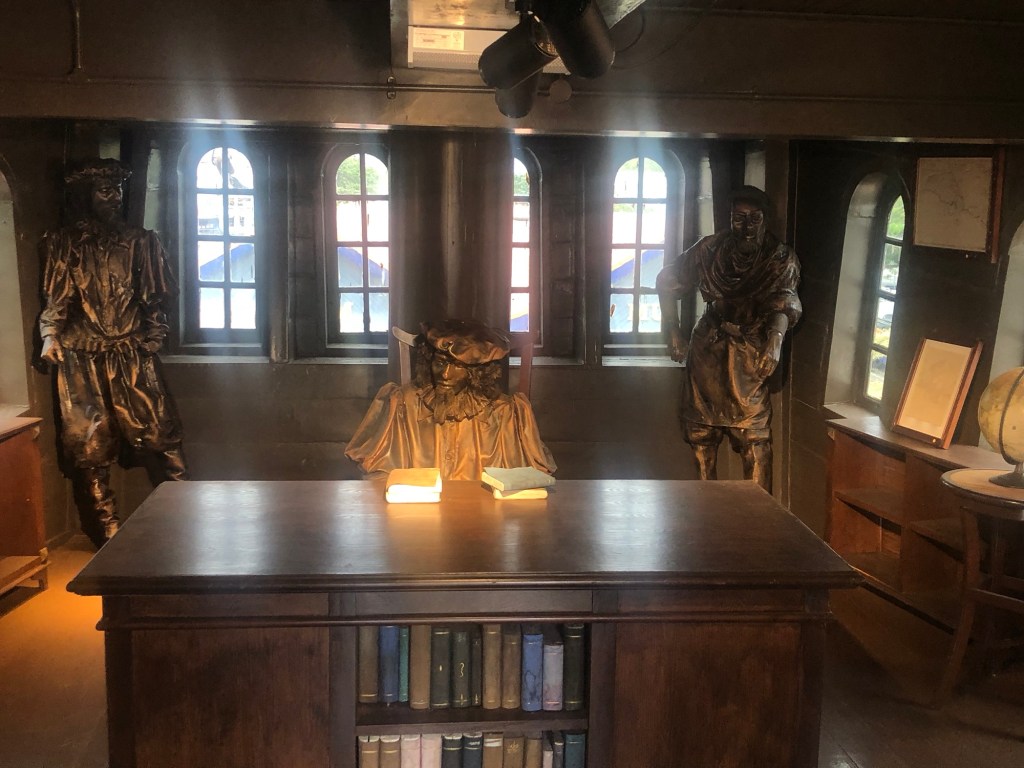
The Flor de La Mar was a Portuguese ship laden with loot stolen from Malacca when it sunk. This scale replica is a museum (Muzium Sumadera) in Malacca.

“The quality of mercy is not strained” by William Shakespeare [w/ Audio]

The quality of mercy is not strained;
It droppeth as the gentle rain from heaven
Upon the place beneath. It is twice blest;
It blesseth him that gives and him that takes:
'T is mightiest in the mightiest; it becomes
The throned monarch better than his crown;
His sceptre shows the force of temporal power,
The attribute to awe and majesty,
Wherein doth sit the dread and fear of kings;
But mercy is above this sceptred sway;
It is enthroned in the hearts of kings,
It is an attribute to God himself;
And earthly power doth then show likest God's
When mercy seasons justice.
Therefore, Jew,
Though justice be thy plea, consider this,
That, in the course of justice, none of us
Should see salvation: we do pray for mercy;
And that same prayer doth teach us all to render
The deeds of mercy. I have spoke thus much
To mitigate the justice of thy plea;
Which if thou follow, this strict court of Venice
Must needs give sentence 'gainst the merchant there.

From The Merchant of Venice (Act IV, Scene I.) Spoken in a court of law by Portia while she is disguised as a lawyer, Balthazar.

Hyena [Lyric Poem]

The Hyena is renowned for its cackle--
Not so of bats, birds, snakes, whales or jackals.
So, why such an intense sense of humor?
Perhaps, it's just a human-lampooner.