
I never hear the word "Escape"
   Without a quicker blood,
 A sudden expectation --
   A flying attitude!

I never hear of prisons broad
   By soldiers battered down,
 But I tug childish at my bars
   Only to fail again!

I never hear the word "Escape"
Without a quicker blood,
A sudden expectation --
A flying attitude!
I never hear of prisons broad
By soldiers battered down,
But I tug childish at my bars
Only to fail again!
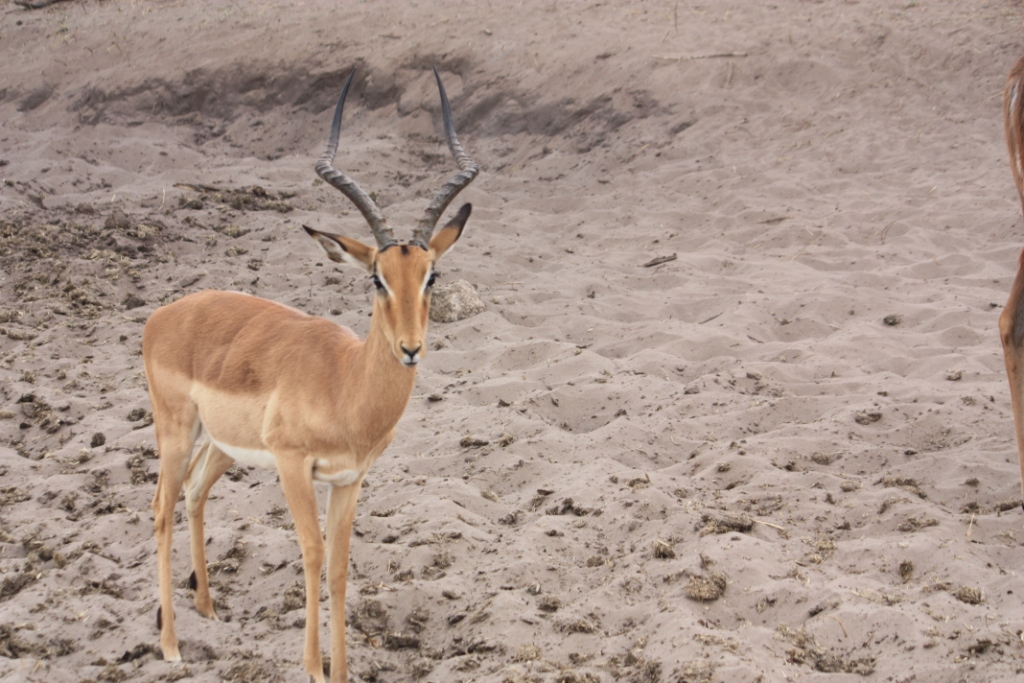
I'd never seen an Impala,
   until one day I did.
 Except an eighty-five Chevy,
   back when I was a kid.

The Chevy was not lean, nor quick,
   as real Impalas are.
 Had this bovid ever been seen
   by the namer of cars?

I tried to see commonality:
   one was made and one born,
 One was clunky and unagile,
   but both came standard with horn.
 Birds, Beasts and a World Made New: Guillaume Apollinaire and Velimir Khlebnikov (1908-22) by Guillaume Apollinaire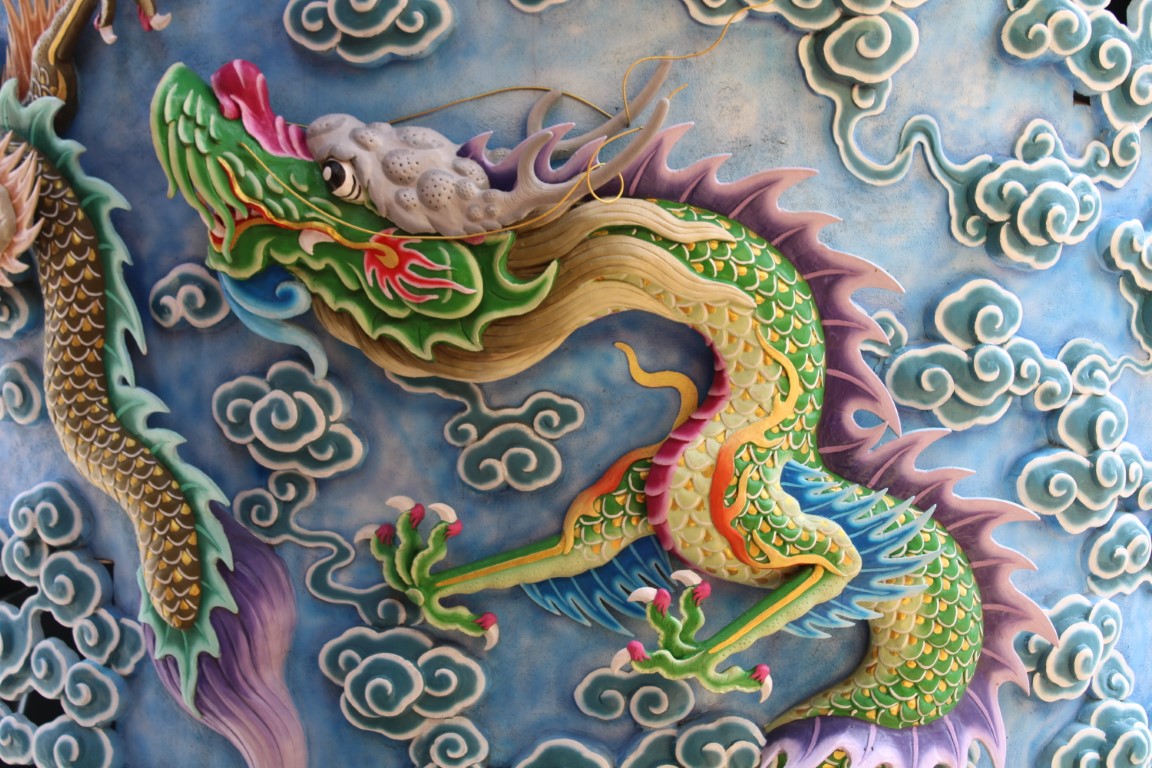
Write me a spell:
   A tiny bit of magic --
      Nothing massive
       Or mind-blowing --
   Just a simple piece
      Of Magic.

As a fond mother, when the day is o'er,
  Leads by the hand her little child to bed,
  Half willing, half reluctant to be led,
  And leave his broken playthings on the floor,
 Still gazing at them through the open door,
  Nor wholly reassured and comforted
  By promises of others in their stead,
  Which, though more splendid, may not
     please him more;
 So Nature deals with us, and takes away
  Our playthings one by one, and by the hand
  Leads us to rest so gently, that we go
  Scarce knowing if we wish to go or stay,
 Being too full of sleep to understand
 How far the unknown transcends the
     what we know.
branches: bloom-laden
 but devoid of leaves:
  tropic confusion.
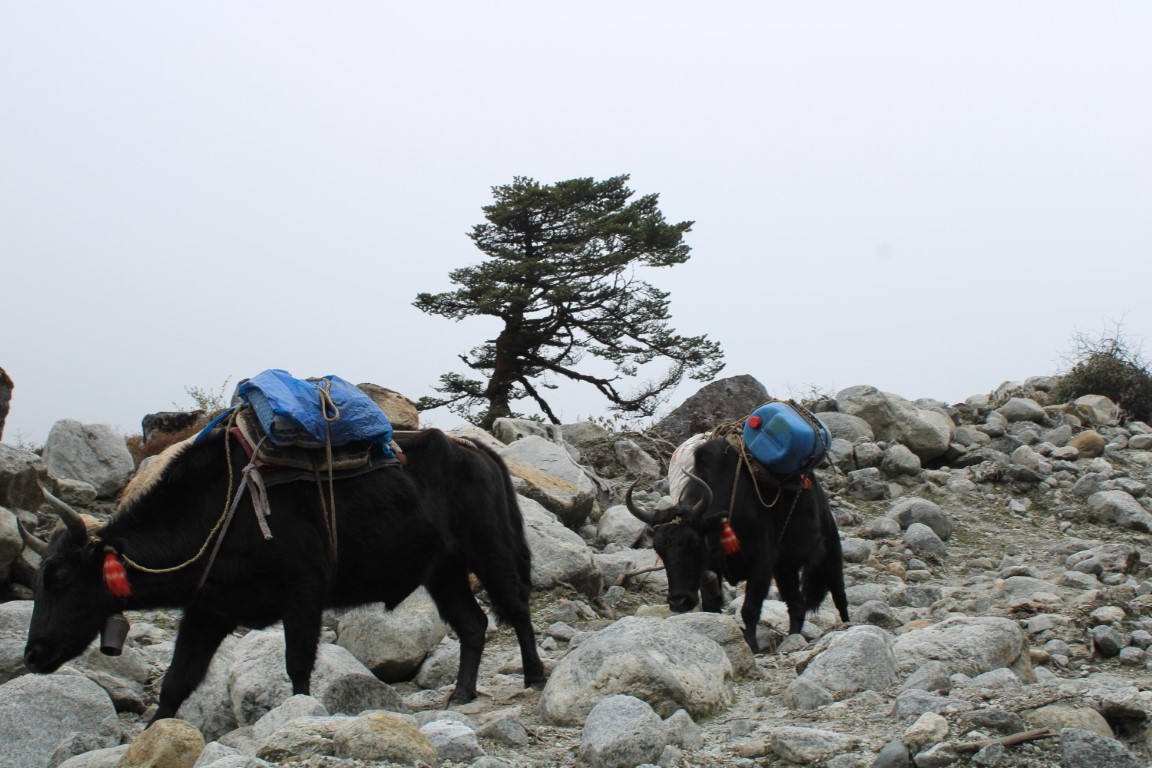
People ask for the road to Cold Mountain,
 but no road reaches Cold Mountain.
 Summer sky -- still ice won't melt.
 The sun comes out but gets obscured by mist.
 Imitating me, where does that get you?
 My mind isn't like yours.
 When your mind is like mine
 You can enter here.
Translated by Kazuaki Tanahashi & David Schneider in Essential Zen (1994) SanFransisco: HarperCollins, p. 2
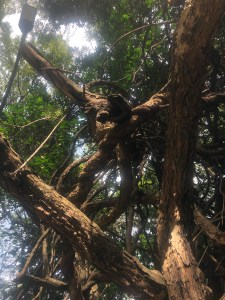
winding like vines,
 tree branches grow like a cage
  over my head.











 Tiger Riding for Beginners