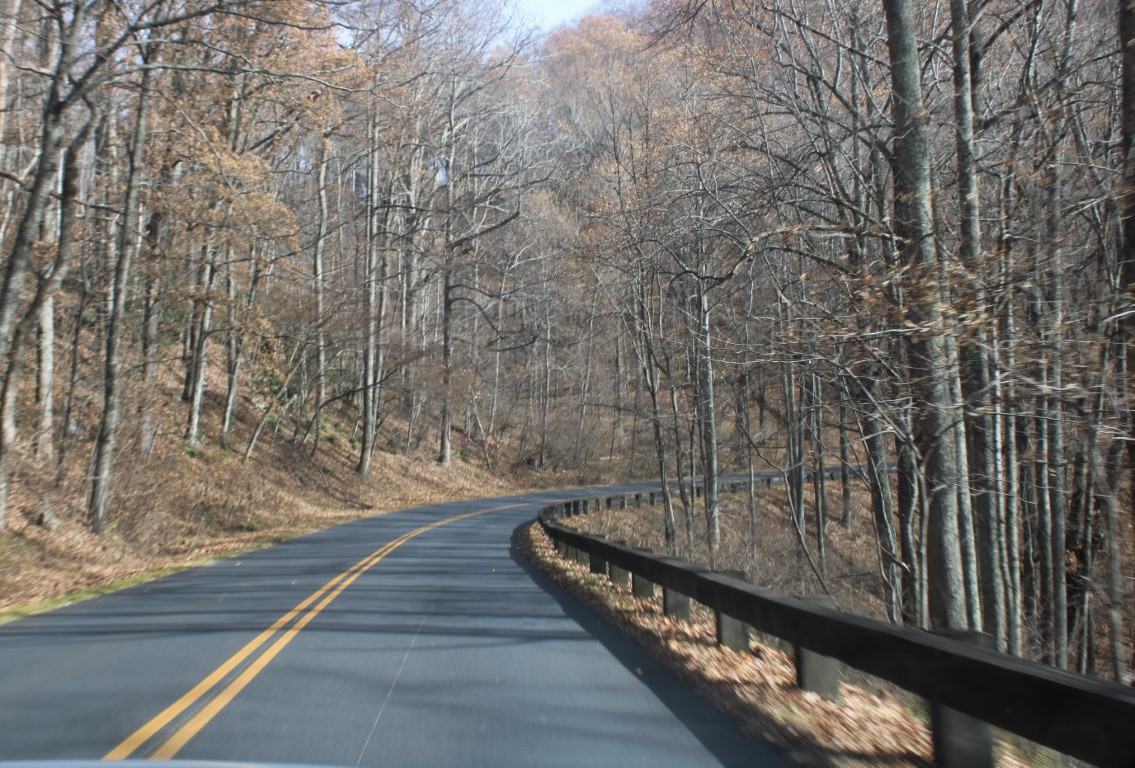
“Song of the Open Road” (2 of 15) by Walt Whitman [w/ Audio]

You road I enter upon and look around, I
believe you are not all that is here,
I believe that much unseen is also here.

Here the profound lesson of reception, nor
preference nor denial,
The black with his wooly head, the felon,
the diseas'd, the illiterate person, are not
denied;
The birth, the hasting after the physician,
the beggar's tramp, the drunkard's stagger,
the laughing party of mechanics,
The escaped youth, the rich person's
carriage, the fop, the eloping couple,

The early market-man, the hearse, the
moving of furniture into the town, the
return back from the town,
They pass, I also pass, any thing passes,
none can be interdicted,
None but are accepted, none but shall be
dear to me.

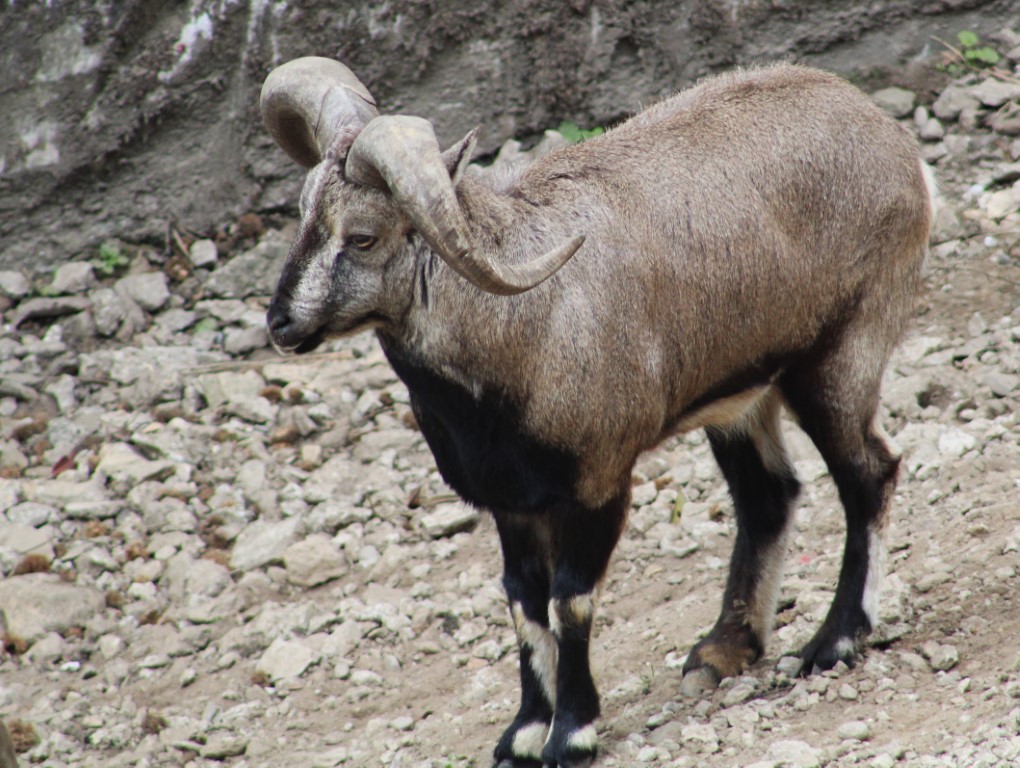
Blue Sheep [Lyric Poem]

The Blue Sheep must be ever so sad:
For of all the colors in which its clad --
None is blue; there're shades of brown, black, and white,
But blue must be symbolic, if judged by sight.

Brisk Morn [Haiku]

brisk morn dragonfly:
too cold to move, or dead?
unmoved by footfall.

Full Moon [Senryū]

a drunk staggers
around the corner, and stares
into the full moon.

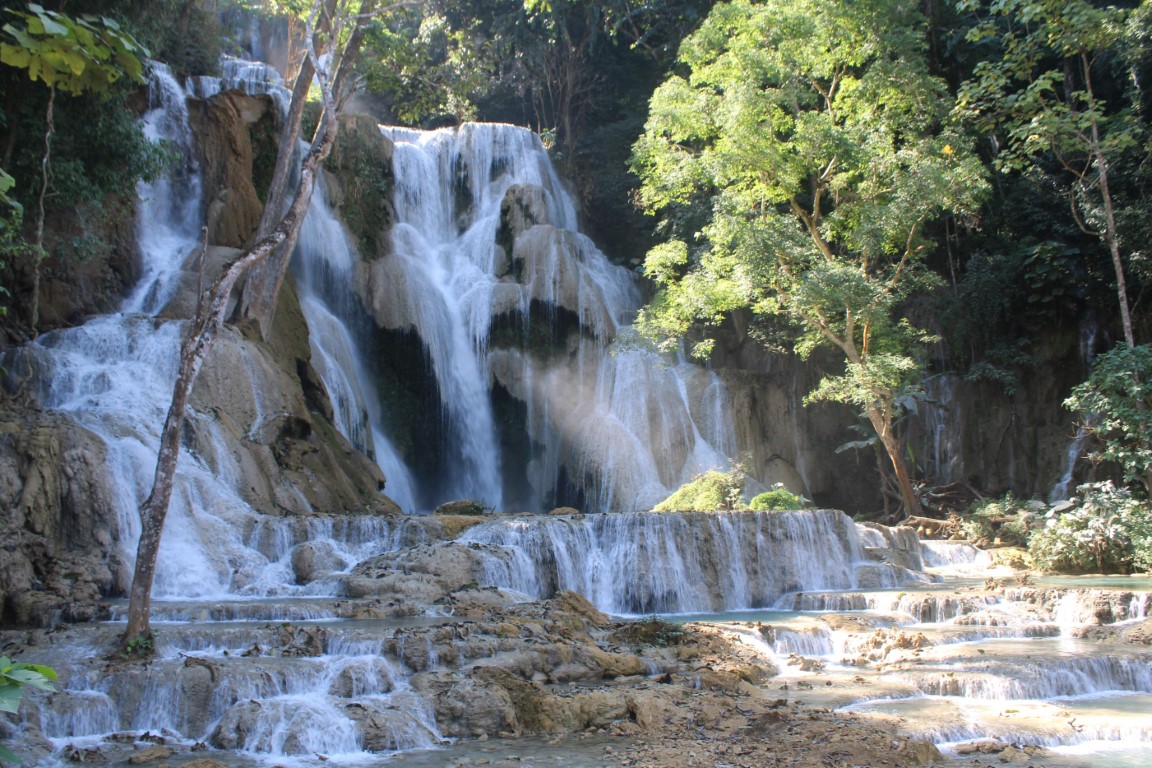
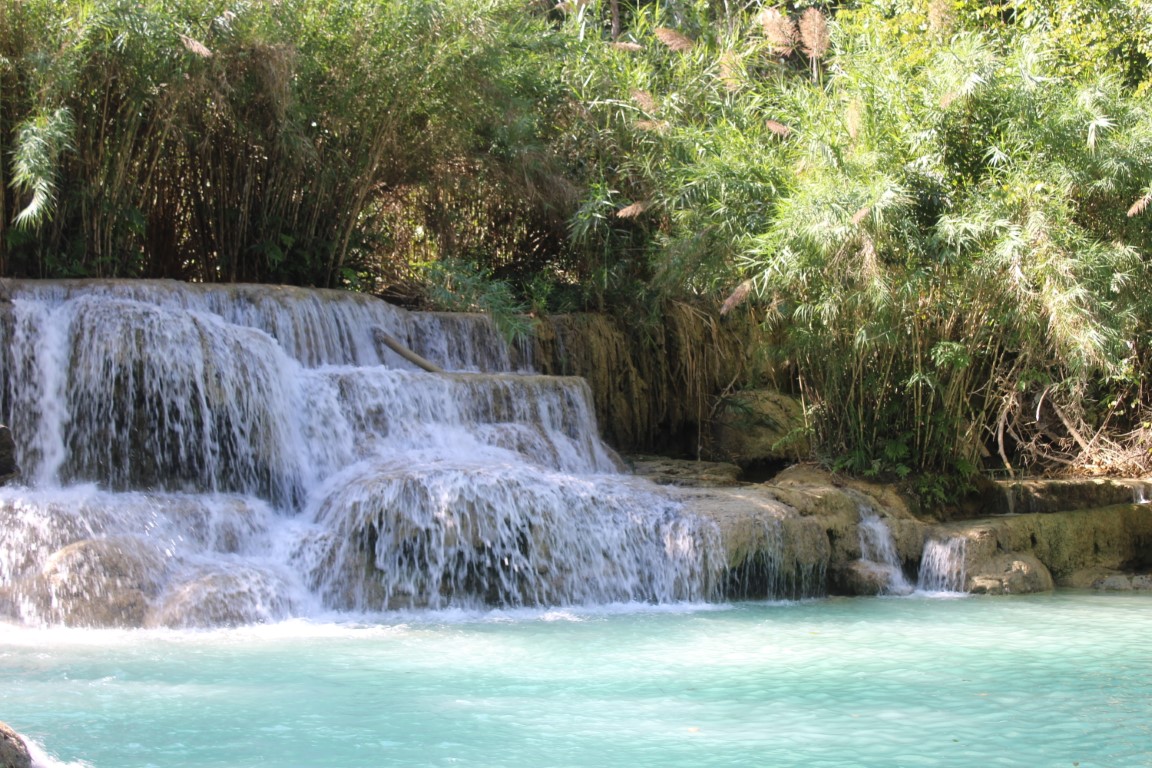
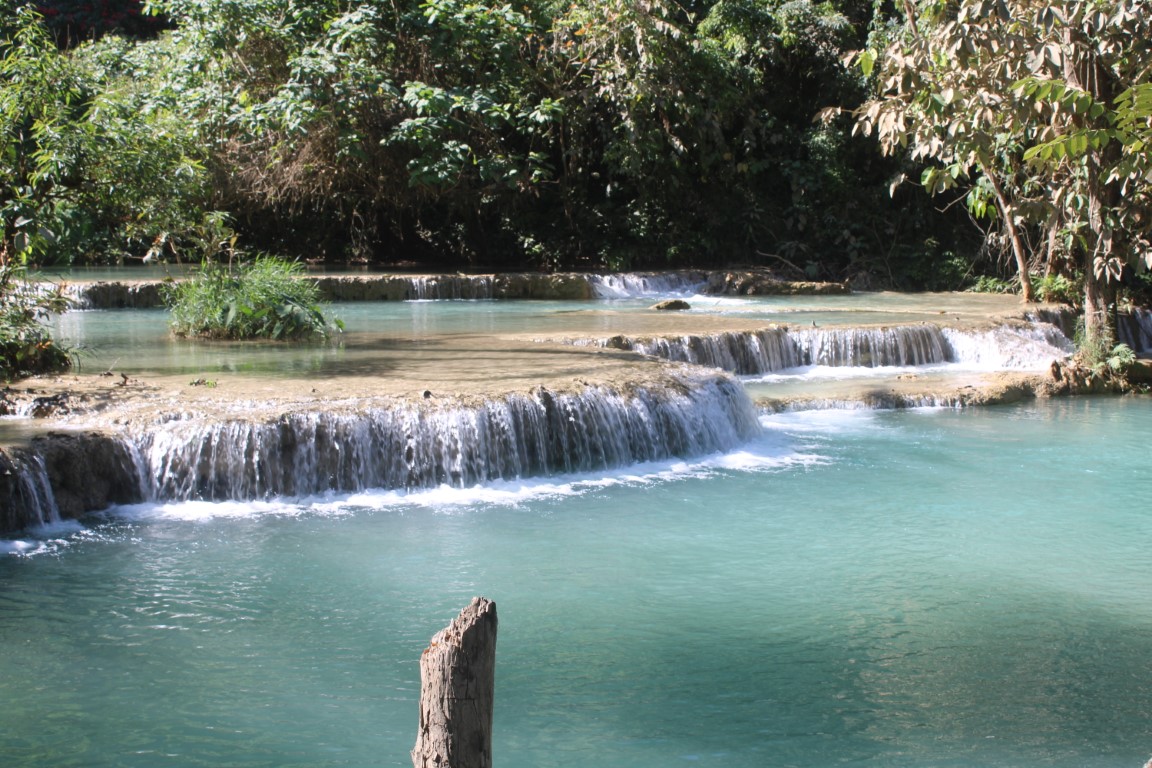
DAILY PHOTO: Scenes from Kuang Si Falls

“Song of the Open Road” (1 of 15) by Walt Whitman [w/ Audio]

Afoot and light-hearted I take to the open 
road,
Healthy, free, the world before me,
The long brown path before me leading
wherever I choose.

Henceforth I ask not good-fortune, I myself
am good-fortune,
Henceforth I whimper no more, postpone
no more, need nothing,
Done with indoor complaints, libraries,
querulous criticisms,
Strong and content I travel the open road.

The earth, that is sufficient,
I do not want the constellations any nearer,
I know they are very well where they are,
I know they suffice for those who belong to
them.

(Still here I carry my old delicious burdens,
I carry them, men and women, I carry them
with me wherever I go,
I swear it is impossible for me to get rid of
them,
I am fill'd with them, and I will fill them in
return.)

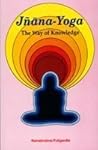
BOOKS: “Jñāna-Yoga: The Way of Knowledge” by Ramakrishna Puligandla

Jnana-Yoga--The Way of KnowledgeJnana-Yoga–The Way of Knowledge by Ramakrishna Puligandla
My rating: 5 of 5 stars

Google Books Page

This is one of the most useful books I’ve read on the topic of Jñāna-yoga — the approach to yogic philosophy employed by the studious / inquisitive (in contrast to Bhakti-Yoga [the yoga of those for whom faith and devotion works] and Karma-Yoga [the yoga for those for whom a course of self-less action appeals.]) There are Jñāna-yogic Hindu sects and Buddhism — in general — can be thought of as a school of Jñāna-yoga. The author draws from the teachings of both, principally Sankara for Hindu thinking and Nagarjuna for the Buddhist approach.

A word of warning, the author is a scholarly philosopher, and so — while not as unreadable as many works of academic philosophy — it will be a slog for those who are not used to reading scholarly writing.

That said, Puligandla does a fine job of laying out what he views as the central tenets of Jñāna-yoga in a concise fashion and reviewing them at the end. This is not to say I would agree with all that he proposes, herein. In particular, his Chapter 3 conclusions about consciousness are insufficiently justified to be considered core principles of Jñāna-yoga (in my view.) Of course, the beauty of Jñāna-yoga is that it not only doesn’t insist upon coming to the same conclusions, it generates explanations as to how it’s perfectly possible / reasonable to come to different conclusions (see “The Principle of Superimposition,” herein.) Furthermore, since the author is reporting the ideas of Sankara and Nagarjuna, I can’t really hold these ideas against him.

If you’re interested in Jñāna-yoga, and can handle scholarly prose, I’d highly recommend this book.

View all my reviews

“Some keep the Sabbath going to Church –” (236) by Emily Dickinson [w/ Audio]

Some keep the Sabbath going to Church --
I keep it, staying at Home --
With a Bobolink for a Chorister --
And an Orchard, for a Dome --

Some keep the Sabbath in Surplice --
I, just wear my Wings --
And instead of tolling the Bell, for Church,
Our little Sexton -- sings.

God preaches, a noted Clergyman --
And the sermon is never long,
So instead of getting to Heaven, at last --
I'm going, all along.

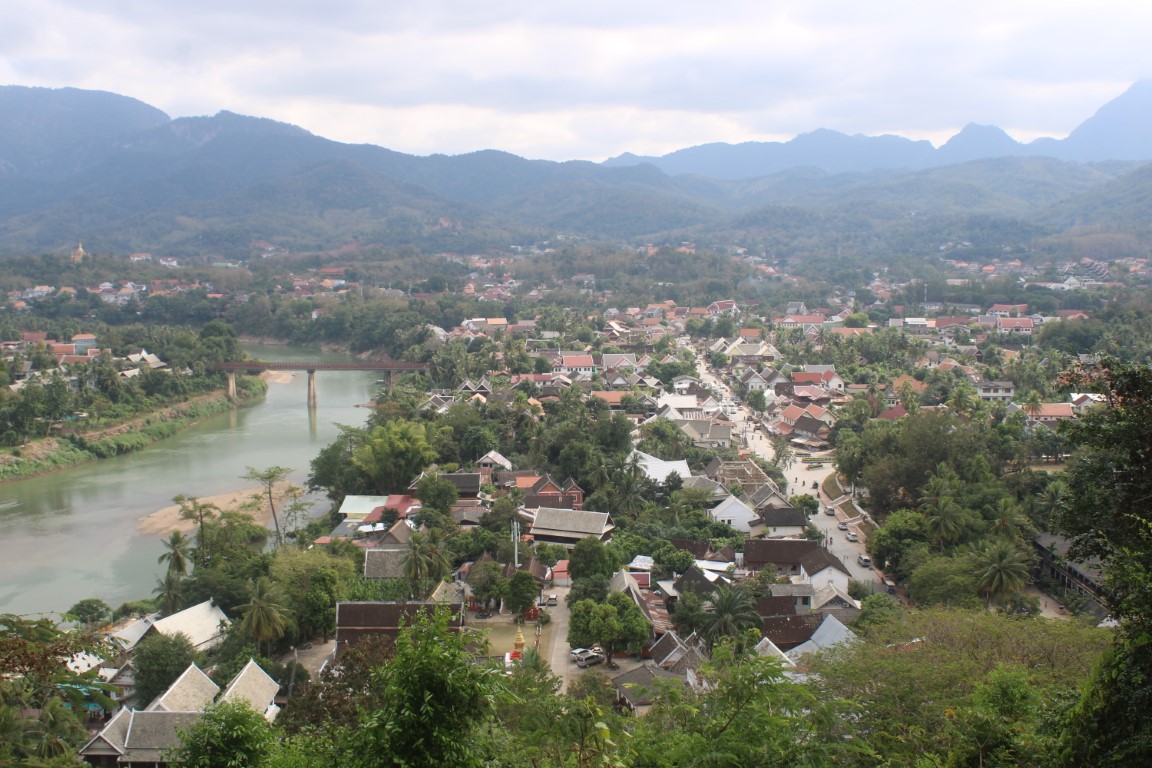
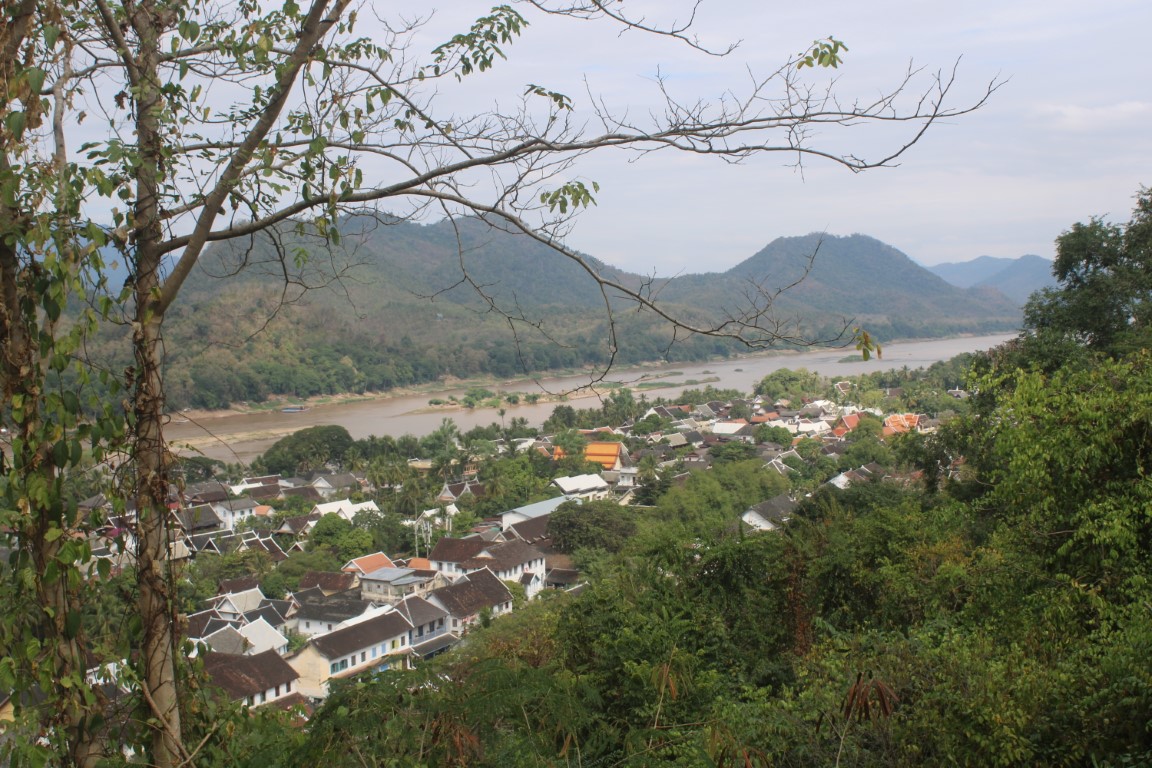
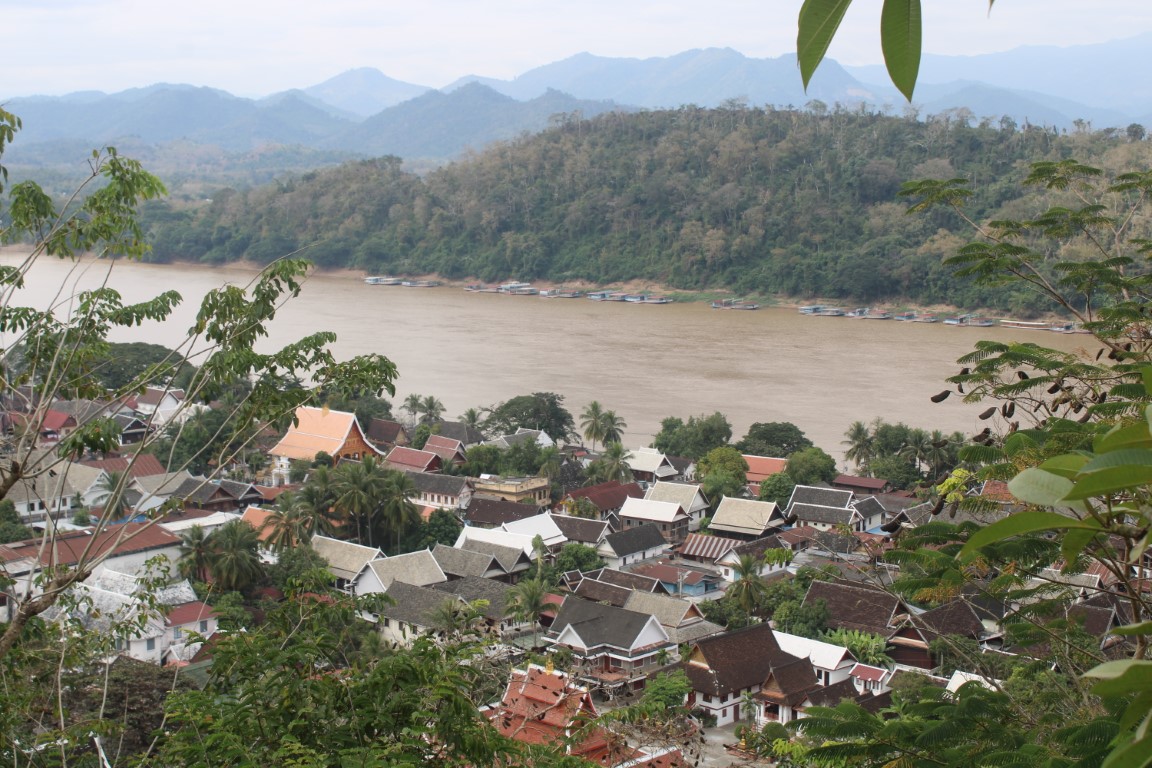
DAILY PHOTO: Luang Prabang from Phousi Hill