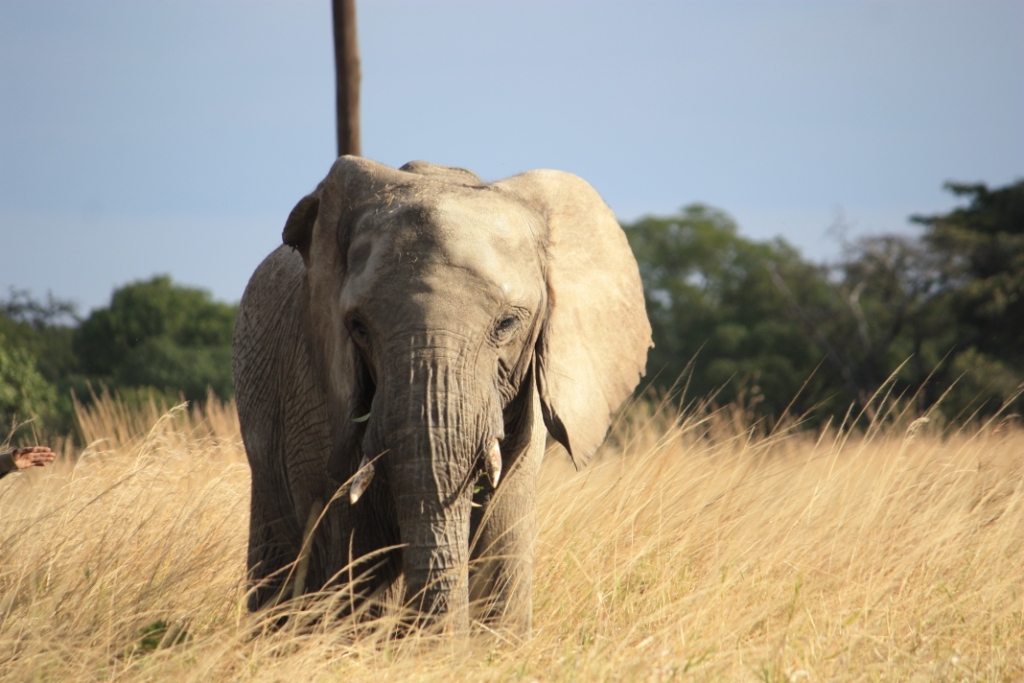
There are many levels to this. At one end is getting up and moving for a half hour or hour. At the other end is going for a ten-day hike in a part of the planet that has no cell service whatsoever. (Yes, such spaces still exist, but are continually getting smaller — mostly valleys of large mountain ranges.)
This is probably not as big a challenge for me as for many because I find it neither that enjoyable nor that necessary to be jacked in.
Do not weep, maiden, for war is kind. Because your lover threw wild hands toward the sky And the affrighted steed ran on alone, Do not weep. War is kind.
Hoarse, booming drums of the regiment, Little souls who thirst for fight, These men were born to drill and die. The unexplained glory flies above them, Great is the battle-god, great, and his kingdom— A field where a thousand corpses lie.
Do not weep, babe, for war is kind. Because your father tumbled in the yellow trenches, Raged at his breast, gulped and died, Do not weep. War is kind.
Swift, blazing flag of the regiment, Eagle with crest of red and gold, These men were born to drill and die. Point for them the virtue of slaughter, Make plain to them the excellence of killing And a field where a thousand corpses lie.
Mother whose heart hung humble as a button On the bright splendid shroud of your son, Do not weep. War is kind.
This poem opens War Is Kind and Other Lines (1899.)
Light-winged Smoke, Icarian bird, Melting thy pinions in thy upward flight, Lark without song, and messenger of dawn, Circling above the hamlets as thy nest; Or else, departing dream, and shadowy form Of midnight vision, gathering up thy skirts; By night star-veiling, and by day Darkening the light and blotting out the sun; Go thou my incense upward from this hearth, And ask the gods to pardon this clear flame.
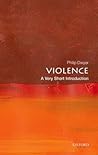
Publisher Site – Oxford University Press
This is a brief overview of various types of violence, starting with the question of what counts as violence. The book explores violent acts carried out by individuals, mobs, movements, governments, and religions. It reflects upon how the nature of violence has changed over the centuries while hinting at potential reasons for said changes (along with counterarguments.)
This book raised some provocative questions, such as: Why would people go to watch executions? Does Steven Pinker’s hypothesis that humanity is becoming less violent hold water? [Pinker made this argument in his book The Better Angels of Our Nature, but it has been refuted on number of grounds — definitional, methodological, etc. Though Dwyer only briefly touches on Pinker’s book and its critics in this book and a detailed critique will require looking elsewhere.] How (and why) do violent tendencies vary across cultures. And, when and how did governments end up with a monopoly on legitimate use of force.
I found this book interesting and informative and would recommend it for those looking for answers as to why and how our species is so violent.