BOOK: “The Pocket Rumi” ed. / trans. by Kabir Helminski

The Pocket Rumi (Shambhala Pocket Library)The Pocket Rumi by Jalal ad-Din Muhammad ar-Rumi
My rating: 4 of 5 stars

Publisher Site – Shambhala

This is a selection of writings (mostly poetry) of Rumi (formal name: Jalāl al-Dīn Muḥammad Rūmī.) Rumi was a mystic of Sufi Islam, and so the poems tend toward the devotional — though with more reference to the experience of intoxication than one might expect from a 13th century Islamic poet.

This selection consists of three sections organized by poetic form, each section progressively longer than the preceding one. The first section is ruba’i, the second is ghazals, and the last is from Rumi’s Mathnawi.

The “Pocket” of the book’s title and series is figurative as the paperback is too big of both format and thickness for any pocket I own, personally, but the point is that it’s a quick read at only about 200 pages of (mostly) poetry [meaning white space abounds.]

I enjoyed reading this selection. I can’t say how true to message the translations are as I have no knowledge of Persian. I can point out that the translators opted to abandon form in favor of free verse. Hopefully, this gave them the freedom of movement to approach the message and tone of the originals.

If you are interested in a short, readable English translation of Rumi’s poetry, this book offers a fine place to start.

View all my reviews

BOOK: “Masala Lab” by Krish Ashok

Masala Lab : The Science of Indian CookingMasala Lab : The Science of Indian Cooking by Krish Ashok
My rating: 4 of 5 stars

Publisher Site – Penguin

Many books have come out in recent years that explore the intersection of science and cooking, but this is one of the few that I’ve seen take on the sub-theme of science’s role in a particular cuisine — in this case Indian. Indian food, while broad and diverse itself, does present a unique palette of considerations. Few cuisines can make claims to the same level of complexity as Indian with all its spices and such. Also, Indian food tends to use heat to a different extent / in different ways than other cuisines, which is partly why, while Indian food is as tasty as food gets, aesthetically it tends toward a visually unappealing gloopy-gloppyness.

Ashok examines what applied heat does to food and why, how flavors are balanced and enhanced and why, what acids do and why they are essential, what value added is gained by pressure cookers and other specialty equipment, and how an experimental approach can be taken in lieu of a recipe book? The book takes a few controversial stances, such as in favor of sodium bicarbonate and MSG, but to a large extent is a straightforward discussion of how science informs culinary technique and ingredients.

The author maintains a light and readable tone throughout the book. I’d recommend this book for readers interested in the intersect of science and food, doubly so if one has a particular interest in Indian food.

View all my reviews

PROMPT: Passionate

Daily writing prompt
What are you passionate about?

I’m passionate about being passionate about anything worth doing (and half-ass everything else.)

“Disillusionment of Ten O’Clock” by Wallace Stevens [w/ Audio]

The houses are haunted   
By white night-gowns.
None are green,
Or purple with green rings,
Or green with yellow rings,
Or yellow with blue rings.
None of them are strange,
With socks of lace
And beaded ceintures.
People are not going
To dream of baboons and periwinkles.
Only, here and there, an old sailor,
Drunk and asleep in his boots,
Catches tigers
In red weather.

Bookstore Cat [Senryū]

bookstore cat
sleeps soundly on a book
about dogs.

DAILY PHOTO: Waterfront

Image

Stall: A Haiku Quartet

clouds glide in 
like a naval armada,
only to loiter.

the sky is gray,
but no rain comes --
just the threat.

the threat wears thin --
unheeded until
thunder cracks!

a man shakes his fist
at the dense clouds:
a torrent falls.

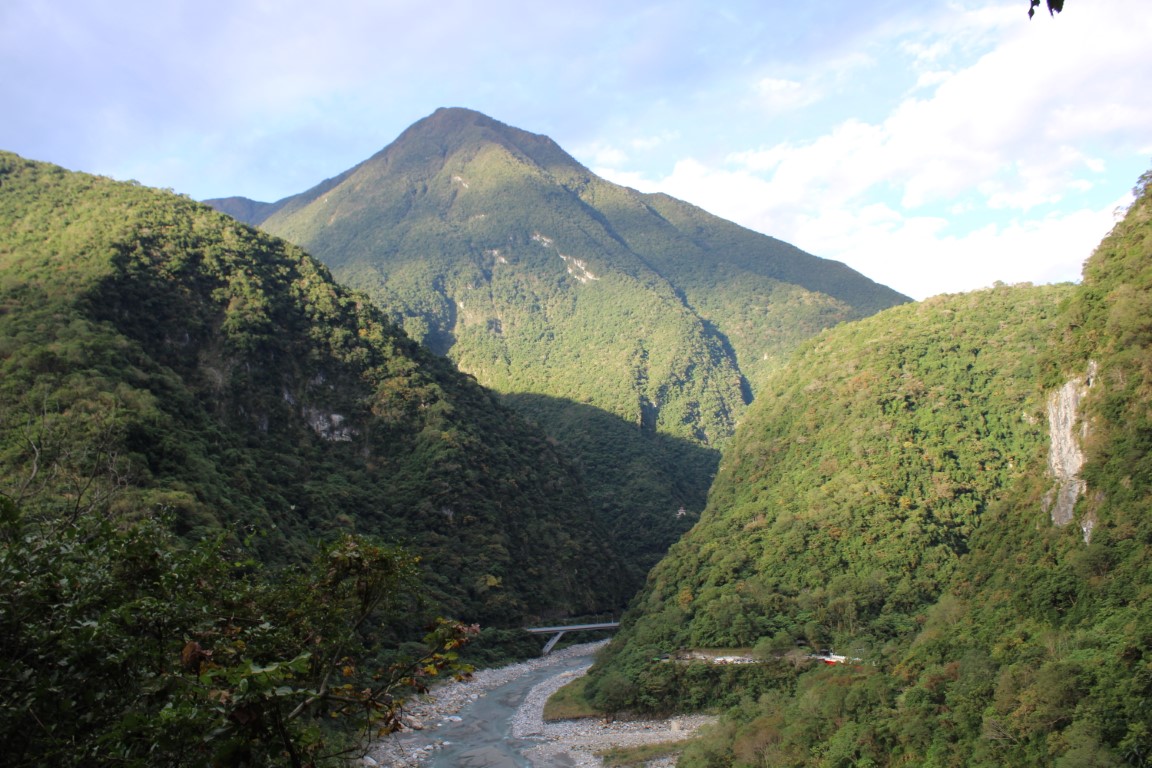
Mount Zhongnan [终南山] by Wang Wei [王维] [w/ Audio]

Taiyi stretches toward heaven;
Linked mountains reach into the sea.
Looking back, white clouds coalesce;
In the mist, the mist can't be seen.
A ridge is a boundary of worlds:
Cloudy or clear; with - or sans - tree.
In need of lodging for the night,
I ask the woodsman cross river from me.

This is poem #118 of the 300 Tang Poems [唐诗三百首.] The original in Simplified Chinese is:

太乙近天都, 连山接海隅。
白云回望合, 青霭入看无。
分野中峰变, 阴晴众壑殊。
欲投人处宿, 隔水问樵夫。

PROMPT: Season

Daily writing prompt
What is your favorite season of year? Why?

For over a decade now, I’ve lived with two seasons: dry and monsoon. I’d have to give the edge to dry, but the hot bit of the dry season has its own challenges.

Where there are four seasons, I tend to favor those in the Goldilocks Zone (not too hot & not too cold — i.e. Spring & Fall.)

All that being said, as a matter of philosophy, I try my best to avoid having favorites.

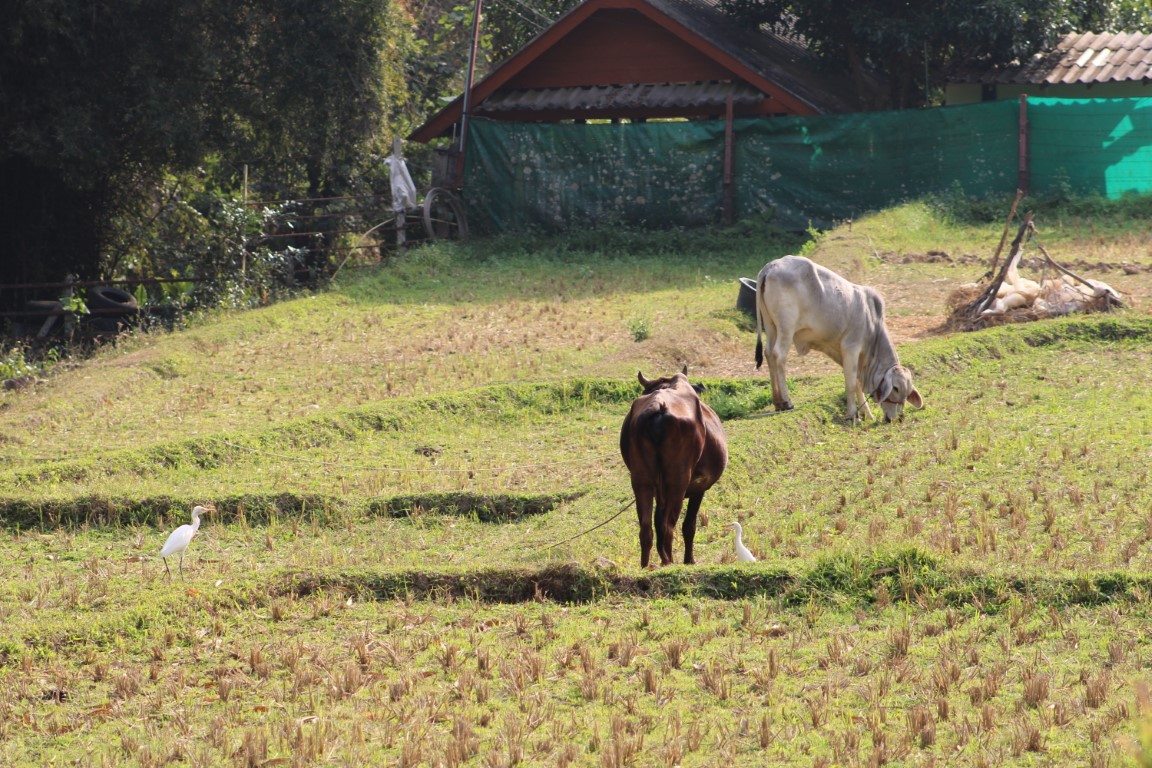
Secondary Feeders [Haiku]

after harvest
cows stubble graze, &
egrets hunt in the wake.