plump pinecone
 nested in copper-
  colored needles.
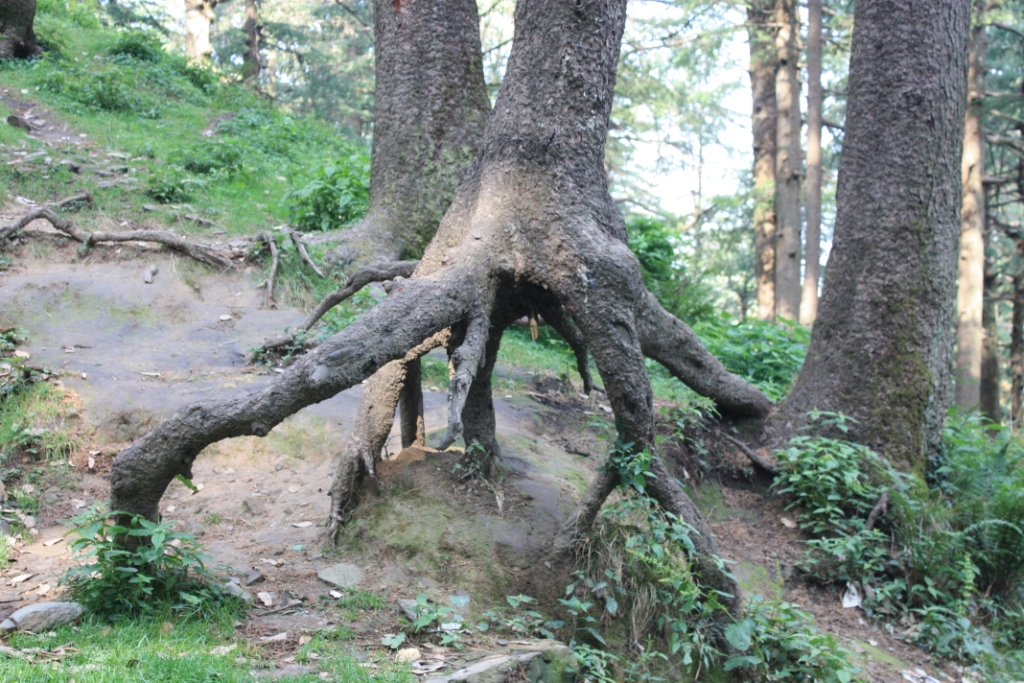
On a hike,
    I come upon a tree
       Raised up on its roots,
       As if in mid-stride --
       A long, cartoonish stride
   That stretches across the trail.

But the tree doesn't stir --
   No matter how quietly I wait;
   No matter how long I wait.

Oh, how I wish to catch the tree
   As it flees.
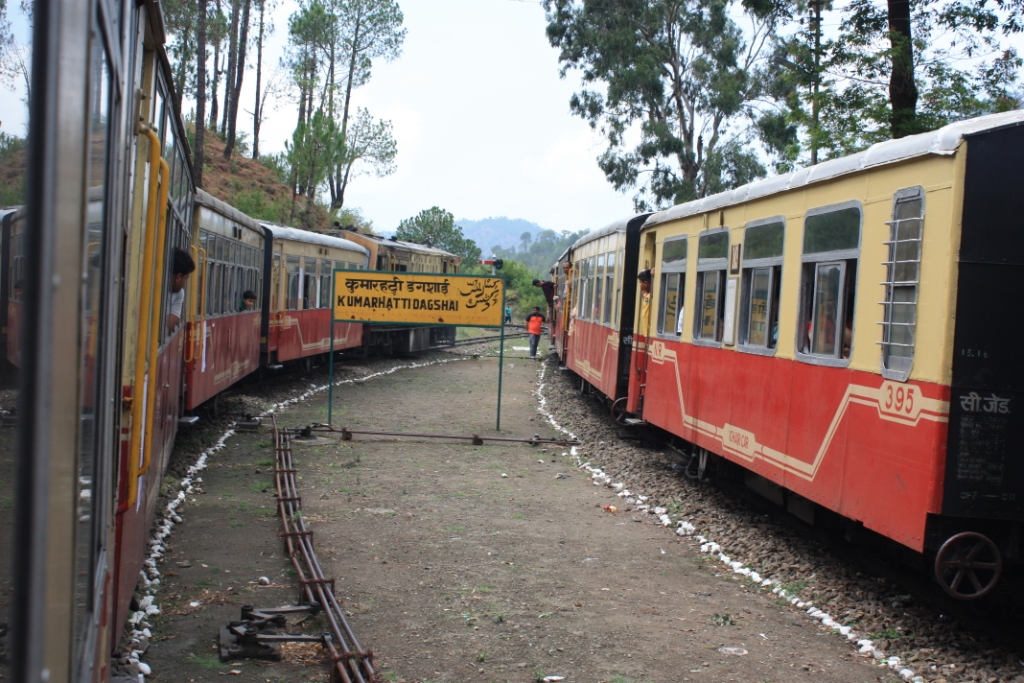
Faster than fairies, faster than witches,
 Bridges and houses, hedges and ditches;
 And charging along like troops in a battle,
 All through the meadows the horses and cattle:
 All of the sights of the hill and the plain
 Fly as thick as driving rain;
 And ever again, in the wink of an eye,
 Painted stations whistle by.

Here is a child who clambers and scrambles,
 All by himself and gathering brambles;
 Here is a tramp who stands and gazes;
 And there is the green for stringing the daisies!
 Here is a cart run away in the road
 Lumping along with man and load;
 And here is a mill and there is a river:
 Each a glimpse and gone for ever!
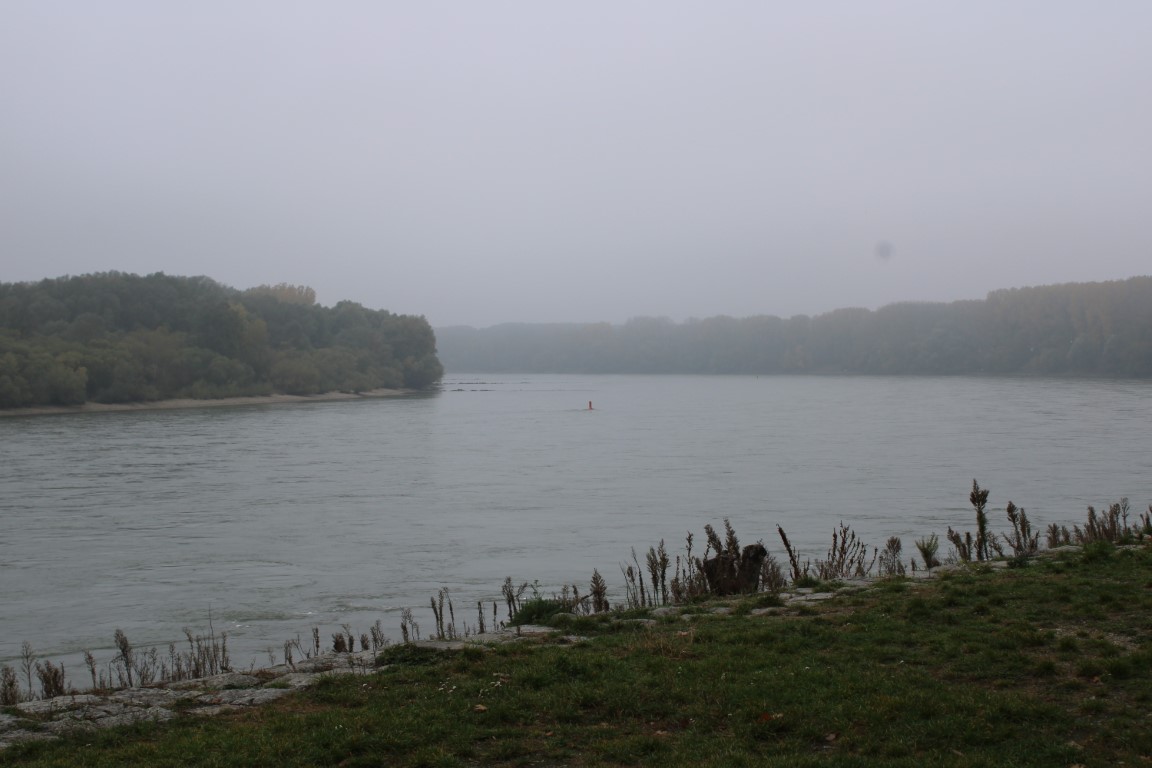
in a flat, wide river:
   something juts up
   from the water --
   far in the distance

for an instant,
   i startle:
   seeing it as an
   extended arm...

like that Stevie Smith
   poem, but i discover
   it's neither waving,
   nor drowning, but
   merely protruding...

a dead limb
   stuck in the river,
   drag & pull balanced,
   waiting to be
   carried away.
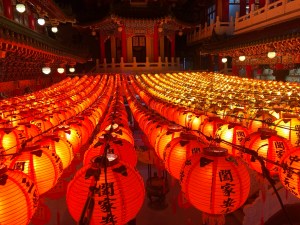
rows of lanterns —
 a jack-o-lantern patch —
  lights the temple
 on a dark, rainy night;
 rain splats on a tin roof.
The wild winds weep,
         And the night is a-cold;
 Come hither, Sleep,
         And my griefs infold:
 But lo! the morning peeps
         Over the eastern steeps,
 And the rustling birds of dawn
 The earth do scorn.

Lo! to the vault
         Of paved heaven,
 With sorrow fraught
         My notes are driven:
 They strike the ear of night,
         Make weep the eyes of day;
 They make mad the roaring winds,
         And with tempests play.

Like a fiend in a cloud
         With howling woe,
  After night I do croud,
         And with night will go;
  I turn my back to the east,
  From whence comforts have increas'd;
  For light doth seize my brain
  With frantic pain.
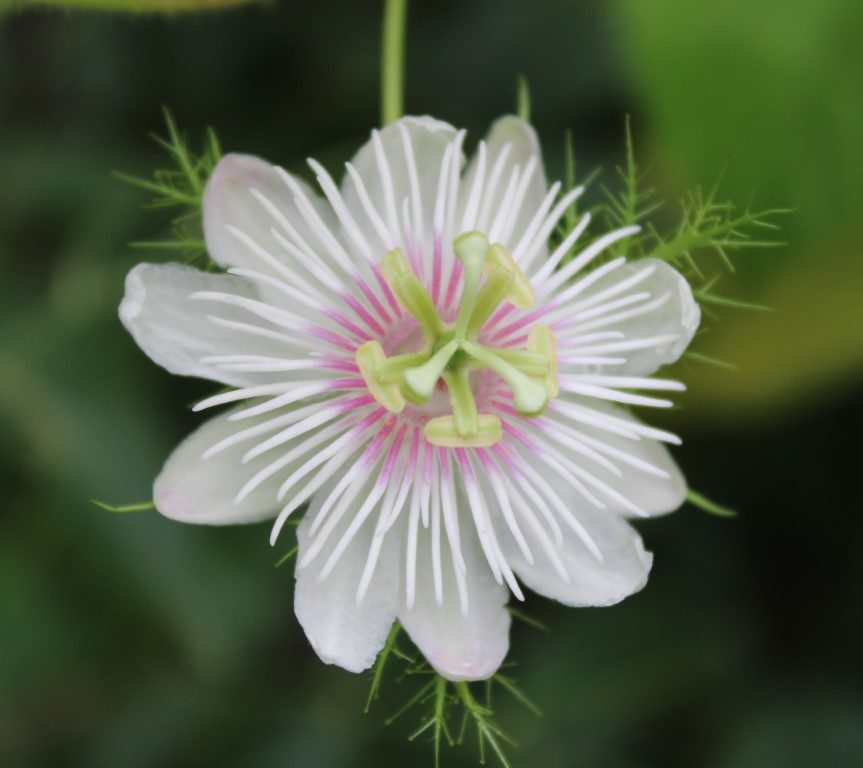
I cut myself upon the thought of you
 And yet I come back to it again and again,
 A kind of fury makes me want to draw you out
 From the dimness of the present
 And set you sharply above me in a wheel of roses.
 Then, going obviously to inhale their fragrance,
 I touch the blade of you and cling upon it,
 And only when the blood runs out across my fingers
 Am I at all satisfied.
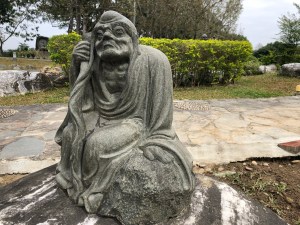
sage sits on stone
 until he and the stone
  can’t be told apart.