What could you do differently?
Literally, everything. That’s the gift and curse of being human.

What could you do differently?
Literally, everything. That’s the gift and curse of being human.
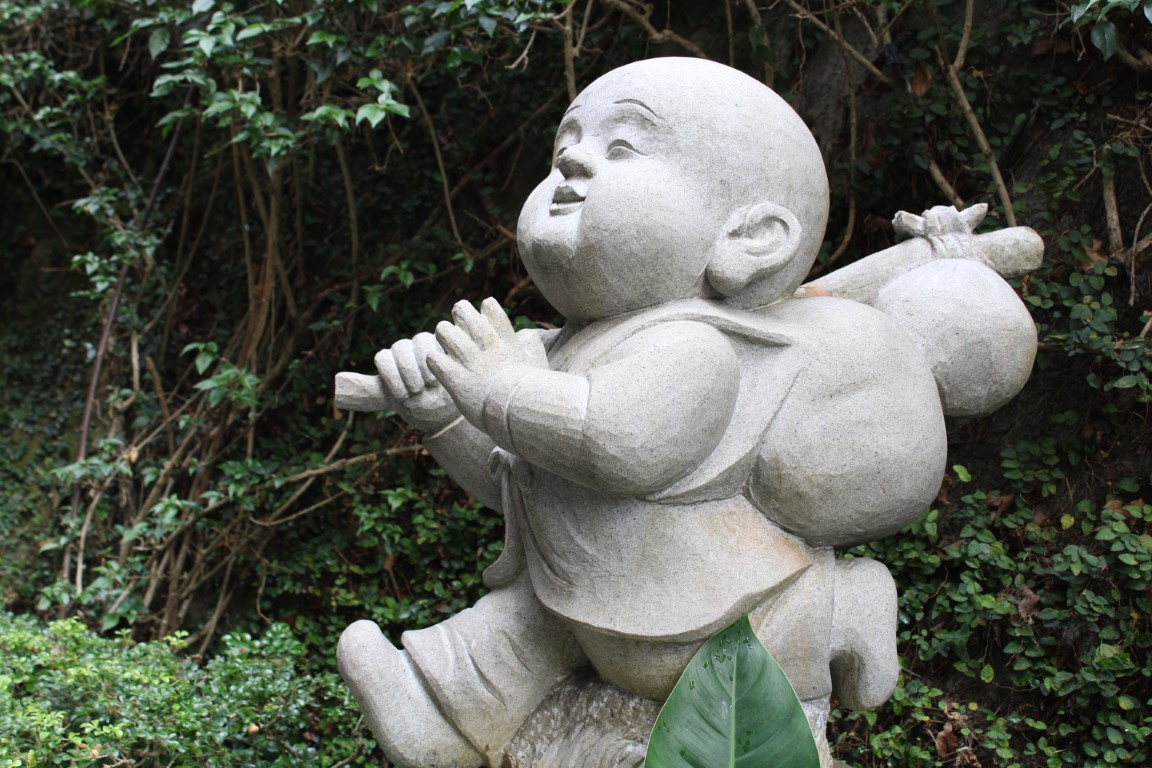
With a pack on my back,
 I lurched out of the known.
 Would I ever be back?
 Or go where I was blown?

Who can know where they'll land?
 Maybe on a distant shore?
 Or amid desert sands?
 Or mountains? Or next door?

That's the joy of a life;
 One can end up anywhere.
 Embrace chaos sans strife,
 And you'll live a life that's rare.
If you had a freeway billboard, what would it say?
“If you think there’s a Hell, you’re already there.”
I think it works on two levels… at least.
Do you spend more time thinking about the future or the past? Why?
I spend the most time trying to figure out how to live mostly in the present. The past is dead and the future is unknowable, so I might as well settle into this moment.
 Miyamoto Musashi’s Book of Five Rings: The Manga Edition: Japan’s Legendary Book on Samurai Military Strategy by Miyamoto Musashi
You get to build your perfect space for reading and writing. What’s it like?
Just a small, quiet room with a window for day and a light for the night. Minimalist. The less to distract, the better.
How are you creative?
By nudging letters into words, words into lines, and then dancing the mess into something that sings. By trying to tune into the Great Spontaneous.
 Anthony Bourdain and Philosophy by Calef Scott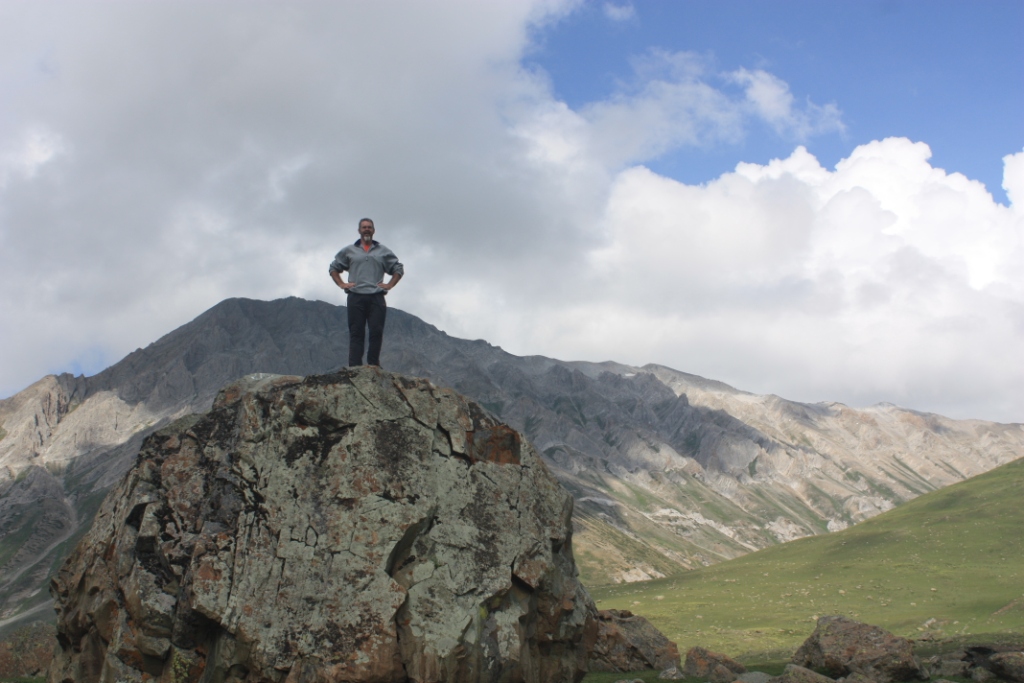
Happy the man, and happy he alone,
 He who can call today his own:
 He who, secure within, can say,
 Tomorrow do thy worst, for I have lived today.
 Be fair or foul, or rain or shine
 The joys I have possessed, in spite of fate, are mine.
 Not Heaven itself, upon the past has power,
 But what has been, has been, and I have had my hour.
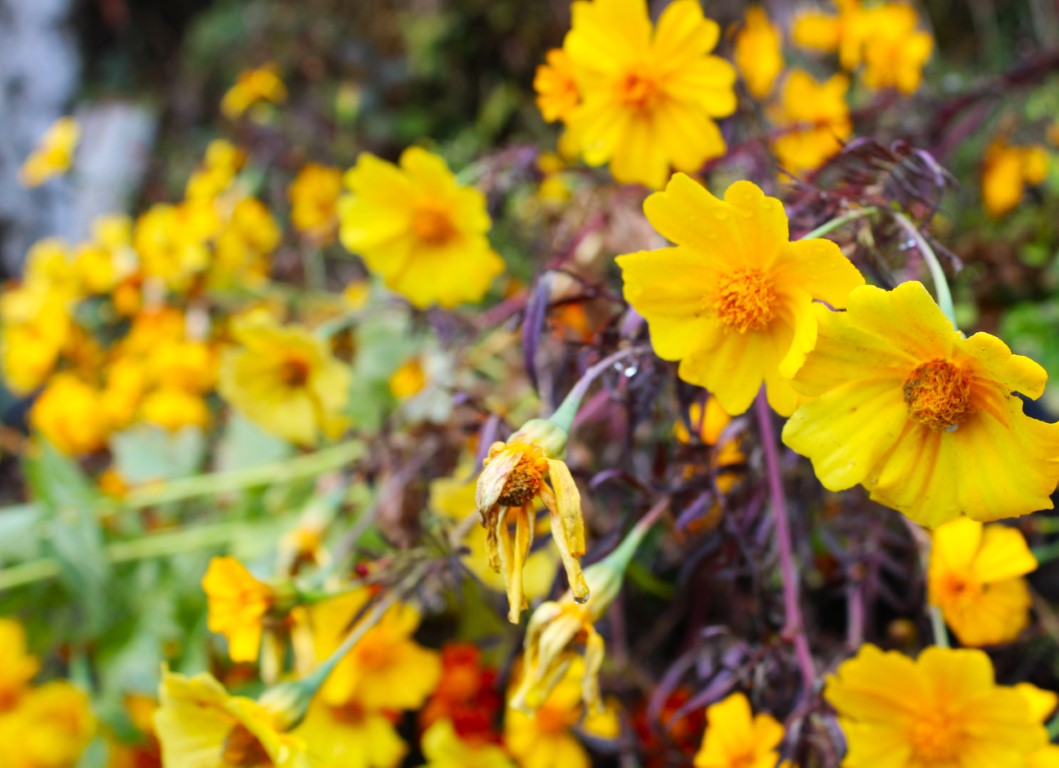
To see a World in a Grain of Sand
 And a Heaven in a Wild Flower
 Hold Infinity in the palm of your hand
 And Eternity in an hour
 A Robin Red breast in a Cage
 Puts all Heaven in a Rage
 A Dove house fill'd with Doves & Pigeons
 Shudders Hell thr' all its regions
 A dog starvd at his Masters Gate
 Predicts the ruin of the State
 A Horse misused upon the Road
 Calls to Heaven for Human Blood
 Each outcry of the hunted Hare
 A fibre from the Brain does tear
 A Skylark wounded in the wing
 A Cherubim does cease to sing
 The Game Cock clipd & armd for fight
 Does the Rising Sun affright
 Every Wolfs & Lions howl
 Raises from Hell a Human Soul
 The wild deer, wandering here & there
 Keeps the Human Soul from Care
 The Lamb misused breed Public Strife
 And yet forgives the Butchers knife
 The Bat that flits at close of Eve
 Has left the Brain that wont Believe
 The Owl that calls upon the Night
 Speaks the Unbelievers fright
 He who shall hurt the little Wren
 Shall never be beloved by Men
 He who the Ox to wrath is movd
 Shall never be by Woman lovd
 The wanton Boy that kills the Fly
 Shall feel the Spiders enmity
 He who torments the Chafers Sprite
 Weaves a Bower in endless Night
 The Catterpiller on the Leaf
 Repeats to thee thy Mothers grief
 Kill not the Moth nor Butterfly
 For the Last Judgment draweth nigh
 He who shall train the Horse to War
 Shall never pass the Polar Bar
 The Beggars Dog & Widows Cat
 Feed them & thou wilt grow fat
 The Gnat that sings his Summers Song
 Poison gets from Slanders tongue
 The poison of the Snake & Newt
 Is the sweat of Envys Foot
 The poison of the Honey Bee
 Is the Artists Jealousy
 The Princes Robes and Beggars Rags
 Are Toadstools on the Misers Bags
 The Truth that's told with bad intent
 Beats all the Lies you can invent
 It is right it should be so
 Man was made for Joy & Woe
 And when this we rightly know
 Thro the World we safely go
 Joy & Woe are woven fine
 A Clothing for the soul divine
 Under every grief & pine
 Runs a joy with silken twine
 The Babe is more than swadling Bands
 Throughout all these Human Lands
 Tools were made & Born were hands
 Every Farmer Understands
 Every Tear from Every Eye
 Becomes a Babe in Eternity
 This is caught by Females bright
 And returnd to its own delight
 The Bleat the Bark Bellow & Roar
 Are Waves that Beat on Heavens Shore
 The Babe that weeps the Rod beneath
 Writes Revenge in realms of Death
 The Beggars Rags fluttering in Air
 Does to Rags the Heavens tear
 The Soldier armd with Sword & Gun
 Palsied strikes the Summers Sun
 The poor Mans Farthing is worth more
 Than all the Gold on Africs Shore
 One Mite wrung from the Labrers hands
 Shall buy & sell the Misers Lands
 Or if protected from on high
 Does that whole Nation sell & buy
 He who mocks the Infants Faith
 Shall be mocked in Age & Death
 He who shall teach the Child to Doubt
 The rotting grave shall ne er get out
 He who respects the Infants faith
 Triumphs over Hell & Death
 The Childs Toys & the Old Mans Reasons
 Are the Fruits of the Two seasons
 The Questioner who sits so sly
 Shall never know how to reply
 He who replies to words of Doubt
 Doth put the Light of Knowledge out
 The Strongest Poison ever known
 Came from Caesars Laurel Crown
 Nought can Deform the Human Race
 Like to the Armours iron brace
 When Gold & Gems adorn the Plow
 To peaceful Arts shall Envy bow
 A Riddle or the Crickets Cry
 Is to Doubt a fit Reply
 The Emmets Inch & Eagles Mile
 Make Lame Philosophy to smile
 He who Doubts from what he sees
 Will ne er Believe do what you Please
 If the Sun & Moon should Doubt
 Theyd immediately Go out
 To be in a Passion you Good may do
 But no Good if a Passion is in you
 The Whore & Gambler by the State
 Licencd build that Nations Fate
 The Harlots cry from Street to Street
 Shall weave Old Englands winding Sheet
 The Winner Shout the Losers Curse
 Dance before dead Englands Hearse
 Every Night & every Morn
 Some to Misery are Born
 Every Morn & every Night
 Some are Born to sweet delight
 Some are Born to sweet delight
 Some are Born to Endless Night
 We are led to Believe a Lie
 When we see not Thro the Eye
 Which was Born in a Night to perish in a Night
 When the Soul Slept in Beams of Light
 God Appears & God is Light
 To those poor Souls who dwell in Night
 But does a Human Form Display
 To those who Dwell in Realms of Day


